

13 Mistakes To Avoid When Ditching A Shower Curtain For An Alternative Solution
We may receive a commission on purchases made from links.
Shower curtains can make a bathroom feel dated and low-budget. Switching a grotty old curtain for a clean, modern glass enclosure, door, or walk-in shower can give your bathroom a completely new look and make it feel much brighter, contemporary, and trendy. However, it also exposes any weak spots your bathroom may have in terms of drainage, safety, waterproofing, and practicality.
When you're planning on ditching the shower curtain for a more contemporary option, you've got to consider how the water will move and where it will end up with your chosen replacement. Cleaning, steam build-up, safe flooring, and potential leaks are all things you need to consider before installing a shower curtain alternative. While you can sometimes make a straight swap, such as with a curtain and a simple glass screen, other options will require changes to the rest of the bathroom, too, and you may need to hire a contractor. You'll save yourself a lot of trouble by knowing which mistakes to avoid.
Ignoring how far water will spray without a curtain
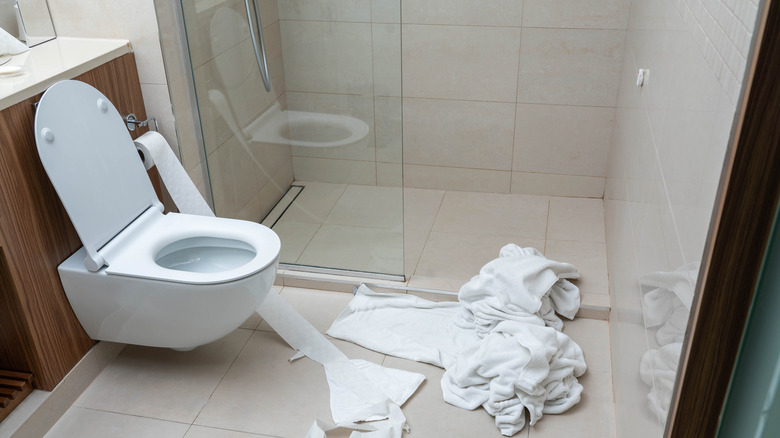
While shower curtains are flexible and can easily catch spray from a showerhead, it's a bit of a different story with a fixed glass panel or an open walk-in. This is particularly true if you've got a high-pressure or angled showerhead. With open walk-ins, overspray and bounce-back can splash beyond the enclosure's opening, especially if there's no return panel. This potentially leaves the bathroom floor wet, increasing the risk of an accident, and can cause damage if the flooring or edging isn't fully waterproof.
Before you commit to anything, it's good to test the spray path of your showerhead. Mark out where the glass line and the open spot will be on the floor with tape. Tie up or remove the shower curtain, and then turn on the shower briefly to see where the water naturally lands and splashes. If, even when you reposition the showerhead, you see that water will splash out of the opening, you might want to consider adding a full door. Or, if you're dead-set on the open walk-in style, at least think about adding a partial return panel.
Skipping non-slip flooring
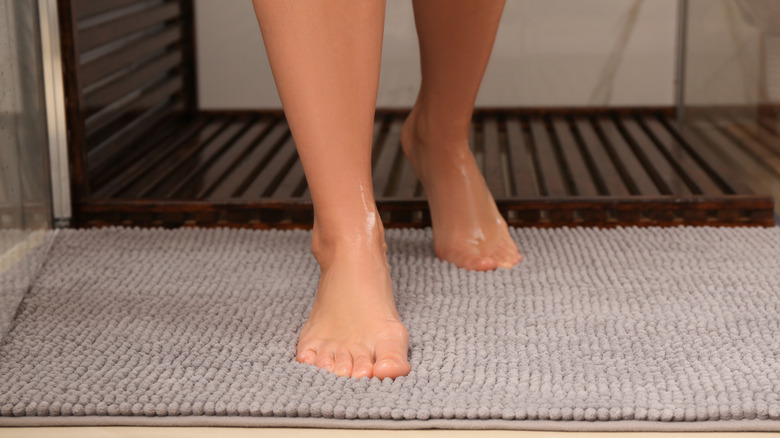
Large, glossy tiles can have that picture-perfect Instagram or Pinterest look, but they're not practical on a bathroom floor, especially one with an open shower. They're fine for walls, but on floors, they're dangerous as soon as they're wet or when someone steps on them with wet feet. Once you remove the shower curtain, you're letting more water and steam into the bathroom, so any already slick surfaces become wetter and more dangerous. Even a few inches of glossy tile between the shower and a mat can be a significant safety risk.
If you already have large, glossy tiles and don't want to replace the flooring, make sure you add non-slip mats at the very least to reduce risk. If you are thinking of upgrading your flooring, then choose small tiles that necessitate lots of grout lines, as this increases traction. If you are set on large tiles, go with textured ones like rough, natural stone that has plenty of texture already. You can also check manufacturer slip-resistance ratings to be certain you're getting a product that offers enough traction to keep everyone safe and avoid bathroom flooring mistakes.
Forgetting about non-slip mats and landing zones
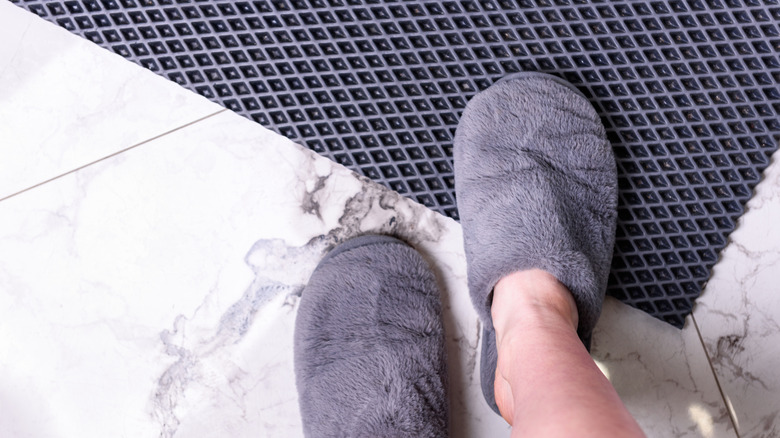
When you've got a shower curtain, most water drips back into the tub or pan. With a walk-in, an open end, a wider opening, or even a glass screen, more water escapes into the wider room, often right where you step out.
So you need a safe "landing zone," preferably in the form of a non-slip mat. Remember, you need safety beyond the immediate step-out zone, so go with a generously-sized mat and maybe pair it with a runner that extends far enough across the bathroom to get out of the wet zone. Remember to choose mats with grippy undersides, too, so the mat doesn't slip when you step onto it; the Gorilla Grip Patented Bath Tub Shower Mat from Amazon is highly rated and should do the trick.
Underestimating how much ventilation you'll need
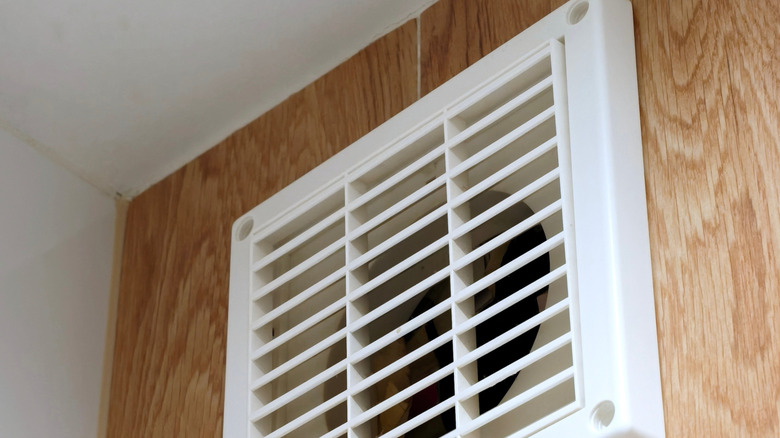
More glass and a larger walk-in footprint mean more steam, which means you need decent ventilation to reduce condensation and the risk of mold and mildew. If the fan isn't powerful enough, moisture will linger on the drywall, ceiling, and trim. This can lead to peeling paint, swollen door frames, and musty smells alongside the mildew issues.
Make sure your bathroom fan is properly ducted to the outside, and not just venting into the attic. Consider the age and efficiency of the fan, and check that it's actually sized for the room's cubic footage. You may need to upgrade an old or smaller fan for adequate ventilation. Adding or adjusting a timer so the fan runs for 15 to 30 minutes after you're done with showering is also a good idea. Lastly, choose finishes that tolerate humidity well. Go with moisture-resistant paint, mold-resistant drywall, and caulk that's rated for wet areas.
Installing a walk-in or curbless shower without upgrading waterproofing
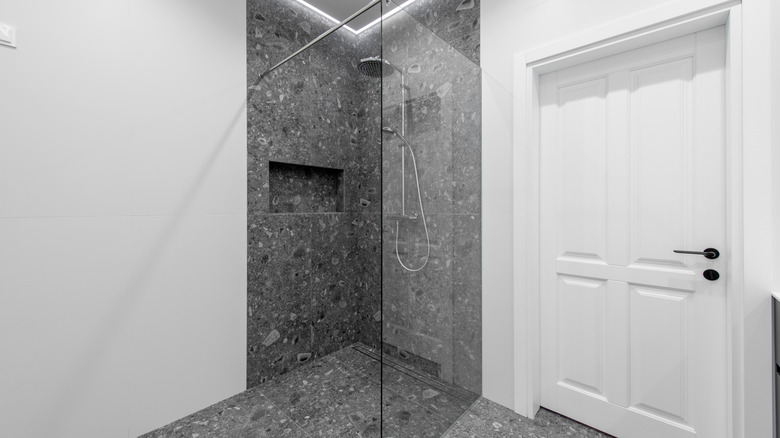
Curbless and low-threshold showers look sleek and are definitely easier to step into, especially if someone has mobility challenges. The problem with a level-access shower is that water obviously spreads further, as there's no shower pan lip to catch at least a portion of it. If the waterproofing isn't adequate, water can migrate behind the tile and into the subfloor and framing, causing extensive and costly damage.
If you are going to have a curbless shower without any glass paneling, you've essentially opted for a wet room, and you need to waterproof accordingly. It's a good idea to work with a contractor to make sure you've got continuous waterproofing on the floor and up the walls well beyond the immediate splash zone. Look into sheet membranes, liquid-applied membranes, and pre-formed pans rated for curbless and open showers. You may also need to get an inspection to make sure the bathroom is up to code and properly waterproofed.
Getting the floor slope wrong so water doesn't drain properly
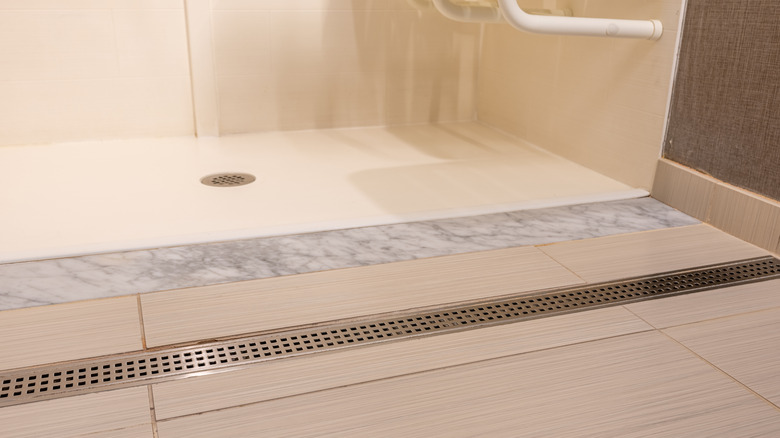
Often, removing the shower curtain is a small part of a larger bathroom remodel. Many people end up removing the tub and replacing it with a shower. If that's your plan, especially with a curbless setup, grading the floor so the water runs back to the drain is critical. If the area is too flat, water pools or is slow to drain, leaving the floor wet for longer. If it's too steep, water drains faster, but it feels awkward and can increase slip risk.
It's probably a good idea to work with a pro if you're doing a remodel like this. You want a consistent, gentle slope, generally around a quarter inch per foot. This is enough to move water without it feeling like you're walking down a slippery ramp. When looking for a contractor, make sure the one you choose has verifiable experience in building curbless or walk-in showers.
Using the wrong glass where safety glazing is required
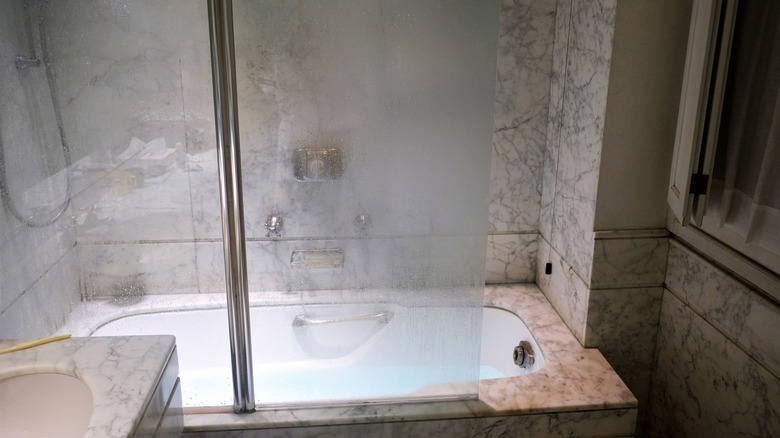
Ordinary annealed glass can be extraordinarily dangerous. It can break into large, sharp shards. This is obviously particularly problematic in the bathroom, where there's an increased risk of falls. If someone falls into annealed glass, it can cause them life-threatening injuries. This is why building standards require tempered or laminated safety glass in hazardous locations like around shower enclosures, near wet floors, and within specific distances of doors and other openings. Therefore, skipping safety glazing can violate building codes and may cause problems with inspections, insurance, or future buyers.
Wherever you've got a significant amount of glass in the bathroom, make sure it's appropriate safety glass, even if it costs more. The danger of regular glass in a wet environment just cannot be overstated. Laminated or tempered safety glass is essential around showers, including for simple tub-mounted screens as well as full enclosures. If in doubt, hire a reputable contractor to help select and install the glass. Even if you're going the DIY route, always order from an established shower glass supplier and confirm the safety rating.
Choosing a layout that's hard to clean and keep dry
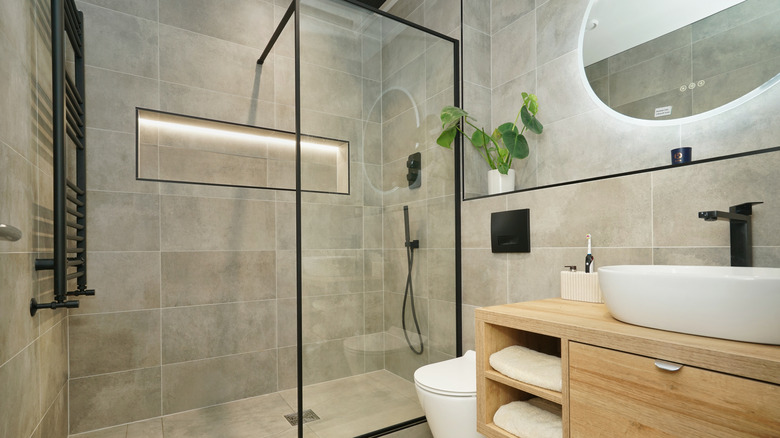
Getting overly fancy with a shower's layout and screen once you lose the curtain can end up giving you a headache. Excessively fancy framing with lots of tracks and narrow channels might look fabulous when first installed, but in a surprisingly short time, it can all end up looking grotty and dirty.
This kind of complicated aesthetic can be nearly impossible to keep clean, harboring soap scum, bacteria, and mold. Myriad tracks and channels can even make the bathroom smell musty, as they hold stale water and soap residue. Eventually, the silicone ends up stained, and you'll get blackened corners, hinges, and seals as mildew takes hold in difficult-to-clean spots.
For ease of cleaning and a sleek, contemporary look, keep your choices simple. Minimal hardware, large, fixed panels instead of small, narrow ones, and doors with simple, easy-to-access hinges rather than impossibly difficult-to-clean tracks all make cleaning and maintenance easier. You obviously need some kind of shower storage for shampoo and body wash, but don't overdo it. Go for the least amount of storage space that's practical, as it's another surface with hardware that you need to keep clean. It's also good to avoid excessive trim, especially if it hides the silicone seals, making it harder to see mildew buildup or when the silicone needs replacing.
Not planning for hard water spotting on glass
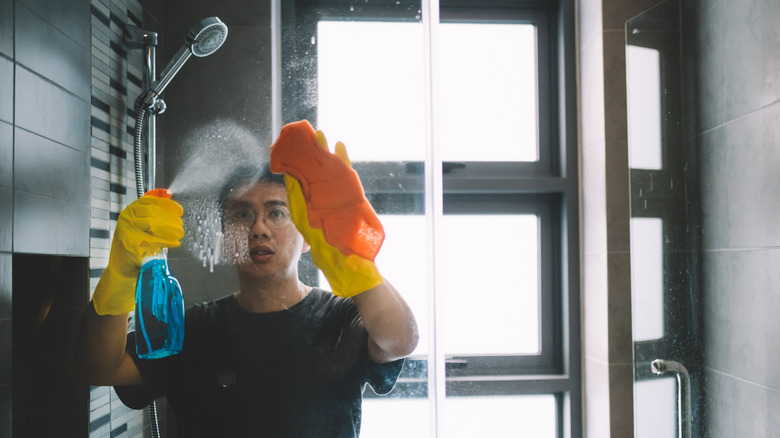
If you've relied on a shower curtain for many years and you're suddenly switching to glass, you may not have given any thought to how much hard water spotting you'll have to contend with to keep your shower glass squeaky clean. Over time, mineral deposits from the water droplets stick to the glass and build up as white spots and haze; the harder your water, the worse it will be. Yes, you get mineral deposits on shower curtains, too, but they're simply not as noticeable as they are on glass.
The longer you leave the deposits, the harder they are to remove, too. One simple, effective remedy is to keep a squeegee on a hook in the shower and get everyone into the habit of using it to clean off the glass when they're finished with their shower.
You can also install shower glass with hydrophobic or anti-limescale coatings. Alternatively, for an existing installation, you can get after-market products to apply yourself; Meguiar's Water Spot Remover from Amazon should do the trick for cleaning hard water spots, while regular applications of OxiClean Shower Guard from Amazon can be a preventive step.
Removing the only bathtub without thinking about resale
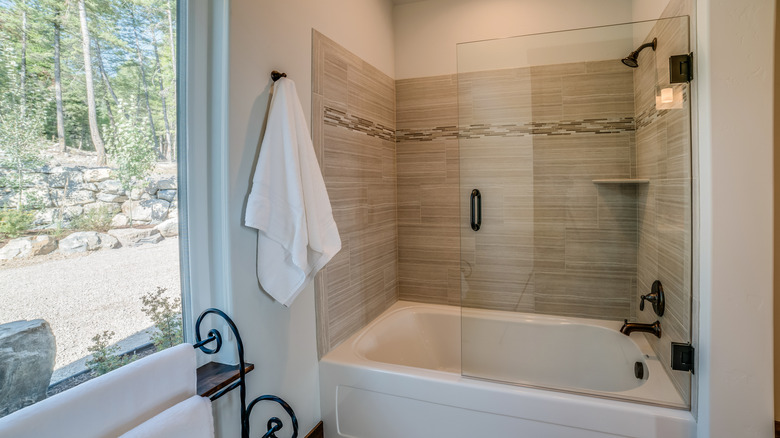
You may have seen walk-in showers all over Instagram and Pinterest, posted like they're the epitome of grown-up sophistication. It's true — showers are practical, especially in compact bathrooms. However, that doesn't mean you should indiscriminately rip out the only bathtub in the house. Many buyers, especially with young kids, want and need a bathtub. Even if you're currently planning on staying in your property forever, you never know what will happen in life, so it's worth keeping future buyers in mind while you work on your redesign.
Yes, you can get rid of the shower curtain and replace it with a fancy glass screen, and even replace the bathtub itself with a clean, fresh, contemporary one, but it's not always the best move to get rid of your only bathtub. Before you go this route, consider whether removing the only tub in your house will limit your future resale value, as you don't want to make your home less attractive to potential buyers. If you have more than one bathroom in the house, you can get away with replacing a tub with a shower only, but it's still worth keeping one tub-shower combo.
Skipping grab bars and safe handholds in the new layout
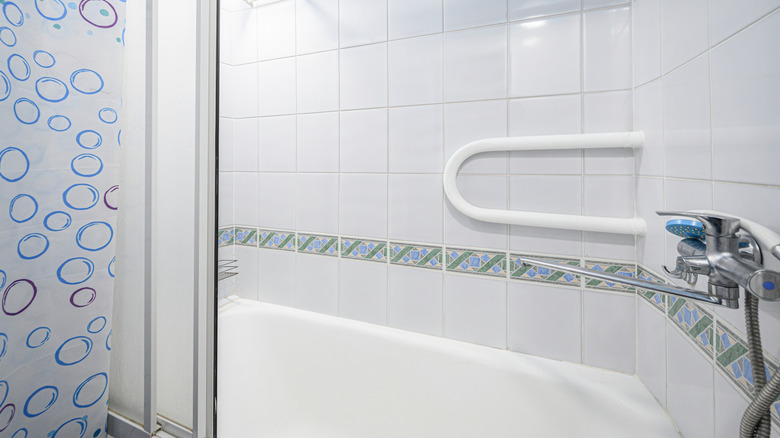
It may sound silly, but people sometimes grab hold of a shower curtain just to lightly steady themselves. No, it's not designed to take weight, but it provides a light (if ill-advised) handhold for someone if they feel dizzy or start to slip a little. An all-glass enclosure is slippery, so if that same person throws a hand out to steady themselves, they've got nothing to grip onto, resulting in a fall. Even if you have no obvious need for assistance in the shower right now, if you're planning for the future or trying to make a universal access bathroom, grab bars and safe handholds are essential. Plus, anyone can obviously get sick or injured at any point and need a bit of extra help.
Your grab bars don't need to be that unsightly institutional white plastic, though. Choose discreet ones that match the rest of the hardware in your bathroom. Yes, you could have them retrofitted, but if you're remodeling the shower anyway, get it done as part of the same job. That way, it's easier and less costly to have them installed correctly, with blocking and lined up with studs. This is safer and sturdier than relying on retrofitted hollow wall anchors.
It's also good to consider their placement. Physically stand in the shower space and reach out as if you were going to slip and needed to grab onto something. The spots you automatically reach for are where you want the handles and rails added. They're essentially useless at certain heights. It's also handy to place one near the entrance and, if you have one, next to a shower seat.
Neglecting grout, caulk, and sealant once the new setup is in place
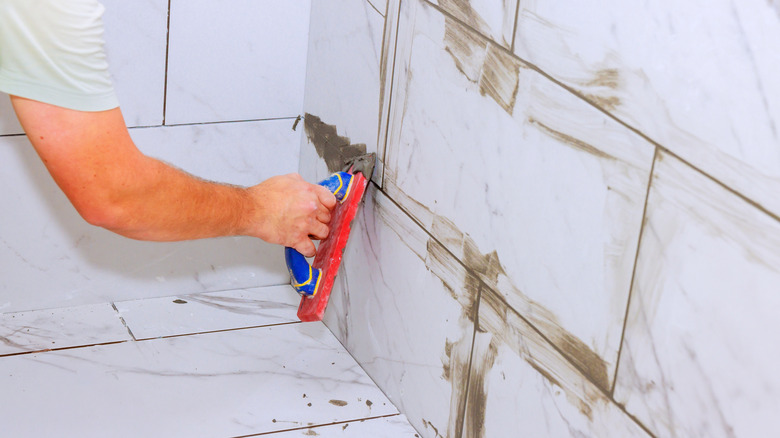
When you get rid of a shower curtain, even if you're just replacing it with a screen above the tub, you end up with more splashing and more steam. Whatever you replace the curtain with will rely on grout lines, caulk beads, and sealants to keep water in the shower and out of the wall, so you don't want to neglect these aspects when replacing your shower curtain.
Even if you're not doing other remodeling in the room, there's a good chance you've already got cracks in your shower grout, shrinking caulk, or gaps around hardware where water can penetrate. When you had the shower curtain catching most of the water and directing it into the tub or shower pan, this wasn't much of an issue. With more water splashing around, though, there's a high risk of it getting into those damaged areas and behind the tile. From there, it can cause hidden but significant damage.
Thus, before you replace the shower curtain, give your grout lines a careful examination and look for cracked or missing patches. Then do the same with the caulk, looking for places where it's shrinking, pulling away from one of the surfaces, or showing signs of age. For caulk, it makes sense to remove the old stuff and reseal the whole area rather than trying to patch it.
With grout, if the damage is mild and only on the surface, you can likely just reseal it. However, if the damage is extensive, you do need to fully regrout. Whatever product you use, make sure it's rated for bathrooms or constant moisture exposure. The PentaUSA Tile Grout Repair Kit from Amazon seems to have everything you may need.
Forgetting about long-term accessibility when you move away from a curtain
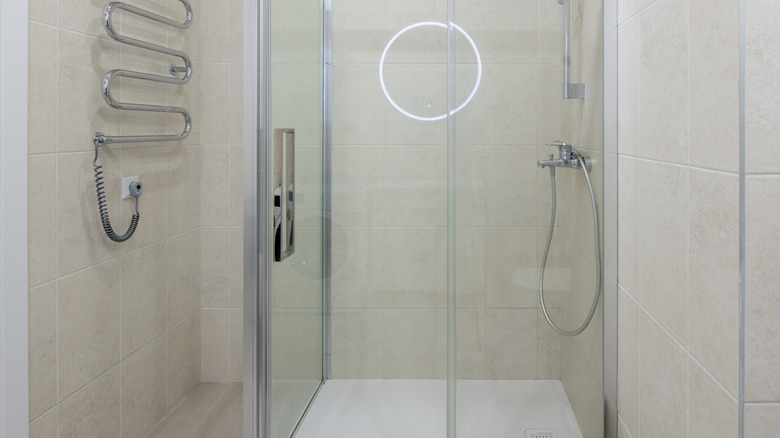
Long-term accessibility and universal access are both important considerations when replacing your shower curtain. While everyone in your household may currently be in peak physical health, you cannot assume that you'll be lucky enough that it stays that way permanently. Age, accidents, health conditions, and other issues can all impact mobility and accessibility needs. Therefore, it makes sense to plan for those issues now rather than having to fix the shower area later.
Curtains pull back fully, so even if someone needs a bath lift to get in and out of the shower, the curtain can be moved out of the way. Things are different with fixed glass panels, so you need to think about narrow openings, the size of any threshold, and if the glass panels move out of the way.
Universal accessibility goes beyond just adding a couple of grab bars and planning for ageing in place, although these are both important considerations. If you plan to keep the tub, consider a hinged or folding screen that would leave enough room for a bath lift. If you're replacing the curtain and the tub, think about the size of the entryway, possible rails and seating, and the height of the threshold. For future-proofing, also think about how much room someone would need between the shower opening and any nearby fixtures to safely move in and out with a mobility aid.