

Your Storage Spaces Deserve To Be Organized Too: How To Declutter Them
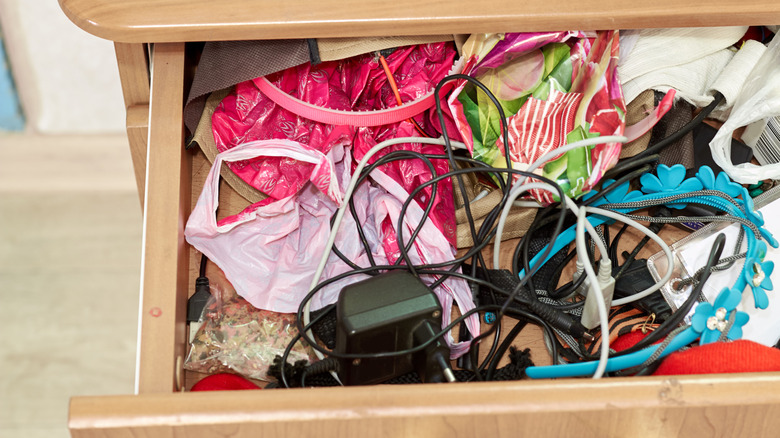
You're not alone when you experience the overwhelm that seeps in at the sight of cluttered storage spaces. Mindlessly tossing stuff in storage areas eventually eats up space and creates eyesores around your home. Later on, you'll realize you can't find what you need, or worse, you'll completely forget what you own. Not being mindful of how you keep your home tidy can lead to piles of mess that will burden your daily life.
When overloaded storage spaces pile up faster than you can manage, it's time to consider decluttering. This process is not a one-time job; it is more about implementing a system that sustains order and cleanliness, keeps space for what matters, and supports your daily life as seasons change. Unlike the highly romanticized (yet still iconic) cleaning montages in movies where characters transform messy rooms into spotless spaces, decluttering does not strive to be instant and perfect. Rather, it focuses on intent. To truly cherish what you have or make room for fresh starts, take a good, hard look at your possessions and decide what to do with them.
Start by identifying the purpose of storage spaces in your home, and break them down into smaller sections. Next, assess if an item is worth keeping, whether in terms of usability, sentiment, or value. If you choose to keep an item, decide whether to display it or store it neatly. If you choose to discard an item, decide whether to dispose it or donate it.
How to declutter everyday storage spaces
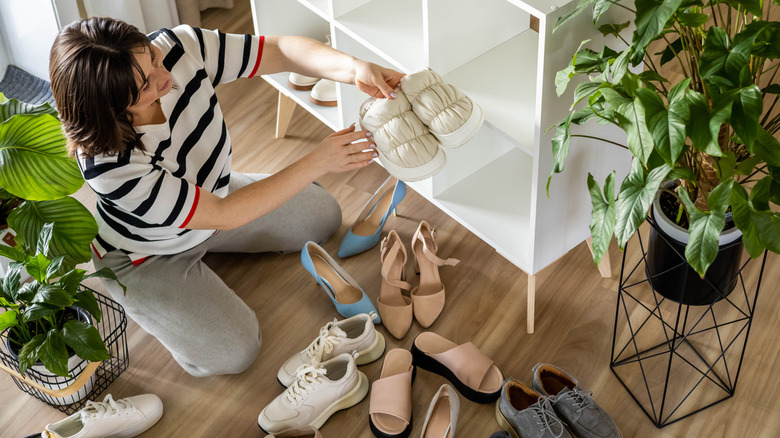
To create a more inviting and relaxing living space, it's best to declutter everyday storage spaces regularly. These areas, such as your entryway, kitchen, bathroom, and wardrobe, are prone to collecting clutter quickly. Here, it's best to break down these areas into smaller, more manageable spaces — you can start with one shelf or one drawer at a time. Focus on decluttering items that no longer serve your daily routine. Keep the items that give you ease, comfort, and convenience.
Look for old shoes, small change, and dead plants that clutter your entryway. Clear out expired products, visibly worn utensils, and other items that are potentially unsafe to use from your kitchen and bathroom. Gather pieces of clothing you rarely wear from your wardrobe, along with old, torn linens.
Sort your discarded items into boxes by type. Remember to keep shoes and clothing separate, and put aside a box for items that are fragile, expired, or unsafe to use. You can also keep your everyday storage spaces organized by creating drop zones. Make use of boxes, baskets, or even bowls to create catch-all spaces for small clutter.
How to declutter long-term storage spaces
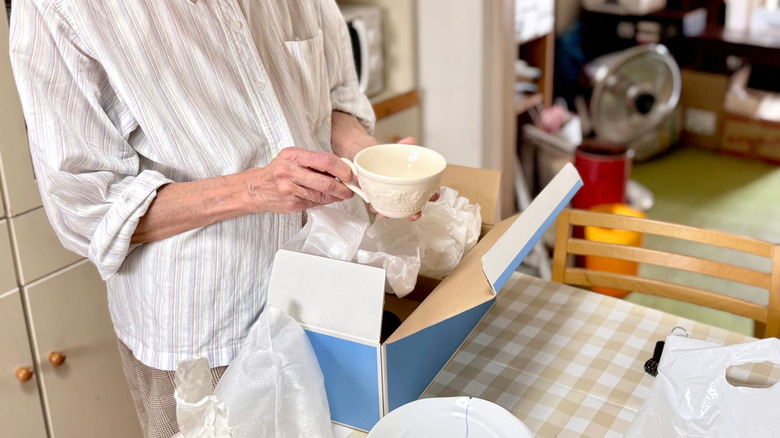
Long-term storage spaces, like attics, basements, and garages, tend to accumulate clutter more slowly. These areas hold seasonal decor, bulky equipment, or extra furniture for guests, along with sentimental items. Prioritize checking your decor, equipment, and furniture for exposure to rust, termites, or other types of sustained damage. These items need to be discarded in order to keep your home and storage safe from pests and other health hazards.
For the practical and useful items you decide to keep in your storage area, organize them in clear bins, and stack them on shelves to maximize vertical space. To store bigger equipment and furniture, make sure you place them in a clean and dry corner, and use plastic dust covers to prevent them from attracting more dirt. For sentimental items worth keeping, find artistic ways to repurpose your mementos – like creating mantel vignettes or turning photos into wall hangings — instead of putting them back into storage.