

9 Things To Expect From Pests In Winter, And 9 Ways To Best Prepare Your Home

Many people believe that winter gives them a reprieve from pests trying to come into their houses. But winter actually drives pests seeking warmth inside. While the cold will kill off many insects, those that reach warm areas, be that underground or in your bathroom, will try to survive to the next season. Some insects lie dormant during the coldest days and then wake up and head inside if temperatures rise above freezing for a few days. Other pests seek safe spaces to reproduce or areas with a seemingly unending supply of food. In short, winter remains a very active season for pest control experts.
Pests may not be slowing down, and neither should you. The preventative measures you take now and keep up with throughout winter will make your home hospitable. Sealing up holes and removing food sources will go a long way towards deterring insects and rodents. Making home repairs quickly, such as replacing bad weather stripping, can also help. If you're worried about your house, then know it's not too late to protect it from pests. The more you know about what you're up against, the better chance you'll have of preventing them from coming inside at all. Here are nine things to expect from pests in winter and the best ways to prepare your home.
Mice will build nests in boxes
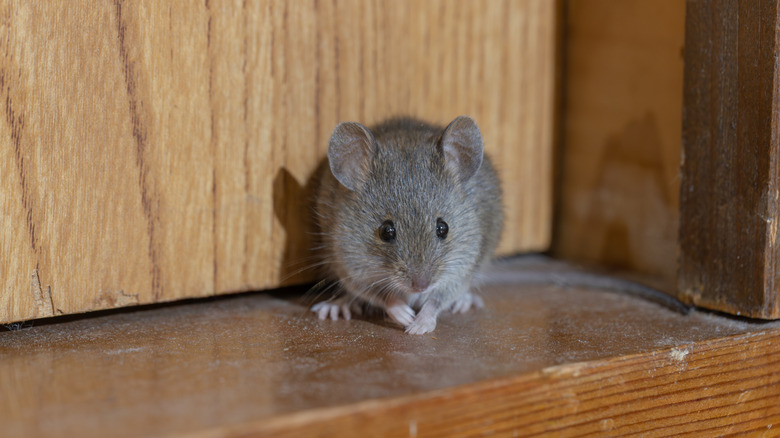
Mice are common winter weather survivors. They can squeeze through holes the size of dimes. Small cracks and gaps near doors, windows, siding, and in the foundation may look insignificant, but they're practically open doors to these rodents. Mice are attracted to a number of things in your home, such as warmth, food, and possible nesting materials, including cardboard boxes and old sheets. And, once these pests are inside, it can be tough to get them back outside again.
Mice might look cute, but don't underestimate these pests. If given enough time, they can chew through wood and electrical wires. You might also notice bite marks on wood, drywall, and cardboard food or storage boxes. They will also contaminate the food inside any boxes they chew through. When let loose inside a home, mice can cause serious damage to homes and spread diseases, including Hantavirus and Salmonellosis.
How to protect your home from mice
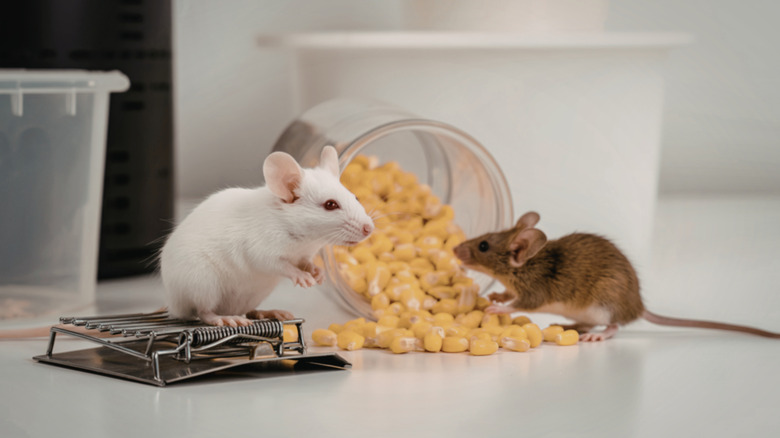
To prevent mice from getting inside, take a walk around the exterior of your home and look for any cracks or holes. Pay close attention to spaces around doors and windows. This is an easy place for mice to slip inside. If you find any, seal them up with caulk or steel wool for larger holes.
Remember, mice are notorious for squeezing themselves into tight spaces. No crack or hole should be considered too small. If you've noticed telltale signs around your home, like bite marks, droppings, and holes in cardboard boxes, then inspect that space as well for potential points of entry. You might be able to work backwards and see how mice are getting into your home.
Cockroaches will seek out moisture
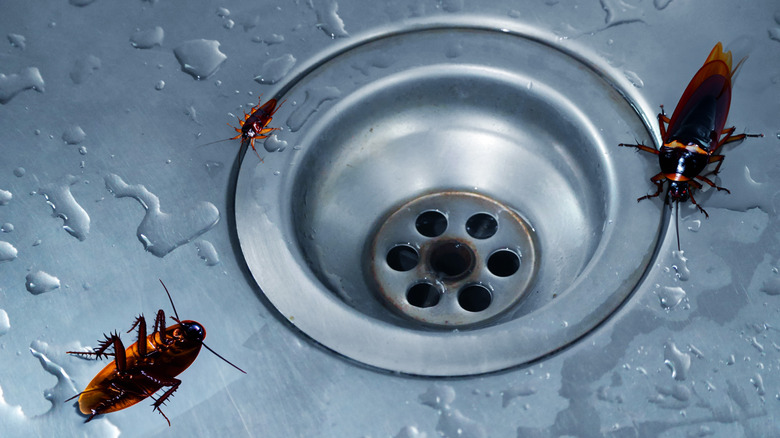
Nothing will make you jump back faster than a cockroach suddenly appearing inside your clean home. These insects can be carried in by accident from boxes and bags. They've even been known to hide in second-hand appliances. Like mice, they can also find their way in through cracks and holes, especially those around windows and doors. Since they're attracted to moisture, entry points in kitchens, bathrooms, laundry rooms, and basements will likely be targeted.
These ugly pests are not only gross to look at, they can also contaminate food if they get into kitchen cabinets. They'll look for food crumbs on the floor and open bags left on countertops. If they find food, then they'll spread bacteria and viruses, which can make you and your family sick. If you're unsure whether you're allergic to these insects, you'll find out fast. They can set off allergies or worsen asthma symptoms.
How to prepare your home against cockroaches
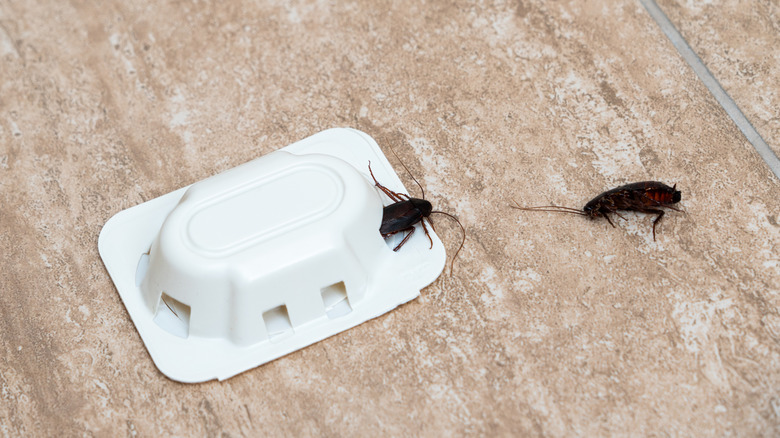
Cockroaches are attracted to moisture. They will target areas more prone to being wet, such as the spaces under sinks in the kitchen or bathroom. A leaky pipe here, even a small one, will create a haven for these pests. The best thing to do is to quickly repair any leaking pipes and clean up the water.
In addition to these spaces, monitor pipes in the laundry room and basement as well. Even though these spaces might not have food crumbs, cockroaches may still move into these moist areas and then find their way into your kitchen. But, if there isn't enough moisture, these insects will likely look elsewhere for a home.
Racoons will want to find a den
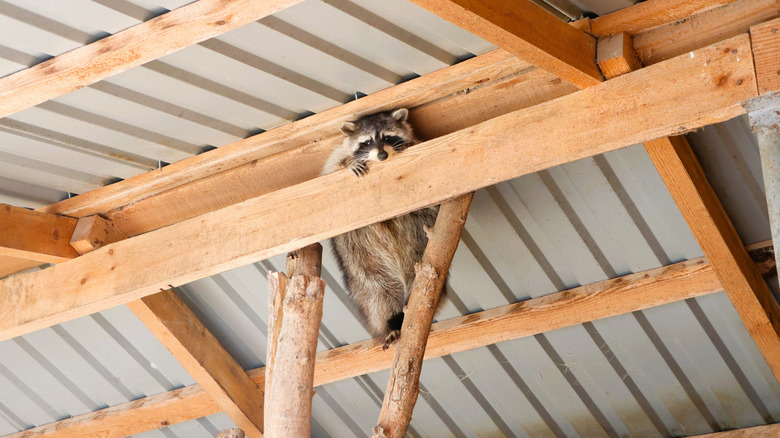
Cute and seemingly cuddly, raccoons may appear to be sweet, but you don't want them as house guests. Most people find raccoons inside during the winter months because the pests have made a denning spot — a warm, safe place where they can give birth. On the one hand, these crafty creatures will be too big to fit through small holes and cracks, which is good news. On the other hand, if you find one in your attic, it means you have a large hole somewhere along the roof or eaves. A chimney that's been left open also provides an opportunity for raccoons to make a den inside.
Once raccoons move in, they can be inconsiderate guests. Their dens can get very messy, and you're likely to see damage to the wood and insulation from their scratching. You will probably notice a strong odor in your home, as raccoons have greasy fur that traps bacteria, dirt, and grime from wherever they've been, as well as droppings from both mom and babies. Your guests won't react well if you try to pet them. These pests are known carriers of rabies, a highly fatal disease transmitted through bites.
How to prepare your home against raccoons
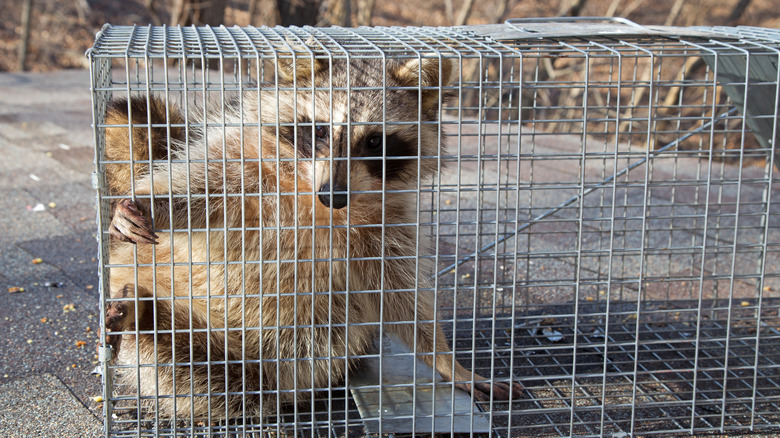
A raccoon problem can be handled humanely. If a raccoon gets into your home, pest control experts can set traps and relocate the mom and her babies to a better environment. To prevent these pests from coming inside during wintertime, inspect the roof and chimney for holes, torn shingles, and broken chimney caps.
Make any repairs needed and consider trimming or removing trees close to your roof. Raccoons are excellent climbers, but fewer trees hanging over your home will make it harder for them to easily find a point of entry into your home.
Ants want the warmth
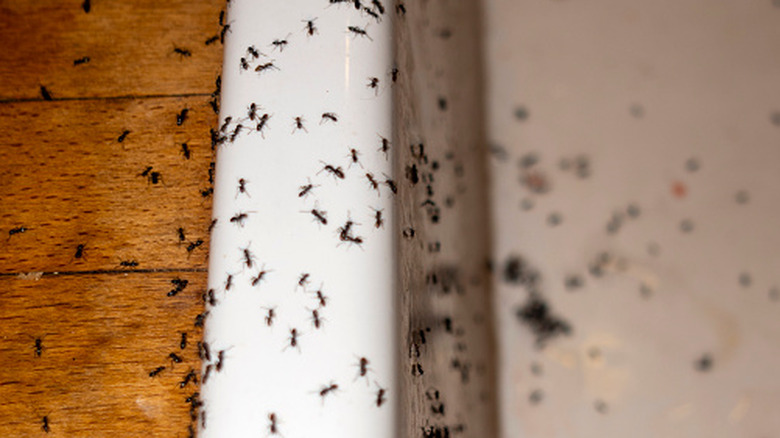
No hole or crack is too small for an ant. The cold winter temperatures send these enterprising insects looking for warmth inside. They'll also be attracted to a space with a good supply of food to help them survive until spring. Any cracks around doors and windows, as well as anywhere around the foundation, will serve as the perfect entry point for ants.
Ants can be destructive in homes, and they're never fun to find in family spaces. These insects will eat away at the wood in your walls and floors, leading to potentially expensive repairs. They're also known to multiply fast. A small infestation can get out of hand quickly and move from one room to another if left unattended. Depending on the species, they may also bite or smell.
How to prepare your home against ants
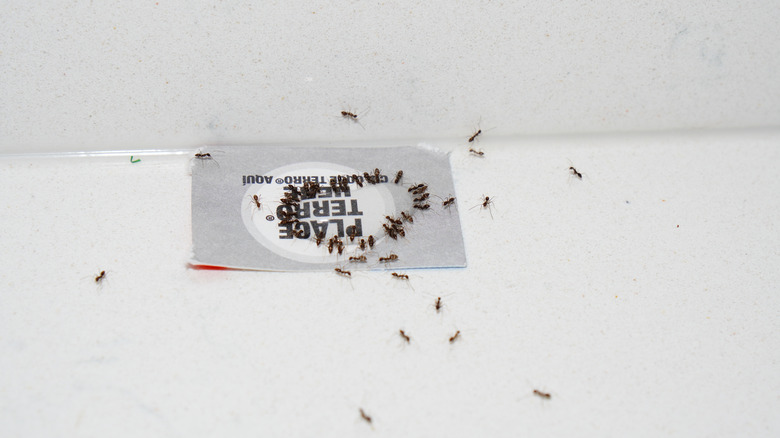
Ants love to go after crumbs of food, just like cockroaches. You'll likely find them in or near kitchens or living spaces where people bring food and then leave plates. Do not leave food open on countertops. This will make it easy for these awful pests to wander into your home. Store food in containers and vacuum and sweep frequently.
If you have pets, don't forget to store their food in sealed containers. If you or your kids are prone to letting dishes pile up in bedrooms, then make sure everyone's bringing plates back down and emptying trash cans frequently. Ants anywhere in the home are never fun, but having them in your bedroom may be the worst place for them.
Wasps go dormant, but may wake up if there's warm air
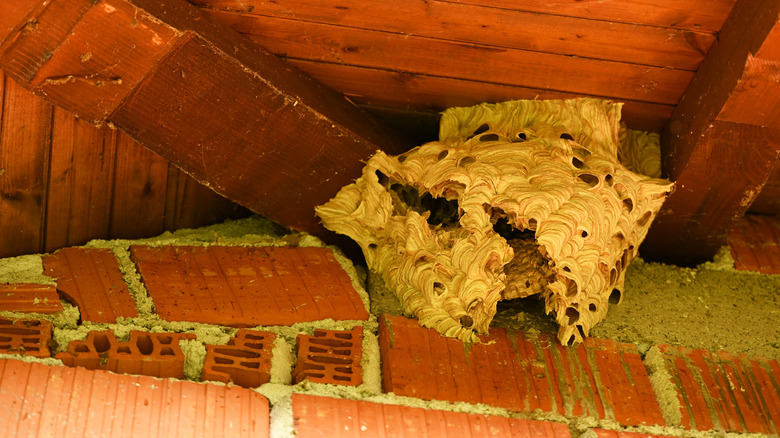
It may be easy to spot a wasp nest hanging from a tree, but that's not the only place where they build them. Like raccoons, these insects may seek the warmth of an attic, spending the late fall constructing a nest there and then lying dormant for the winter. Air vents can also serve as excellent spots for wasps to build nests. If you spot them in rooms without windows or doors in your home, then there's a good chance that they're coming in through air vents.
Wasp infestations can be downright scary. Their stings can be extremely painful and possibly deadly if you're allergic to the venom. Wasps are also a threat to pets who can't help but snap at them. Having the constant threat of being stung will probably mean that you and your family will be living elsewhere until the nest has been removed. On top of all that, these flying insects are also destructive and likely to damage any wood where they've built a nest.
How to prepare your home against wasps

If you notice a lot of wasps flying around your home or spot a nest in a tree, then there's a good chance they might look to move inside when the temperature drops. Inspect the roof and air vents in the fall and destroy any nests you find on your property.
Like other pests mentioned, wasps can squeeze through very tight spaces, so don't overlook cracks or holes. Remove anything that attracts wasps to your home. If you have a vacation property that will be empty until spring, pay close attention to securing the air vents. If you visit the property and turn on the heat, then you might wake those dormant wasps up and see them coming through the vents.
Silverfish seek a fresh food source in the winter
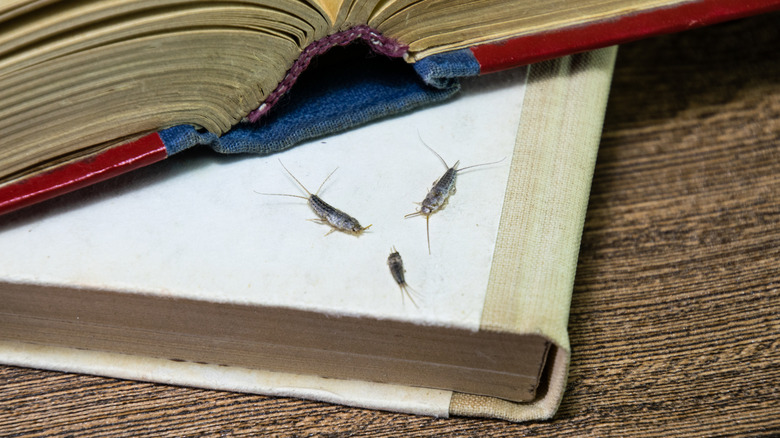
Silverfish may have a misleading name, but don't sleep on these insects. Above all, they seek warmth, so they will get in through cracks anywhere outside your home. Like cockroaches, they love moisture, so they'll likely target windows near bathrooms, kitchens, laundry rooms, and basements. Once they're in, they'll try to find their favorite food.
Silverfish will devour wood, paper, and any other similar materials. You'll find them eating through old books, newspapers, photo albums, or any other similar items. Luckily, they won't hurt humans, but the damage they can do to valuable books and papers are endless. Many people have lost old photographs, artwork from children, and important documents after these pests moved in. If you find silverfish, you'll want to get rid of them as soon as possible.
How to prepare your home against silverfish
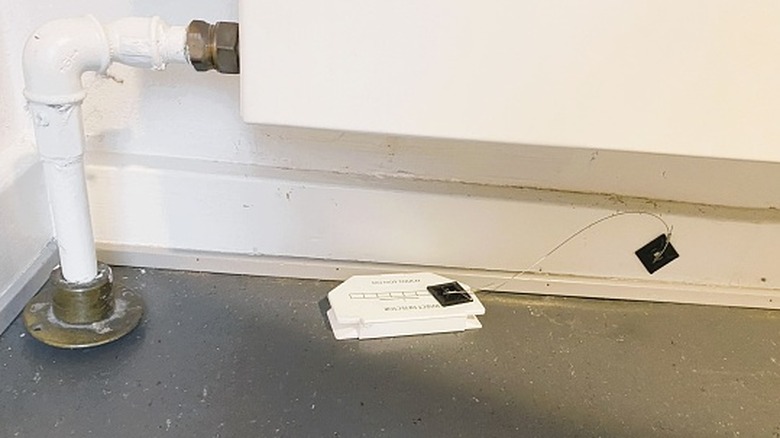
The same tactics that prevent cockroaches can also work for silverfish. In addition to fixing leaks, a dehumidifier may be one of the best ways to get rid of silverfish in the basement or laundry room. Basements especially tend to have excess moisture, so dry up this area and make it less attractive to silverfish.
If you store old papers here, don't leave them in cardboard boxes. Repack important documents, like birth and marriage certificates, in fireproof safes and store other papers in plastic bins with secure lids. Removing the food source will go a long way toward preventing these insects from moving in.
Rats need warmth and food
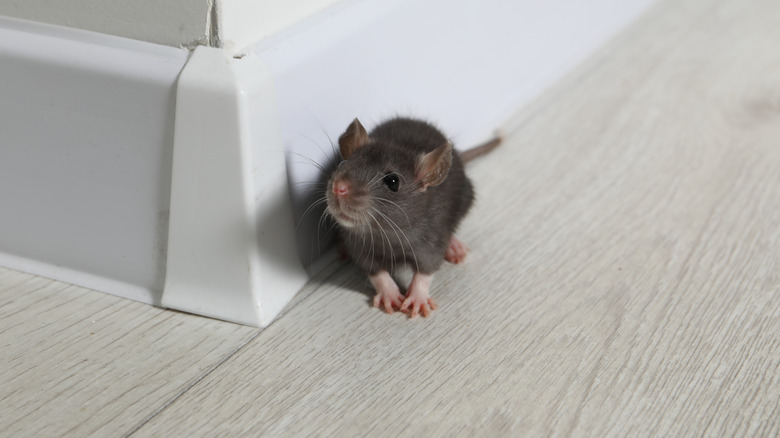
Rats may be small (well, some are anyway), but they are smart and excellent adapters. Like mice, these rodents can squeeze through very tiny holes. They may also sneak in through open doors or windows. They will be looking for food, water, and shelter during winter, and your home might look like the perfect place.
Rats are best known for spreading diseases, or at least the fleas that carry the diseases. While you may not have to worry about Bubonic plague, other bacteria and viruses can be spread from rat droppings and urine. They can chew through wires, wood, and paper, like cardboard. You might hear scratching in the walls or find small holes in baseboards. If they've made it into your pantry, then you'll see boxes and bags that have been chewed. Spotting one or more of these signs might mean it's time to call in the professionals for a rat infestation.
How to prepare your home against rats
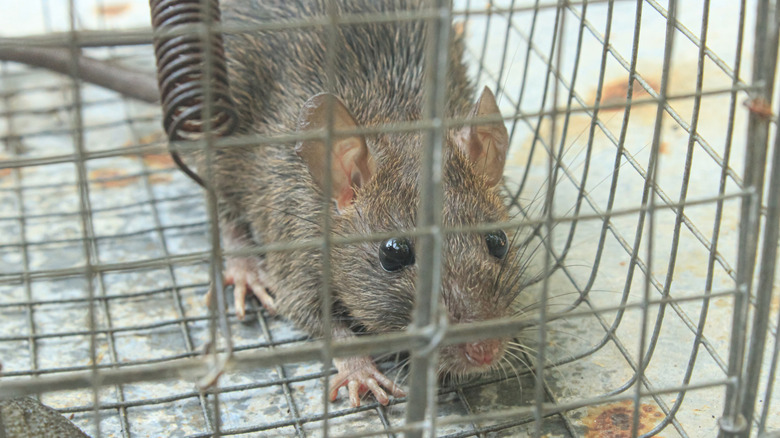
Rats follow the same prevention advice as mice. Sealing up holes will be key, but it's not the only thing to do. You should also install a door sweep on all exterior doors or replace any that are in poor condition. This will prevent rats and mice from slipping in under the door.
Make sure you're also not leaving exterior doors open. It may seem impractical when bringing in groceries, but it's an easy way to stop a rat from finding its way inside.
Asian lady beetles wait for a nice day to move indoors
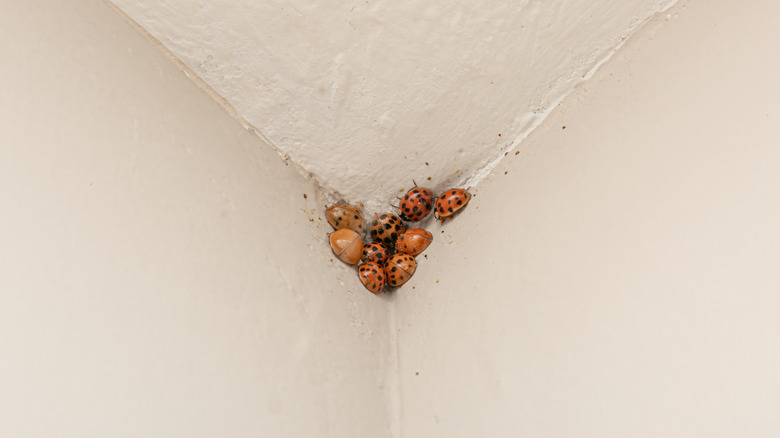
Ladybugs and their invasive counterparts, Asian lady beetles, lend a helping hand eating aphids in the garden. But when the weather turns cold, Asian lady beetles specifically go from cute to a nuisance. You can usually find them sneaking into your home through cracks and holes outside. Because they're so small, they're able to get through very tiny spaces, and they'll be looking for a warm place to spend the winter.
Asian lady beetles, which are usually bigger than ladybugs and often red, orange, yellow or black, may look cute out in the yard, but they are far less friendly inside. These insects do bite. It will feel more like a pinch and won't be as threatening as a wasp sting, but, still, it's never fun to be bitten. These insects also spread a yellow discharge when disturbed. That discharge could cause allergic reactions and stain fabrics, such as drapes and window treatments. When so many invade a home, they can become a major problem.
How to prepare your home against Asian lady beetles
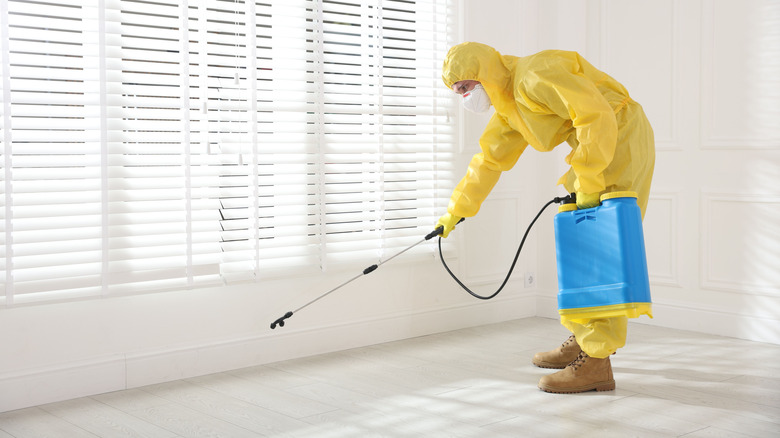
A long cold snap may do some of the work for you when it comes to Asian lady beetle infestations. With fewer warmer days in winter, these insects won't come out and try to move in.
Holes and cracks are their most common point of entry, so don't forget to inspect your siding. Cracks in it or spaces behind it can serve as secret entry points for these pests. While there are ways to get rid of Asian lady beetles and ladybugs when they're in your home, the best way to handle an infestation is to prevent it in the first place.
Stinkbugs long for a sunny spot
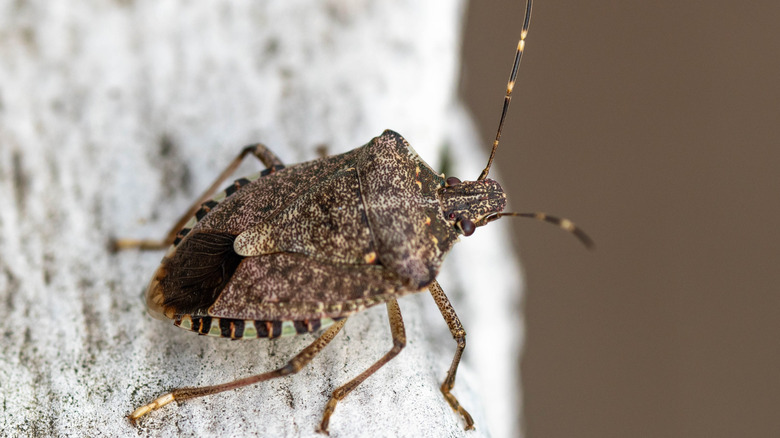
No one likes a stinkbug. These pests seek warmth, so they'll look to get into your home and sit on sunny walls and in window treatments. You may be more likely to find them moving through holes or cracks around windows with lots of sunlight coming through. Like other insects mentioned, they can also get in through gaps and fissures around the exterior of the home.
These bugs can do damage to house plants, but, more than anything, they're a nuisance. They will emit a terrible odor if you crush them. Finding one may not be a big deal, but a major infestation will likely make your home unlivable for a short period of time. Although they're not harmful like wasps, stinkbugs should be eliminated as quickly as possible.
How to prepare your home against stinkbugs
Holes and cracks will let in stinkbugs, but if you've sealed them up, then it's time to look at the weather stripping around your doors and windows. Having it is great, unless it's worn out. Replace any cracked or damaged weather stripping, especially in sunny windows where stinkbugs are likely to target.
As with roaches and silverfish, a dehumidifier can also help keep stinkbugs out of your home. You should also inspect your drapes and window treatments for bugs living in the creases. Regular washes can ensure these bugs never take up residence in your favorite curtains.