

How To Bring Retro Paint Colors Into Today: A Guide For '90s Kids
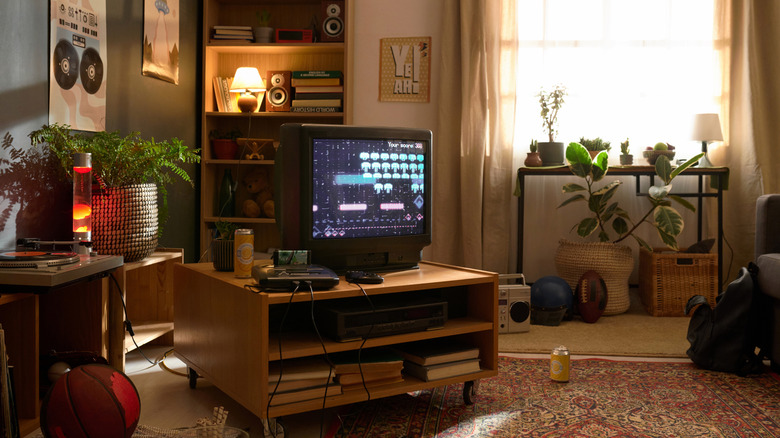
Ah, the 1990s. Spice Girls, bucket hats, frosted tips, and inflatable chairs. Everything seemed a little simpler back then, with interior design trends all about self-expression, plush comforts, and shabby chic. Fashion has been embracing the '90s for quite a while now, so it only makes sense that interior design follows suit and starts to pay homage to the heyday of boy bands and Britpop. But how do we work with '90s design trends without our homes feeling dated or overwhelming? Have no fear, we are here with a retro paint colors guide for '90s kids who want to bring nostalgia and comfort into their spaces.
The subdued tones of the 1990s offered respite from the bright colors of the '70s and '80s, serving as a calming balance after decades of hectic patterns and intense shades of pink, yellow, and blue. The '90s were all about darker and neutral colors, such as plum, forest green, brown, burgundy, maroon, and beige. These shades felt secure, protective, and nurturing — allowing us to relax and settle down after a long day of roller skating, shopping at the mall, and renting movies at Blockbuster. As interior design has leaned toward coziness and comfort in recent years, it makes sense that these '90s colors are returning. Many people now want real, lived-in spaces rather than homes that feel like showpieces.
How to style '90s paint colors
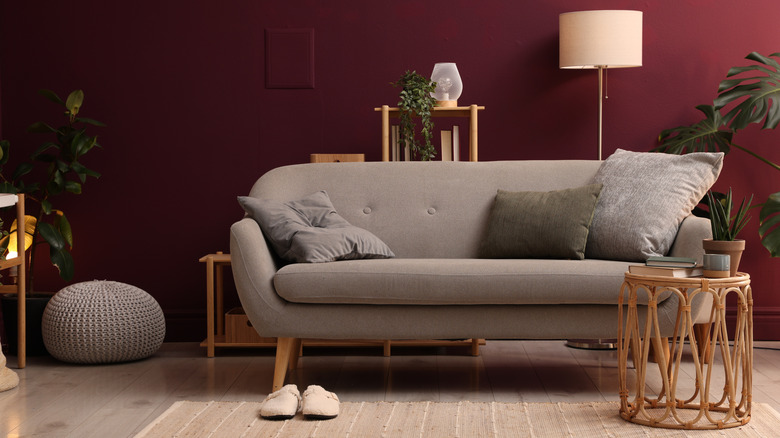
Using retro interior design trends can be a bit of a difficult task. Although some people like their homes to feel like a time machine, many of us want to keep it fairly modern while nodding to the nostalgic styles we love. Thankfully, '90s paint colors are relatively easy to blend with contemporary trends due to their neutral hues. Browns, beiges, and terracotta tones can fit seamlessly into trendy home designs when you pair them with modern interior design concepts, such as simple textures, natural wood tones, and small-scale prints.
To style bolder '90s paint colors, such as dark green, burgundy, or plum, it may be a good idea to use them as a trendy accent wall alongside neutral tones to avoid overwhelming a space. This approach lets you start small and add subtle '90s touches without going fully retro. You can always paint the other walls later on, if you really love the color. You should also think about how you apply the paint on your walls. Although sponge painting was big at the time, it is a dated '90s design trend that won't be making a comeback anytime soon, despite other styles from this era becoming popular. Opt for modern textures instead, such as limewash or a smooth plaster finish.
Bringing one or two '90s decor or furniture pieces into your home can help tie everything together. A lava lamp in the corner, a rattan swivel chair, or an off-white desktop computer with Windows 3.0 loaded can bring a touch of that retro charm without it feeling too over the top — just kidding about the last one.