

How To Choose The Best Type Of Porch Enclosure For Your Home
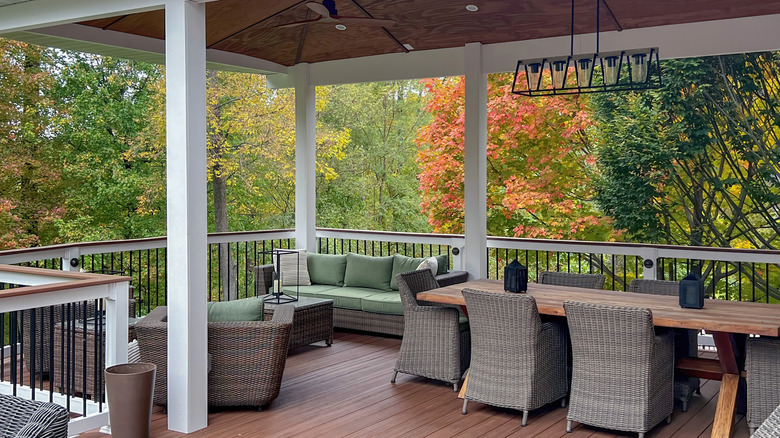
Deciding how to enclose your porch usually comes down to one big question: how much of the outdoors do you want to bring inside? Finding the right fit for your home means thinking about how you'll actually use the space as the seasons change, but what are the best porch enclosure systems? You might be fine with a screened space to keep the mosquitos away in the summer, or you might want a fully enclosed room that stays comfortable even when it's snowing. These choices will naturally shape your budget and determine how much work the project requires.
Many homeowners end up weighing the benefits of a fresh air through a screen against the protection of solid walls that will block the rain. Making the right call involves taking a look at the climate in your area and being honest about how often you'll actually want to sit out there. A great enclosed patio acts as a middle ground between the rest of your home and the yard, giving you a comfortable space to relax that matches the style of your house. Adding this extra square footage can make your home feel bigger while giving the kids or pets a sunny, safe spot to hang out.
Decide how many months you want to use the space
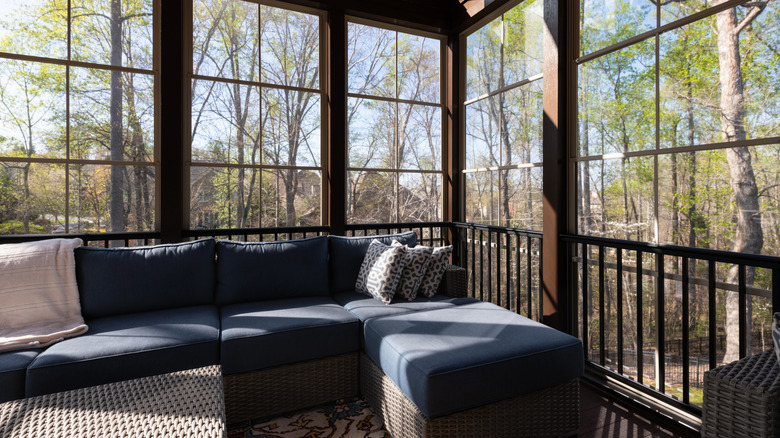
Choosing which months you want to spend in your enclosed porch is the best way to narrow down the choices you have. If your main goal is to get some fresh air without being hassled by bugs, a screened-in area is usually the best option. The downside is that without solid walls, pollen or dust can easily settle on furniture and floors.
Those who deal with freezing winters or sweltering summers often choose a three-season room. These rooms have walls and windows to block the wind and rain, but they're usually not insulated and don't have heating or air conditioning. Because of that, you probably won't be using the room year-round. If you want a space that feels like a true part of the house every single day, a four-season room is the best choice to turn your outdoor enclosed porch into the perfect space. These are fully insulated and, when possible, connected to your HVAC system. If that's not an option, installing a mini split heat pump is another way to keep the room comfortable.
Choose materials that look good and hold up to the weather
How long your enclosed porch lasts depends on whether you want something low-maintenance or a specific look that fits your home's style. Aluminum is a top pick for the structure because it's lightweight, won't rust, and stays in great shape without having to do much to it. It typically comes in several different colors to match your home's existing trim and stands up to heavy rain and snow without much trouble. If you want a more classic look, wood is an excellent choice to turn your front porch into an outdoor oasis, though it often costs significantly more than aluminum due to the price of quality lumber and the cost of labor. You also need to commit to staining or sealing it every few years to keep it from rotting or warping.
When choosing window panels, the main options are glass and flexible vinyl film. Glass provides a perfectly clear view and does a better job of keeping the temperature steady, but it's heavy and carries a higher price tag. Flexible vinyl is a budget-friendly alternative for three-season rooms because the panels are light and easy to open. While you can use standard house windows, specialized porch panels are often preferred because they allow more airflow and can be removed for an open-air porch vibe.
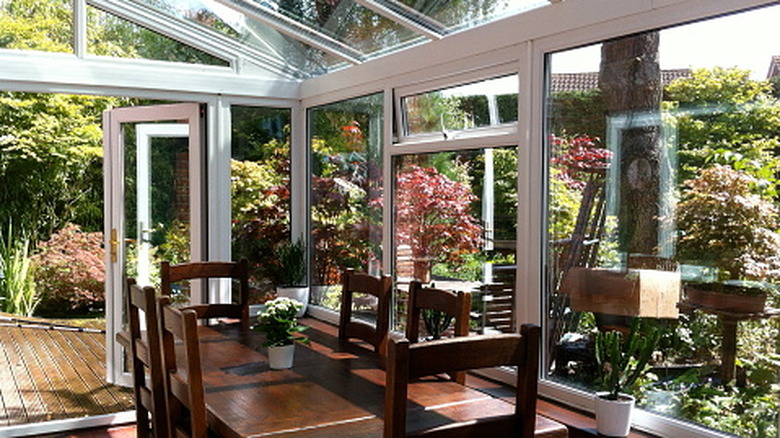
For those who want the maximum amount of sunlight, some porch enclosures can be built with glass walls and ceilings. These full-glass sunrooms provide an unobstructed view, though they require high-performance glass to keep the room from getting too hot in the summer. Picking the right mix of materials from the start means your new space will be functional and look good for a long time.