

15 Housekeeping Norms From Other Countries That Most Americans Don't Practice
We may receive a commission on purchases made from links.
People from different countries clean in many different ways. Stateside, we have our own cultural norms around how we clean and what our favorite products are. However, there is a lot we can learn from around the world to keep our homes in tip-top shape. These are the housekeeping norms from other countries that most Americans don't practice, but we probably should. In some countries, they have special festivities around cleaning. In others, ancient practices guide what they choose to clean, how, and when.
There are plenty of modern cleaning habits that aren't as good as old-school methods. So if you're someone who likes to do things the old-fashioned way, you might be surprised by how many of these ideas from around the world you will feel tempted to incorporate into your cleaning routine. Some of them are hundreds, if not thousands, of years in the making, so they really are tried and true.
Germans practice lüften to keep their homes fresh
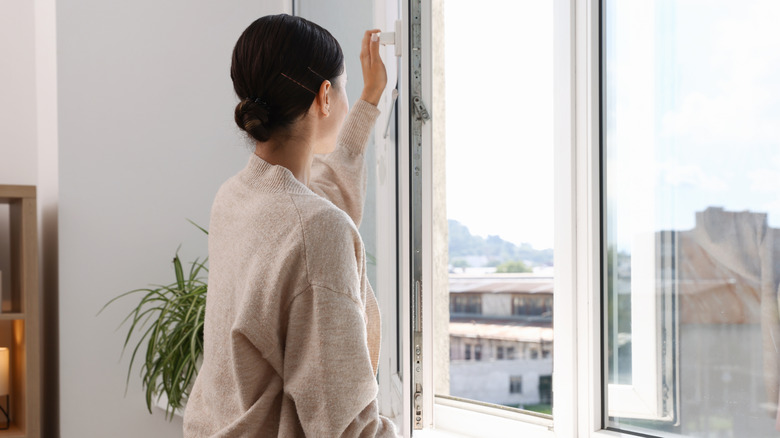
Americans tend to keep the windows closed most of the time, especially since ducted HVAC systems are so common. If you want some fresh air, you might turn on your ceiling fan or start up the A/C to get things moving. However, Germans practice lüften to keep their homes fresh. "Lüften" roughly translates to "ventilate" or "airing out." Basically, they open the windows in their house for a few minutes a day to get things moving. It's such an ingrained part of the culture that renters must often sign leases with clauses promising they will do it.
There is a bit of a science to it, though. Querlüften is a type of cross ventilation. You open windows across from each other to get a bit of a breeze going. There is another kind, stosslüften, which is when you open the windows in the dead of winter to let in freezing air to really freshen things up. Dr. Joshua Nosanchuk, a professor and microbiology researcher at Albert Einstein College of Medicine and an infectious disease physician at Montefiore Health System, told The New York Times that doing this could be great for Americans' health because of the fresh air. "Part of the problem is that we hermetically seal our houses. We don't want the air conditioning to get out and we don't want the heat to get it out," he said. "No one opens their windows."
Australians tend to air-dry laundry instead of using dryers
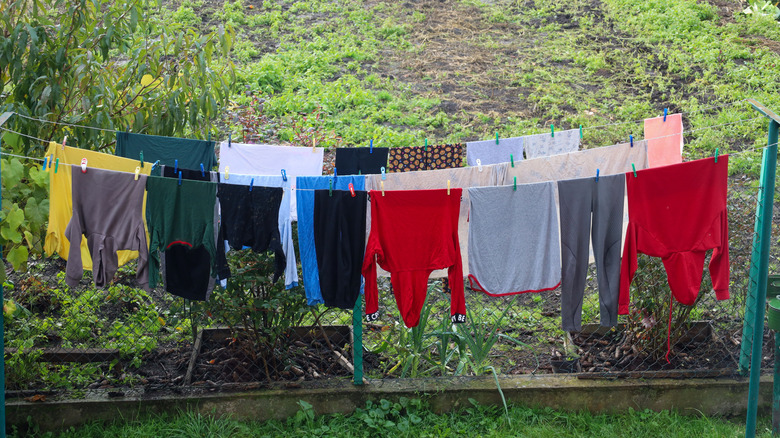
In the United States, lots of people use dryers instead of line-drying laundry. This is typically the norm. However, many other countries, including Australia, use laundry lines above all else. "OMG what? America doesn't hang their clothes on the clothes line ... I thought everybody did," one Aussie commented in response to American influencer Miranda Knows starting the conversation in a now-private video (via News.com.au). "In Australia almost every single influencer I see that does laundry day takes it from the washer and then hangs it up throughout their house on these drying racks," she said. "I just don't understand."
While some Aussies do own a dryer as well, many don't, leaving them frustrated when the weather is rainy or cold for long periods of time, as even drying indoors on something like the Household Essentials X-Frame Clothes Drying Rack can take a long time in damp, dreary conditions. Yet the sun shines often in the land down under, and electricity is perceived as expensive, so many opt for its free heat to do the chore for them. In the States, doing the chore this way can save you a little on electricity, as well as let you enjoy the fresh scent of air-dried laundry.
Swedish people declutter as they age
What is the Swedish death cleaning technique? It's something that started in Sweden and is now popular worldwide thanks to Margareta Magnusson's 2018 book, "The Gentle Art of Swedish Death Cleaning." The book tells the story of döstädning, which translates to "death cleaning." Essentially, it's a special kind of decluttering that you can do as you age. By getting rid of things during your more active retirement years, you can be sure that you have the physical ability to declutter. The method also allows you to ease the burden of getting rid of all your junk from your family when they settle your estate after your passing.
Swedish death cleaning works best when paired with another, more specific decluttering method. For example, death cleaning helps you understand the why behind the need for your house-wide clear-out. What to know before starting Marie Kondo's KonMari organizing method is that it helps you with the how, if you find that you need a bit more structure for the task beyond just "you need to declutter."
Chinese people use feng shui to guide their cleaning choices
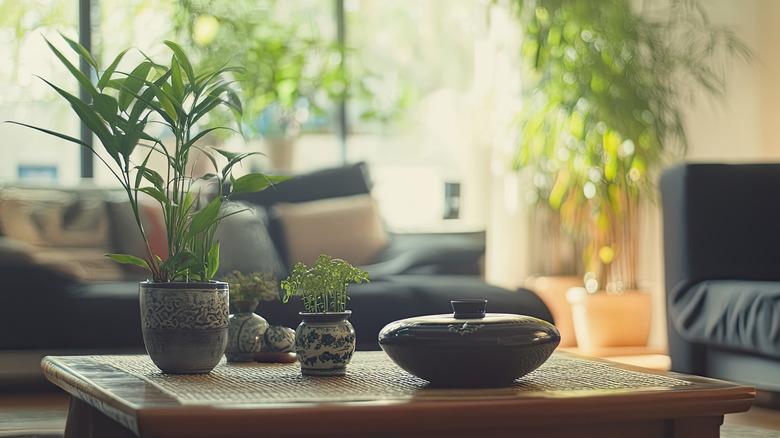
There are features that bring bad feng shui to your home, like lots of clutter lying around or a toilet seat that has been left up. In China, residents use this philosophy to guide the cleaning of their homes, too. For example, they maintain balance by ensuring that the entrance to their homes is tidy and guides the energy (chi) around their space in the correct way to create harmony in the home.
Feng shui typically deals with larger concepts, like how your house is arranged. However, you can also borrow from the Chinese way of doing things by giving even the smallest areas of your house plenty of attention while cleaning. For example, when was the last time you gave your computer keyboard a deep clean? Or wiped down all the toiletries on your bathroom countertop, instead of just wiping the counter? To practice feng shui, give these items deep cleans, too — using a iDuster Compressed Canned Air Duster for the computer or a bleach wipe for the toiletry bottles. Feng shui suggests that by cleaning this way, you are clearing energy blocks on the items, which makes the space overall more inhabitable.
In Thailand, they have holidays for cleaning
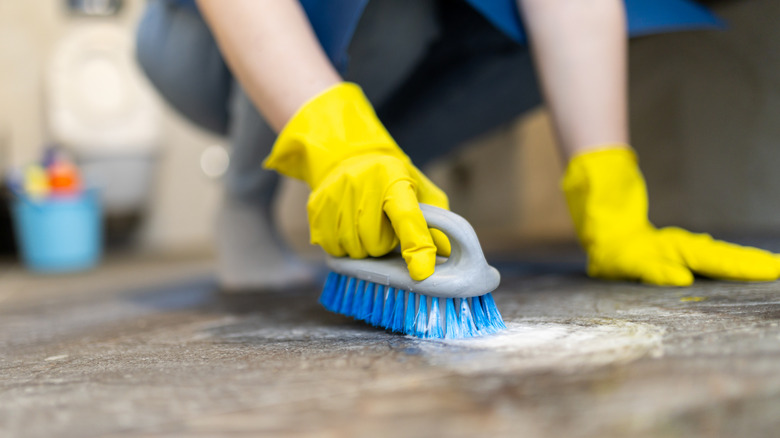
The United States has plenty of holidays that get people cleaning — namely, Thanksgiving if you're hosting the big dinner at your house. However, cleaning isn't technically an official part of the holiday celebrations. In Thailand, Songkran Day is a New Year celebration, held between April 13th and 15th. It is centered around water, and tourists and locals alike flock to the streets to have water gun fights. Included in this, people also cleanse their homes and places like schools and temples as well. This way, they can start the new year off with fresh energy and free from bad vibes.
Stateside, it's a great idea to incorporate this idea into the January 1st holiday as well. New year, new you ... clean house. If you have time off to start the year, use it to give your house a complete refresh. To keep things aligned with Songkran, focus on water-based activities. Scrubbing the grout on your tile instead of just doing a quick clean or washing fabrics that don't get cleaned often (such as couch cushions) is always a good place to start.
Persians 'shake' their houses to prepare for the new year
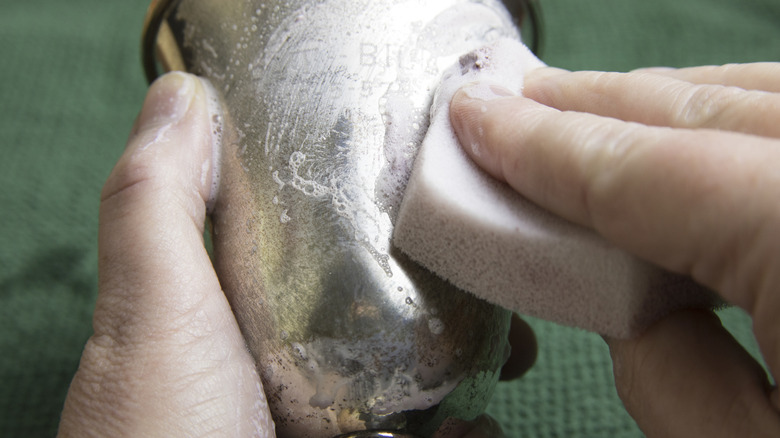
Persia was an ancient kingdom; it was where modern-day Iran is now. Persian New Year, or Nowruz, is when those of Persian descent celebrate the start of spring. It means "new day" in Persian. Traditionally, they do this with the practice of khane-tekani (or khaneh tekooni), which translates to "shaking the house." This is when they clean things in their home that are often overlooked in their day-to-day cleaning. Think: the fine china that is only used once a year, the space under the couch, and the couch itself, too. Anything that hasn't been touched in a while and is in need of some revitalizing.
To incorporate this housekeeping norm into your own routine, take a look around your home at things that haven't been taken care of. They might look clean (who wipes down the outside of their cabinets anyway?), but they're definitely in need of some TLC.
Guatemalans burn both the devil and trash for La Quema del Diablo
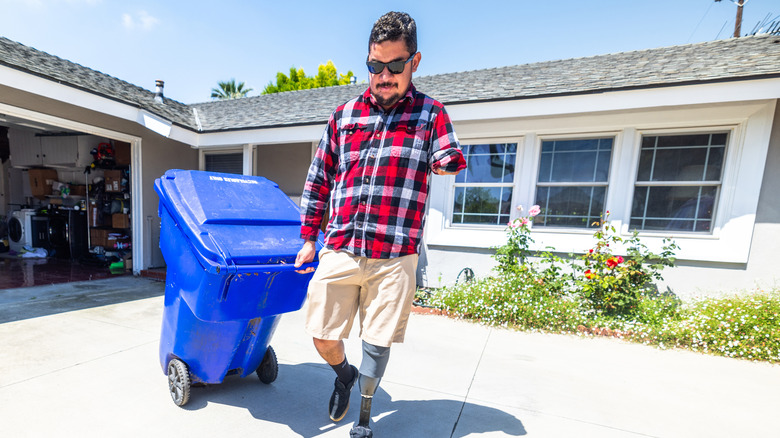
In Guatemala, the traditional festival of La Quema del Diablo ("the burning of the devil") celebrates getting the devil out of the house. Traditionally, he was thought to be hiding in hard-to-reach spots. Sometimes, that's inside the trash. So to make sure they really are rid of him, those participating would rid their homes of all garbage and then burn it — to make sure he is really gone. This burning takes place annually on the 7th of December at 6 p.m.
Burning trash is illegal in many places in the United States, so a literal participation in La Quema del Diablo typically won't be possible. However, participating in the holiday in spirit is still easy and doable. Look for trash around your home in unexpected places: your nightstand that's covered in snack wrappers, food in your pantry that's expired but you haven't looked at in ages, and even things that might have gotten lost under the couch. Remove these items to get the "devil" out of your house and start the holiday season totally trash-free.
Northern Europeans use the snow to clean their wool rugs
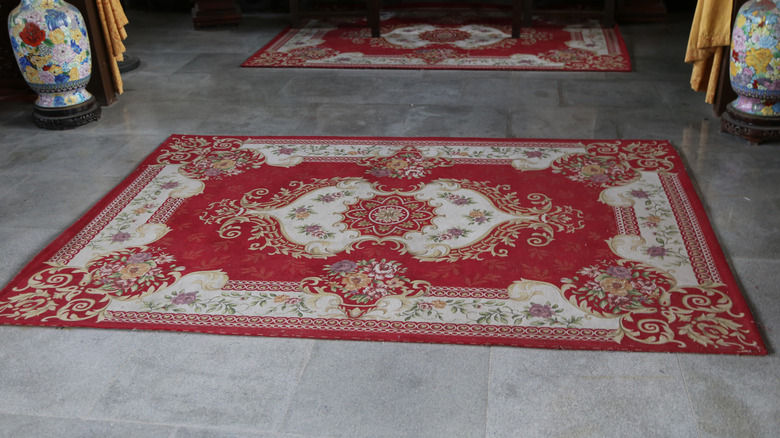
If you have an area rug that can't be thrown in the wash, you might put off cleaning it because washing and drying it is a lot of work. However, many countries in the snowy parts of northern Europe have been using snow to clean their wool rugs for centuries. Nowadays, many households also alternate the practice with more modern options, like vacuuming.
If you live in a snowy part of the U.S., this traditional method of cleaning might be a good addition to your rotation. First, take your rug outside and let it cool down. This doesn't take long, but it makes sure the snow sticks and doesn't just melt into the rug. Next, use a shovel to cover it completely. Let it sit for about 15 minutes and beat the snow off it with the shovel. Then turn it over and repeat on the other side. Then, cover it and leave it in the snow for about an hour. When you remove it, give it a good final beating with the shovel or a broom to really get the dirt off. Brush off any ice. Let it air out overnight by hanging it up (across the porch or on a clothesline), and in the morning, bring it inside.
Germany has rules around when you can vacuum if you live in an apartment

The noise levels of living in a condo or apartment can be frustrating sometimes, especially if you hear your neighbor's vacuum or dryer alarm through the wall in the middle of the night. In Germany, there are rules in place to make sure that this isn't the case. There is a special time of day called Ruhezeit that essentially functions as community-wide quiet hours. During Ruhezeit, you can't do anything that is loud and might disturb your neighbors, like vacuuming or using noise-generating tools. Sometimes, there are exceptions for laundry, but it varies based on the specific rules for your building.
It's harder to institute Ruhezeit if you live in an American apartment building. As one of our tips for getting along with difficult neighbors is definitely not to dictate their cleaning schedules. However, if you live with roommates, the practice can help you to avoid conflict. Having predetermined quiet hours means that they won't be running the vacuum (or blender) at 6 a.m. on a Sunday.
Brazilians wet the floor before sweeping
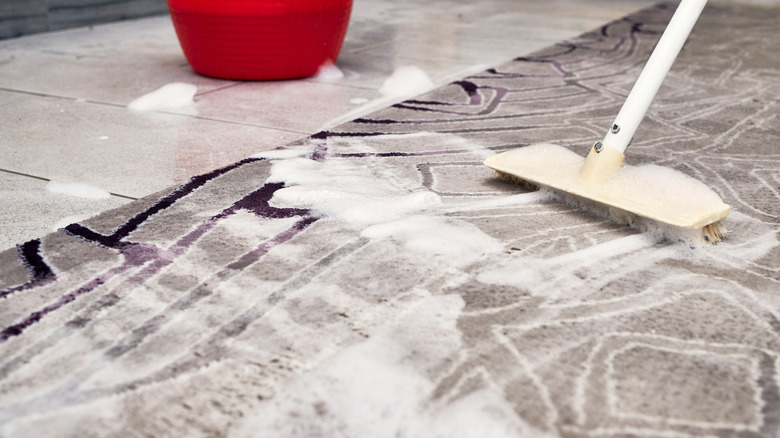
Many in Brazil do not have carpet inside their homes. Instead, their floors are made from a compact layer of dirt. Because of this, they use a cleaning trick that combines mopping and sweeping into one to get crumbs out without causing any extra dust. They wet the ground first (but don't soak it because it shouldn't turn to mud), then use a broom against the damp surface to gather up trash and other spills. In homes that have tile instead, the same sort of principle applies. Brazilians wet the floor first, then use the sharp bristles of a broom to scrub the floor before sweeping the water (and grime) out of the house.
Stateside, Americans can learn from this by using more vigor when cleaning their tiled floors. Instead of just using a Swiffer or soft mop to wipe the surface, getting things really clean will take a little bit more elbow grease. The AIR U+ Floor Scrub Brush with Long Handle is a good way to add friction to your mopping routine.
Danes clean their houses to get cozy for the winter
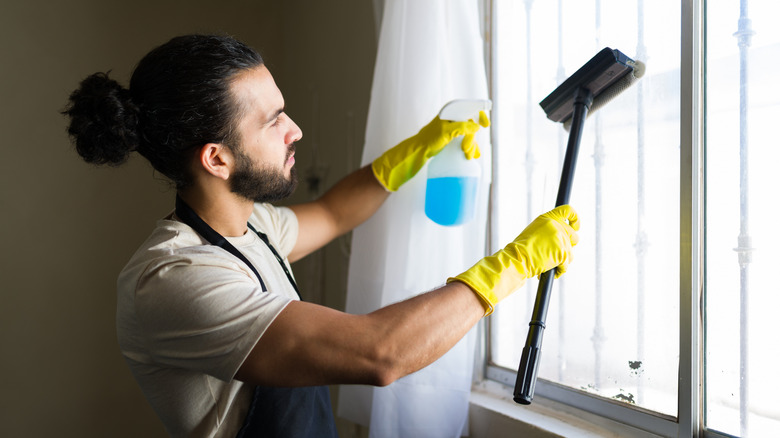
When nights start getting longer and the temperatures begin to drop in Denmark, the Danes have a tradition called Hyggelig Rengøring, which translates to cozy cleaning. This is a form of nesting that makes the house more comfortable as families begin spending more time inside for the season. They start by decluttering the main living spaces, keeping them clear for long hours of enjoyment. They also give each of their home's windows a good scrub, so the little bit of sun that peeks through in the Danish winter can stream right in without being blocked by grime. Once the spaces are clean, the final step of Hyggelig Rengøring is to make sure there are plenty of cozy things around, like blankets and pillows to relax with during the cold.
To recreate this at home, try using an eazer Professional Window Squeegee instead of paper towels to avoid leaving any fuzz behind. You can also use a MIDDLE ONE Floor Pillow Set to keep things a bit more comfy when lounging on the floor in front of the fireplace.
Mexicans prepare dining spaces for the fall
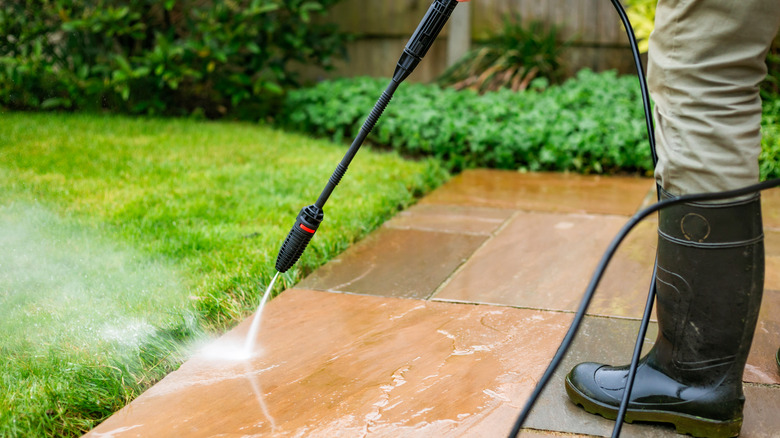
The Mexican tradition of Cosecha Limpia is about getting the house ready for harvest season. Translated as "clean harvest," the practice comes from rural parts of the country. It typically takes place in the fall, from September to November. Mexicans take great care to get the parts of the home that are used for food preparation and hosting in tip-top shape. They prepare the kitchen and dining room, and the patio and porch, too.
This is the perfect housekeeping norm to incorporate into your cleaning routine, as fall brings a lot of hosting in American culture, too. A great place to start for a Cosecha Limpia of your own is to deep-clean your pantry and refrigerator. This way, you'll only have room for what you need for all the upcoming gatherings. For the outdoor areas, consider pressure washing your patio to remove dirt and grime. However, be sure to avoid the common mistakes everyone makes when pressure washing, like forgetting to wear protective gear or using the wrong-sized nozzle for the surface they are cleaning.
Japanese children learn about cleaning at school
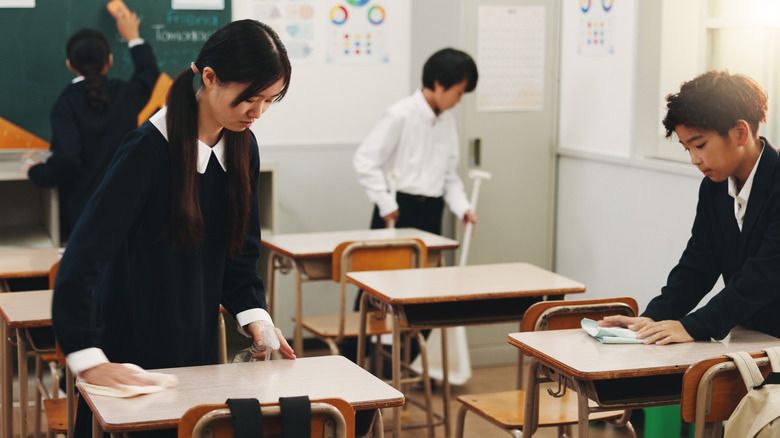
In Japan, it's a housekeeping norm for schoolchildren to be taught the basics of cleaning at school ... by cleaning their schools. "I sometimes didn't want to clean the school," freelance translator Chika Hayashi told the BBC. "But I accepted it because it was part of our routine. I think having to clean the school is a very good thing because we learn that it's important for us to take responsibility for cleaning the things and places that we use." They keep the hallways clean, as well as the toilets and their classroom, too. This is meant to teach the children order and discipline, plus respect for their spaces by keeping them nice.
To implement this at home, you can get your children involved in keeping the house nice and tidy at a young age. There are plenty of simple ways to get those living in your home involved with household cleaning, no matter how old they are. One of the easiest ways is to create a chore chart with age-appropriate rewards, like stickers or special desserts for completing all their tasks. To make things even easier, make sure you have the proper tools to get the job done. For example, you can grab kid-sized brooms and dusters, like the HELLOWOOD Kids Cleaning Set, that are easier for their small hands to handle.
The British tend to wash dishes by hand ... and leave the soap behind
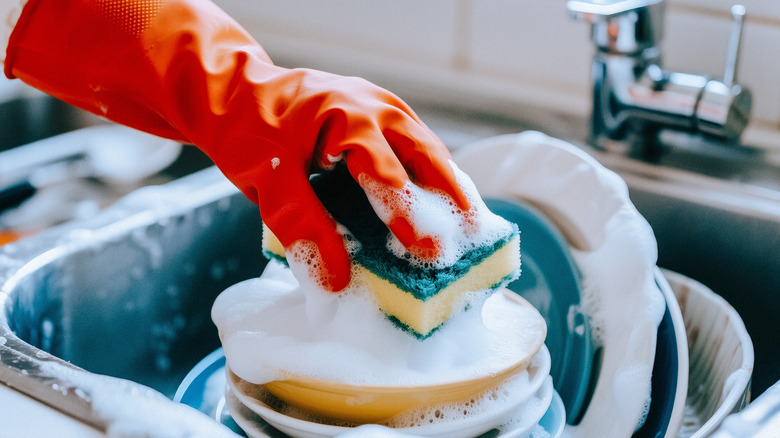
Most of the housekeeping norms from other countries on this list are worth incorporating into your cleaning routine. This one isn't, but it's too fun not to include. While plenty of British folks have dishwashers, many still choose to do their dishes by hand. It's called "washing up." However, something unique about the technique in the UK is that they don't tend to rinse the soap off their dishes. Instead, they fill the sink with hot, soapy water and scrub the dishes in it. Without rinsing in running water, they place the dishes on a drying rack and call it a day.
While Brits tend to heartily defend this way of doing dishes, cleaning experts aren't so sure. "Theoretically [this method] should allow the water to 'carry' the soap molecules and dirt with it as it flows off in the drying rack," Toby Schulz, CEO and co-founder of Maid2Match, told Delish. "[But] not all the water will run off—some of it will evaporate or dry on the dishes instead," he says. Plus, ingesting soap all the time can't be good for you, either. Better to rinse dishes in running water if you clean them by hand.