

No More Solid Patio Pavers: The Solution That Improves Drainage & Looks Better
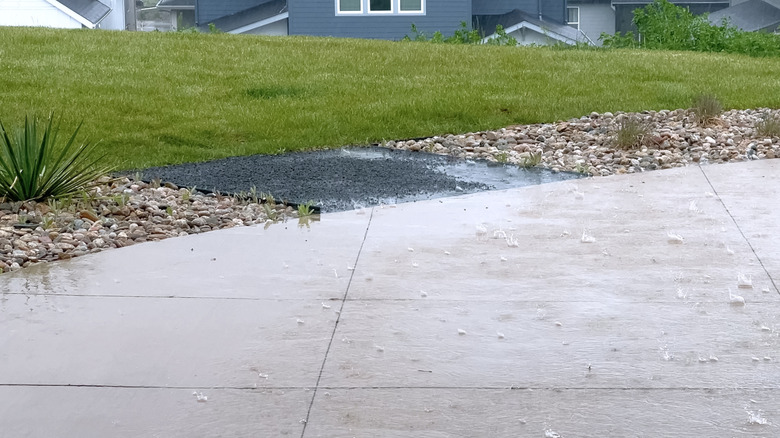
If you're experiencing flooding around your home you're no doubt looking for better solutions to this problem. Perhaps you've tried a dry creek bed, or redirecting your roof rainwater to a rain garden and it helped the water pooling on your lawn — but your solid concrete patio still isn't draining during storms. There's an attractive option you should consider adding to your rainwater management approach — permeable pavers, one of the useful drainage solutions that can help prevent overflow of stormwater. This hardscaping approach is better for your local watershed, and it can help to beautify your outdoor space.
Also known as porous paving, this solution addresses a problem created by large areas covered in concrete that cause water to pool and flow along them until it ends up in the local sewer system. Using a permeable option is an idea you should consider for your patio pavement because it improves drainage and allows rainwater to infiltrate into the soil. There are many types of porous choices – including permeable pavers which in addition to their use in patio hardscapes, can serve as a driveway material that looks upscale.
Permeable pavers help drain rainwater and snowmelt
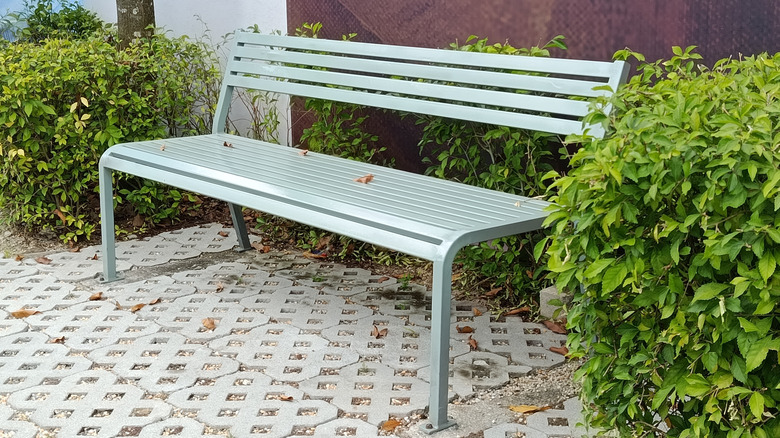
Unlike with impervious surfaces which don't allow water to pass through them, hardscaping with permeable pavers is an attractive way to let moisture drain down into the soil — and up to 100% of rainfall can filter through this type of pavement. There are different options for porous paving available for DIY projects, including pervious concrete blocks and interlocking pavers. The project area has to first be excavated so you can lay down about 10 inches of gravel beneath the blocks, and you'll want to put down some filter fabric between the soil and the gravel. Overall, you should expect a lifecycle cost of around $2,500 for permeable paving for a typical patio measuring around 200 square feet — that price includes materials as well as labor and maintenance.
If that number doesn't seem worth the investment, consider that there are additional pluses to building this type of patio beyond just improving drainage and benefitting your watershed. One unexpected advantage of taking the pervious approach is that this solution can actually make surfaces less slippery in the wintertime, since snowmelt won't pool up and cause thick sheets of ice. Likewise, summer will also see a benefit with this type of surface — because the pavers aren't solid concrete, they don't hold as much heat, so they can help you keep your yard cooler. But before you start demolishing your concrete patio to install permeable paving, make sure your soil is effective at infiltrating water at the project area to ensure the pavers will drain stormwater well.