

16 Red Flags To Look Out For When Shopping At The Thrift Store
Whether you're a seasoned pro or newer to thrifting, it's easy to get caught up in the excitement of finding rare, valuable treasures. Unfortunately, there are also lots of bad buys lurking on the shelves. And it's not always easy to tell the treasures from the trash. For example, you could focus on the vintage brands that are always worth buying at thrift stores, but there could be knock-offs, or an authentic piece could be in poor condition. That's why you need to know the common red flags in secondhand stores, like bad odors, stains, pest infestation, and pricing issues.
Thrifting is supposed to be fun and can help you save money on furnishing your home. Secondhand home decor is often unique and allows you to reduce waste by saving items that someone else doesn't want and reducing resource consumption. But it can also be overwhelming. There are etiquette rules you should always follow when thrift shopping. And then there's the worry of being tricked by a worthless item. Checking out our red flags for thrift shopping can take some of that apprehension out of the experience.
Signs of bed bugs or other pests
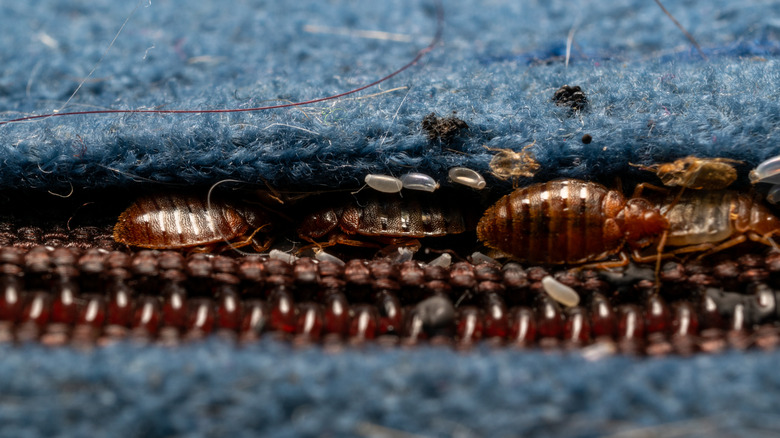
Any sign of previous bed bug infestations (or other pests) is a good enough reason to leave a piece behind. The problem is that bed bugs aren't always easy to spot, especially when they hide in stitching, seams, and dark corners. Even one infested donation could spread to everything in the thrift store. Beyond bed bugs, possible pests you could bring home include cockroaches, moths, and fleas.
There are several tips and tricks to avoid bringing home bed bugs in your next thrifting haul. Inspecting the items thoroughly, especially along seams, edges, frames, undersides, and drawers, could help you spot bugs or their shells and eggs. It helps to have a flashlight and magnifying glass to spot the tiny pests. Look for small, dark spots or areas that look dirty. When you bring home items, put anything washable, like removable pillow covers, into the washing machine for a hot wash and dry cycle. Quarantine items that you can't wash; vacuuming them well can remove lingering pests. Steamers also work well for killing bed bugs in crevices.
Upholstered pieces that have pet hair embedded in them
Pet hair can become deeply embedded into fabric upholstery, so even if there aren't clumps of visible hair, there could be strands deeper in the material. To the average person, random pet hair on a secondhand sofa might merely be gross. But if you're allergic to pet dander, bringing home a fur-covered upholstered piece could make you feel miserable. And you could experience allergic reactions for up to six months. If pets lived in the home, there's also the chance they had accidents on the furniture, which could leave behind bacteria.
This is another issue where a detailed inspection is key. Pick up cushions and examine the crevices for pet hair. It might not be easy to spot if the furniture was vacuumed. If you have a lint roller with you, run it over the upholstery to see if you pull up pet hair. Smelling pet odors on the piece can also be a red flag.
Major stains and discoloration
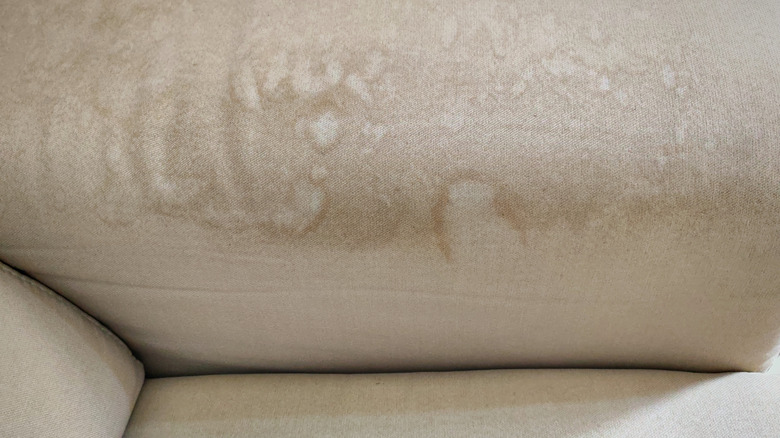
While there are many ways to bring your furniture back to life, some stains can't be removed, no matter how hard you try. Stains that happened long ago could be stubbornly set into the fibers. And even worse, those spots could be mold growth — liquids spilled on the furniture could provide the moisture to help mold spores thrive. Some patches of discoloration could actually be mold you're seeing, especially on wood.
If you're considering a discolored item, try to determine if there's already mold growing. See if you notice a musty smell. Green, black, or white spots are often visible mold growth. You might feel a damp or soft sensation on the fabric. If you have mold allergies, you might notice irritation when you get near the piece. If it passes the mold test, stains could possibly be removed if they're newer. However, you could get stuck with a damaged piece or one that needs to be reupholstered.
Strong odors coming from items that can't be easily washed
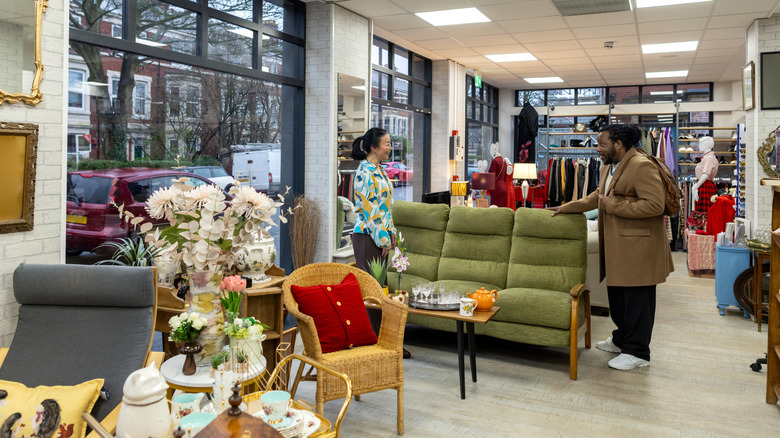
If you notice something funky about the smell of a secondhand piece, take that as a red flag and continue your search. Some thrift stores have a unique smell to them anyway. But what you're looking for is a distinct smell emanating from a particular item. That odor could indicate deeper issues, like pet dander and mold. Or it could just make your house smell funky permanently.
We already discussed how musty odors can indicate mold growth. If the item was previously owned by a smoker, you may notice the overwhelming smell of cigarettes or cigars in the fibers. Pet smells are another common offense committed by secondhand goods. You might be able to deodorize some home furnishings, like machine-washable curtains or slipcovers. But if you're dealing with a smelly furniture piece that you can't toss in the washer, it might not ever smell good enough for your home.
No visible price tags
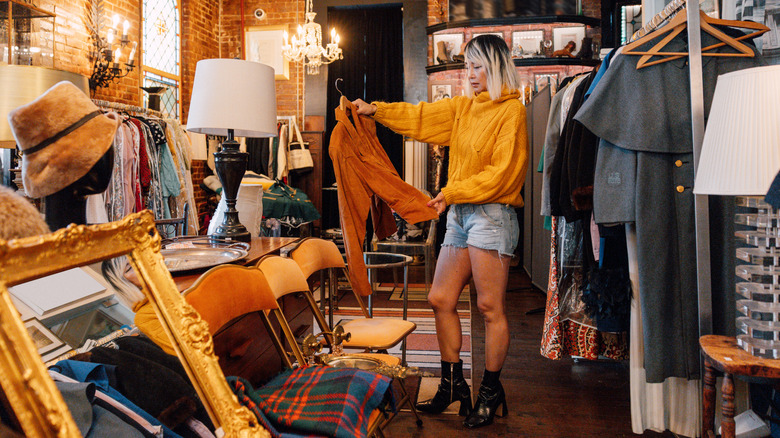
You should definitely be on high alert if a thrift store doesn't have items visibly priced. Some sellers use this as a strategy to take advantage of buyers and increase the price for random reasons. The last thing you want to do is pay more just because the owner feels like charging you extra. Not to mention, there are common thrift store items that are always way too expensive in the first place.
If you encounter this situation, keep an open mind. Some thrift stores have shifted to different pricing methods to deter tampering with the price tags — shoppers might switch tags with a lower-priced item or change the price on the tag, for example. For items that can fluctuate in value frequently, leaving off a tag initially allows the seller to check the fair market value at the time of the sale. Other sellers might try to up the price based on what they think they can get from a buyer. Consider walking if the staff acts suspiciously, doesn't want to give you a straight answer, or seems to pick a random price.
Underpriced items that sound too good to be true
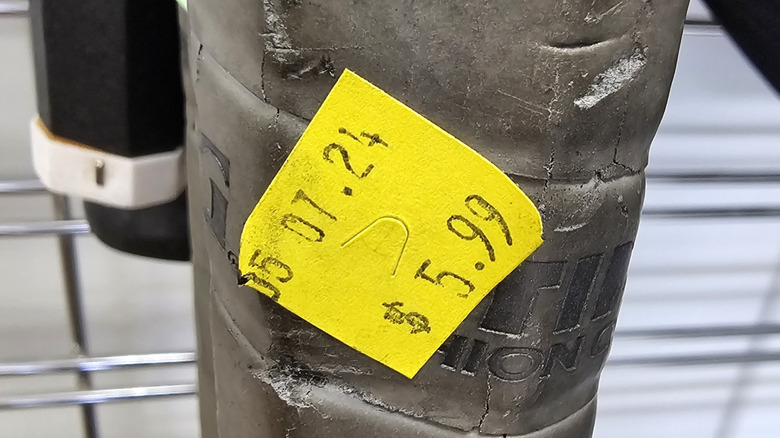
A surprisingly low price on a thrift store item might seem like the treasure you've been waiting for, but if the low prices are persistent, you could be getting scammed. The inventory could be fraudulent versions of high-end or high-value items being marketed as the real thing. That real diamond bracelet that's marked at $50 is likely made of cubic zirconia. And that Louis Vuitton handbag priced well under market value is more likely a Louise Vuillon or some other made-up version. If it were authentic, you'd be getting a steal, but even at the lowball price, you're likely paying too much for a knock-off.
Authenticity tests to try before buying an item at the thrift store help determine if you're dealing with the real thing. High-end materials often weigh more than cheaper plastic or resin versions, for example. Real leather upholstery has the distinct leather smell and natural imperfections, including lumps on the surface rather than being perfectly smooth. Show up prepared to check the authenticity of items to avoid being scammed by something that's priced too good to be true.
Structural issues with furniture or other pieces
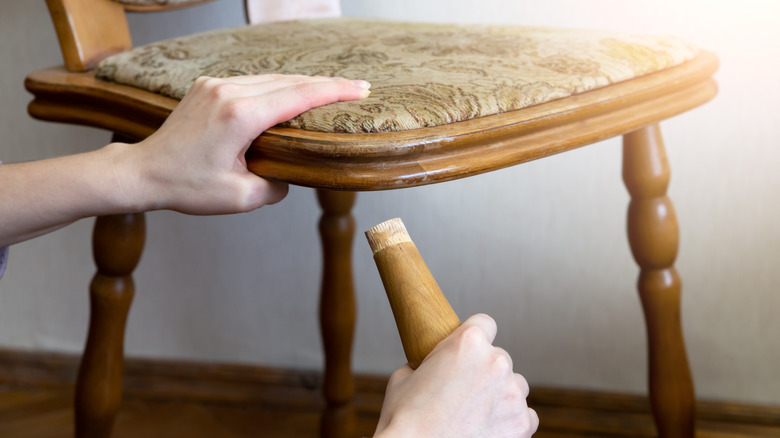
One of the best tips on how to spot valuable, high-end items at thrift stores is inspecting the construction in great detail. During those inspections, you might come across wobbly legs, separated joints, gaps in the wood, soft spots, or gaps in the seams. Sure, many issues can be repaired if you have the skills and the time, but that's not always the case. Older items could be particularly difficult to fix if replacement parts aren't readily available. It can also be difficult to match materials or finishes if you're working with older items with natural wear and patina.
Of course, older items, especially those made of wood, will develop scratches and dings — to many people, that's part of the charm of vintage buys. Focus on the safety and structural integrity of the piece to identify potential red flags. A broken or missing support piece, for example, could weaken the piece. Check things like doors and drawers to make sure they function correctly. If there are repairs to be made, make sure you're comfortable doing them and have the time to squeeze in the work.
Items that are trending on social media

Whether it's a piece from a viral TikTok or a Pinterest Pin that gets saved thousands of times, specific vintage items that start trending on social media may also start trending upward in price. It makes sense: A creator shows off how amazing the item is in their home, so, naturally, others want that same enjoyment. But secondhand outlets will often take advantage of the online buzz and hike up the prices.
Skip those trendy items that are temporarily overpriced. We all know how quickly viral TikToks cool off; most people will forget about that trendy vintage find by next week. Meanwhile, you'll be stuck with a less trendy item that you paid way too much for. And you might realize you got caught up in the hype when the item really doesn't even fit your aesthetic or bring you joy. Instead, stick with timeless items and unique pieces that fit your style and make you happy, even if social media users aren't drooling over them.
Lack of maker's marks, artist's signatures, and other indicators of worth
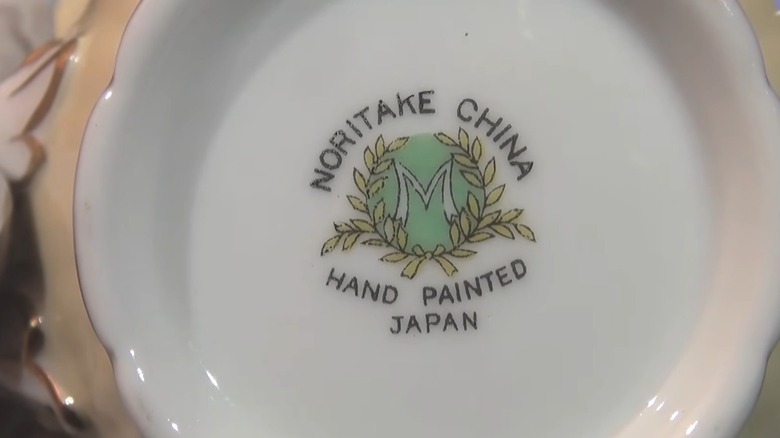
At the thrift store, you'll find items that look like they could be authentic antiques, but you're not quite sure. If you love something enough, it might not matter whether or not it's real. But if you're in it to collect authentic vintage pieces or specific brands that are in high demand, you'll want to know if they're real. A lack of specific markers could be a sign that they're replicas.
Older items, like pottery, dishware, and furniture, often have distinct maker's marks, which can be stamped with ink, engraved, burned onto the item, or attached as a label. The marks vary and could include the craftsperson's name, the brand, a date, or other details. You'll likely need to research the specific item to see if the maker's mark looks legitimate. Another fast and easy way to tell if your thrift store find is authentic and valuable is by doing a reverse image search with Google.
Rugs with stiff or stained backing
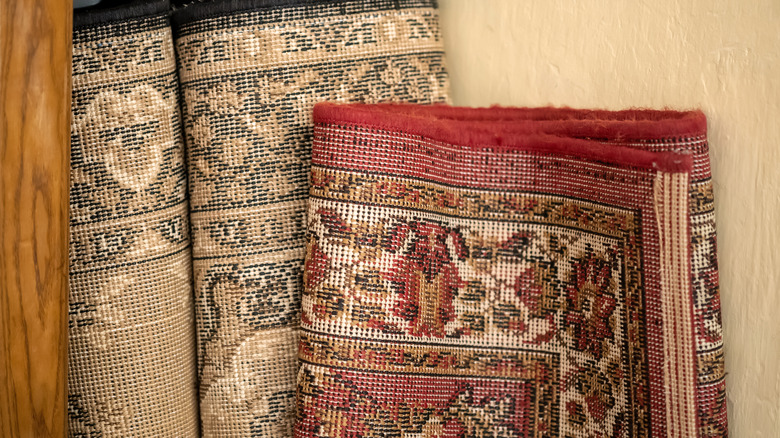
If you're looking to buy a secondhand rug to save money, make sure you see the piece fully unrolled so you can inspect it properly. The front of a rug often gets the most attention — of course, you want to look for extensive wear, thinning, staining, unraveling fibers, and other potential red flags. However, the backside of the rug could hide some potential secrets that are important to consider.
If something spills on a rug, it often leaves discoloration on the rug backing, even if the stain is removed from the front. That could include pet stains, which could cause the rug to smell. It's often very difficult to remove the odor from a rug, especially if it's set in. Perhaps even more critical is dry rot, which often shows up as stiffness on the backing and a cracking sound when you bend the rug. Dry rot breaks down the fibers on plant-based rugs, and there's no way to reverse the damage.
Frayed, damaged, or outdated electrical wiring
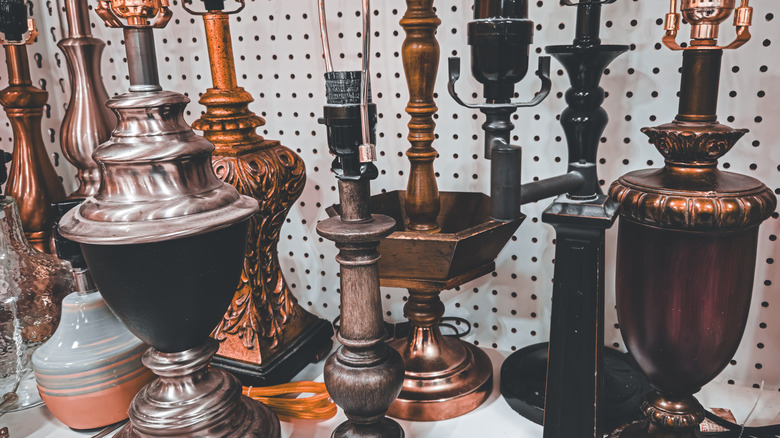
Lamps, light fixtures, appliances, and other electrical items are often plentiful in the secondhand market. Some are completely out of style and would never come home with you. But other vintage lamps or light fixtures could light up your home in a unique way. The problem is that if the item is too old, the wiring could be frayed, and it might not meet current safety codes. It can be an even bigger red flag if the thrift store won't let you plug in electrical items to test them out for yourself.
It's best to leave an electrical item that the store won't let you test out. Beyond testing, take a close look at the full length of the cord to check for damage. You still might be tempted to pick up a unique piece, like a vintage lamp, even if the wiring is suspicious. There is one question to ask before buying vintage lighting: Is the fixture worth the cost of rewiring? If so, you might still make the purchase.
Sticky or tacky finishes
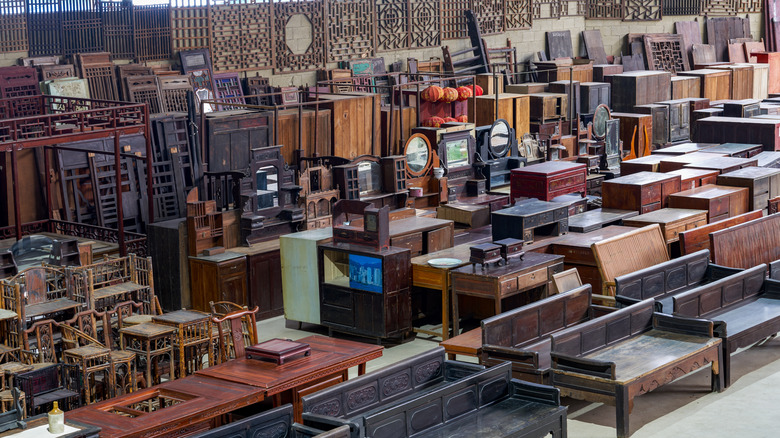
Wood pieces often feel a little more approachable in a thrift store. They're easy enough to wipe clean and won't likely have the same issues with embedded pet hair and odors that upholstered pieces have. But there are still red flags to consider, including how the finish feels. Sometimes, the surface feels a little tacky or sticky to the touch. It's easy to assume the piece just needs a good cleaning, but that unpleasant feeling could be a sign of an issue with the finish.
Sometimes, the tackiness is due to problems during the application and curing process. The products used might have been bad, for example. Or, the finish might not have cured correctly due to high humidity levels or not waiting long enough for each layer to dry. If you're looking at an older wood piece at the thrift store, a soft, tacky feeling could mean that the finish is breaking down and weakening. These issues often require the piece to be refinished.
Items that could potentially be dangerous or recalled
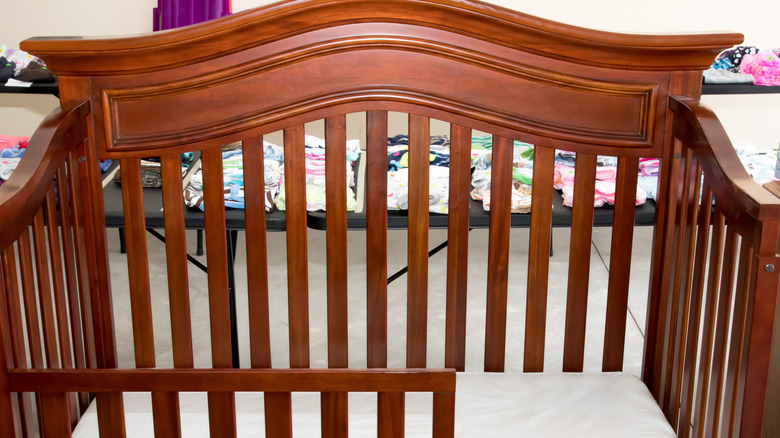
When an item that's still in production is recalled, it's pulled from store shelves. Thrift stores and resellers are supposed to look out for recalled items, but it's possible that some could still make it onto the shelves. Items used by or for kids, and items that you plug in, could be potentially very dangerous if they're recalled.
It's often best to avoid buying items like cribs, car seats, baby bouncers, and other items that face strict safety guidelines and could potentially be recalled. If you are considering an item that could be dangerous if something's wrong, search for recalls on the item before buying it. Even if there hasn't been a recall, it's possible that the item isn't in perfect condition. For example, a car seat could have gone through an accident, or a crib might be missing essential hardware. Being extra careful with these types of purchases is always best.
Items that contain lead or other dangerous components
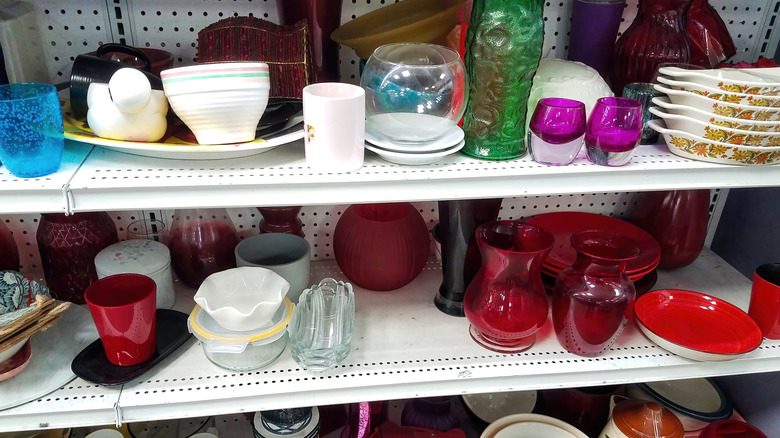
Lead is the potential hazard that could be hiding in your thrifted mug collection and other vintage glassware. It particularly becomes a problem in containers meant to hold food, like cups, plates, or serving dishes. The lead could transfer to the food and cause health issues over time. It's particularly dangerous if you store something in a container with lead for a long period.
If you're in the market for vintage glassware that you want to use with food or drinks, take a lead testing kit along with you when you thrift. Leaded glass also tends to look a bit like the rainbow and makes a high-pitched ringing sound. Or, buy the items if you're okay with them as just decorations, and test them at home. If they do end up having lead, you can still put them on display. Or, avoid vintage glassware completely in favor of newer finds.
Lack of documentation for a specific claim
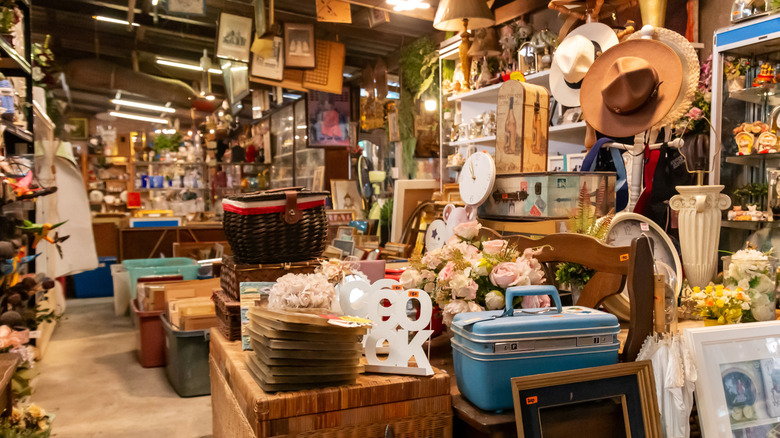
A seller may mark up the price of an antique item if it has a storied past or a specific claim that could make it worth more. They might claim that an antique wooden chest was owned by a local celebrity in the early 1900s, for example. Autographed items, like baseball cards, books, or vinyl albums, also fall into this category. Sellers might also try to pass off paintings as original artwork. If there isn't any documentation or proof to support those claims, you should be suspicious. It's still possible that the claims are true, but you need to be aware that they could be false.
Ask an employee if they have any type of documentation for a significant claim before you make a purchasing decision. This could be a receipt to show when an item was purchased as a verification of its age. A certificate of authenticity might be available to prove that an autograph is real or that an item really is a name brand. Provenance is documentation that shows the ownership of an item and could include letters or family records. If these items aren't available, decide if you're willing to take the risk of the item not being authentic, particularly for the price point that the seller is asking.
Bad reviews or a negative reputation

Checking the track record of the secondhand retailers you visit can help you spot red flags. Check Google Reviews for local brick-and-mortar thrift outlets to see how they rate overall and to check specific comments. Keep in mind that a few bad reviews could be a fluke — some people will complain about anything. However, if you notice common themes in the reviews, such as frequent price gouging or fraudulent items, you'll definitely want to be on high alert.
When you're shopping an online thrift store or buying from a business on a selling platform, check the ratings and reviews there, along with any sales history. Sites like Etsy provide sales statistics that you can use to determine how much the person sells online. It can be particularly helpful when shopping online since you can't see the items in person before purchasing. You want to know you're buying from a reliable secondhand source.