

11 Dwarf Citrus Tree Types That Flourish When Grown In A Pot
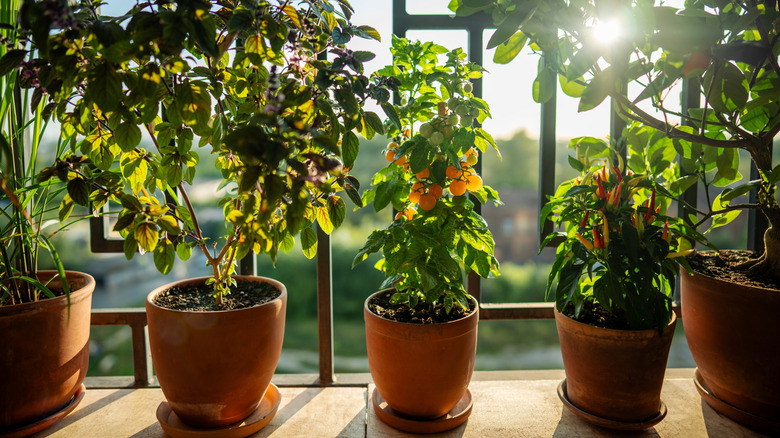
Having your own citrus garden can be extremely rewarding — few things compare to the scent of citrus blossoms or the satisfaction of picking fresh fruits straight from a tree. Unfortunately, not every gardener has the space to grow a 25-foot tree, and many climates aren't suited for outdoor citrus groves. Thankfully, many nurseries offer dwarf or semi-dwarf varieties that remain compact when grown in a pot. These varieties are grafted onto dwarfing rootstock, forcing the plant to stay under 10 feet tall for dwarf varieties and under 15 feet tall for semi-dwarf ones. While the plant stays compact, the fruit typically maintains its size, flavor, and color.
The compact size of the dwarf citrus trees is not their only great benefit; these plants also mature much faster than standard trees, sometimes producing fruits in as little as a year. They don't require much pruning because of their manageable size. Because they are grown in containers, they can be moved indoors or onto a sunny patio when conditions are not ideal. This flexibility makes it easier to grow citrus in a wide range of climates.
To ensure that your plant is healthy and produces an abundance of fruits, plant your dwarf citrus tree in a fast-draining citrus potting mix to help it flourish. You should also be aware that some pots, like terracotta pots, will drain water much faster and might require more frequent watering.
Calamondin
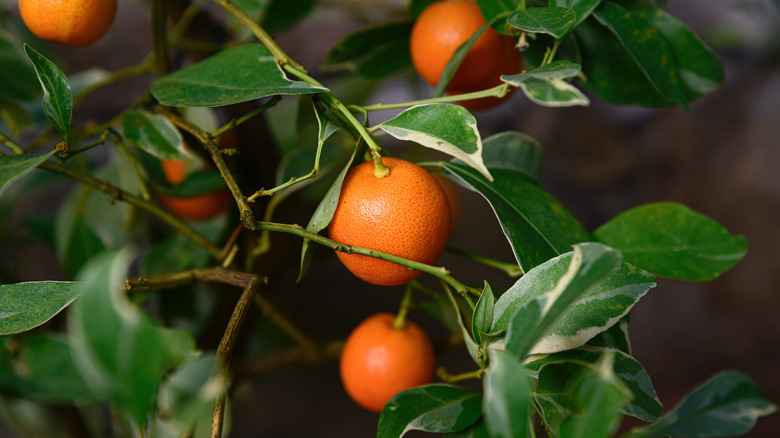
Calamondin (Citrus × microcarpa) is widely regarded as one of the best beginner-friendly dwarf trees. The plant is naturally compact and typically stays around 2 to 4 feet tall. Many gardeners even use it as an ornamental plant because it can hold its golf-sized fruit for up to a year. With proper protection, Calamondin has a relatively good tolerance for cooler temperatures. If you're growing Calamondin indoors, try to provide at least eight hours of direct sunlight or sufficient artificial lighting. You also want to water plants about twice a week in summer and every 10 to 14 days in winter.
Kumquat
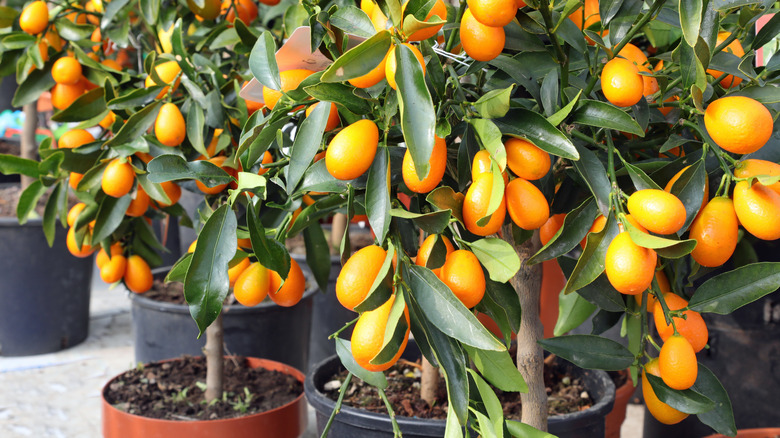
Another easy-to-grow container tree is the Kumquat (Citrus japonica). These plants are self-fertile, meaning a single tree can produce fruit. They are well suited to southern states, like Florida and Georgia, where warm, humid conditions are common. Dwarf kumquat trees typically reach 4 to 8 feet, though smaller varieties like 'Nagami' and 'Meiwa' stay under 4 feet tall. Kumquat has similar care requirements to Calamondin, including cold protection and at least eight hours of direct light. However, they need regular and consistent watering depending on the temperature, sometimes up to four times a week in hot summers.
Owari Satsuma Mandarin Orange
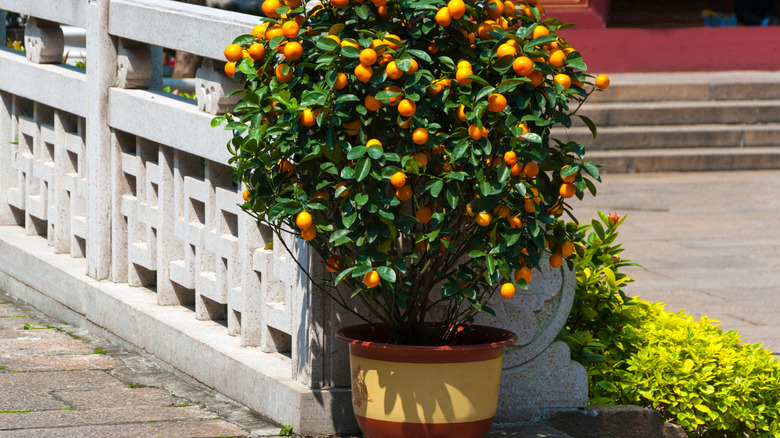
One of the most cold-hardy citrus trees is the Owari Satsuma mandarin (Citrus unshiu Marcovitch). These trees can withstand temperatures as low as 12 degrees Fahrenheit. However, they are less tolerant of hot climates. They are highly productive and produce seedless, easy-to-peel mandarins. When grown in a pot, semi-dwarf Owari Satsuma trees can reach 8 to 15 feet, though smaller dwarf varieties are also available. Owari Satsuma trees need about six to eight hours of direct sunlight. Water deeply and consistently during the first two years as the tree matures.
Kaffir Lime
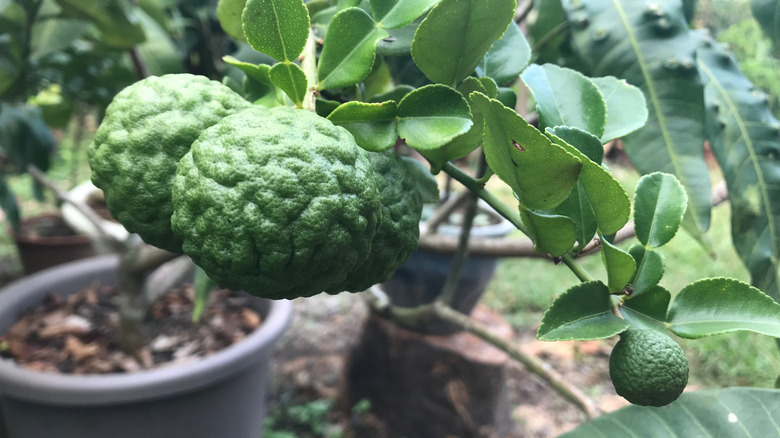
Kaffir limes (Citrus hystrix), also called Makrut limes, are a popular citrus option for container growing. They produce dark green, round fruit with a bumpy texture. Kaffir lime trees are known for their fragrance and thick, distinctive foliage that is also edible. Some varieties can stay under 5 feet in containers with regular pruning. Their tolerance for cooler conditions is lower than that of kumquats or satsumas. These trees perform best in full sun and benefit from good airflow. Keep the soil moist by watering the plant thoroughly whenever the soil starts to dry out.
Key Lime
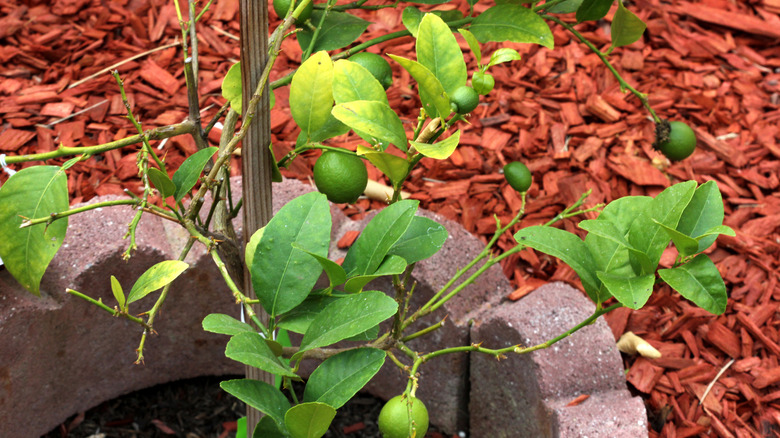
Key lime trees (Citrus × aurantiifolia) are naturally compact and perform well in containers, typically reaching roughly 6 feet tall in large pots. They are self-pollinating and can bear fruit within one to three years. However, they typically produce fewer fruits than trees planted in the ground. They are less cold tolerant than many citrus trees and can be damaged by extended temperatures below 32 degrees. It's recommended to bring the plants indoors before the first frost. Like Kaffir limes, they require full sun and well-drained soil. Watering frequency depends on how quickly the soil dries.
Eureka Lemon
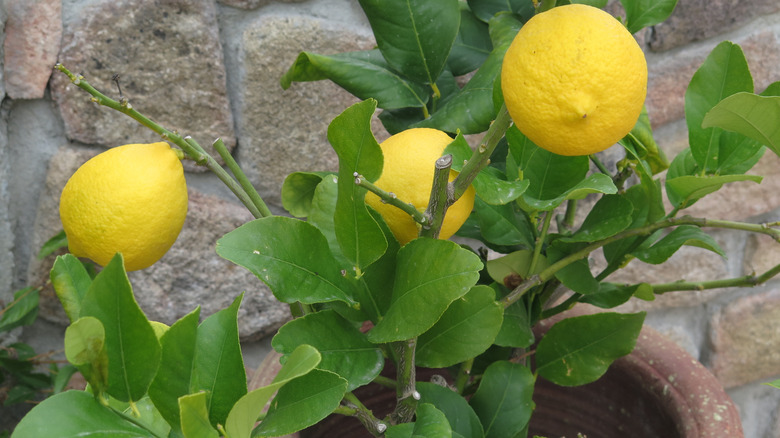
Dwarf Eureka lemons (Citrus limon 'Dwarf Eureka') are a solid choice for container gardens. These plants typically mature at 4 to 6 feet tall in large pots. You can even train this variety to grow like a bonsai for extra space. They are moderately cold-hardy and can withstand light freezing temperatures when protected. Eureka lemons also produce fragrant white flowers that grow into yellow fine-grained fruit. To thrive in pots, they need mineral-based soil and regular pruning. It's also essential to keep them in direct sunlight and water them more frequently in hot temperatures.
Variegated Pink Eureka Lemon
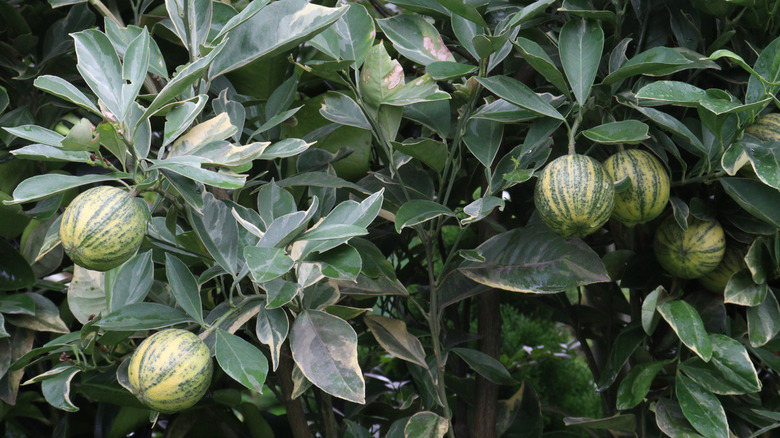
If you're looking for a unique dwarf fruit tree that you can grow in a container, then the variegated pink-fleshed Eureka lemons (Citrus limon 'Eureka Variegated Pink' ) are exactly what you need. Often called pink lemonade, these plants are smaller and less vigorous than standard Eureka lemons. What makes them truly unique is their striped green and golden foliage, low-seeded striped fruits, and light pink flesh. Like standard Eureka trees, they can withstand cooler temperatures. They need more than eight hours of sunlight daily, and drench watering is often recommended.
Bearss Seedless Lime
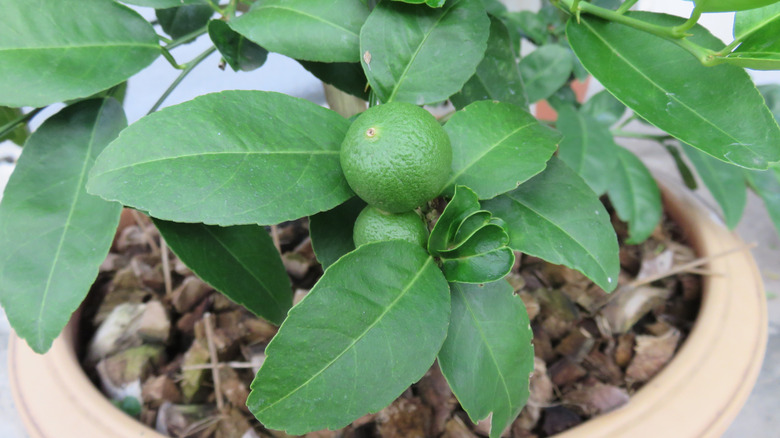
Sometimes referred to as Persian limes or Tahitian limes, Bearss lime trees (Citrus x latifolia) are a strong option for growers who want a compact, seedless-fruiting citrus tree. Even semi-dwarf varieties typically stay under 8 feet tall in a container. Bearss limes aren't as cold-hardy as other varieties but can be grown indoors with supplemental lighting. Place them in a spot that receives more than eight hours of direct sunlight. Since the tree has a naturally bushy canopy, regular pruning helps maintain a compact shape. It's also best to water deeply and allow the soil to dry out before watering again.
Australian Finger Lime
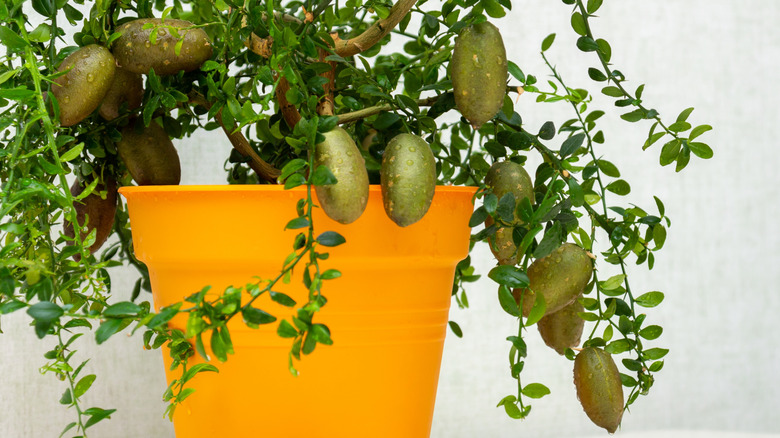
Another distinctive citrus plant is the Australian finger lime tree (Citrus australasica). They are often called the caviar of citrus because their elongated fruits contain juice vesicles that burst like caviar. Many varieties are grafted onto semi-dwarf or dwarf rootstocks and thrive in pots with the right potting mix. Australian finger lime trees prefer subtropical climates and don't tolerate extreme heat or cold. Place plants where they receive at least six hours of sunlight. Regular watering when the soil is dry is essential for keeping the plant healthy.
Meyer Lemon
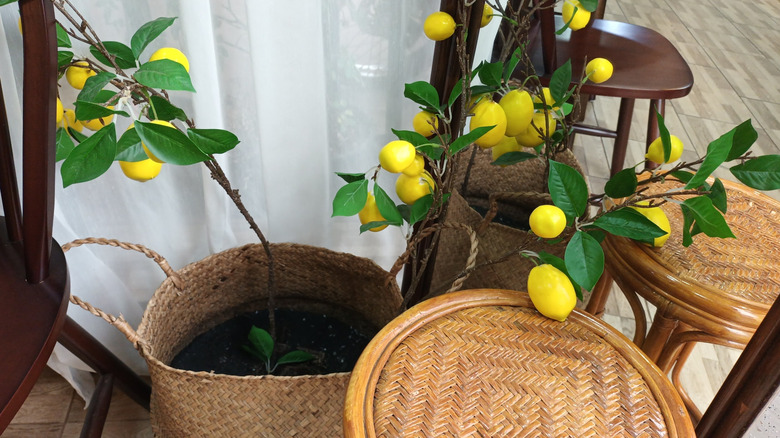
Dwarf Meyer lemons (Citrus × meyeri) are among the easiest citrus trees to keep healthy in containers. They are typically a hybrid of a lemon and a mandarin, or orange. These trees are cultivated to be extremely resilient and can produce fruit all year round. One drawback is that fruit can take nine to 12 months to ripen. Meyer lemon trees grow in many climates, but should be moved indoors when temperatures drop below 40 degrees. They need full sun for consistent vegetative growth. When watering Meyer lemon trees, less is more. Keep the soil slightly moist, but not waterlogged.
Rangpur Lime
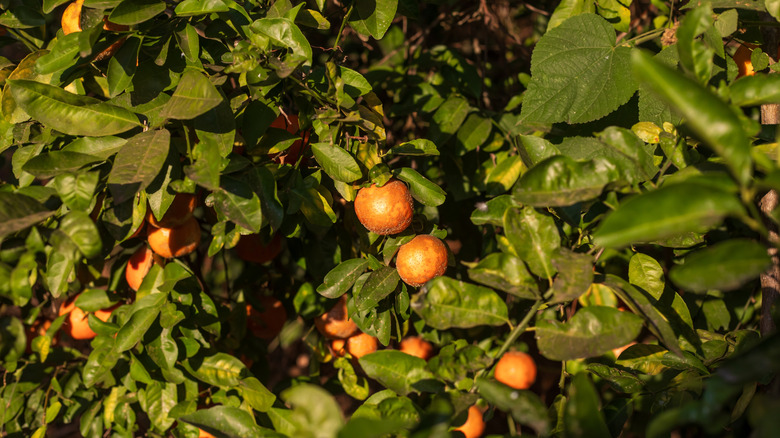
Rangpur lime trees (Citrus x limonia 'Osbeck') are another lemon and mandarin hybrid that produces small to medium-sized fruits with a semi-smooth surface. Often prized for their floral scent and sour fruit. Dwarf varieties of these plants can reach 3 to 5 feet and usually produce fruits in as little as a year. However, they are considered half-hardy and perform best in warm climates with full sun. In cooler areas, these can be some of the best indoor fruit trees you can grow for fresh produce year-round. Rangpur limes, like many warm-climate citrus trees, need consistent watering, especially during active growth.