

Add Height To Your Garden & Attract Birds With These 12 Tall Flowers
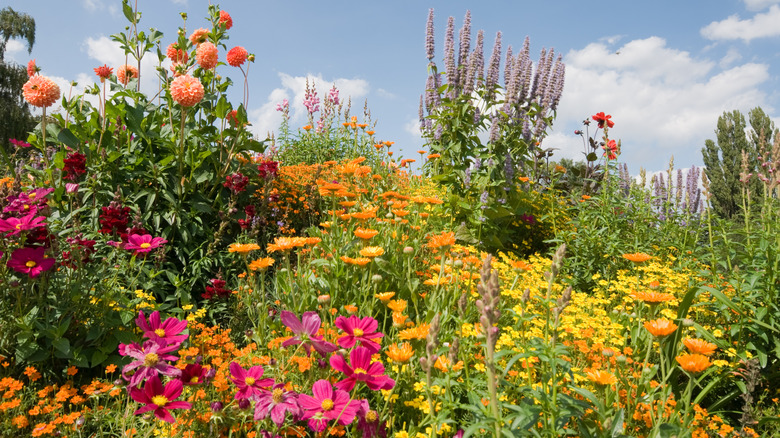
There are many beneficial reasons you would want to attract birds to your garden. Besides being wonderful for pollination and pest control, birds bring the added benefit of beauty and song. One of the easiest ways to attract birds to your garden is by planting attractive flowers. Variety matters as well when it comes to making your flower selections. The wider variety of flowers you have, the larger variety of birds you'll attract. Not only is it a good idea to plant a varying selection of colors, but it's also great to plant flowers of varying heights. Taller flowers, like lupine, New England asters, or purple coneflowers, can create a dramatic look and provide food as well as a place to hide and rest for birds.
Tall flower varieties not only add visual interest to a garden, but they also create a layered look that feels more thoughtful in its design. They also create an opportunity for beginner gardeners to get more adventurous with their choices. Many taller flower varieties are also beneficial for birds not only in spring and summer, but in the fall as well, creating seed heads for them to use as food. That's why it's important to be cautious in your choices and avoid toxic plants if you want to attract birds to your yard. Toxic flower varieties can not only harm wildlife but also drive them away. But not to worry, with our list of tall flowers not only can you add beauty to your garden, but you will also draw a variety of feathered admirers.
Joe Pye weed
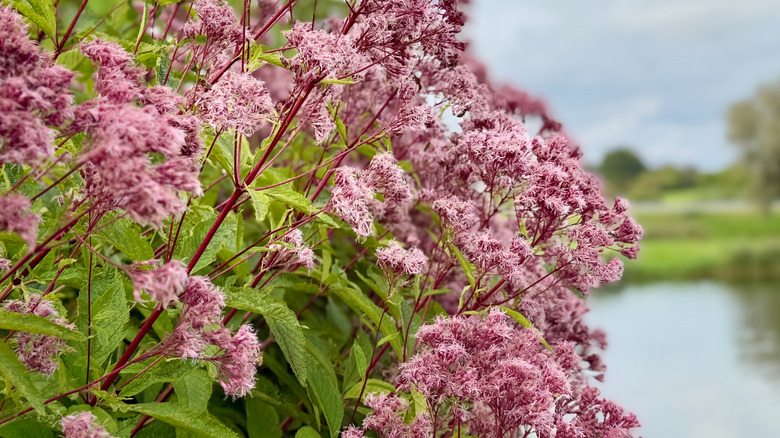
Joe Pye weed (Eutrochium spp.) is a lovely pinkish-purple flowering perennial, despite its name suggesting otherwise. It even has a wonderfully mild vanilla scent. This tall plant (reaching around 7 feet in optimal conditions) benefits from being surrounded by many other plants, or it will have a tendency to flop over. Not only is it a great pollinator-attracting plant in the spring and summer, but in the fall and winter it attracts many birds with its seeds. Joe Pye weed is best suited for USDA Hardiness Zones 4 through 9.It thrives with plenty of rain in a sunny location of the garden.
Cup plant
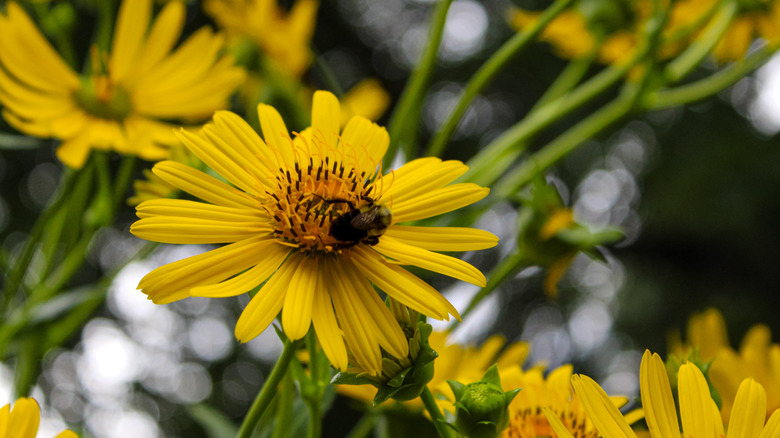
The cup plant (Silphium perfoliatum) is similar to Joe Pye weed in that it likes moist soil with a good amount of sun exposure. It can grow up to about 8 feet tall and can self-seed, so it is very low-maintenance. Its blooms are very similar to yellow daisies with warm yellow petals and a darker center. Its leaves form a cup at the stem, as its name implies, creating the perfect watering stop for birds. The cup plant has been known to be a favorite of goldfinches. If you live in USDA Hardiness Zones 3 through 9, this tall plant should thrive in your garden.
Tall coreopsis
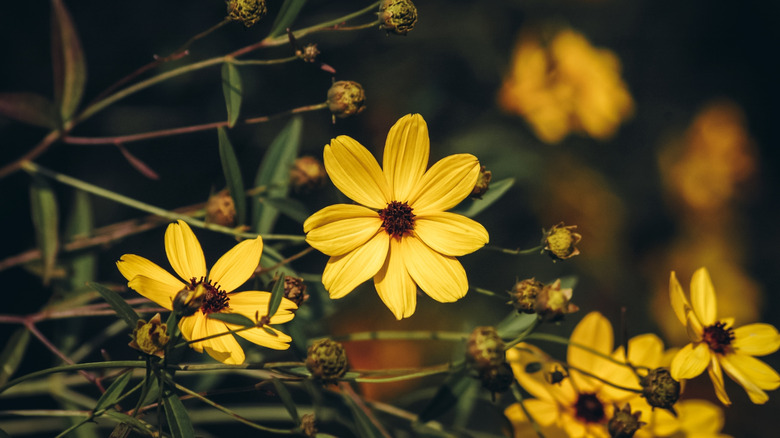
Tall coreopsis (Coreopsis tripteris) plants are perfect for garden locations with less-than-optimal soil. They thrive in medium to dry, well-drained soil. Tall coreopsis plants have lovely daisy-like flowers similar to the cup plant and can also grow up to about 8 feet tall. If you want them to reach their full height potential, they will need more moist soil rather than dry. Birds love the seeds from these tall flowering perennials. Tall coreopsis thrives in USDA Hardiness Zones 3 through 9.
Purple coneflower
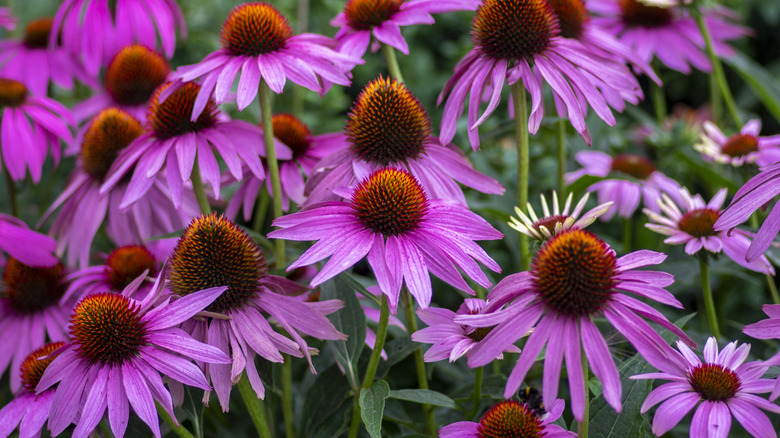
Purple coneflowers (Echinacea purpurea), also known as echinacea, are an extremely versatile flower to have in your garden. Not only can you make a lovely tea from purple coneflowers that is great for your health, but birds will be flocking to your garden for the seeds they produce. They have large purple flowers on stems that can grow up to 5 feet tall. These perennials are a great choice for flower gardens for not only their beauty, but also their usefulness. You can grow purple coneflowers if you live in USDA Hardiness Zones 3 through 8.
Hollyhocks
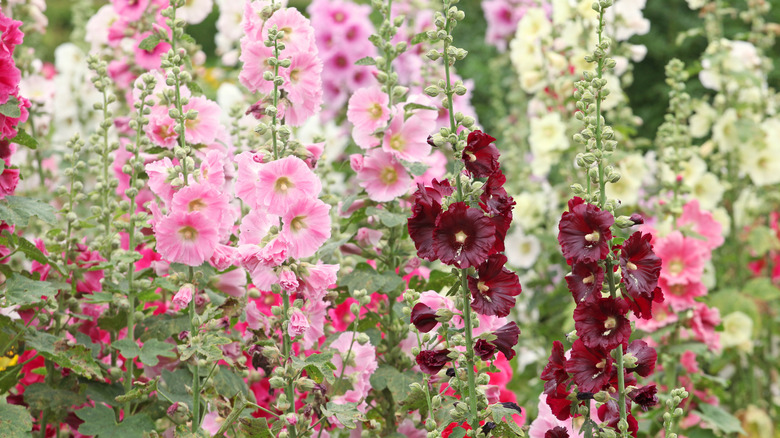
Hollyhocks (Alcea rosea) come in a wide range of color options if you're looking to add some drama to your garden that even the birds will appreciate. They can grow up to about 8 feet tall and have a number of stunning, trumpet-shaped blooms on each stalk. Hollyhocks prefer full sun and well-drained sandy to clay soil. They make a great option to grow along a fence line for color and privacy. If you enjoy watching hummingbirds, these are the flowers for you. You can grow hollyhocks in your garden if you live in USDA Hardiness Zones 5 through 9. Just be careful where you plant them, as they are not native to the U.S. and can be aggressive self-seeders.
Lupine
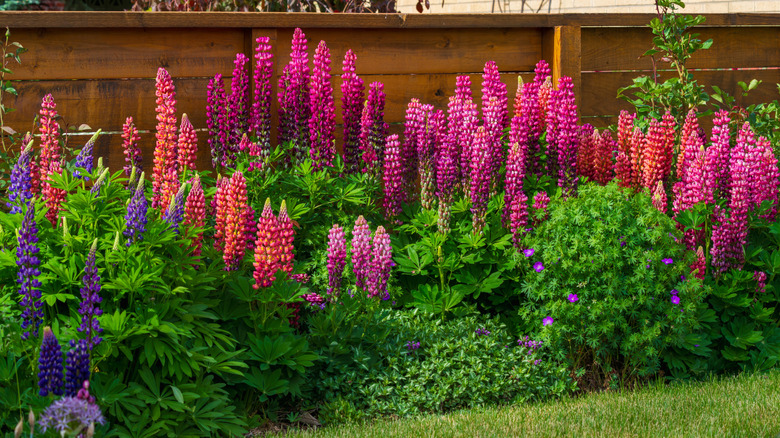
Lupine (Lupinus), specifically Lupinus polyphyllus, is a tall (grows up to 5 feet tall), spiky flowered plant that pollinators love. Their blooms can come in a variety of shades. They tend to be a native plant of the Western U.S. but can grow in USDA Hardiness Zones 3 through 9. Lupines grow well in moist soil that is well-draining but be sure to avoid overwatering. They thrive in full to partial sun. Because they are at the shorter end of our flower list, they would make a great transitional plant between your shorter flowers and the taller varieties of flowers.
Tall garden phlox
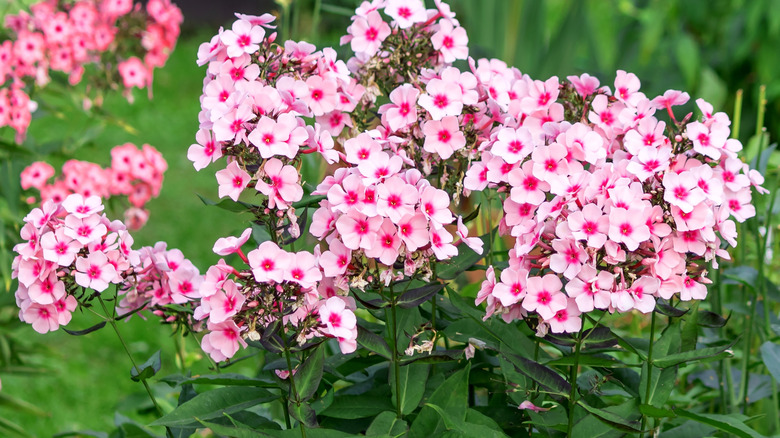
Tall garden phlox (Phlox paniculata) is a lovely variety of phlox that can reach up to 4 feet in height and has many small colorful blooms. Hummingbirds love these flowers for their nectar. While tall garden phlox are bigger than their other phlox cousins, you shouldn't plant them up against a wall or fence — they need proper air circulation to avoid disease. They prefer full sun, not too much water, well-draining soil, and thrive best in USDA Hardiness Zones 4 through 8.
Sunflower
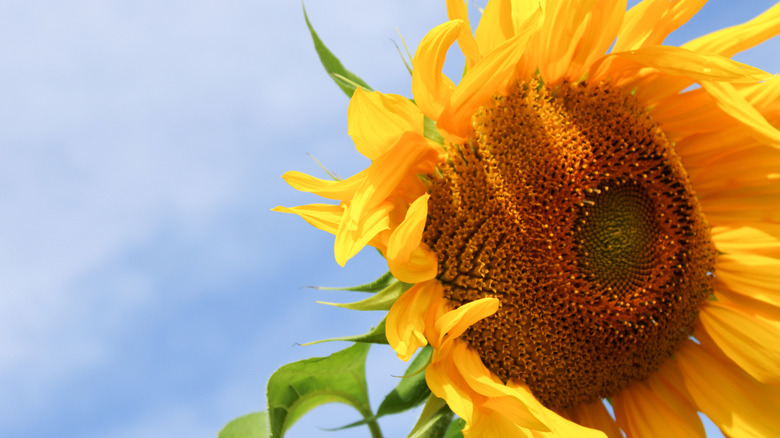
Giant sunflower (Helianthus giganteus) is a favorite of birds, thanks to its tasty and plentiful seeds. This native giant grows happily up to 10 feet and appreciates moist soil. Care for your sunflowers, and you'll be rewarded with lots of wild birds. It can grow well in USDA zones 4 to 9.
Marsh mallow
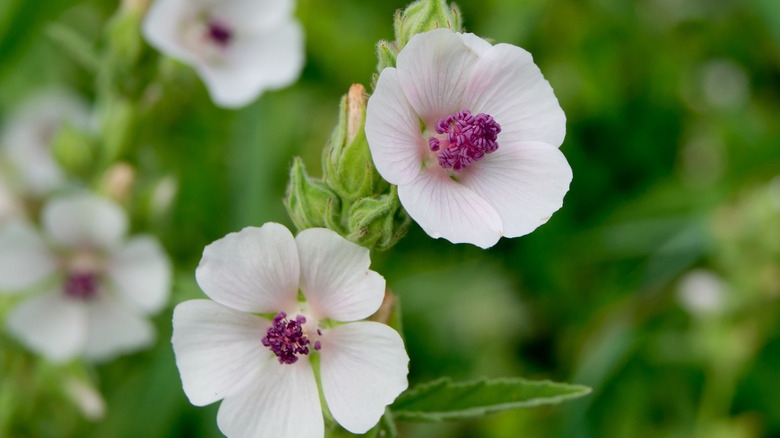
Marsh mallow (Althaea officinalis) is actually the flowering perennial that marshmallows originally came from. They can grow up to 6 feet tall and have lovely pinkish, white trumpet-shaped flowers that pollinators absolutely love. Marsh mallows grow well in full sun, average moisture levels, multiple soil types, and USDA Hardiness Zones 3 through 9. Because these flowering plants grow on tall stalks in a bush-like manner, they would be perfect to plant along a fence line or border. Be careful where you plant it, as it can be considered invasive in some areas of the U.S.
Giant ironweed
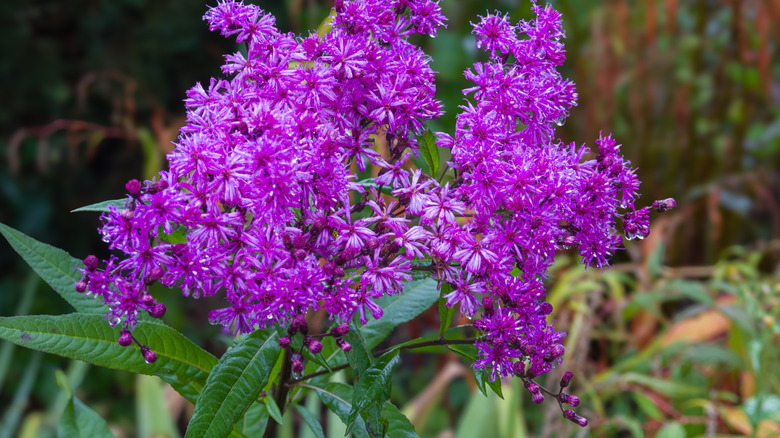
Giant ironweed (Vernonia gigantea) is an herbaceous perennial wildflower that averages about 5 feet tall, but it can grow up to 12 feet in optimal conditions. It has clusters of deep purple flowers that typically bloom in late fall and provide a wonderful food source for birds in the winter. Because of their height, they make a wonderful option for a border plant that can double as a privacy bush. Giant ironweed grows best in full to partial sun, moist soil conditions in a variety of soil types, and in USDA Hardiness Zones 4 through 9.
Foxglove beardtongue
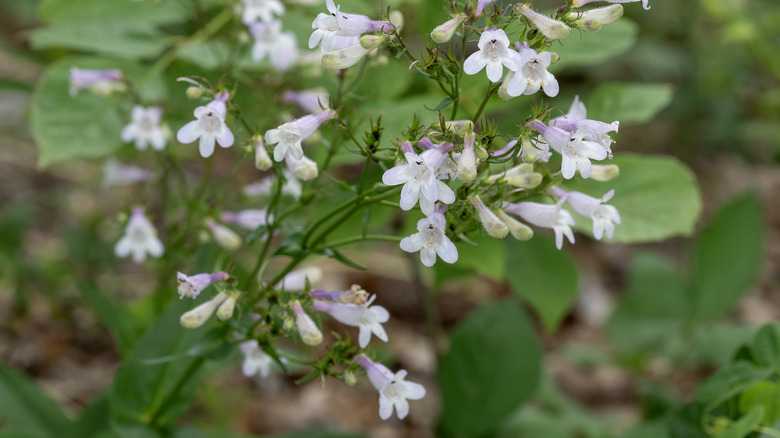
The foxglove beardtongue (Penstemon digitalis) is another herbaceous perennial native plant. It can grow up to 5 feet tall and has clusters of small, white, tube-like flowers that hummingbirds adore. It makes a nice contrast to other colorful flowers with its subtle blooms. Foxglove beardtongue enjoys full to partial sun, a variety of soil types with good drainage, and does best in USDA Hardiness Zones 3 through 8. If you want to attract birds to your garden with a flowering plant that is more romantic than dramatic, then the foxglove beardtongue is a great choice.
New England aster
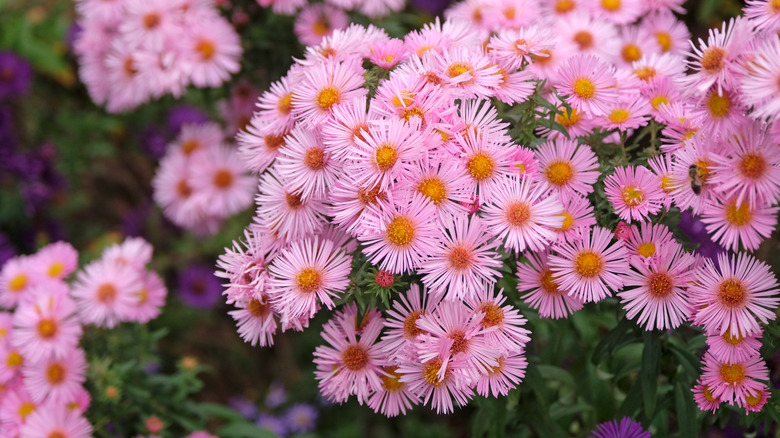
The New England aster (Symphyotrichum novae-angliae) is a lovely herbaceous perennial that can get up to about 6 feet tall. It has clusters of pinkish-purple daisy-like blooms that make a dramatic addition to a pollinator garden. The New England aster is very forgiving when it comes to soil and will tolerate a variety of well-draining soil types. It does benefit from extra organic matter tilled in with the soil. This is another flower that loves to grow in full sun but can tolerate partial shade if necessary. If you live in USDA Hardiness Zones 3 through 8, you can add the New England aster to your garden to attract more birds to your yard.