

If You Know These 15 Vintage Furniture Brands, You're A True Thrift Store Pro
We may receive a commission on purchases made from links.
A trip to the thrift store is more than a shopping event — it can actually be an educational lesson on antique and vintage products. Helping build a mental dossier of brands and companies known for their high-quality, historic pieces, eventually you'll become a pro at spotting the diamonds in the rough. This is particularly useful when it comes to furniture. At first, you may be drawn to something just because it looks old and potentially could be an antique, but as your discerning eye develops, you'll begin to pick up on telltale signs of vintage and antique furniture brands that were famous, made with good quality, and — most excitingly — are valuable.
Thrift stores are full of valuable items, and spotting a desirable vintage or antique furniture piece for a fraction of the cost of an antiques dealer or auction house is a big thrifting win. Many of these pieces have visual giveaways, like Heywood-Wakefield's blonde wood finishes that can be seen from across the room, or the unmistakable architectural arches of Broyhill's Brasilia line that will stand out among dated laminate pieces. Others can be identified from their construction, whether the solid wood of Kent-Coffey or Paul McCobb's signature tapered pencil leg furnishings. If you know what to look for and are getting familiar with these brands, then without a doubt, you're a thrifting genius.
Lane Furniture
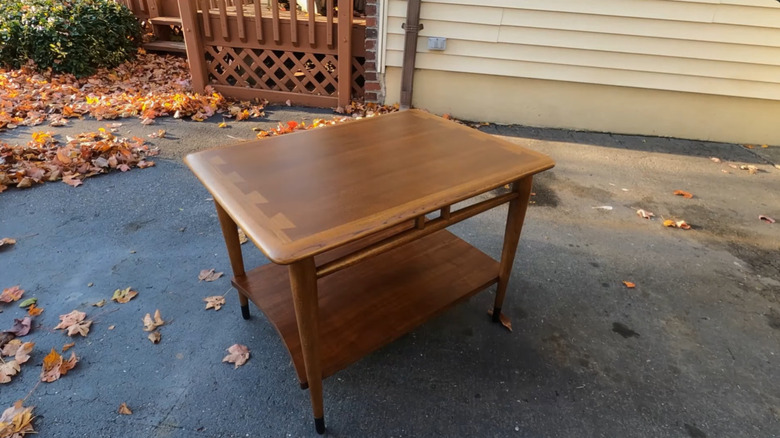
What began as a gamble of "let's see how this goes," father and son duo, John and Ed Lane began manufacturing chests after purchasing a box plant in Altavista, Virginia in 1921. By 1951, the Standard Red Cedar Chest Company had expanded into tables, and by 1972, they had diversified into chairs, case goods, and accent furniture. With a broad range of pieces, Lane's niche popularity increased. Known for their raised, geometric motifs and clean inlays, Lane Furniture (as they are now known) is a popular, yet slightly under-the-radar maker to score at the thrift store.
Limbert
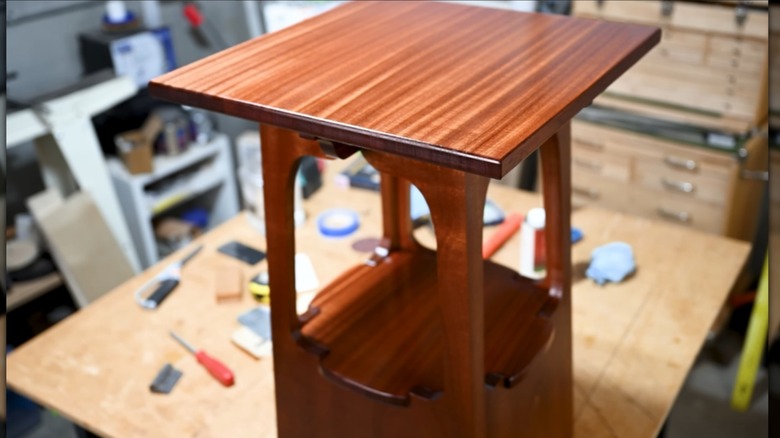
Inspired by the English Arts & Crafts movement, Charles Limbert began constructing chairs in Grand Rapids, Michigan in the 1880s, eventually opening his solo design firm, Charles P. Limbert Furniture Co., in 1902. His pieces are characteristically Craftsman, with Mission-style, lumber panes and noticeable touches of Dutch folk furniture design. Unfortunately, his company didn't survive the duration of World War II given Limbert's own personal battles with his health, closing in 1944. With only a finite number of his designs left, recognizing and buying a Limbert piece in the thrift store makes you a true vintage pro.
Baker
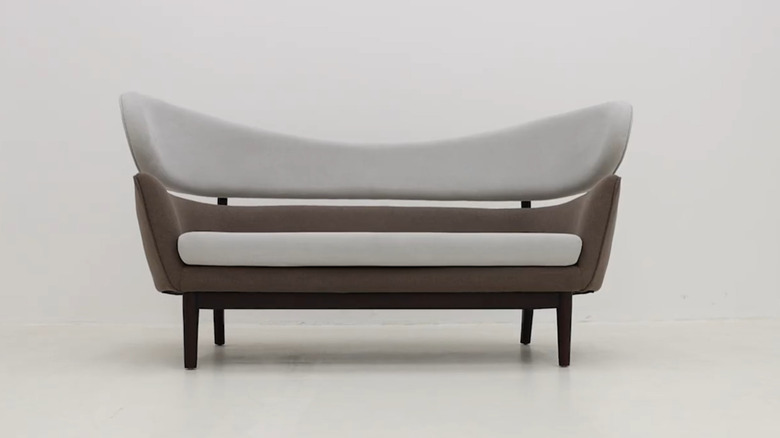
Baker Furniture is known for their high end, luxury wood working, but their 1950s collaboration with Finn Juhl is one of the biggest scores a thrifting pro can make when it comes to vintage furniture. Finn Juhl, a Danish designer known for his architectural and sculptural pieces, partnered with storied American furniture makers Baker Furniture in 1951 to produce a range of cocktail tables, credenzas, and most importantly, the Baker sofa (though you're unlikely to find one in a thrift shop, as even reproductions sell for over $10,000). Framed out in hardwood oak or walnut, the upholstery was usually either leather or durable textile, marrying Danish design with American practicality. If you spot a sleek Finn Juhl chair for under $2,500, you've found a good deal.
Thayer Coggin
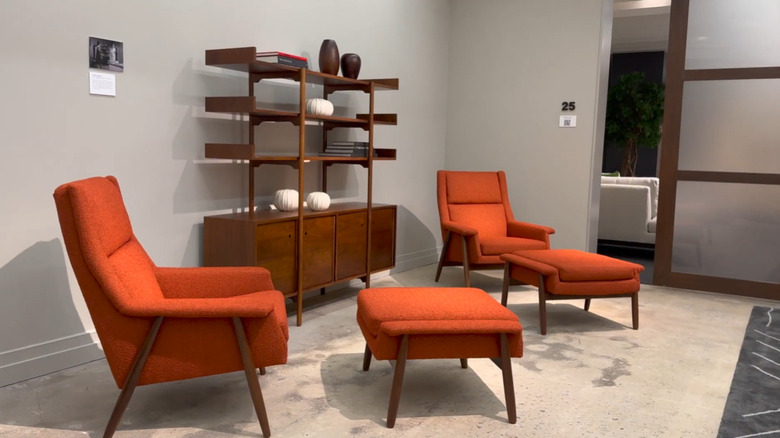
Sometimes lost in the fray among names like Knoll and Herman Miller, true vintage furniture experts will know a bespoke Thayer Coggin piece when they see one. Founded in 1953 by craftsman Thayer Coggin and designer Milo Baughman, the American furniture company is famous for their modern loungers, tub chairs, sofas, and other upholstered pieces. Strong design with personalized touches was the company's heartbeat, and they're still known for comfort and usability. Thrifters should know to look for signature Baughman elements to authenticate a Thayer Coggin piece, including high-end fabric, chrome frames, sleek glass, and seamless construction.
Henredon
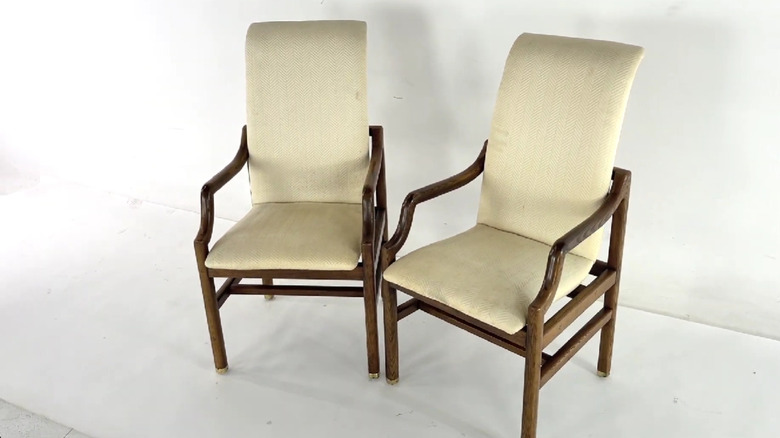
Another American-made furniture manufacturer, Henredon Furniture, first opened its doors in 1945. While at first they were known for modest and reasonable furniture, by the mid-1950s, the company had catapulted to design fame with new collections designed by Frank Lloyd Wright (architect of stunning mid-century homes) and Dorothy Draper. Henredon's designs air more on the side of traditional, but with a noticeable mid-century modern flair. Combining traditional woodworking elements like tenon joinery and dovetail joints with MCM touches like quality veneers and sculptural wood, Henredon is tantalizing to any vintage thrifter's design palette.
Thonet
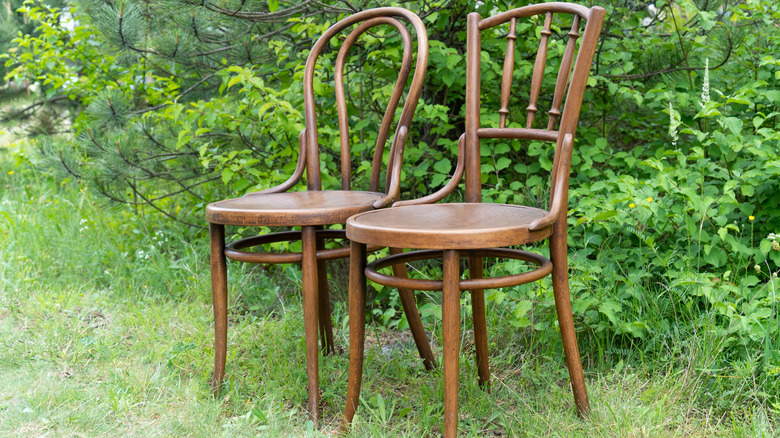
Considered the blueprint of modern Scandinavian design, Thonet first rose to fame in the mid-19th century for their wooden chairs which could be disassembled and shipped in efficient ways. One of the first furniture makers to standardize the manufacturing process to make their pieces accessible to commercial audiences, Thonet became all the rage again in the 1930s with their tubular, steel chairs. This era in Thonet's history saw many prominent architects collaborating on design from Mart Stam to Marcel Breuer. Vintage pros should be able to spot Thonet's bistro-like design in the thrift store rabble — and they know they're pieces of history.
Drexel Heritage
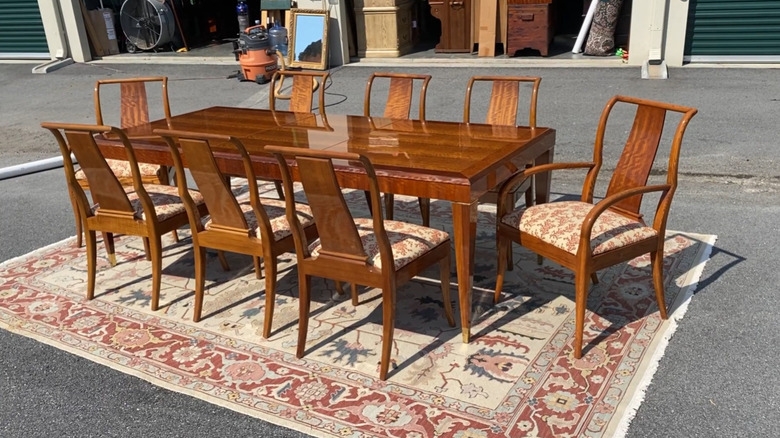
In the early to mid 20th century, North Carolina was the epicenter of American furniture design and manufacturing, and Drexel Heritage Furniture was a big player in the area. Famous for its American Federal-style furniture, Drexel (known as Drexel Furniture until the 1960s) made a name for itself as a high-quality, traditional furniture maker. Today, antique experts know them for both their MCM-coded pieces like their "Profile" line and "Declaration" line, as well as their historically inspired designs with Hollywood Regency or classical influences.
Thomasville
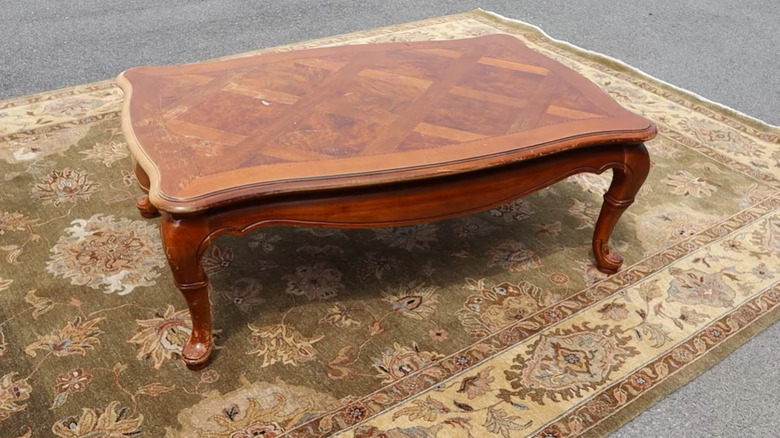
While many know Thomasville as the big box furniture store today, producing popular Costco couches, vintage furniture whiz kids know the true history behind the brand and can recognize older pieces as something valuable. Another North Carolina-based company, Thomasville was named for the town in which it was founded in 1904. Since then, it has largely stuck to its traditional, historic revival roots, producing tables, cabinets, and chairs with substantive design elements. Georgian, Regency, and Chippendale revival pieces were all in Thomasville's line up, with sleeker MCM designs also available, but not as famous.
Ethan Allen
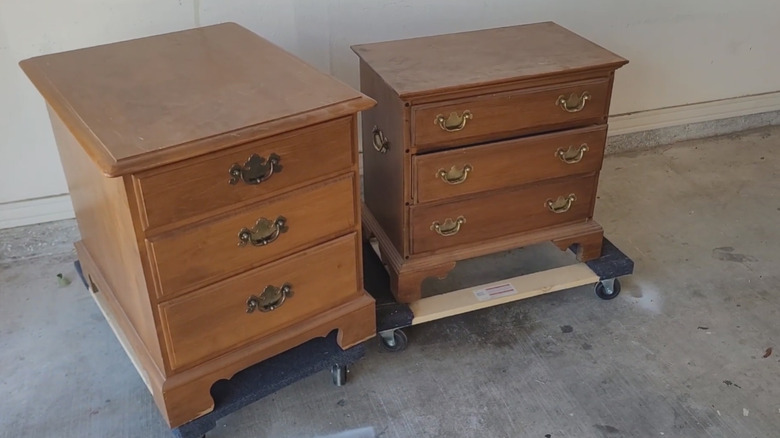
Like Thomasville, many are familiar with Ethan Allen from its contemporary stores, but the company started life at the 1939 Chicago Housewares Show when then-Baumritter & Company debuted a line of colonial-style furniture named for American Revolutionary hero, Ethan Allen. Known for their carpentry and substantive design, vintage Ethan Allen furniture leans into historical aesthetics, from chinoiserie benches to iron weathervanes to high-backed dining chairs. Collectors can confirm if a piece is by Ethan Allen by looking for maker's marks. Look inside drawers, at the bases of sofas, under chairs/tables, and on the back of large, cased pieces.
Heywood-Wakefield
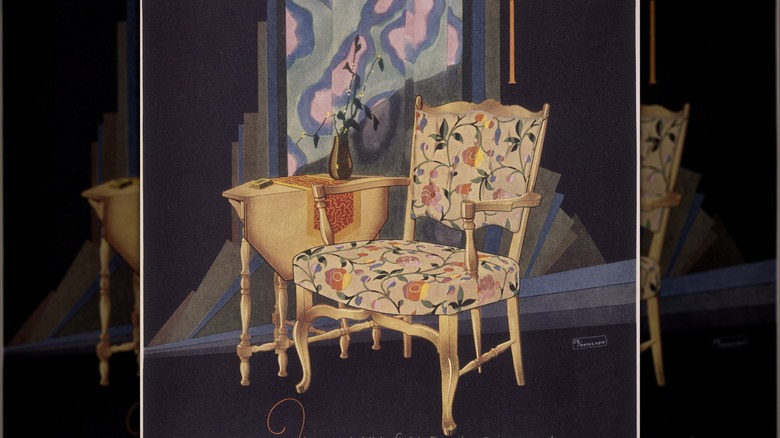
The product of a 19th-century partnership between two companies, Massachusetts-based Heywood-Wakefield was a versatile furniture maker, particularly known for its signature light, blonde wood pieces from the 1930s. The designers at Heywood-Wakefield had the uncanny ability to marry Art Deco looks with colonial vibes, and as the years went by, they adapted to soft edges and statement pulls and knobs. Since the company went bankrupt in 1981, vintage thrift lovers understand how exciting it is to find one of these pieces at the thrift store, since there's a finite amount out there to collect.
Bernhardt
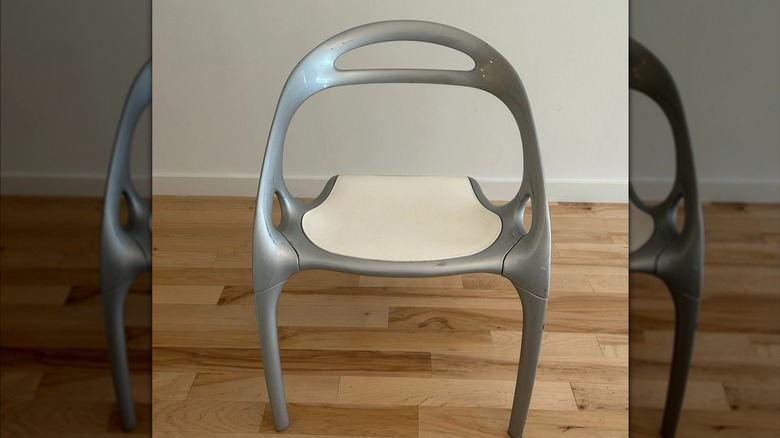
A furniture brand with a vintage legacy, Bernhardt was founded in 1889 in Lenoir, North Carolina. As one of the oldest, family-owned furniture companies in America today, their antique pieces excite furniture aficionados for their incredible diversity. From Hollywood Regency to Brutalist design aesthetics, their versatility and adaptability is likely how they've survived the more than century they've been in existence. To identify Bernhardt at a thrift store, keep an eye out for thick, heavy details on durable materials like white oak. Their midcentury pieces were also quite popular, including their boxy club chairs.
Broyhill
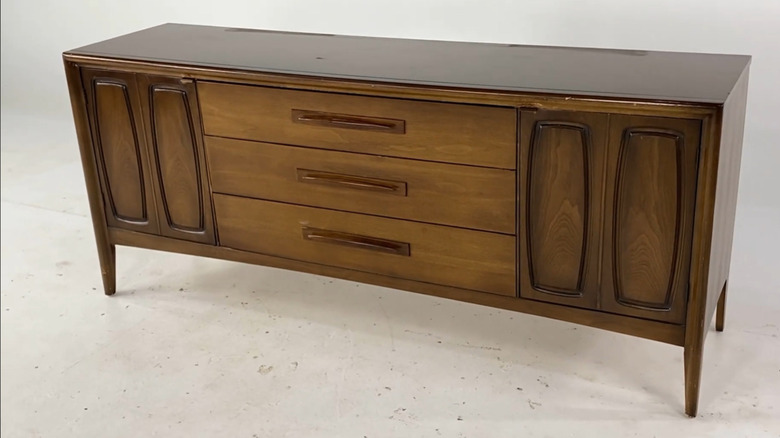
Founded in 1926 in the same town as Bernhardt, Broyhill Furniture was a reliable furniture maker with a number of designs, but in the 1960s, their Brasilia line took the world by storm. Introduced at the 1962 Seattle World's Fair, Brasilia captured the attention of many with its futuristic architecture, an homage to Brazil's capital city. With swooping, but sculptural arches and curved brass hardware, it's still a recognizable design, especially to vintage pros. Other greatest hits include the Sculptra line with a distinct square, raised wood design, and the Saga line with etched starburst patterns.
American of Martinsville
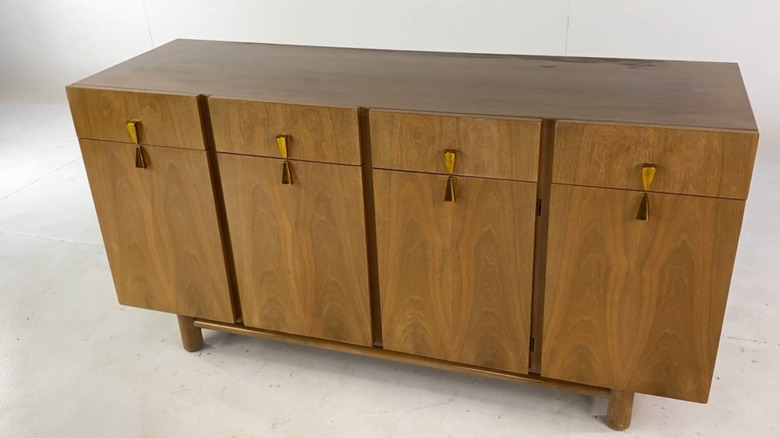
While the founders of this company began their professional careers as tobacco farmers in Martinsville, Virginia, by 1906, they had pivoted to furniture crafting. Later renamed American of Martinsville, the brand became known for their historic furniture styles and incredible craftsmanship. However, the company exploded in popularity in the 1950s for their unique mid-century design. Identifiable from their signature motifs, like slatted wood, brass "x" inlays, and rich dark wood, furniture experts will know to snap up an American of Martinsville piece if they see it in the thrift store.
Paul McCobb
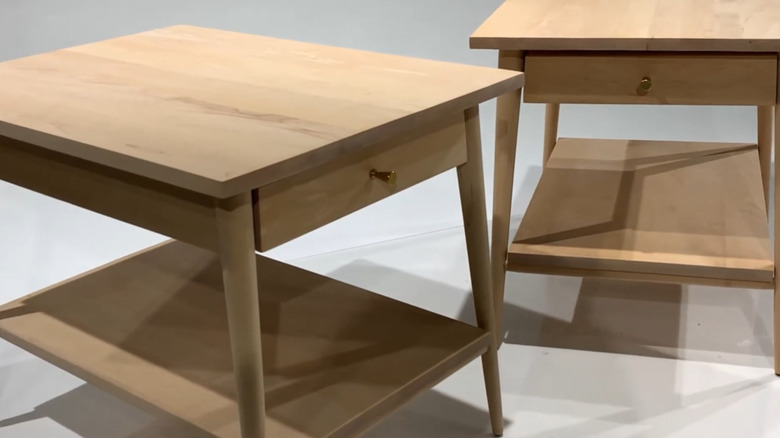
It was Paul McCobb's work that made Bauhaus-inspired MCM designs accessible to middle class Americans in the 1950s. He is most famous for the Planner Group (launched in 1949), which focused on all-wood pieces that evoked American styles of bygone eras like Windsor or Shaker, a reflection of his New England roots. Those tapered pencil legs that are so famously mid-century modern? A signature of McCobb that defined a furniture era. Since many of his pieces lack maker's marks, thrift store experts know to look for elements characteristic of McCobb design: clean lines, simple finishes, angled legs, and boxy chair backs and drawers.
Kent-Coffey
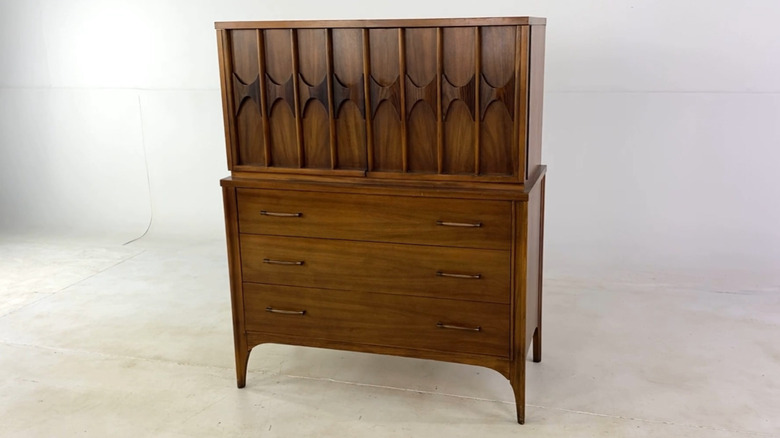
A contemporary of other makers on this list, like Bernhardt and Broyhill, the Kent-Coffey Manufacturing Co. was IKEA before IKEA. Focusing on mass-produced, yet durable and stylish pieces,
they became a powerhouse of MCM design during the 1950s and '60s. They are famous for their Perspecta line, identifiable from its distinct, recessed rosewood fins or bowtie motifs on pieces like dressers and buffets. Their pieces are a true thrift pro treasure and are almost always stamped with the "Kent-Coffey" logo somewhere inside or at back of the piece. Be on the lookout for futuristic looking solid wood or high quality veneer pieces.