

15 Retro Household Gadgets That Went Obsolete
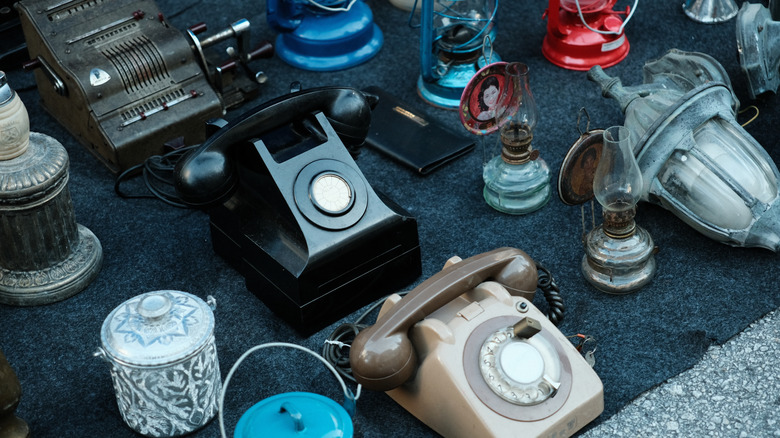
We're all guilty of romanticizing the past, and household gadgets are one of the most notable examples of retro nostalgia. As technology advances rapidly, certain devices have been left in the dust in favor of more efficient alternatives. Although they might have had a certain funky charm, this fast-moving world often prioritizes compact devices with quick and versatile functions.
Whether you love reminiscing or just want to learn more about how our current tech came to be, looking back at these old gadgets can be fascinating. Some of these items are collectibles, while others have gone completely obsolete. Let's take a stroll down memory lane and reminisce about has-been household gadgets and discover the modern alternatives that replaced these vintage gems. This is the ultimate guide to retro decor and gadgets that you may have forgotten about.
The video home system, also known as the VHS
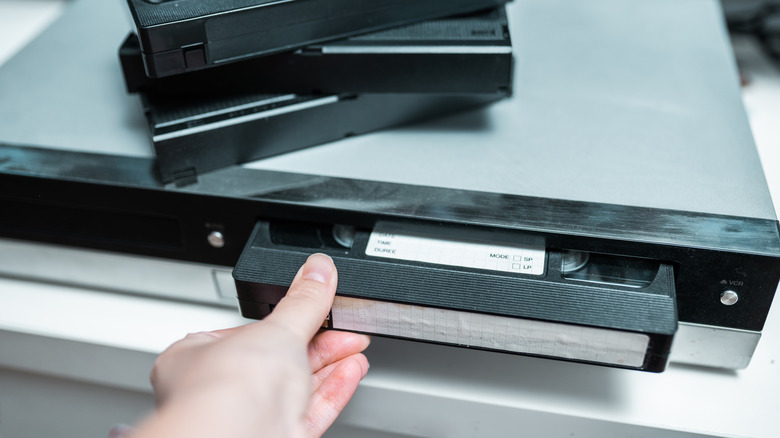
Most of us remember VHS tapes, but this cinematic technology is absent from most modern homes. At the time, this futuristic format allowed video recording — and playing — through the use of large cassette tapes. It was released in Japan in 1976 and remained popular internationally until the '90s. You might remember having to rewind tapes before returning them to Blockbuster, or carefully inserting the cassette so the tape didn't get tangled. They were always a little finicky, but the spinning of the reels and the prominent "click" will be remembered fondly.
The final film released on VHS came out in 2006, following replacement of VHS tapes was the DVD. This shift happened in the mid-2000s, and Netflix used to send films on DVD through the mail before they introduced their streaming service. Once streaming services became the norm, physical copies of films fell out of favor in general. However, DVDs are actually having a comeback, as more and more people are eager to keep permanent copies of their favorite media.
Rotary phones where you had to spin the wheel to dial
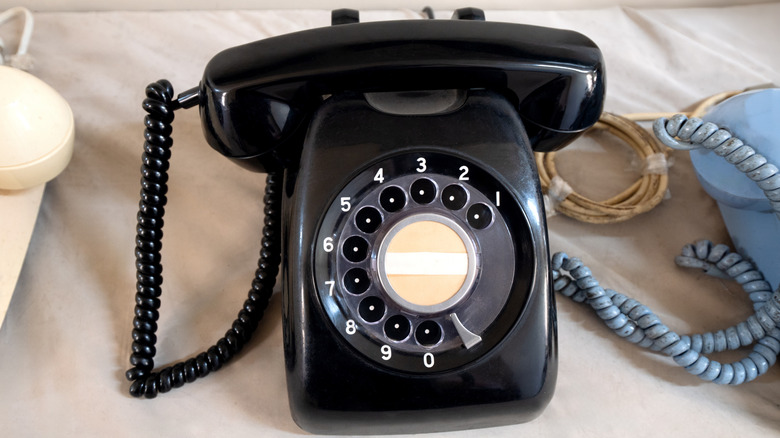
Landlines are one thing, but rotary landlines are even more antiquated. To make a call, the user had to spin the dial to enter each individual number. Rotary dial phones were widely used in homes from their introduction in 1919 until they became mostly obsolete in the 1980s. This shift was a matter of simplicity and saving time. Pressing buttons is a lot easier than having to rotate a dial over and over again.
After rotary phones were swapped for landlines with buttons, another high-tech advancement took over at-home communication. Cordless home telephones became available in the 1980s and steadily gained popularity once their prices became more accessible. In the last few years, it was reported by USA Today that less than a quarter of American households have any home landline at all. If you're still craving some rotary nostalgia, consider this Sangyn Retro Rotary Phone for your desk.
A milkshake maker for retro shakes and malts
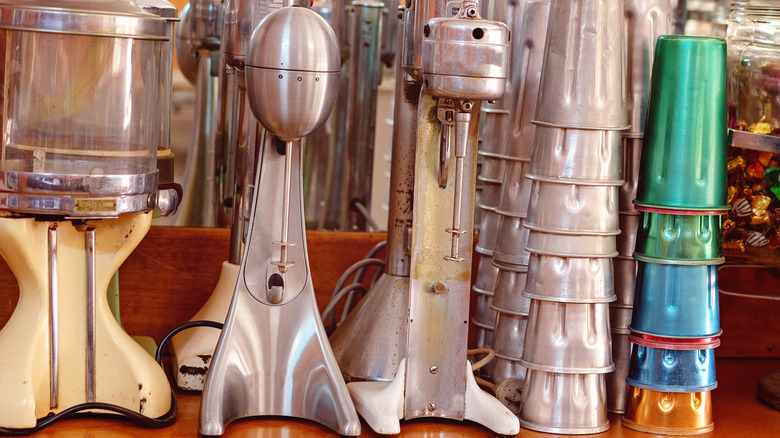
Mid-century America was an era with a sweet tooth. Just visiting the local malt shop for a milkshake wasn't enough, and thus, the at-home milkshake maker became coveted. The first at-home blender was invented in 1922, and perhaps the most notable milkshake maker was Hamilton Beach's iconic "Drink Mixer." The Drink Mixer was elevated in the 1930s with the added function of making several shakes at the same time. It allowed people to create blended ice cream beverages for group gatherings or just to enjoy as an after-work treat. Not only was it representative of the time period, but it also had a stylish, retro look.
With the invention of high-tech juicers, blenders, and food processors, a specific milkshake maker is definitively obsolete. However, if your goal is to create a retro-style kitchen, you might still consider a vintage-style mixer. For example, this Hamilton Beach DrinkMaster promises frothy, fluffy milkshakes, Frappuccinos, and other fun beverages. Complete the look with these vintage-shaped Binsakao Milkshake Glasses. Don't forget the whipped cream and the maraschino cherries!
An electric typewriter for a professional-style print job
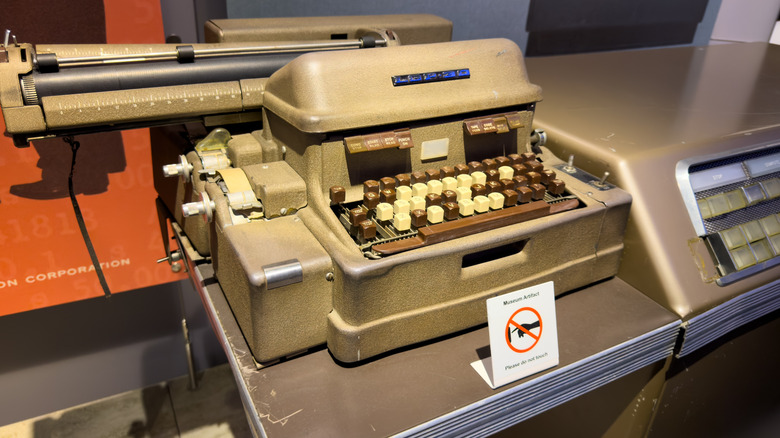
The typewriter was the go-to writing device for over a hundred years, but the electric typewriter changed the game. The electric typewriter was invented in 1914 by James Field Smathers, but his invention did not become accessible to private companies for industrial use until the 1930s. It was not until the second half of the 20th century that they were common in homes.
Electric typewriters were replaced by none other than the computer keyboard, which remains the go-to typing method today. However, if you're searching for the best vintage-inspired finds for your modern home, a typewriter is a must. In fact, many people in the US still love the tactile effect of an authentic typewriter — electric or not. You also don't have to purchase an original vintage machine to capture the same sensation. Today, there are electric typewriters that can accommodate your iPad or tablet, combining the best of past processors and the efficiency of today's technology. This Yunzii Wireless Typewriter is a stylish, highly-rated option.
A physical answering machine for your missed calls
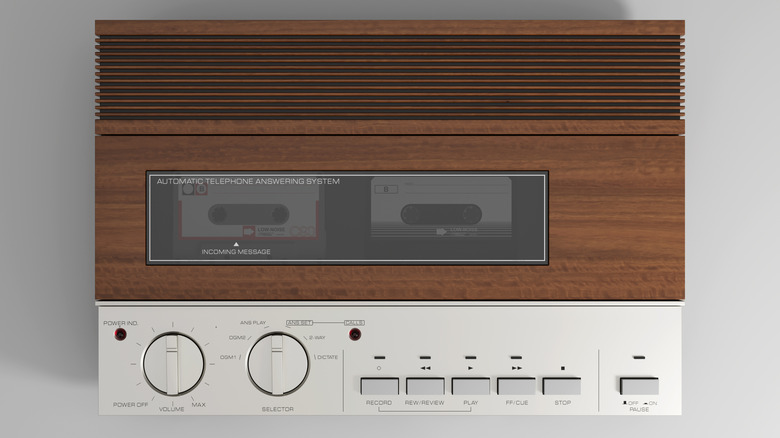
The answering machine used to be its own, separate entity. Before voicemail boxes were baked into each device, people had their missed calls redirected to an actual box that recorded and saved the messages on a cassette tape. Skyrocketing in sales in the 1980s, three out of every five homes had an answering machine by the beginning of the 1990s. However, the physical machine quickly met its match when the more convenient, centralized voicemail became widespread.
The digital voicemails of the late 1980s and 1990s were recorded onto centralized storage held by telecom companies. This technology was advanced further by the genesis of visual voicemail, which gave people the ability to actually see details of their messages on their phone screens. Now with highly advanced cloud systems, remote access is taken for granted — but it took many iterations of voicemail to get to this point.
The Kenwood Chefette de-Luxe with a blender and a mixer
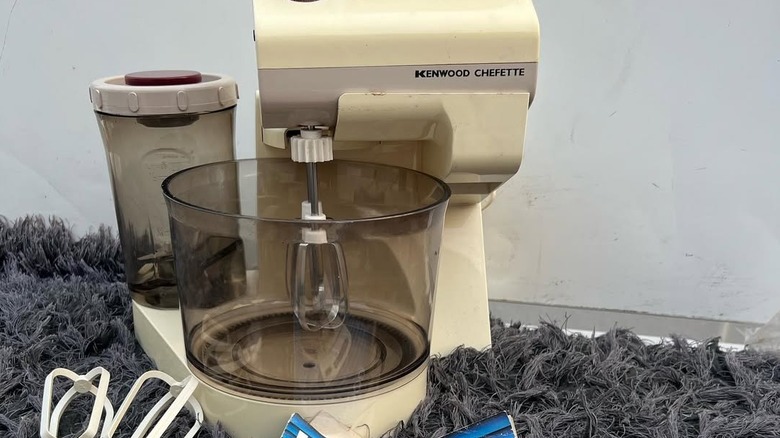
Electric blenders and mixers might still be in use, but in the '70s the Kenwood Chefette de-Luxe offered a mix of both. It combined the convenience of a handheld mixer with the power of a small countertop blender. For many home cooks, it became an essential tool. Many keystones of cooking technology have been the result of combining several tools into one, and the Kenwood Chefette de-Luxe was no exception.
Although today's mixing tools don't differ drastically, multi-functional modern mixers stole the spotlight from the Kenwood Chefette de-Luxe. For example, this Vivohome 6-in-1 Stand Mixer includes a mixing function, a blender, a scale, a pasta maker, and more. The array of attachments makes the piece ultra-versatile. For a more compact option, this PowCube Cordless Hand Mixer includes an electric whisk, milk frother, and functions as a regular blender.
A reusable metal grocery list with manual switches
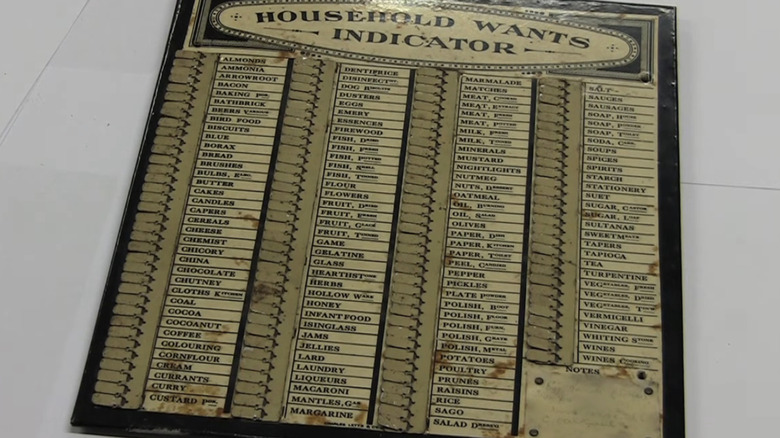
Grocery shopping used to be much simpler, which is how reusable metal grocery lists became a common household staple. Each item was printed on a sturdy metal plate, and people could flip a tiny switch next to the items that needed replenishing. It helped households keep track of what they needed at a glance, and helped the shopper in the family keep everyone's lists centralized.
With the plethora of grocery options available today, this limited system became antiquated. However, these vintage grocery lists still make for quirky kitchen decor. Another good thing about the metal grocery list was the eco-friendly reusability. A rotation of paper grocery lists can be wasteful, and digital lists might not be preferable for people who older people or those who do not rely on a phone. If a metal list might not be specific enough for your modern needs, consider a reusable grocery list that can be completely personalized. This magnetic LCD checklist has a clearable screen that's easy to change up, and can be kept right on the fridge when you're not out shopping.
Paraffin lamps in case electricity wasn't reliable
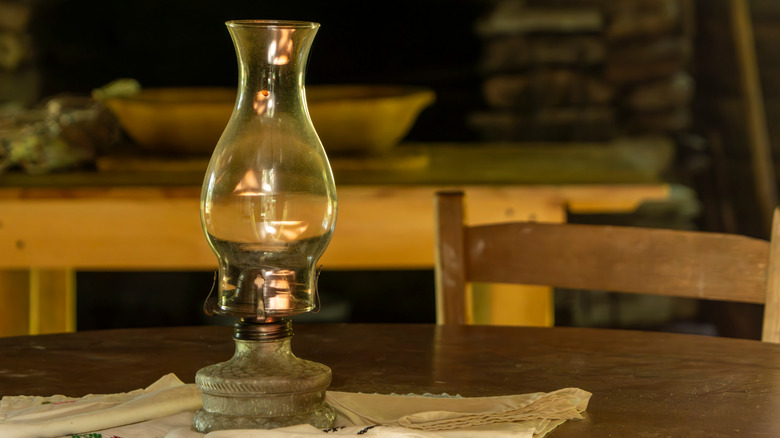
Paraffin lamps were used well into the decades after the invention of electricity, providing a steady glow whenever power was unreliable. They ensured homes weren't left in the dark during storms, outages, or any time electricity failed. Although they aren't nearly as common as electric and battery-powered alternatives, some families may still have them in storage for emergencies.
Battery-powered lamps and flashlights may be the new norm, but if you like the security of a paraffin lamp, there are modern lanterns with a similar function. This Nomfix 15Hour+ Long Burning Mini Candle Lantern uses a real candle rather than any electricity or battery-powered energy. If you want a real oil lamp, this Kings County Tools Tall Nautical Lamp is a vintage-inspired option with several safety features. It has a sculpted glass chimney and a weighted base to keep it from tipping over. For those who simply love the look of vintage paraffin lamps, explore the most valuable vintage lamps you should always buy if you see them at the thrift store.
A carpet beater to keep your rugs dust-free
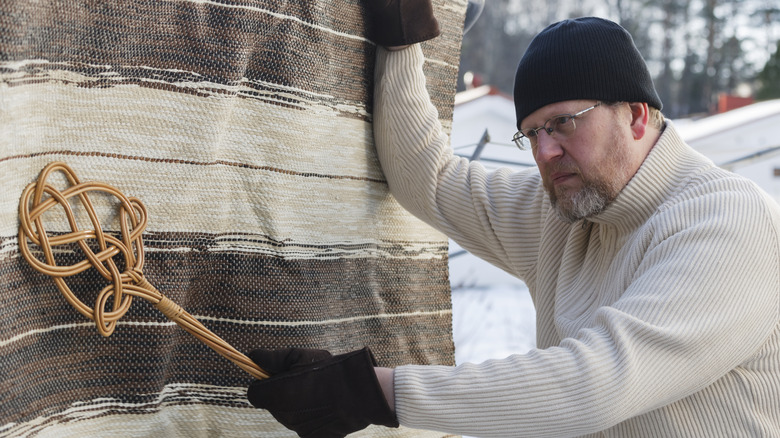
Long before the invention of vacuum cleaners, people relied on taking rugs outdoors and striking them with a carpet beater to shake out the dirt. These little, handheld paddles were an easy way to keep rugs dust-free. They were made out of a variety of materials, but very commonly rattan or wicker. However, there were other variations crafted from steel or coiled wire.
Although vacuuming is the standard way to clean modern rugs, there are still some benefits to old-fashioned carpet beating. Most notably, vacuums may not actually suck up all of the dirt and dust that can get trapped between the fibers. Plus, it's one of the easiest ways to clean shag rugs. This Novecrafto Carpet and Rug Beater is a retro-inspired option that has solid ratings from modern users. Always beat your carpet from top to bottom in one direction.
A coffee percolator for quick brews
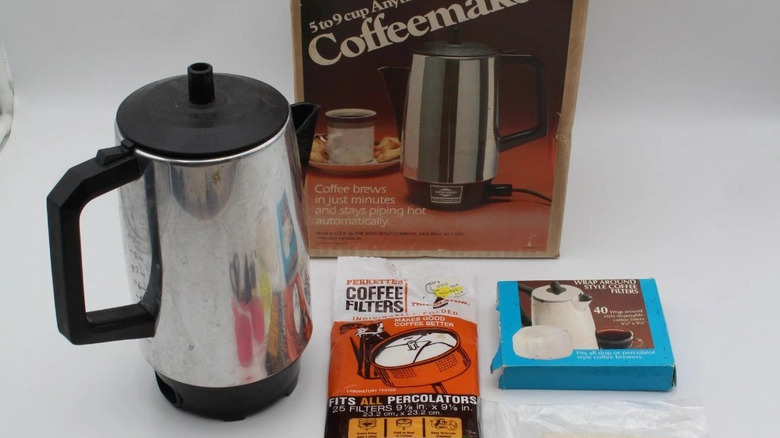
When farmer Hanson Goodrich developed the coffee percolator and patented it in 1889, it was a revolutionary way to brew coffee quickly and keep it free of grounds. Simply fill the reservoir with water, and wait for it to boil, soaking your grounds and creating strong coffee. For decades afterwards, it remained the household standard for a quick cup, especially at gatherings when lots of people needed to be caffeinated at once. Originally, they were intended to be used over a stovetop or open flame, but electric percolators were soon all the rage.
Unfortunately, percolator coffee is known to be both acidic and bitter due to the prolonged brewing process in which water cycles through the grounds repeatedly. The Italians eventually combatted this with Bialetti's moka pot percolation technology, which uses steam pressure to soak the coffee grounds only once, rather than repeatedly. Now, we have even more choices — from coffee pods for a flavorful cup at home, to complex home espresso machines for the amateur barista. So, the bitter-coffee-producing percolator has fallen to the wayside. It's still the preference, though, for many outdoor enthusiasts who need a quick cup over a campfire.
A key used to open tin cans of meat or fish
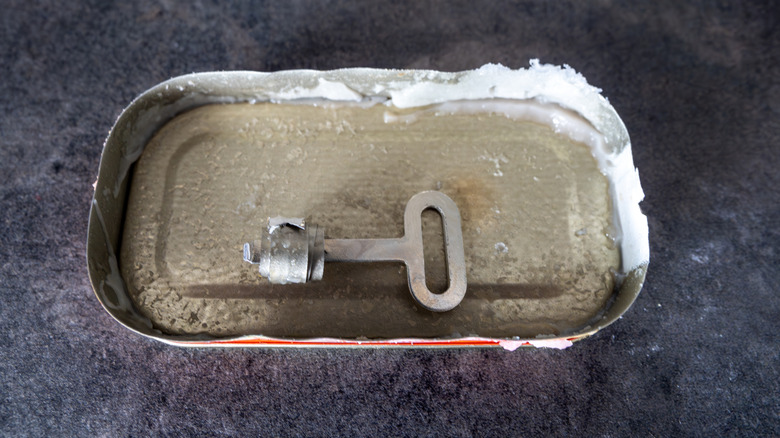
Before modern can openers, a can-opening key was the household standard. These little keys could be used to carefully pry open cans of meat or fish. They predate the crank method, but were widely used from 1866 onward. Electric can openers were introduced in 1931, revolutionizing the way people accessed canned goods, and easy-open cans appeared on beer cans in 1959 and food products a bit later, further simplifying the process and reducing the need for specialized tools.
In this day and age, there are countless modern can openers to choose from, ranging from simple handheld models to high-tech electric versions. Because we're living in an era where different cans require different mechanisms, you might want to consider a multi-purpose tool like this Yonynn Multi-Functional Retractable Jar & Bottle Opener, which can handle a variety of lids and caps, making it a versatile addition to any kitchen.
Cassette tapes were an early, easy way to share recordings
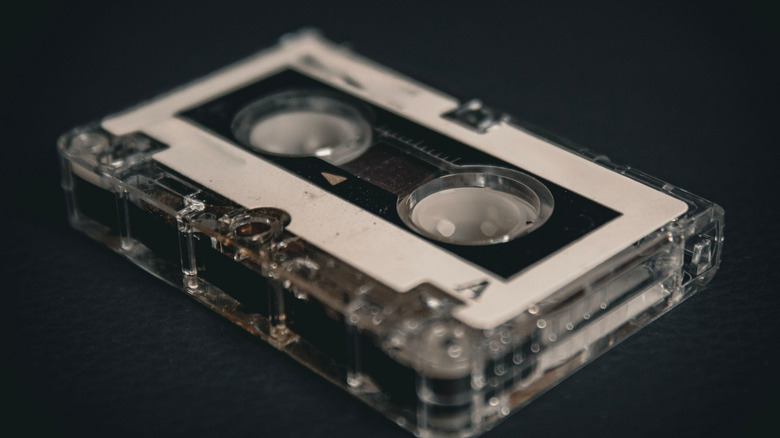
With a history that dates back to 1962, cassette tapes used magnetic film to record music and share it with others. It was something that could be done at home, which revolutionized the way we listen to music today. Even now, cassette tapes have seen a resurgence among collectors and music enthusiasts who appreciate their analog charm.
From the boom box to the Walkman, the cassette survived for only a couple more decades after the invention of the CD in the 1979. If you're feeling particularly nostalgic, you can actually buy cassette tapes on Amazon, like these Maxell UR 90 Normal Bias Blank Audio Recording Cassette Tapes. Consider pairing your cassette tapes with this vintage-meets-modern QFX J-220BT Boombox MP3 Conversion from Radio to Cassette. It allows you to record from the radio or convert cassette tracks to mp3 files, and playback is available from USB devices. This is the perfect mix of retro nostalgia and modern convenience.
Play-Doh was once used as a wallpaper cleaner
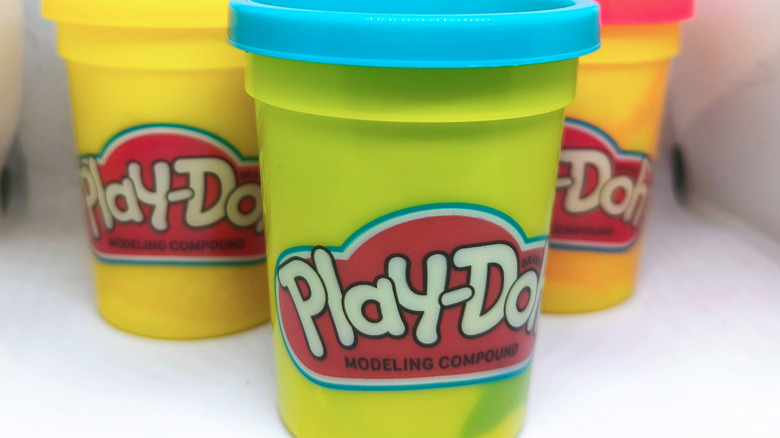
You might think of Play-Doh as a children's toy, but this putty used to have a utilitarian purpose. It was once used to clean off dirt, dust, and discoloration from wallpaper. The debris would stick to the putty without damaging the paper itself. As soon as it lost its popularity as a wallpaper cleaner, Kutol pivoted and started selling the soft compound as a children's toy. This shift completely changed the future of a dwindling product, and it had an unexpected revival that overshadowed its original intention.
Besides the fact that wallpaper itself became less popular, Play-Doh was swapped for better cleaning options on the modern market. For example, this Absorene Book Cleaner and Dirt Eraser can be used to clean wallpaper — or any paper product for that matter. You can also use a product like the KLASS Wallpaper Smoothing Brush, which gently removes dust and hairs without the risk of damaging the wall covering itself.
The gramophone could record and play music at home
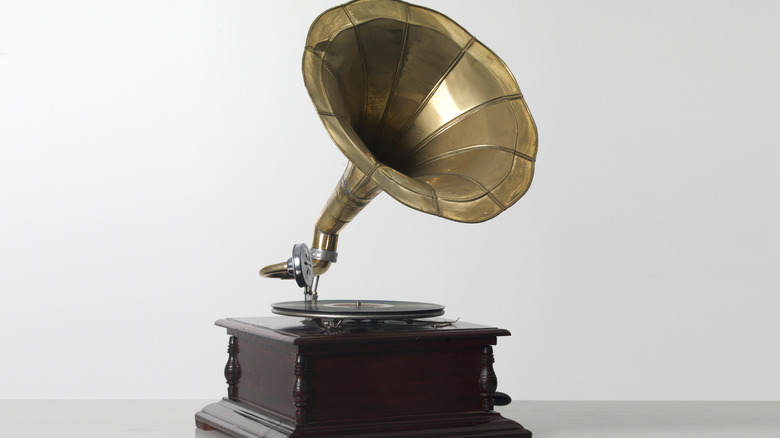
Before cassette tapes, the gramophone was the go-to device for playing music at home. It was invented just before the turn of the 20th century. It was essentially a record player with a large horn that acted as a speaker. They quickly became a functional showpiece for social gatherings. Gramophones not only brought music into the home, but also helped standardize how people experienced popular tunes.
Electrodynamic speakers eventually replaced the need for the gramophone horn, and the iconic silhouette became outdated. Although the gramophone itself might be obsolete, you can still shop for a modern device that is built to mimic the look of the classic player. This Hzlsbl Vintage Gramophone is a real record player that can also play Bluetooth music through the retro-inspired horn. If you have a home with classic architecture, this is a great way to integrate speakers seamlessly into your home. If you don't need all the bells and whistles of a real music player, this adorable Pretyzoom Vintage Gramophone Music Box makes for excellent desk decor.
Boomboxes weren't just for carrying around in public
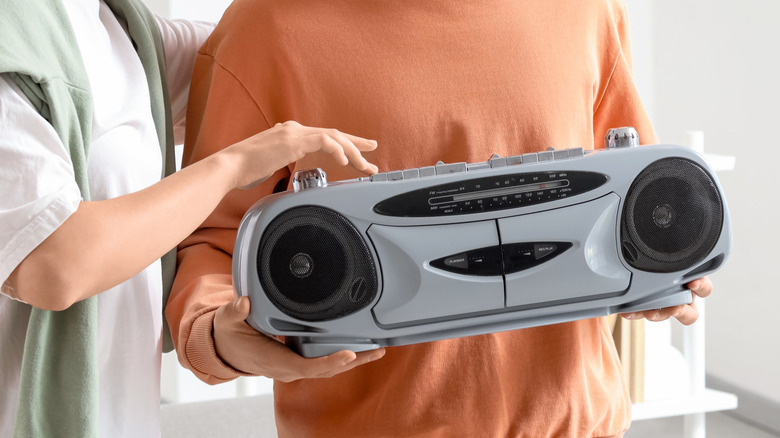
Boomboxes were another music-themed household staple, especially ever-present in teen's bedrooms. From the boxy versions of the mid-1970s to the rounded designs popular in the 1990s, these clever music players amplified the audio signal from a cassette tape or radio station. They eventually went out of style as music devices got smaller and even more portable.
The Walkman was the first design that replaced the original boombox for on-the-go music, and now we listen to music on our Bluetooth devices. However, Forbes recently reported that there may be a resurgence — similar to that of the record player. The Aiwa Retro Boombox CD Player is a popular product that looks like the original device with tons of added functions. If you want a smaller variation that is easier to carry around, this Antpo Retro Vintage Radio is only 4.8 inches high. These items can make great gifts for those who miss these nostalgic, retro gadgets.