

10 Maintenance Tips To Keep Your Permeable Driveway Looking Great For Years To Come

Permeable driveways are a brilliant choice for managing rainwater. Traditional pavers can be detrimental to sewer systems, as during heavy rainfall or storms, water can flow into the system and overload it. Permeable driveways avoid this issue by allowing rainwater to run through the gaps and filter back into the ecosystem. Installing a permeable driveway makes your home more eco-friendly and helps you avoid the headaches and annoyances that come with rainy seasons. These driveways are also durable and available in a range of styles, colors, and aesthetics to suit your home.
To keep your permeable driveway looking its best, regular maintenance, like sweeping and checking for ponding, is essential. Although they are not as high-maintenance as other driveway options, there are still things you need to do throughout the year. These maintenance tasks keep this trending upscale driveway material looking great and continue working smoothly for years to come.
Check for ponding
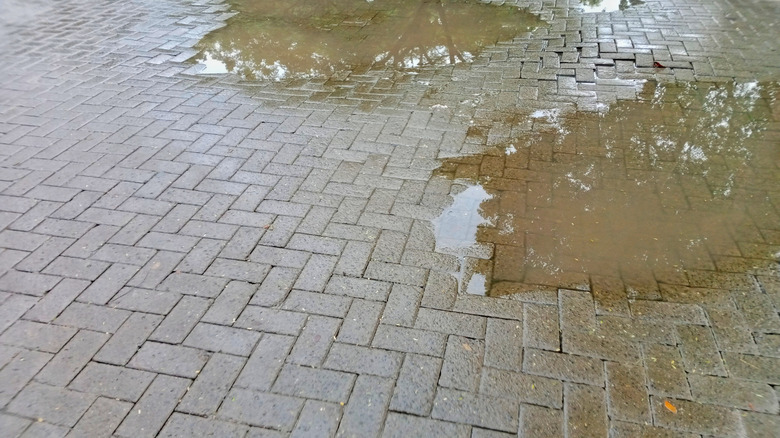
Although permeable pavers are designed to allow water to pass through, ponding can still occur, making your driveway look unsightly. Ponding also indicates an issue with the paving if it occurs regularly. Check for ponding after a storm, and if you see it, measure how deep it is. If it's more than one nickel deep, you will need to do work on your driveway. This may include brushing or vacuuming the joints to ensure they are not clogged with debris.
Sweep regularly
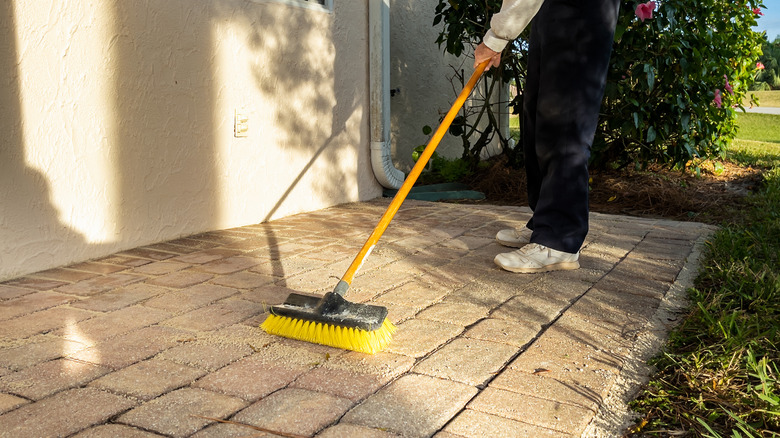
Leaves, dirt, and debris can build up on your permeable driveway, affecting its appearance and its ability to filter rainwater back into the earth. Sweeping often with a handheld bristle broom as soon as you see a buildup occurring helps you stay on top of maintenance and avoid issues down the line. This can also help you avoid vegetation growing in the joints of your permeable driveway and break up any crust that is appearing.
Use a vacuum once a year
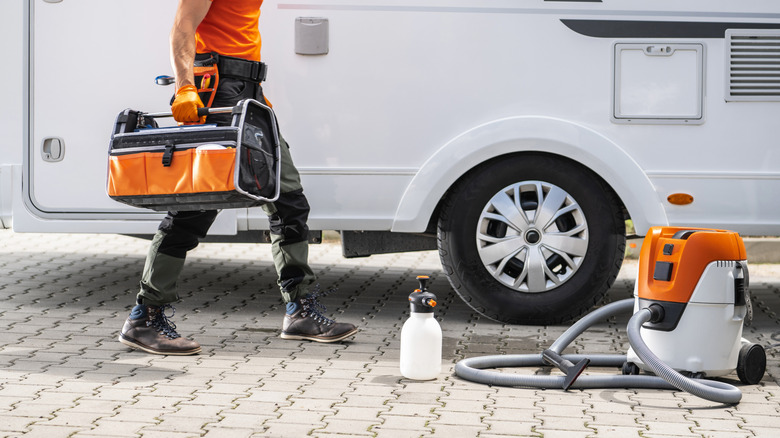
Sweeping regularly will allow you to keep your permeable driveway looking good, but it is helpful to give it a big clean once a year with a vacuum. This allows you to remove any debris that has settled in the gaps between pavers and ensure that all blocks and joints are free of materials that can affect how well your driveway filters water. Using a vacuum is also helpful if you have a large driveway, as it allows you to quickly and effectively clean the whole area.
Light pressure wash once a year
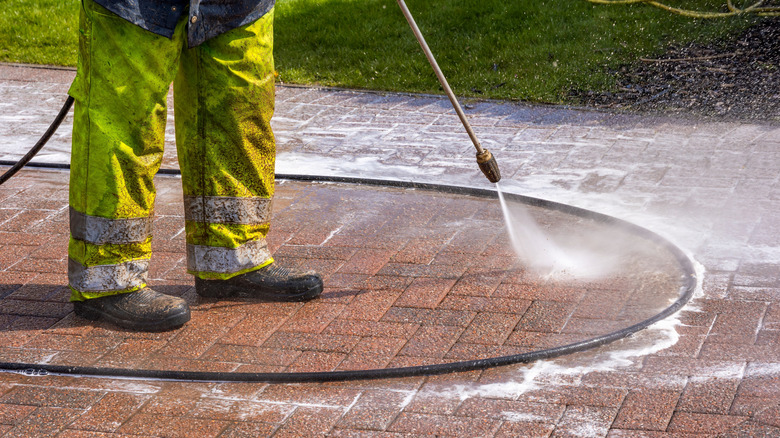
You may want to pressure wash your driveway once a year to keep it looking fresh. This will improve the color and appearance of your permeable pavers and remove any grime and dirt that has gathered over time. If you use a pressure washer on your permeable driveway, select the lightest setting. A high-pressure washer setting can damage the pavers. After cleaning your driveway with a pressure washer, check the jointing material and top it up if any has been damaged or removed during the cleaning.
Remove weeds regularly
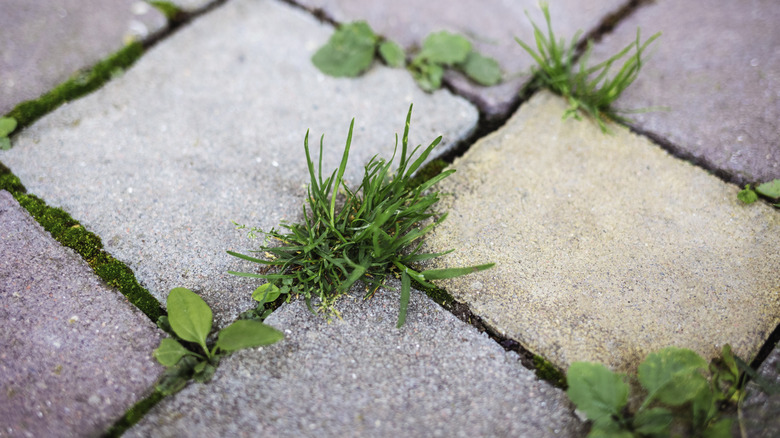
If weeds crop up between pavers, remove them as soon as they appear. Keeping on top of weeds helps keep your driveway clean and avoids drainage issues. However, because weeds can grow in the gaps between permeable paving and soil, and moisture accumulates, it is useful to determine why they keep appearing. You may need to sweep the driveway gaps more regularly with a stiff-bristle broom to prevent weeds.
Refill joining material when needed
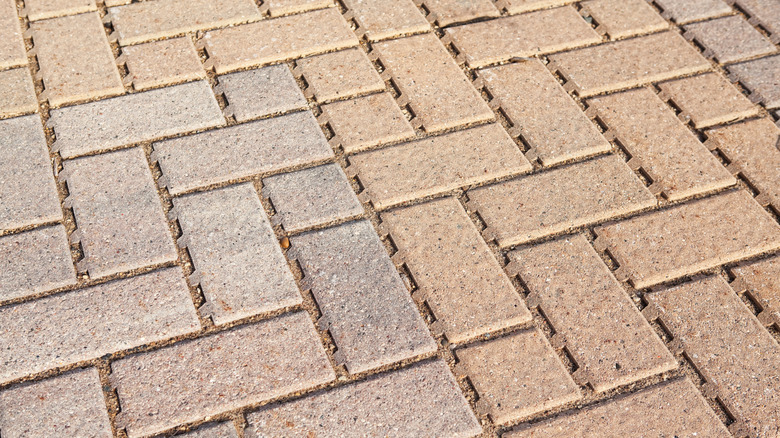
To maintain a neat and tidy permeable driveway, replacing lost jointing material is essential. The joints between the pavers should be filled to the top with permeable material in order to avoid the buildup of debris and keep the driveway looking neat. Ensure you use the correct jointing material when refilling gaps in your permeable driveway and applying it to the lip of the paving slabs. You should perform this maintenance when needed, but aim to completely replenish each joint every ten years or so.
Control moss or algae growth
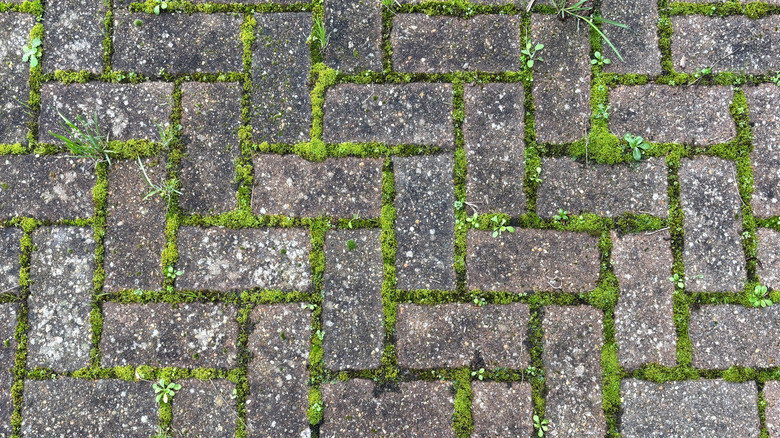
Although the design of permeable driveways makes moss and algae less likely to be an issue, you still need to keep an eye out for any growth and remove it as soon as it appears. Moss and algae may be an issue if your driveway is in a shady or wet location. This can make your pavement look unattractive and cause drainage issues. If you see moss or algae starting to build up, remove it with a stiff broom or a pointed weeding tool.
Replace damaged blocks
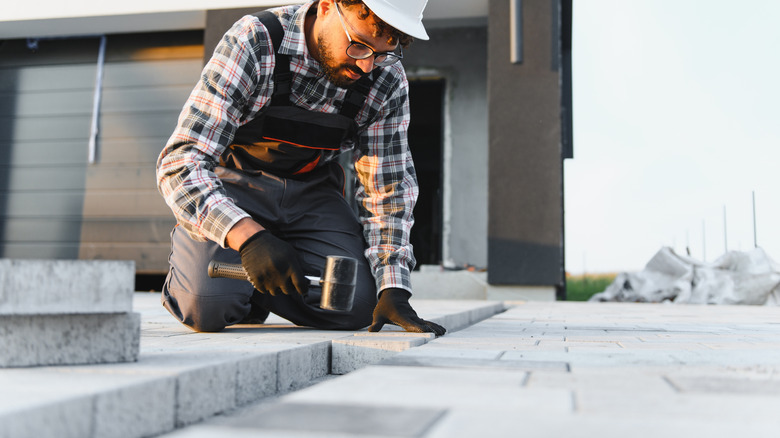
As the years go by, you may find damaged blocks appear in your permeable paving. To keep your driveway looking good and working well, you need to replace or repair the damaged pavers. Ensure you check your permeable driveway regularly for cracks, gaps, or rutting. If you see any issues, you must act swiftly to reset or replace the blocks in your driveway. Not doing so can impact the structure and integrity of your driveway, causing more issues down the line, so keeping on top of it can be invaluable.
Deice in the winter months
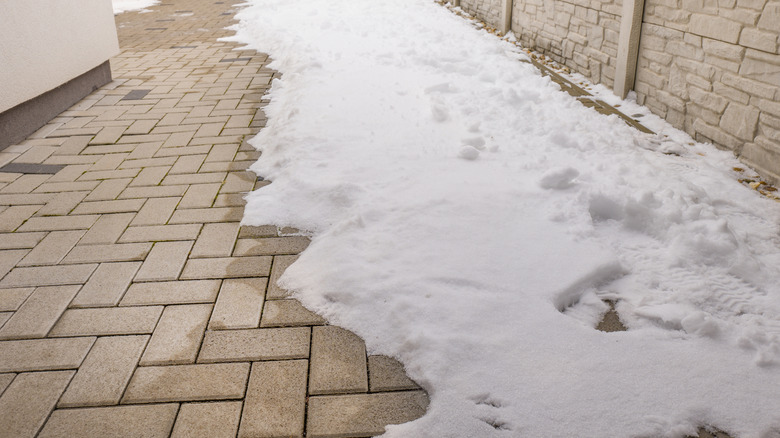
Ice is less likely to form on permeable driveways than on traditional ones because water does not accumulate as much. However, you still need to watch out for ice and snow over the winter months to avoid aesthetic damage to your driveway. You can use rock salt at temperatures as low as 20 degrees Fahrenheit, or calcium chloride for temperatures below this. However, excessive deicing can cause marks and damage to the pavers, so apply only as much as necessary and sweep once the ice has melted.
Apply a coating every three years
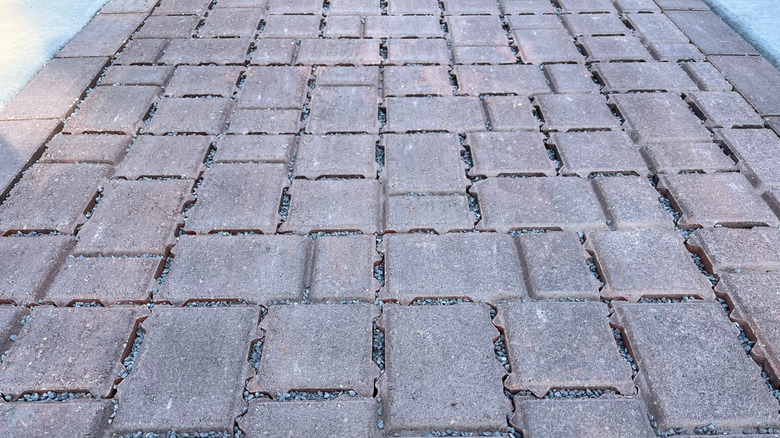
Adding a protectant or coating every three years to your permeable driveway helps to protect the paving from staining and damage. It also stabilizes the joints and discourages weeds. By stabilizing the joints, the water on your driveway can freely drain away without pooling. Protectants and coatings also protect your driveway from heavy foot traffic and the products you use, keeping it looking fresh and attractive over the years. When applying a protectant or coating to your driveway, ensure it is suitable for permeable pavers.