

How To Save A Cast Iron Plant Before It's Too Far Gone
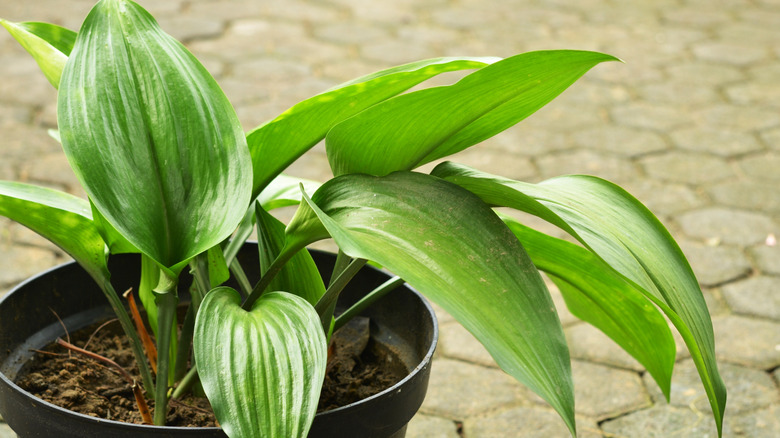
Cast iron plants (Aspidistra elatior) are fantastic low-maintenance houseplants that are easy to grow and look after. Tolerant of shade, low light, and a range of temperatures, they are a go-to choice for people new to the world of houseplants. But despite being tough, they may still suffer and start to deteriorate under the wrong conditions. If your cast iron plant is starting to die, you must first find out the reason why it is suffering and then act quickly to revive it before it is too far gone.
First, look for signs of common problems that affect these houseplants. Cast iron plants can experience from root rot, which is often caused by wet soil conditions. If your cast iron plant has root rot, it may have drooping or yellowing leaves. However, you will need to examine its roots to see if this is the cause of the issue. If the roots have a bad odor and appear slimy, soft, and brown, this may be what is causing your cast iron plant to deteriorate.
Cast iron plants can also be affected by the sun, with too much light causing the leaves to be scorched. If your plant has pale, bleached leaves or brown and brittle leaves, sun damage may be the cause. Think about where you are keeping your plant and if it is getting too much direct sun. Sun scorch can be made worse in dry soil, so check the moisture levels in the pot to figure out if this is the cause of the issue. If root rot or sun damage are not the problem, look for signs of leaf-spotting disease, including burnt-looking spots on leaves, which cast iron plants are susceptible to.
How to revive your cast iron plant
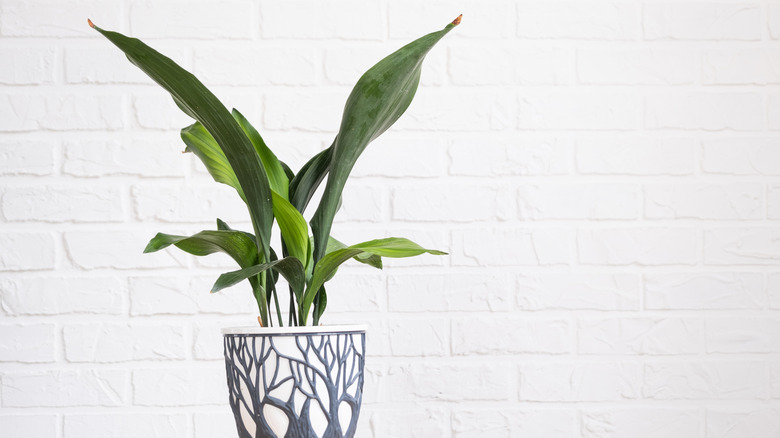
Once you have figured out the cause of your cast iron plant's health problems, you can make changes or treat it to bring it back to life. If sun damage is the reason for your cast iron plant deterioration, the fix is pretty simple. All you need to do is move your plant to a shadier location! However, if root rot or leaf-spotting disease is the issue, the solution takes a little bit more work.
To treat root rot in your cast iron plant, you need to reduce soil moisture. You should also cut off the infected roots and repot the plant in fresh soil and a new pot. When doing this, repot it in a container that has decent drainage to ensure that the problem does not occur again. If leaf-spotting disease is the issue with your cast iron plant, you will need to remove the leaves that are affected. Then, use a copper soap to prevent the disease from coming back.
Once you have treated your plant, help your cast iron plant flourish by keeping an eye on signs of the problems coming back. Hopefully, the changes and treatment you have used will mean that it starts to look happy and healthy soon!