

Signs Your Well Is Running Out Of Water (& What To Do)
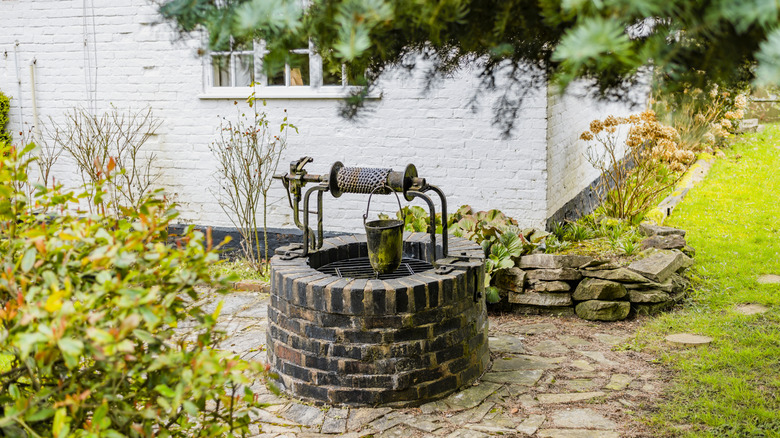
Turning on the faucet and being met with a trickle instead of a steady stream can make even the calmest homeowner panic. For households that rely on private wells, running low on water isn't just an inconvenience — it disrupts showers, cooking, laundry, and all basic daily needs that require water. Here's the good news: Wells rarely fail without warning. If you pay attention, there are often clear signals that the water level is dropping, giving you time to act before it goes completely dry.
Private wells draw water from underground aquifers, which are layers of permeable rock, sand, or gravel that store groundwater beneath the earth's surface. These aquifers naturally fluctuate with weather patterns, seasonal changes, and local groundwater use. When a well begins to produce less water, it's usually because the aquifer is being depleted faster than it can recharge. Recharging refers to the process of water moving from Earth's surface into the underground reservoirs, ultimately replenishing groundwater levels. During droughts or periods of heavy household demand, recharge can take days, weeks, or even longer depending on rainfall levels, soil conditions, and how quickly groundwater seeps back into the formation.
Spotting the early warning signs is absolutely key to avoiding a water emergency. Weak pressure, unusual noises coming from the pump, or changes in water quality are all clues that something is wrong below ground. Noticing these hints early allows time to change habits, call professionals, and prevent expensive damage to the well system itself.
Warning Signs You Should Never Ignore
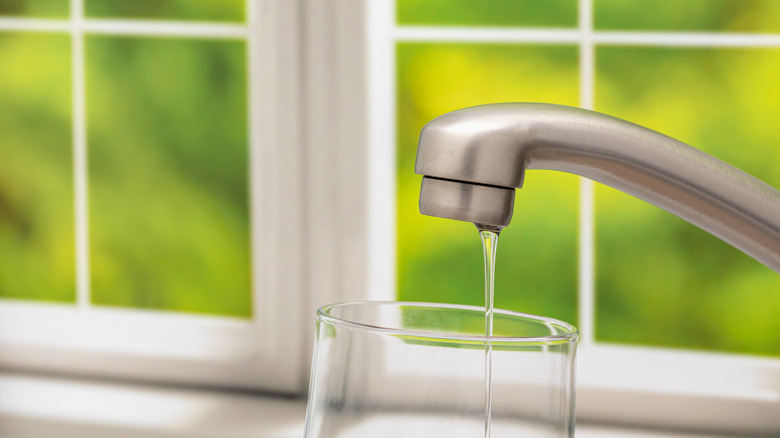
The number one sign of a struggling well is a sudden drop in water pressure. Sputtering faucets, weak showers, or inconsistent water flow of any kind can indicate that the pump is being overworked due to lower water levels in the well. However, low water pressure can also be a sign that there is an issue with the pump system itself rather than declining water levels.
Another red flag is any change in the taste, smell, or appearance of your tap water. Sediment naturally settles at the bottom of a well over time. When water levels drop too low, the pump can begin pulling water from closer to that sediment layer, stirring it up and sending it into the plumbing system. That often results in cloudy, gritty, or foul-smelling drinking water. Sediment and contamination are also more likely when a well is poorly maintained or under stress.
Longer pump run times can also point to trouble. If the pump seems to cycle on more frequently than usual or runs for long periods just to fill a washing machine or sink, it could be struggling to keep up. Overworking a pump in a low-water state can cause overheating, which may lead to mechanical failure and expensive repair bills. Getting into the more granular signs, even a spike in the monthly electricity bill can be a subtle hint that the pump is working harder than it should.
What To Do When Water Starts Running Low
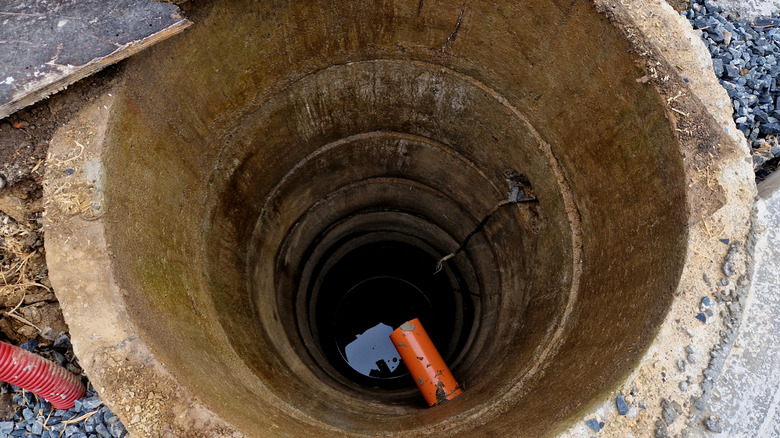
As soon as you notice signs of a dry well, your first move should be to cut back on water use. This means avoiding running multiple appliances at once, postponing laundry, limiting showers, and even waiting to flush toilets until the well has time to recharge. Water conservation can usually stabilize the situation, especially if the problem is caused by short-term overuse rather than permanent depletion.
Next, look at the equipment to determine whether the culprit is not water levels, but a failing pressure tank, clogged filter, or malfunctioning pump. Regular inspections of private well components help avoid and diagnose mechanical rather than groundwater-related issues. If troubleshooting feels outside your comfort zone, calling a licensed well contractor is always a safe bet.
For ongoing issues, a longer-term solution may be the best move. Installing a larger pressure tank or a dedicated water storage system can help households with low-yield wells store water during slower recharge periods, especially during peak demand. In more severe cases, professionals may suggest deepening the well or drilling a new one in a more productive location. Those options are pricey, but they can provide a reliable supply when conservation alone isn't enough.
Above all, it's important to remember that ignoring the problem is the worst approach. A well that runs dry multiple times can suffer permanent damage, and pumps that run without enough water can burn out quickly. Paying attention to early warning signs and acting on them right away is the best way to keep water flowing and avoid a plumbing disaster.