

Grow This Peach Tree Variety For Delicious Fruit & Stunning Spring Blooms
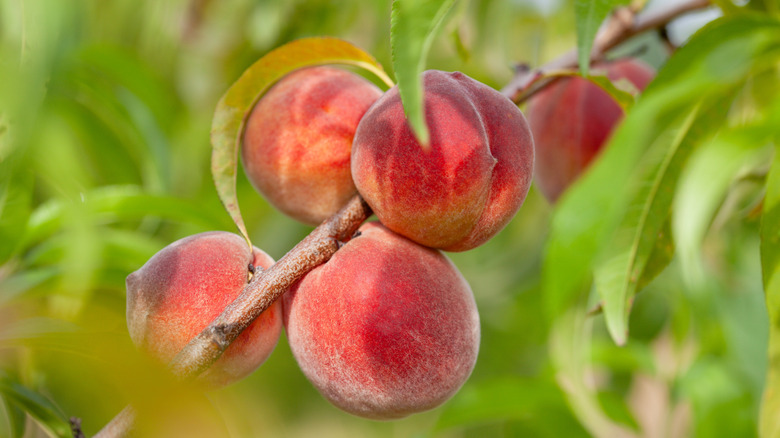
There is something about plucking fruit from a tree you nurtured for years and biting into it (after a little wash) that is extra special. Homegrown just tastes better, and there are loads of fruit trees that even beginners can grow in their yard. However, certain fruit trees also provide seasonal interest in spring when their stunning blooms start to appear. One tree that sports beautiful flowers and tasty fruit is the Elberta peach tree (Prunus persica 'Elberta').
The popular peach tree is synonymous with Georgia, with the creation of the cultivar in 1875 making the state the country's leading peach grower in the early 1900s. Since its introduction, the Elberta peach tree has become popular across the U.S. because of its high yield and tender, sweet fruit. In one season, each mature tree can produce up to 150 pounds of fruit, but quality and taste are not sacrificed for quantity.
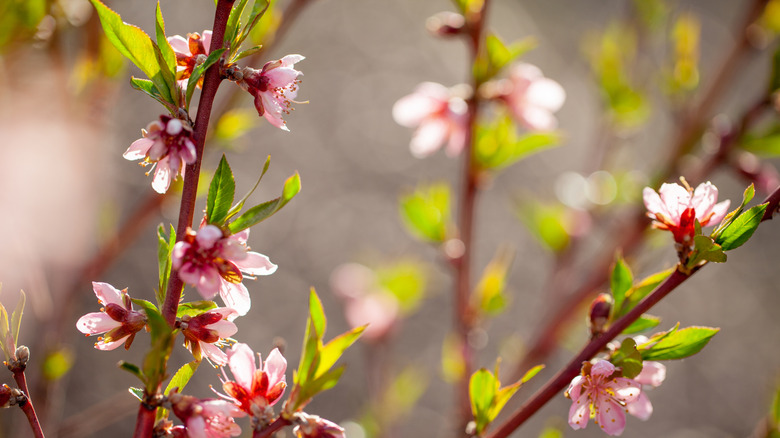
The fruit ripens in July and August, but before that, the tree will put on a real show. In the early spring, the Elberta peach tree gets covered with vivid pink and purple blossoms, with small, delicate flowers packed densely along the branches. As a self-fertile tree, you only need one in your garden. However, having multiple Elberta trees will increase your crop. They are also disease and insect resistant, so you don't have to treat your tree with chemicals.
How to plant and care for the Elberta peach tree
The Elberta peach tree can be grown in USDA Hardiness Zones 5 to 9 and prefers a spot in well-drained, sandy soil. As the tree is not tolerant of drought, don't plant it in dry areas, and look into bringing in irrigation systems if you live in an area that doesn't get much rain. This peach tree needs to be planted somewhere with access to at least six hours of sunlight a day and is sheltered from harsh winds.
When you have found the perfect spot for your Elberta peach tree, dig a hole twice as wide and deep as the root ball and place it in. As you fill the hole in with soil, water as you go. After six weeks, apply a pound of balanced fertilizer. Ensure you are keeping the soil around the tree moist by watering once or twice a week.
In terms of ongoing care, watch out for signs of underwatering, such as dry or browning leaves. Apply fertilizer in spring, summer, and fall, and prune in late winter or early spring to shape it and get rid of dead or damaged branches. In the right conditions, this fast-growing fruit tree will begin producing peaches after three or four years and grow up to three feet annually.