

8 Unpleasant Odors You Can Get Rid Of Using Fireplace Ash
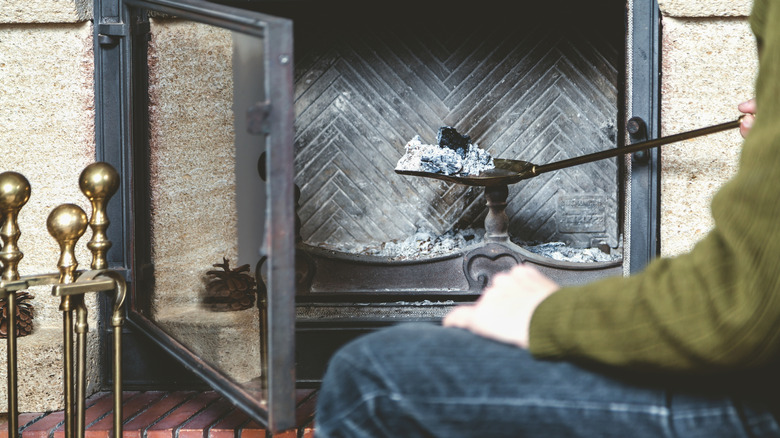
As a part of properly cleaning your wood-burning fireplace, you'll need to remove all the leftover wood ash once it's properly cooled. However, instead of disposing of it, there are several ways to repurpose fireplace ash around your home, including as a way to target and remove any unpleasant odors. Due to its alkalinity, wood ash neutralizes acidic odors, such as those leftover from the ammonia in a pet's urine. Wood ash can also absorb excess moisture in the air, which may help tackle any humidity-related odors like mildew that often pop up in areas like basements or attics.
Before diving into the various ways you can use fireplace ash for odor removal, safety is one of the most important factors to prioritize. After all, you are still working with a fire hazard, especially since wood ash can hold heat for several days or even contain live coals that could reignite under the right conditions. After your ash has cooled enough for removal, you should leave it in a heat-safe container (never anything flammable like plastic or wood) and allow it to continue to cool for a week. Even after this time, be sure to use care and familiarize yourself with proper wood ash safety protocols, such as using protective gear as needed, preventing ingestion and inhalation, and avoiding accidental spills on sensitive surfaces that may not tolerate the alkalinity well.
Lingering fridge smells

Refrigerators can pick up weird smells for a variety of reasons. Maybe there's unseen spilled food on one of the shelves, or maybe even an expired item you missed the last time you deep-cleaned your fridge. Whatever the cause, opening your refrigerator to a funky odor can be unappetizing. Fortunately, just like with baking soda, wood ash can be stored in an open or breathable container in your fridge. Here, it can soak up any of those unpleasant smells, although you'll still want to find and remove the source of the odor as well for the most lasting results.
Leftover cooking scents

Unwanted scents can pop up elsewhere in your kitchen, too. For example, while that pan-seared fish was a culinary hit, you may find yourself wishing you could do without the smell. Because of how well wood ash absorbs, it can pull those nose-turning odor molecules from the air and trap them, which then leads to a fresher-smelling kitchen after you're finished cooking. Simply place a bowl of ash on your kitchen countertops once all food has been eaten or stored away.
Pet accident odors
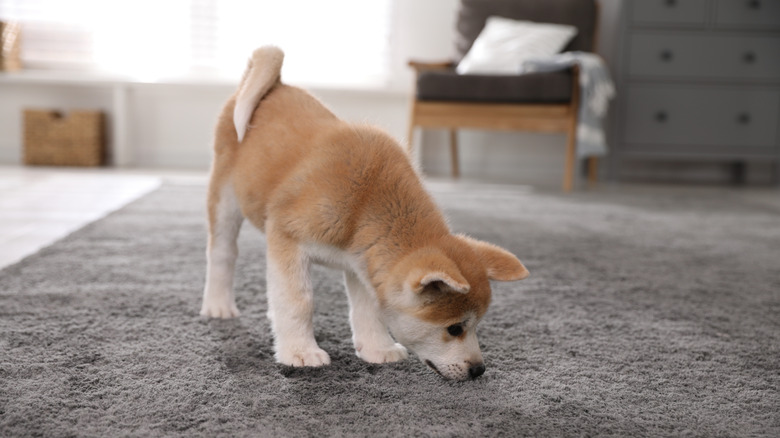
Even the most well-trained dog may have the occasional accident around your home. If you've cleaned up pet urine before, you may be well acquainted with the odor of ammonia. Because wood ash has a basic pH, it can be used to neutralize the acid behind the smell, keeping any unwanted scents to a minimum, though thorough cleaning remains necessary. Make sure that your pet doesn't come into contact with the ash, either through ingestion or inhalation. Instead, place them in a secure area and then apply and remove the wood ash before letting them roam again.
Unpleasant scents from garbage cans
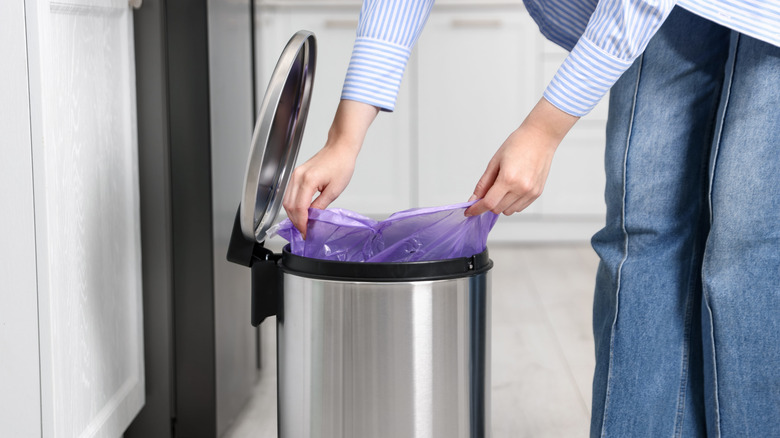
After constantly holding trash, it's no surprise that your garbage cans may develop a unique odor. However, that doesn't mean you're stuck with unwanted scents. Instead, you can also use wood ash here to help remove the remnants of your last trash bag from your garbage can. To use leftover fireplace ash in your trash can, simply add a small open container with the ash to the bottom of the empty bin, then add your trash bag as usual. You can also just sprinkle a small amount on the bottom of the bin.
Compost pile smells
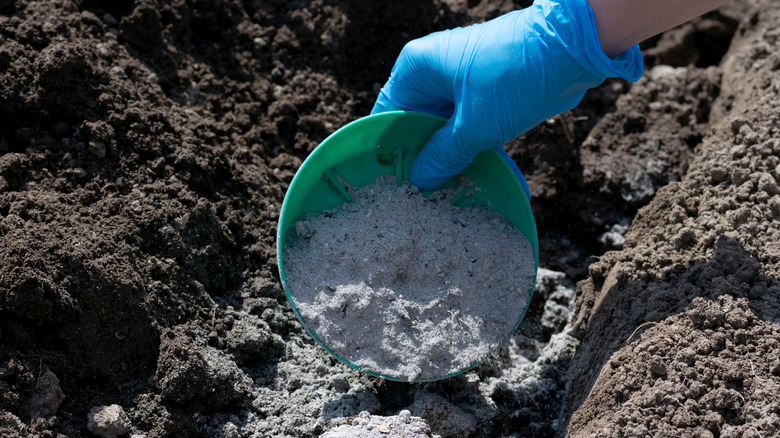
Composting can help reduce common household waste while also providing you with nutrient-rich soil to add to your garden, making it an easy DIY gardening hack that's as eco-savvy as it is budget-friendly. However, with all good things, there can be some downsides, and for compost bins, that's the odor. To reduce the scent of your compost pile doing its job, consider occasionally adding wood ash into the mix. Don't worry about leftover fireplace ash harming the pile either; clean, pure wood ash can benefit the compost by adding nutrients and deterring pests.
Moisture-related odors

Does your finished basement smell musty? Excessive humidity can lead to a variety of problems within your home, including mold and mildew. While it's essential to target the cause behind the moisture problem itself, wood ash can be helpful for combating the symptoms. This includes that telltale odor that often comes with excessive moisture in your basement or other areas of your home. Plus, wood ash can also help to lower humidity, though it may not be enough to remedy severe cases. Simply set a bowl of ash on an out-of-reach surface in your basement.
Ventilation-related scents

Have you ever noticed that your closet or other small space within your home smells musty? Or maybe your attic is sporting an unpleasant scent despite no moisture issues. Ventilation can also play a role in stale, funky odors around your home. As a result, you may wish to add a small container of wood ash to those areas with poor ventilation. Even without visible moisture, ash may help reduce stale odors in poorly ventilated spaces.
Outdoor odor hot-spots
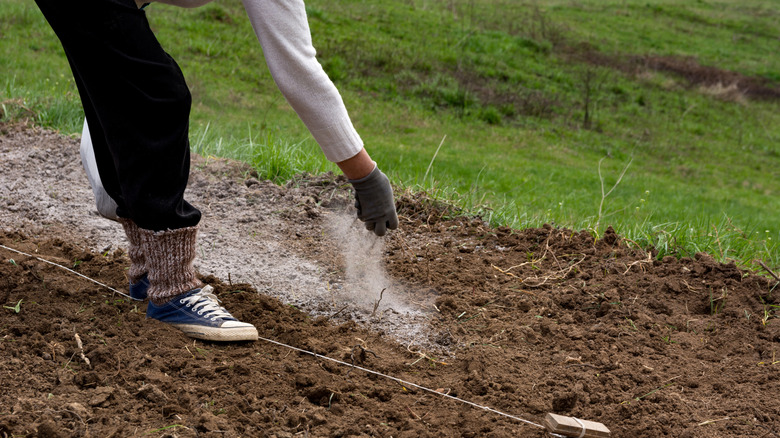
Wood ash can be used as an all-purpose odor eliminator for stinky spots around your yard. If your dog frequents a particular spot outside that's beginning to smell, if your garden has been sprayed by a skunk, or if your lawn has become a potty for local wildlife, ash can help. Just like inside, simply sprinkle any fireplace ash over commonly frequented and smelly areas, ensuring that pets or children aren't able to come into contact with it. In small amounts, wood ash can also add minerals to soil, though overuse may alter pH levels