

17 Outdoor Garden Features You Should Be Cleaning With Hydrogen Peroxide
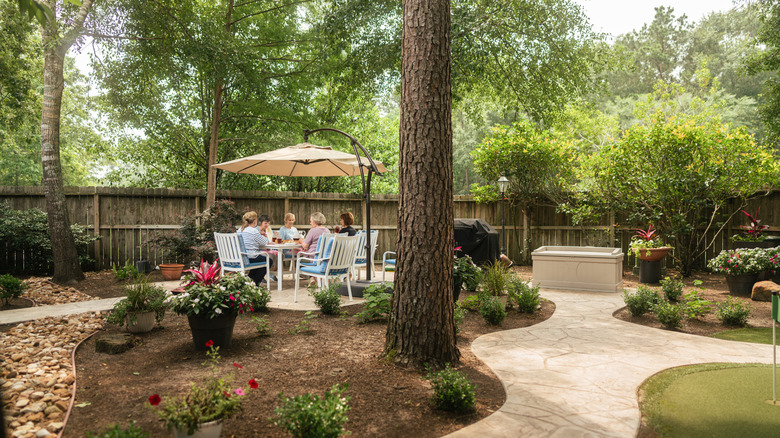
When it comes to creating a clean space to unwind in and enjoy, those day-to-day tasks don't end at your front door. Keeping your outdoor space clean can boost curb appeal, reduce grime and germs, and also help prevent more extensive maintenance in the future. Fortunately, keeping your favorite outdoor garden features like planters, bird baths, or even furniture doesn't have to be a hassle with the use of hydrogen peroxide.
Hydrogen peroxide helps disinfect, sanitize, and clean surfaces around your home, and your outdoor garden features are no exception. This bathroom staple has various uses, from removing stains to killing bacteria, and when using a low concentration, it can be safe for many surfaces. This is especially true when it's diluted with water. As a result, it often finds itself in the arsenal of many gardeners and outdoor enthusiasts because of its ample versatility in cleaning everything from artificial grass to essential garden structures like trellises or cages.
Of course, while hydrogen peroxide is generally seen as a gentler cleaning option, especially for any of those outdoor garden features relating to birds, there are a few things to keep in mind. First, different objects can require different dilutions, with wildlife-related garden features often requiring lower concentrations. There are also some things you should never do with hydrogen peroxide in the garden, such as mixing it with other products without checking first or using it on the wrong surfaces. Always use caution and the right PPE when using cleaners.
Seedling trays
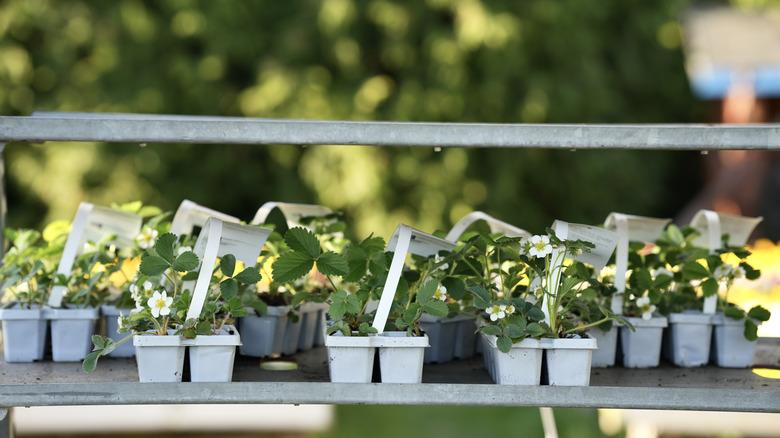
If you prefer starting your new seeds indoors, then seedling trays are likely the foundation of your garden's most eye-catching feature: the garden itself. However, even seedling trays need a little TLC every now and then. After you've transplanted a round of seedlings, take some time to clean and sanitize your trays (your future plants will thank you). To do so, simply spray 3% hydrogen peroxide onto your trays, allowing it to sit for a few minutes before rinsing thoroughly. You can also give it a pre-clean with a brush and mild dish soap for removing tougher grime.
Pots and planters
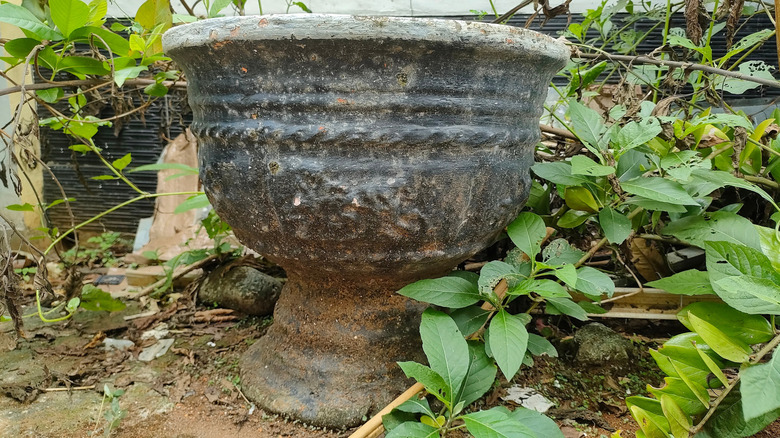
While freshening up your seedling trays, you can also clean most planters or pots with hydrogen peroxide. Like with all of your outdoor garden features, just be sure to double check that the materials can tolerate this cleaner; some metals and natural stones may require a different cleaning product. Depending on the material, you may wish to use peroxide similarly to seedling trays by using a 3% concentration on its own or instead dilute it with water for a gentler cleaning solution. Allow the peroxide to sit for several minutes on your planters before washing it away.
Outdoor furniture
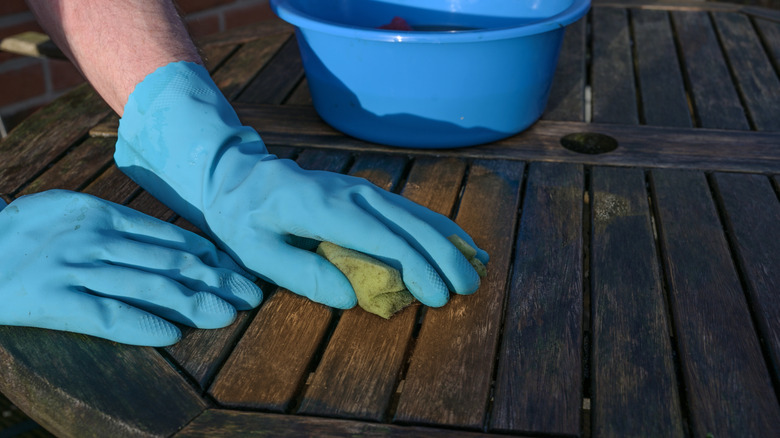
Another outdoor garden feature you should be cleaning with hydrogen peroxide is your outdoor furniture. That's right, for most types of furniture on your patio or other popular gathering spots, hydrogen peroxide can offer a brightened appearance while reducing odors and stains. You can even mix it with baking soda for additional scrubbing power to give your outdoor furniture a fresh start for the new season. Just be sure to exercise caution with wood and metal furniture frames. They may not tolerate hydrogen peroxide as well as some other materials.
Outdoor countertops
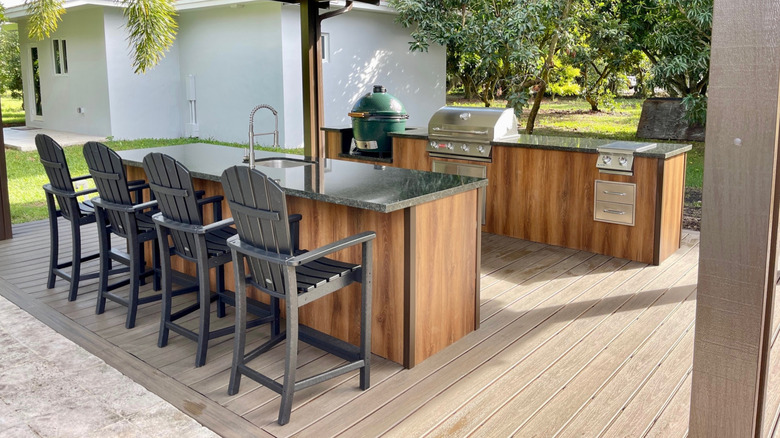
Whether you use them to prepare food for your next social gathering or to handle your gardening tasks, countertops are one outdoor feature that many homeowners adore. However, much of that love can diminish when you're faced with grimy, stained countertops. After all, even outdoors, a clean surface can make a difference. Like with your outdoor furniture, a little hydrogen peroxide and baking soda can go a long way when restoring life to your outdoor countertops. However, be considerate of weather proofing and ensure that this mixture won't harm your countertops or their finish.
Tomato cages
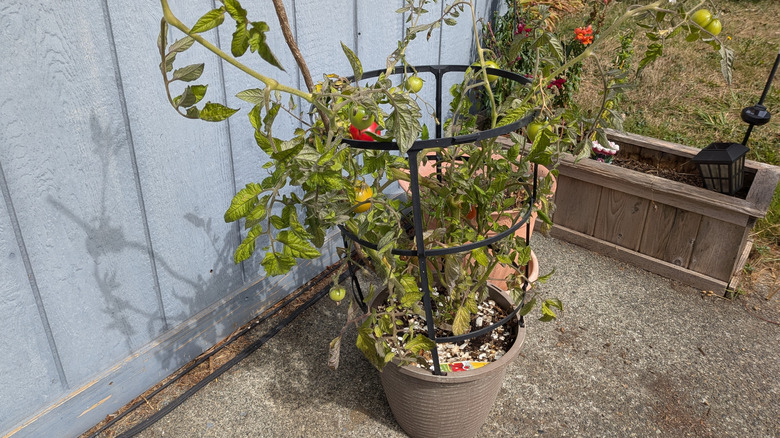
Few outdoor features can draw the eye like a tomato cage showing off intricate vines and leaves with irresistible red fruit. However, once the season is over, did you know that you can clean your tomato cages with hydrogen peroxide? Because hydrogen works as a disinfectant, it can be useful for getting rid of any germs from the season that may negatively impact growth, ensuring that your next batch of tomatoes has a fresh, clean start that allows them to thrive come the summer.
Garden trellises
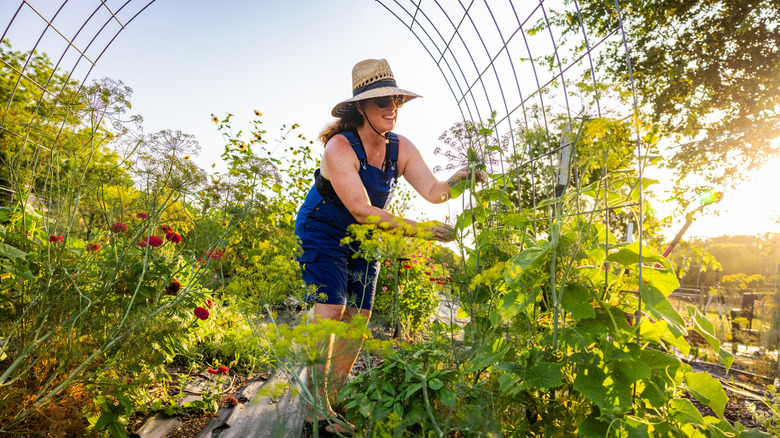
And don't forget about your garden trellises! While these may be used for other plants in your garden outside of tomatoes, you'll still want to give them the care and maintenance they need to last. This includes the occasional deep clean, especially if you're planning on adding a new plant. To clean your trellises with peroxide, just spray them down with a 3% solution, then allow it to sit for up to 10 minutes. After this time, rinse well and return your sparkling clean trellis to the garden where it can continue to be a show-stopping feature.
Bird baths
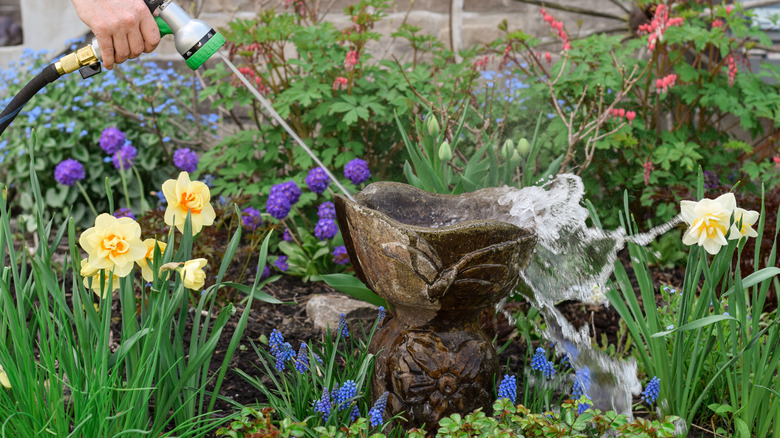
Hydrogen peroxide offers one of the easiest ways to clean your birdbath, providing a place where your feathered friends can drink and preen. However, when cleaning your birdbath with hydrogen peroxide, you want to make sure you're taking the right steps to do so safely. This means making a 1:1 dilution of water and peroxide to apply to the birdbath after emptying the old water, allow it to sit for just a few minutes, and then thoroughly wash and remove, ensuring no residue is leftover. Fortunately, when used correctly, hydrogen peroxide is considered a safe cleaning solution for bird supplies.
Artificial grass
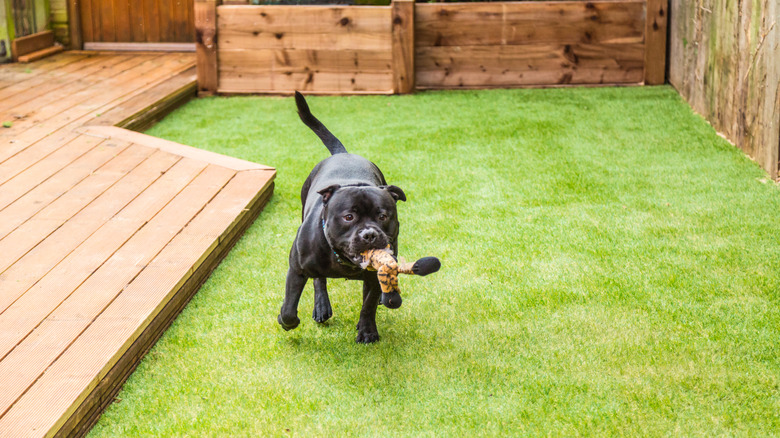
One of the benefits of artificial grass is that it has no need for watering or cutting for a visually appealing lawn. You will still want to give it the occasional deep clean, however, especially if you have pets. Rinsing your artificial grass is often enough to remove debris. But, if your goal is to remove odors from day-to-day use and pet restroom habits, then hydrogen peroxide sprayed from a garden pump sprayer can provide the deep clean you need. Always check any warranties first, spot test, and use peroxide properly to avoid bleach or damage.
Potting benches
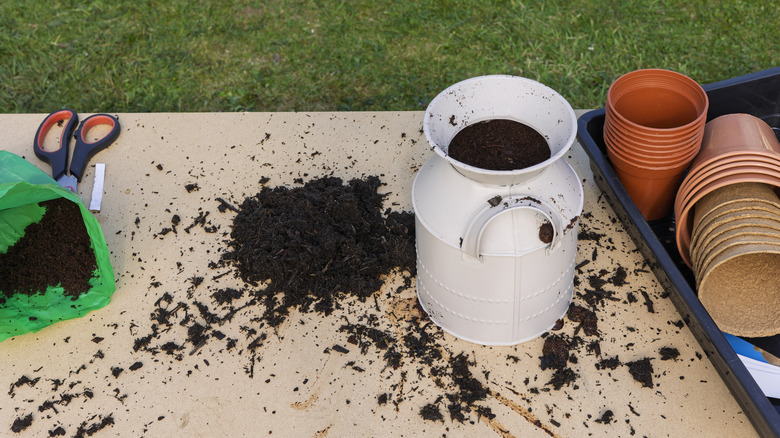
Few functional features elevate your garden like a potting bench. Potting benches can be useful for routine garden tasks, whether that's pruning small plants or repotting those in need. You can also use it for storage, keeping all your tools and supplies in one neat area. However, with so many plants and so much potting soil, grime can build up over time. Hydrogen peroxide can be used to disinfect your potting bench — as well as any tools you're storing there (although you may prefer more heavy-duty solutions). However, before wiping it down with 3% peroxide, wash the bench with soap and water.
Concrete statues
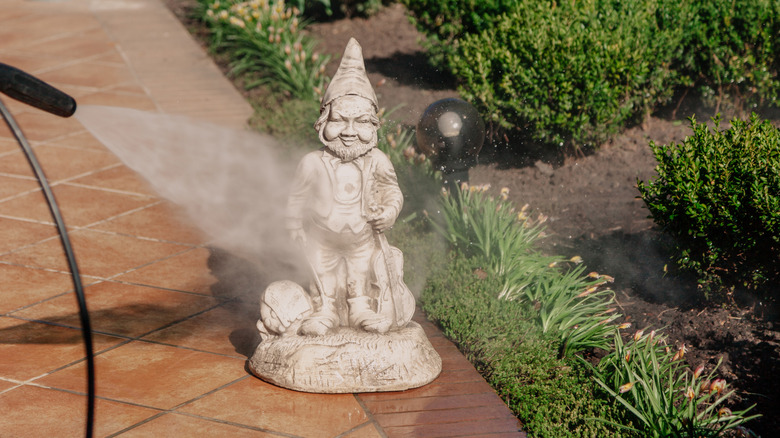
Concrete statues (or sculptures) add personality and character to your outdoor space, helping create visual representations of your interests. Maybe you've chosen to decorate your garden with wildlife statues, or maybe you prefer more abstract art pieces. Regardless, if stubborn dirt and discoloration start to pop up, you may find yourself in search of tips to clean up your outdoor statues. Consider using hydrogen peroxide on tough grime that isn't removed by soap and water alone. Just make sure to spot-test beforehand to prevent any poor reactions.
Vinyl fencing
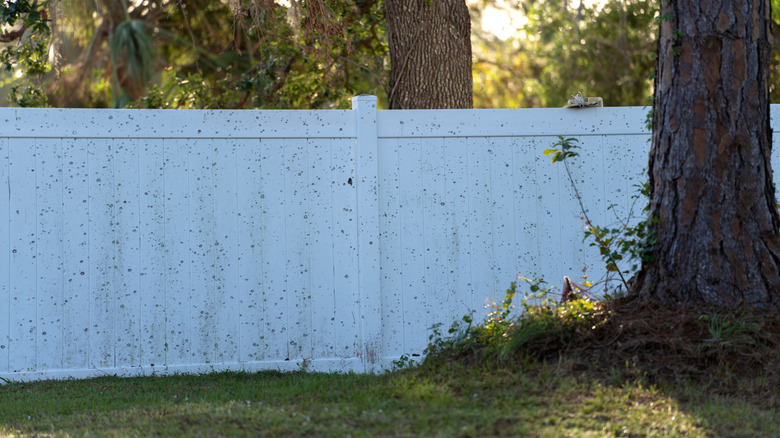
A vinyl privacy fence often comes with less maintenance than its wooden counterpart. No need to worry about stains or finishes, no termites or other insects to damage the boards themselves. However, you will still need a little elbow grease to maintain the visual appearance of your vinyl fence. Over time, your vinyl fence may develop mildew spots as a result of outdoor conditions. For many fences, when used with care, hydrogen peroxide helps remove mildew stains as well as other grime, restoring the appearance of your fence.
Bird feeders
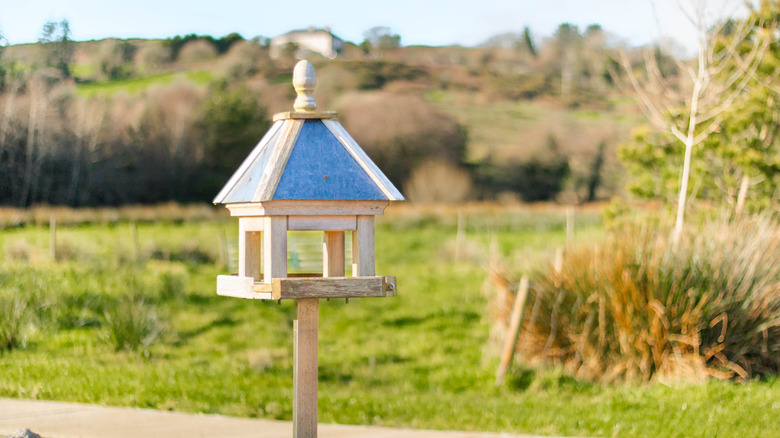
Adding bird feeders as an outdoor garden feature can be a great way to attract more birds to your yard. However, it's essential to do so responsibly. This means not only ensuring that your bird feeders remain filled with clean, non-spoiled food but also that the feeders themselves are clean and free of any mold or mildew. To use hydrogen peroxide to clean your feeders, you'll want to properly dilute it using one part peroxide to nine parts water. Afterwards, rinse your feeders well and dry them to remove any leftover moisture.
Rugs
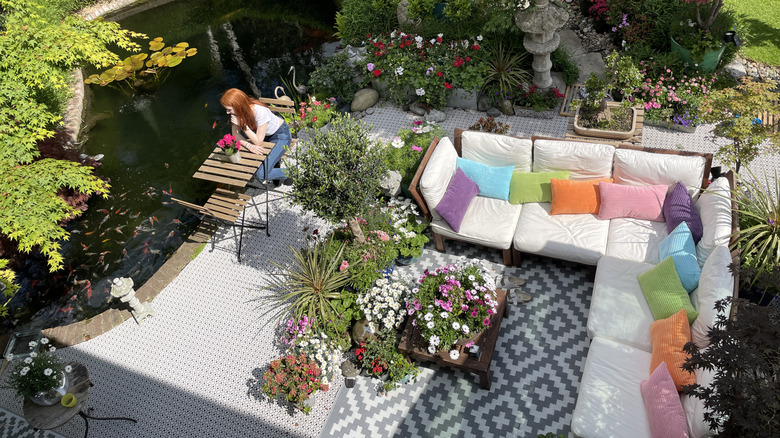
Outdoor rugs pair functionality with aesthetics, making them a must-have in your gathering areas where you want to prevent surface wear-and-tear (or even slipping hazards) while maintaining your own personal style. However, when food or beverages spill, your eye-catching outdoor feature can end up with stains. Fortunately, 3% hydrogen peroxide is often used to lift stains from fabric, most rugs included. For deep-set stains, consider making a paste with baking soda as well. Just make sure to test in an unseen spot first to avoid bleaching or discoloration.
Garden sinks
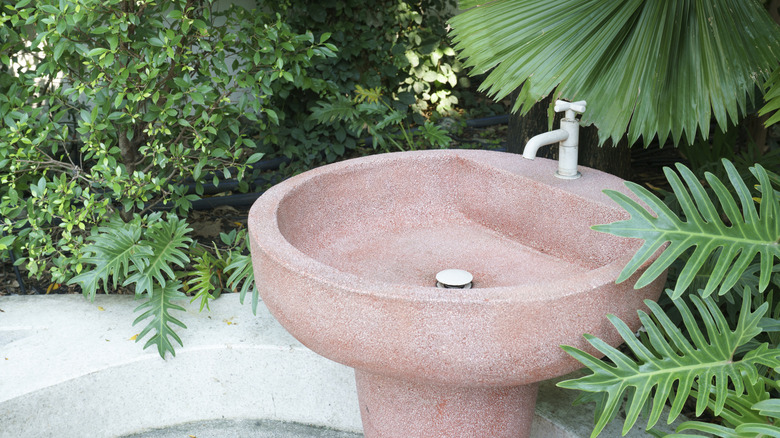
If you're an avid gardener, then you may just be aware how beneficial a garden sink is — no more bringing in unwashed produce or tracking dirty pots and planters inside. However, while this outdoor garden feature may be highly appealing, it does need some care and maintenance every now and then to prevent problems. Low concentrations of hydrogen peroxide can be safe for cleaning and even handling minor sink clogs. However, since this is specifically for outdoor sinks, you may wish to use a different option if your sink doesn't offer potable water or for certain metal sinks.
Greenhouse windows
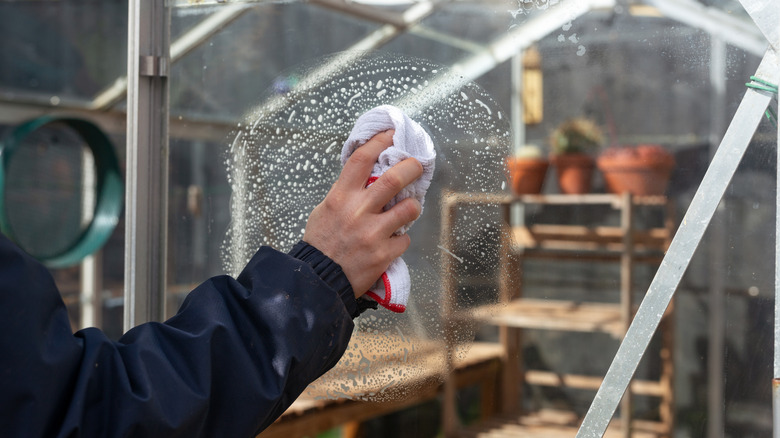
Are your greenhouse windows looking a bit under the weather? Maintaining a sparkling greenhouse is important for visual appeal, but it also needs to stay clean for functionality and the health of your plants. When used correctly, hydrogen peroxide provides a streak-free finish for windows while removing dirt or dust and sanitizing. It's easy to do, as well: spray hydrogen peroxide on an old rag you don't mind cleaning with and wipe down each window as you typically would. Because peroxide removes odors, it can also help with any unwanted smells in your greenhouse.
Fountains
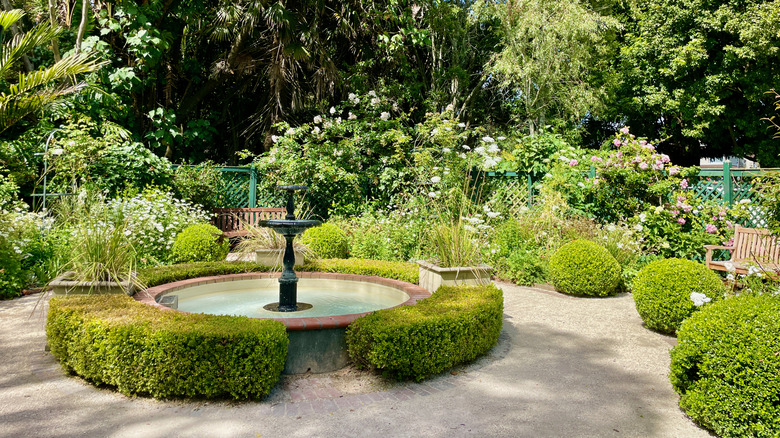
Fountains are timeless when it comes to outdoor garden features. However, they may not be nearly as eye-catching when algae flares up. For concrete decorative fountains, you can use peroxide just like you would with other concrete statues. However, you can also add a bit of peroxide to the water to help with algae. Most hydrogen peroxide products aren't approved for use with fish, however. As a result, consider commercial options designed specifically with aquatic animals in mind if your fountain connects to any fish features in your garden to avoid any potential complications.
Birdhouses
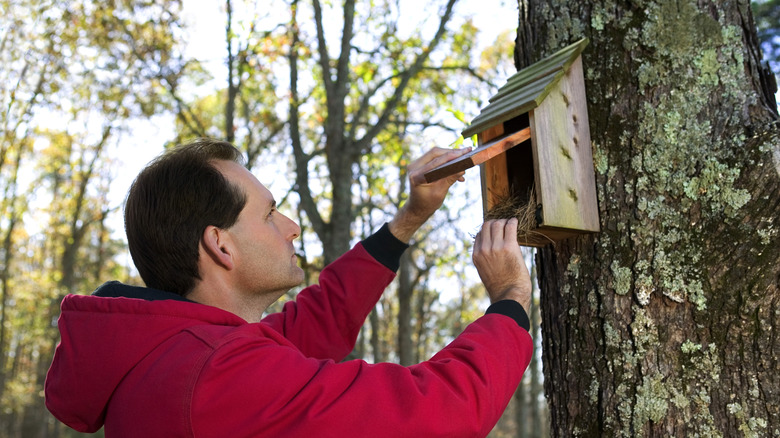
Birdhouses should be cleaned after each family moves on, ensuring that no diseases or pests hang around to infect the next brood. There are many products you can use when looking for the best way to clean a birdhouse, including store-bought cleaners. However, you can also consult your medicine cabinet. Although you'll need to dilute it with water (and rinse well after cleaning), hydrogen peroxide can be used to clean, sanitize, and deodorize your birdhouses. This gives the next feathered family a fresh start in their child-rearing as they visit this outdoor garden feature for years to come.