

Hate Rats? Whatever You Do, Don't Move To These 12 Cities

Seeing a rat may send chills down your spine, but sometimes you can't avoid them. There are places where you might encounter more rats more frequently, though, and they made Yelp's "Infestation Index." While Yelp didn't count each city's rats, their methodology relied on which areas had the highest searches for "rodent services." So, if you hate rodents, these are cities you might want to avoid moving to in the future, as they're brimming with rats.
Rats are increasingly a problem as rising temperatures create more favorable conditions for them. This is true especially in heat islands (dense pockets of construction with limited vegetation), which trap heat more than nearby rural areas. Major cities, including Chicago, Los Angeles, and San Francisco, are heat islands with increasingly higher rat populations. Heavy, dense populations mean more trash, more food, and more places to lurk. When winter is marked by warmer days, this offers more opportunities for rodents to look for food and reproduce amid the sprawl.
As a homeowner in these cities, you can expect to find more creepy critters in your home. They may chew wires and drywall, and breed on your property, potentially causing extensive damage. Rodents can be destructive and often carry diseases. Common rodent-borne diseases from rats and their droppings include salmonellosis, hantavirus, and leptospirosis. The most common rat species in the United States are the Norway rat (brown rat, sewer rat), which prefers burrowing or living above ground, and the roof rat, which enjoys climbing to eaves and other high spaces to nest.
Los Angeles, California

The worst city on the list for rats is Los Angeles, with the City of Angels featuring the most searches for rodent problems. The conditions here are ripe for rats, with mild year-round weather and ample food sources thanks to a dense population. Many older homes offer prime nesting opportunities, as rodents scurry through cracks and gaps in aging architecture. Past drought conditions may also cause rats to come into homes in search of water and food. The city struggles with Norway rats in particular, though it also sees its share of roof rats.
San Francisco, California

Not only is San Francisco high on the list of cities to avoid moving to if you hate rats, but it's also seen the rat population grow faster than other comparable areas, according to a Science Advances study. One reason for the expansion, researchers say, is the warmer temperatures resulting from climate change. The study relied on 311 reports for rat sightings to form its conclusions. Among the methods the City of San Francisco uses to tackle the problem is distributing rat birth control throughout municipal parks.
New York City, New York City
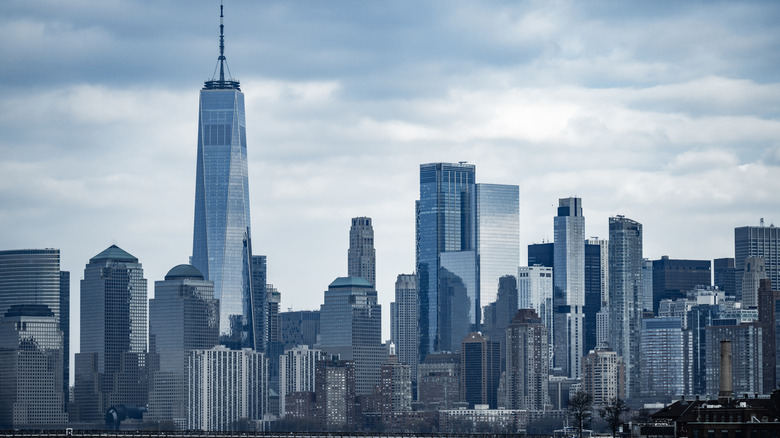
Whether it's a subway rat or the infamous pizza rat, the Big Apple has been synonymous with rodents for years. Rough estimates in 2025 put the city's population at 3 million rats. In 2023, the city appointed the first Rat Czar, or Director of Rodent Mitigation, who began installing rat-proof trash cans and making burrowing harder with slabs. They also cautioned residents on the more inexpensive solutions to keeping rodents out, levying fines on households and businesses that didn't do simple things like separating compostables from their trash. The efforts reportedly led to a decrease in rat sightings for 12 consecutive months.
Chicago, Illinois

Chicago regularly faces rat problems due to its many alleys, which provide rodents with good cover to scamper undetected in their hunt for food. The nooks and crannies throughout the city's many streets are perfect for breeding, especially as they burrow looking for shelter. Chicago's West Town neighborhood led the rat sightings in 2025, with residents reporting 862 sightings out of 15,000 citywide by June. One area in Chicago with a heavy rat population is Dean Park, where rats have basically "taken over," according to residents.
Washington, D.C.
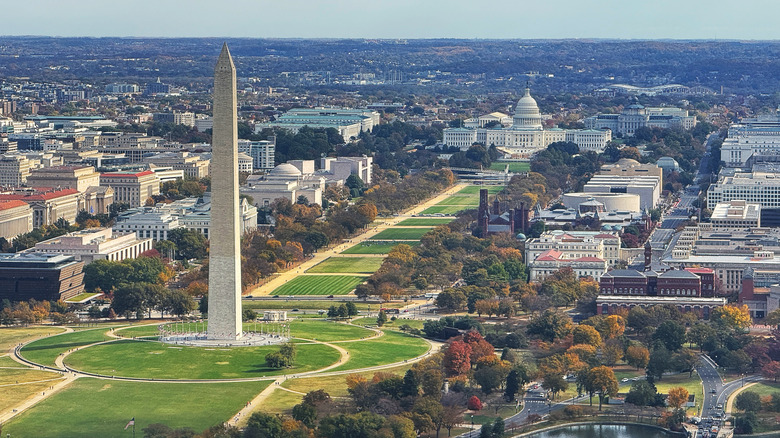
It may sound like a joke, but the nation's capital has a high rat population. Driving the influx of rodents are mild winters without freezing temperatures, which can reduce activity. Rats can also take advantage of flimsy plastic trash cans or trash bags, gnawing through them for a meal. Some areas have special rodent-proof trash cans that alert when near full, though they aren't city-wide. D.C. features a program called Blue Collar Cats, where cats unsuitable for home adoption are placed with businesses or homes for rodent patrol, helping repel rats from a home or garden.
Seattle, Washington

Seattle has an interesting — and creepy — problem: rats in the toilets. Like other areas with heavy rain, residents may see rats looking for a dry escape and turning to the sewers, where they are sneaking into homes through the toilet. Although rare, this phenomenon does occur, with the city fielding an average of 50 calls per year about rats in the commodes. Both the Norway rat and the roof rat live here, enjoying the consistent wet conditions, ample food, and older homes. The Emerald City also offers great opportunities for rats to burrow and nest in its many green spaces.
Dallas, Texas

Dallas' warm, humid climate has contributed to its rat problem. The city also faces severe weather, such as hurricanes, which can disturb rodents and drive them closer to humans. Dallas is also one of the fastest-growing cities in the United States. With this steady influx of new people, there's an increase in food waste, garbage, and places for rats to live. In addition to Norway and roof rats, Dallas is also home to the wood rat. This species primarily sticks to wooded areas, so you probably won't encounter it unless you're on a hike or have a farm.
Austin, Texas

Dallas isn't alone among Texas cities battling rats; Austin has plenty of them as well. As the city rarely experiences freezing temperatures, rats can remain active longer, allowing them to feed and breed more easily. Austin is also experiencing a construction boom and is leading the nation in new apartment buildings. The ongoing construction routinely forces the rats out of their usual spaces, leaving them to seek refuge in homes and businesses. Neighborhoods with frequent rat complaints include Oak Hill, West Lake Hills, and Lakeway.
Phoenix, Arizona
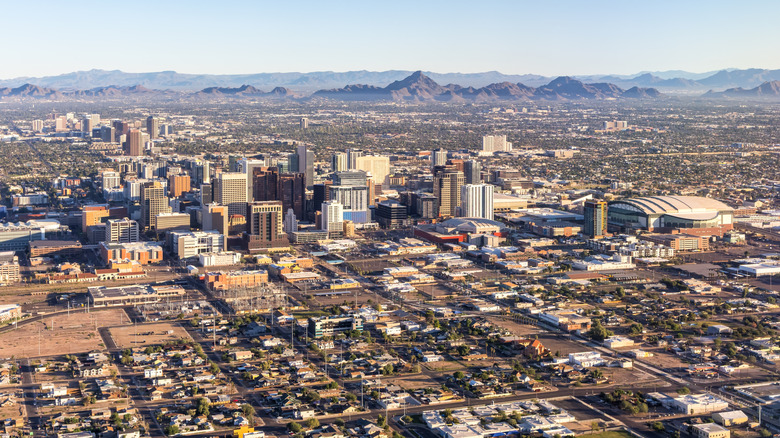
The consistent warm temperatures and lush landscaping, which include fruit trees, make Phoenix a welcome area for rats. Pools and irrigation provide reliable water sources, as do the trees' bounty. Residents mostly encounter roof rats, though you may also see Norway rats. Phoenix is expanding into more desert territory, creating more properties where roof rats can take refuge year-round. Weather greatly affects rodent patterns, with heavy rains during the monsoon season forcing rats indoors from June to September, says Sage Solutions Pest Control. They add that the rodents are most active from October through March.
Boston, Massachussetts

Rich in historic architecture, Boston has many places where rats can scamper about for food and take shelter. The city has a rule that trash cans must be curbside no later than 6 a.m. on pickup day, so downtown residents may leave their trash outside overnight as a time-saver, which offers a tempting buffet for rats, says MassLive. Rodents are also known to make themselves at home in the city's old private sewer lines, sneaking in through the aging pipes. They then emerge in the homes of startled Bostonians, particularly in the South End.
Portland, Oregon
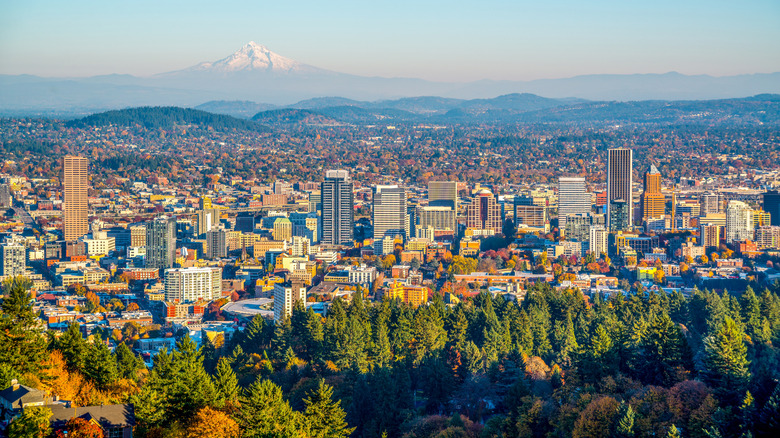
With the city's rats inspiring a stop-motion animation on the show "Portlandia," they are as much a part of Portland's culture as coffee shops or craft brewing. The city also features an aging sewer system that drives rat activity and provides a convenient way to travel around the city; however, ongoing construction adds to the problem. A rise in composting gives rats quick access to food, especially with open piles, and encourages them to linger near homes. To help residents, Multnomah County Vector Control offers free property inspections to reduce the risk of infestation.
Philadelphia, Pennsylvania

The city of Brotherly Love has something residents don't exactly love: rats. The Roxborough neighborhood seems to be the epicenter of the rodent activity, with rats appearing in homes and businesses, as well as their dumpsters. Like other big cities that regularly battle rats, Philadelphia is home to dense, historic architecture, plenty of people, and improper trash disposal. These features, plus the changing climate, which is causing milder winters, make it a paradise for rodents, and the Philly cheesesteaks they scavenge make the deal even sweeter.