

Ring's New AI Feature Raises Security Concerns
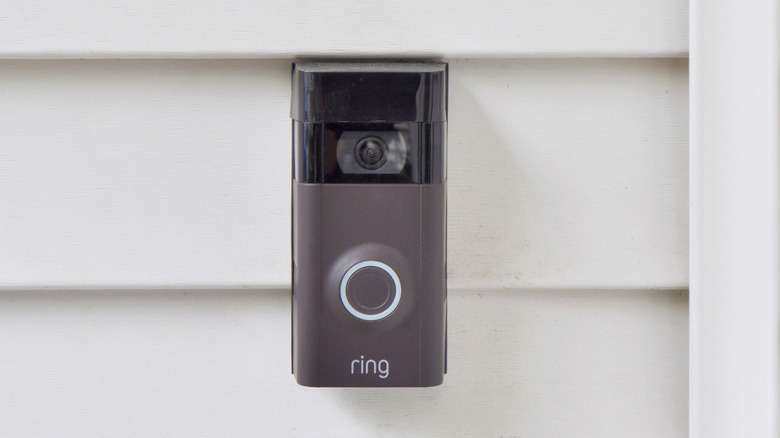
Super Bowl commercials are notorious for tugging at the heartstrings or highlighting humorous situations, trying to create a memorable impression for a product or service among viewers. Occasionally, though, these ads backfire and lead to controversy that negatively affects the brand.
Ring's 2026 Super Bowl ad tried to pull at the heartstrings by showing how its doorbell camera technology could help find lost dogs. However, the company quickly found itself mired in controversy as people criticized the idea as another step toward using technology for overreaching surveillance purposes. Ring ranks as one of the best-known and top-rated home security camera brands, but some social media posts after the Super Bowl show people removing their Ring cameras after the ad aired.
Even though the Super Bowl ad may have brought newfound attention to potential security concerns related to videos taken by these devices, Ring camera owners have dealt with security issues and concerns in the past. In 2023, the Federal Trade Commission (FTC) highlighted Ring's lack of security for its cameras, allowing hackers to gain control of them and spy on and harass people. Amazon, the owner of Ring, paid the FTC $5.8 million in a settlement over its failures of keeping user information and videos private. Some people were highlighting Ring camera privacy concerns and worries about infringement on civil liberties as early as 2020. Depending on the type of camera you own and subscription you have, Ring footage automatically gets uploaded to the cloud, meaning it is not stored only on devices at your home, even though some people mistakenly believe it is.
Why the Ring Super Bowl ad sparked surveillance concerns
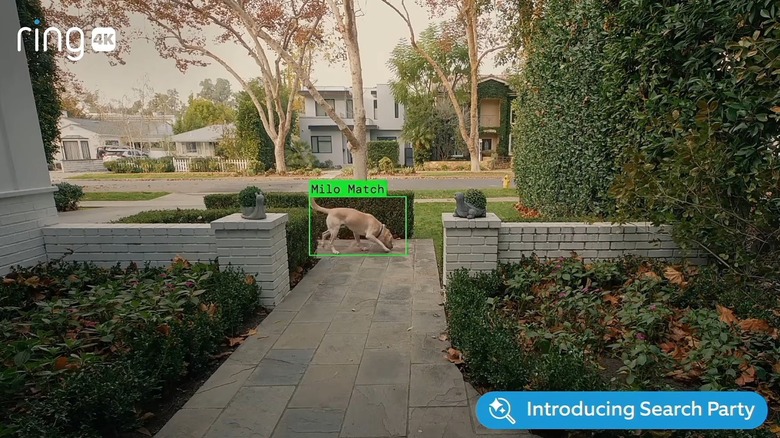
Ring's Super Bowl advertisement revealed one of the hidden downsides to doorbell cameras — others could potentially access and use the video being recorded without your knowledge, which worries some privacy experts. The commercial highlighted an AI-powered feature called Search Party. If someone in your area reports a missing dog, Search Party would access video from Ring cameras in the neighborhood and use it to try to locate dogs that match the description.
Although Ring says customers can turn off Search Party and don't have to use it, the default setting upon installation makes it active (if you save video to the cloud through a subscription). Some social media users expressed surprise that they had to manually turn off the feature, sparking criticism of Ring. It's worth noting that when Search Party is active, Ring doesn't automatically share your videos with the person who claims to have lost the dog. It uses AI software to scan all the neighborhood Ring videos stored in the cloud. If the AI entity finds that your Ring camera recorded a dog that's similar in appearance to the lost animal, it would send you a message asking for permission to share the video with the pet's owner.
The primary concerns about Search Party are two-fold. Some people are worried about having AI scan their videos, causing privacy concerns over whether anyone else might see it. Even more worrisome, Ring could eventually enable a massive surveillance camera network by adding facial recognition technology and partnering with government entities or law enforcement.
How Ring has responded to the controversy from its ad
Ring may have believed its Super Bowl ad would spark feelings of a happy story of reuniting a lost dog with its owner, but it instead sparked responses calling the technology unsettling and disturbing. Partially because of the concerns over potential surveillance overreach and a loss of privacy, some critics ranked Ring's Super Bowl ad as one of the worst ads shown during the game.
Soon after the ad aired, Ring's founder, Jamie Siminoff, did interviews with several major media outlets, explaining that Ring's privacy policies protect camera owners and that Ring doesn't save video to the cloud unless the customer pays for a subscription for the device. Siminoff says that he believes people are misinformed about how Search Party works and are overreacting to the technology because of general uneasiness about the future of AI and how it will be used.
Within several days after the ad aired, though, Ring announced it was no longer partnering with Flock Safety. Flock is a company that creates technology used to aid law enforcement in its surveillance efforts. It currently offers tools like gunshot detection recorders and license plate scanners. Some cities also partner with Flock to install fixed cameras to aid law enforcement with surveillance efforts. In the partnership with Flock, Ring considered giving doorbell camera owners the option of sharing their videos with Flock and law enforcement. However, the partnership hadn't yet become active at the time Ring decided to stop pursuing it.