

Swedish Dishcloths Are The New Big Eco-Friendly Trend: Which Brand Do Buyers Like Best?
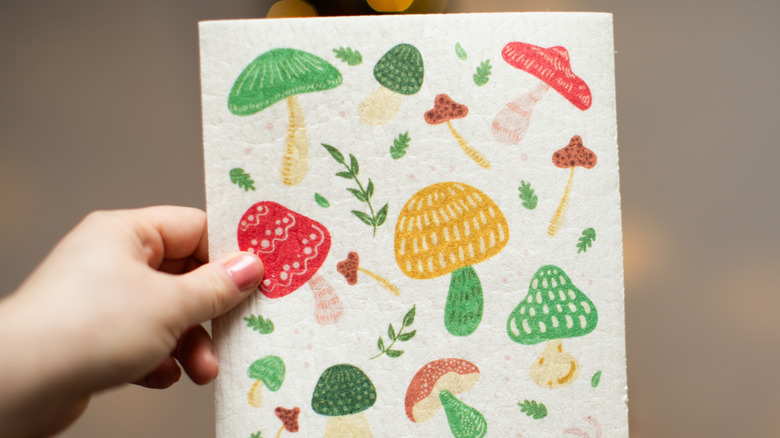
Any conversation around eco-friendly cleaning supplies is sure to include Swedish dishcloths. Invented by Swedish engineer Curt Lindquist in the 1950s, these reusable paper towel alternatives are made of 70% cellulose fiber and 30% cotton. Lindquist aimed to strike the balance between the absorption of a sponge and the ability to dry out fast like a towel. Tons of retailers are hopping on the bandwagon, making their own versions of the Swedish dishcloth. But which brands are best? Well, Wettex seem to be a top contender.
"These Wettex Swedish dishcloths are pure kitchen magic. One cloth absorbs an insane amount of liquid, easily handling a full glass of spilled water with zero drips. They replace paper towels and nasty sponges completely and stay fresh because they dry so quickly. I throw them in the washing machine or dishwasher whenever they need refreshing, and they come out perfect every time. I use them for wiping counters, cleaning windows streak-free, scrubbing dishes, and even as quick trivets for hot pots," one Amazon review gushed over the Wettex Swedish dishcloth.
Wettex Swedish dishcloths currently boast a 4.7 rating on Amazon and also proved to hold their own when put against other brands. This is also the original Swedish dishcloth to make its way into the United States. But there are plenty of other highly rated brands of this cost-effective paper towel alternative to explore. You simply need to know what you're looking for.
What to look for when shopping for Swedish dishcloths
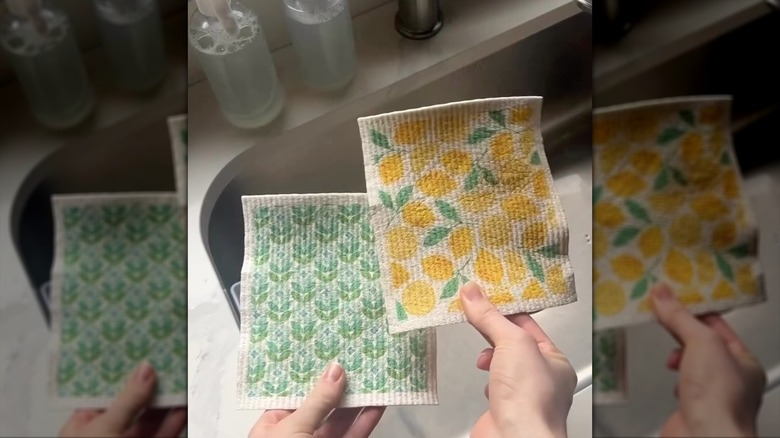
There are countless iterations of the Swedish dishcloth on the market today. But they're not all made equally. Some are more expensive with little added value to show for it. While weighing your options, reviews can give you a peek into how worthwhile a brand might be. But there are also a couple features to look out for while shopping.
Look for a version without an image pasted on the cloth. While the decorative prints adorning a lot of Swedish dishcloths are beautiful, they can slow down the drying process a bit. They also seem to be less efficient at drying up water on other surfaces. Texture is another factor to consider. Some feature a diamond or ribbed texture on one side while others feature it on both sides. It seems the double-textured Swedish dishcloths are better at absorbing liquid and also dry the fastest.
Keep an eye out for any reviews mentioning the durability of the Swedish dishcloths you're considering. Most brands maintain the standard ratio of 70% cellulose and 30% cotton, but that doesn't mean they all use the same quality materials. Some brands will hold up better and longer than others.
Tips on using and caring for Swedish dishcloths
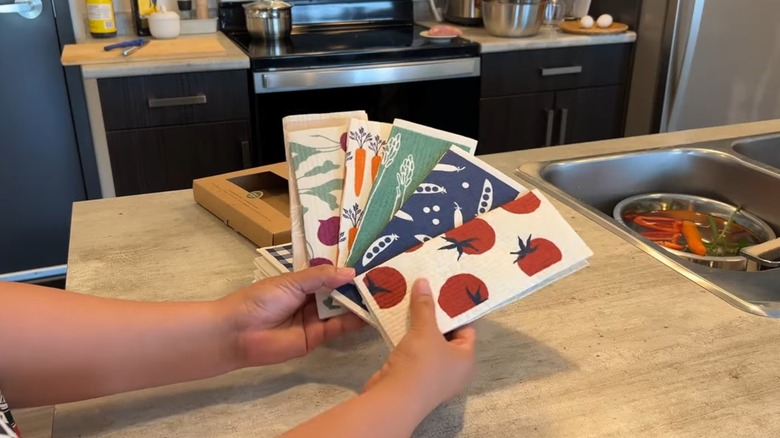
Swedish dishcloths are a supremely versatile tool you can use throughout your home. They can pick up liquid spills, clear away crumbs, clean windows, and more. They're safe to use on just about any surface. You can use them with or without cleaning products. If you're cleaning a spill, you can drape a dry Swedish dishcloth right over the mess and allow it to soak up. For most other cleaning applications, dampen the cloth first before use. Either way, always remember to rinse and wring it out after you're done using it. This is the best way to wash your Swedish dishcloth in most cases.
If your Swedish dishcloth needs a deeper clean, lather it up with dish soap, rinse, and allow it to dry. You can also throw your dishcloth into the washing machine or dishwasher on the top rack every few days. With proper care, you can expect your Swedish dishcloth to last for 9 months or beyond. If your Swedish dishcloth is looking a little worse for wear, you may be curious what to do with it as it nears its end. Well, since these clothes are made of just wood pulp cellulose, cotton, and water-based ink, they're completely compostable. Once your Swedish dishcloth has served its purpose, cut it up and toss it into a compost bin or bury it in your garden bed.