

7 Old-School Cleaning Tools That Deserve A Comeback (& 5 That Don't)
We may receive a commission on purchases made from links.
Long before the luxury of dishwashers, washing machines, and autonomous vacuum cleaners, our forebears relied on an array of simple and surprisingly ingenious inventions to keep their households clean and running smoothly. You've probably come across some of them, and for the most part, you'll probably agree that such old-school tools are best left in the past. For example, while there are some nifty ways to repurpose an old galvanized metal bucket, it's unlikely that you'd still need one in order to fetch drinking water from the well, or to do the laundry. Similarly, we think it's fair to say that a cast iron box filled with hot coals is no suitable replacement for the safe, electric irons currently sitting in our laundry rooms. But, are all old-school cleaning tools as redundant as these? We're not so sure.
Old-school ostrich feather dusters, for example, remain superior to modern synthetic alternatives. Similarly, a good old-fashioned corn broom could help to keep your deck and patio clear without sacrificing the integrity of your synthetic indoor broom. And if your kids are constantly dropping crumbs on the carpet, then it could well be worth making an offer for the carpet sweeper you spotted at your local thrift store. As you'll see below, some of the tools our grandparents used to clean their homes remain surprisingly relevant today. Some are purely practical, while others allow users to slow down and take a moment to reflect and be present. If nothing else, looking back at the way our ancestors used to run their households serves as a humbling reminder of just how good we've got it now.
Old-school ostrich feather dusters yield a superior clean to modern, synthetic alternatives
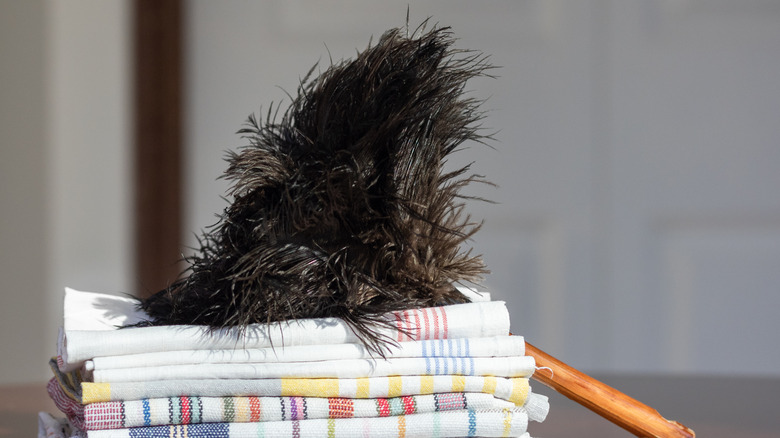
Featuring a wand with real ostrich features embedded into the end, these old-school cleaning tools were designed for gathering dust around the house. They were very good at it, too. Unlike other dusters and feather types, which have a happy habit of simply moving the dust around, ostrich feathers feature tiny barbules that actually catch and trap the dust particles. They also discharge static — more so than other natural features — which further contributes to their superiority.
With all of this in mind, and despite the fact that they are usually more expensive than most modern, synthetic dusters, we would say that ostrich feather dusters absolutely deserve a comeback. Yes, you should ensure that the feathers are responsibly sourced. And you should also learn how to care for your new duster, since natural feathers do require maintenance, just like synthetic fiber versions. But if you're looking to upgrade your spring cleaning routine with tools that actually do the job you bought them to do, then you're unlikely to regret making the switch to ostrich.
Copper scrubbers are tough on burnt-on food but none too abrasive on your precious pots
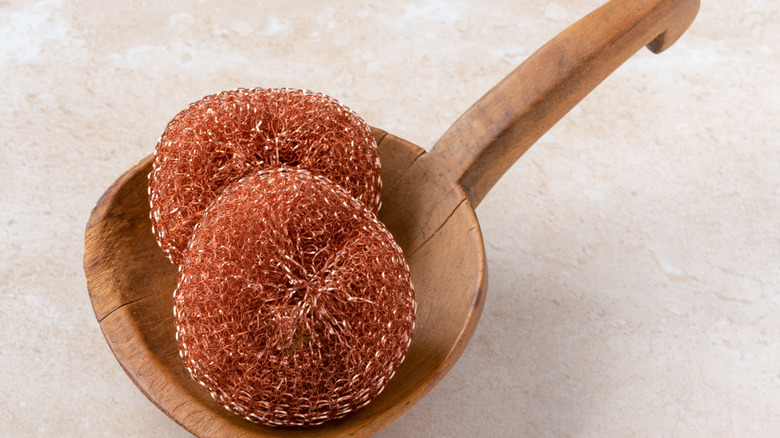
We've all been there. You allowed the dinner to simmer for 30 seconds too long, and now you're left with an inch of carbon that's seemingly fused to the base of your pan. It doesn't matter how much degreaser you use, nor how valiantly your sponge tries to remove it. The only way to make a dent is to use a metal scouring pad, yet you're scared to do so lest you accidentally scratch your cookware. Unfortunately, this is a very real possibility with steel scrubber pads, and if you're not careful, you can end up ruining your favorite pots and pans. This is why copper scrubbers deserve to make a comeback.
Like steel pads, copper scrubbers are made up of woven wads of copper strands. However, because copper is softer than steel, they're less prone to scratching your pans. They're still excellent at scrubbing stubborn stains, and they're certainly superior to regular sponges and plastic-bristled dish brushes. Just be careful on nonstick-coated pans and enamel — they can still scratch.
Laundry possers are excellent at cleaning delicate clothes without the need for chemicals or power-hungry appliances
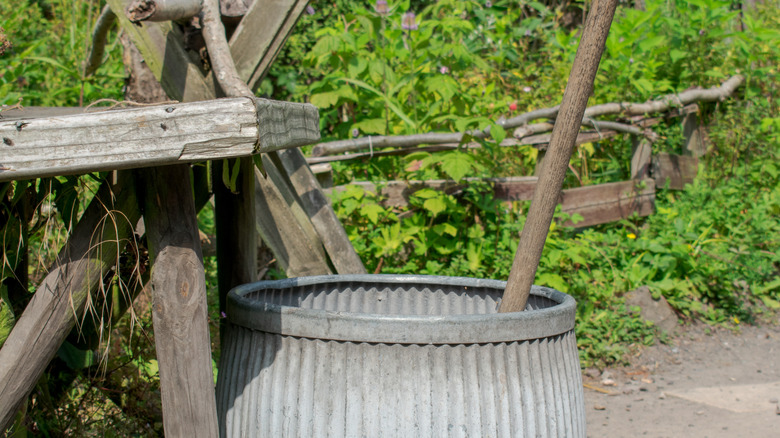
Of all the old-school cleaning tools that no one uses anymore, laundry possers may seem the least likely to make a comeback. But bear with us. Comprising a vertical wooden handle with a copper cone or bell at the base, these tools were designed to agitate clothes in a vintage laundry tub. They use suction and air to draw soap through the fibers of your clothes, and it's for this reason that we feel they're worthy of a comeback.
Possers offer a much gentler way to clean your clothes. Washing delicate items manually can help to save you money in the long run, since you'll have to spend less in order to replenish your wardrobe. What's more, while we don't imagine many of you will be keen to do away with your washing machine entirely — if you do need to hand wash certain items, using a posser makes sense. It saves a little labor, and saves your hands from exposure to the drying effects of hot or soapy water. You might also find that using tools like this can inspire a slower, more intentional way of living. Focusing your mind on simple, low-stakes tasks like this is a great way to disconnect from the stresses of modern life. It forces you to be present, and can be an incredibly cathartic way to free your mind, if only for a few precious minutes.
Sea sponges are great for effective, chemical-free cleaning
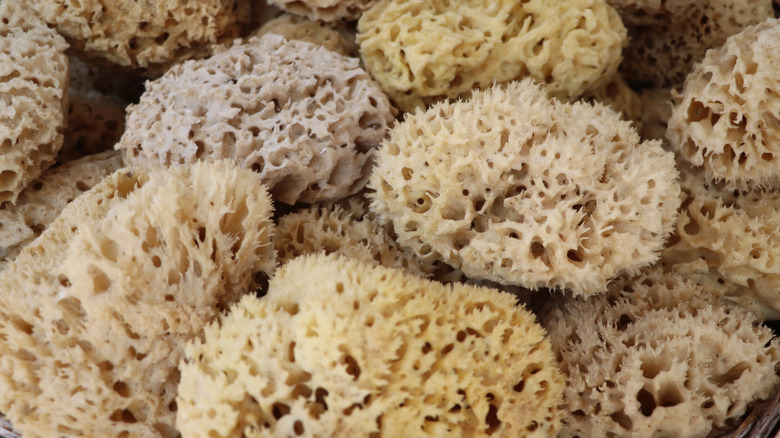
Sea sponges are one of many cleaning products that can help you to clean your home more sustainably. Yes, they're a natural resource, and with that being the case, they should be sourced as sustainably as possible. However, unlike plastic sponges, which take years to decompose and which release microplastics into the environment when they do, sea sponges are completely organic. They're also great for washing walls, cars, windows, and a host of other interior surfaces. They hold way more water than plastic sponges, for starters. They also may be mildly antimicrobial, according to a 2025 study published in PeerJ. And, while you'll still need to replace natural sea sponges regularly (depending on how badly they've started to wear out or if they have grown slimy), at least you'll have peace of mind that your sponge will biodegrade once you've tossed it in the trash.
While you're restocking your cleaning cupboard with nontoxic, organic alternatives, consider adding a couple of pumice stones to your shopping cart, too. Long touted for their naturally abrasive cleaning qualities, like sea sponges, pumice stones have proven a boon to homemakers for years. They can be used in a variety of ways, from cleaning tough hard-water deposits at the base of your toilet, to stripping stubborn, burnt-on food from your favorite glass cookware. You can even use them to remove rust and corrosion from your tools.
Corn brooms are natural and hardwearing, although they're usually best reserved for outdoor use
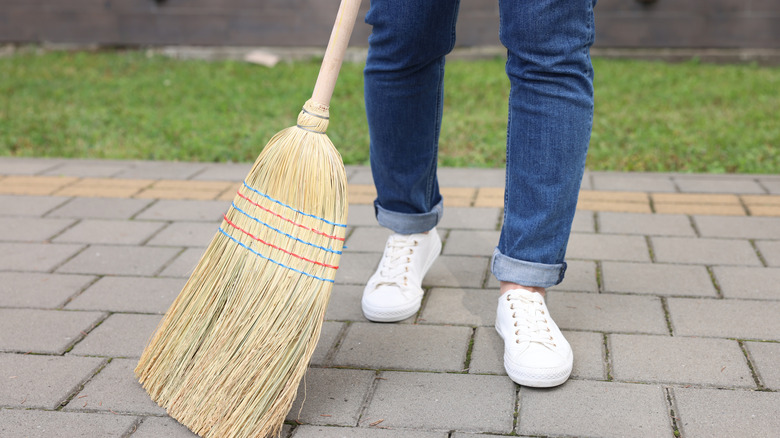
Corn brooms have a head made of dried sorghum and are designed for sweeping an array of household surfaces. Despite their dry, "scratchy" feel, they're actually very good at it, too. This should come as no surprise. After all, they've been used in homes around the world for centuries. What we love about them is that, if stored correctly, they can last for decades, and even when the bristles finally reach a point when they're no longer useful for sweeping, there are lots of nifty ways to repurpose old brooms to ensure they don't just end up in a landfill.
The reason they're so good at sweeping is the straight, stiff bristles and strength of the design. They are fabulous at getting tiny particles of dirt out of pesky nooks. And, while their stiff bristles can make fastidious sweeps of your kitchen tricky compared to modern angled brushes, corn brooms remain an excellent choice for yard maintenance — whether that's clearing the leaves from your patio or sweeping the snow from your deck without damaging it.
Boot scrapers are sure to come in handy for those living in the country
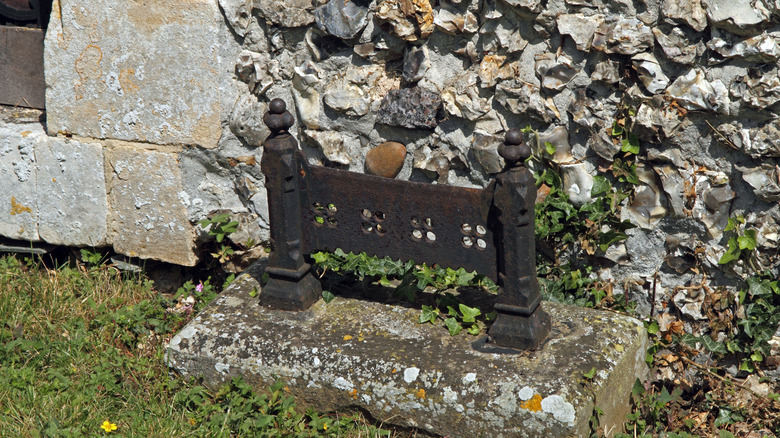
Have you ever climbed the front steps of a house and wondered what on earth the small cast-iron contraption is next to the door? If so, you're not alone. Boot scrapers were once a mainstay in homes across the country. They hark from a time when pathways were rarely concreted and when boots had a tendency to get, well, dirty. Boot scrapers provided homeowners a way to prevent excess dirt from making its way inside the house.
Today, particularly in built-up towns and cities, it's hard to see the need for a vintage boot scraper. But if you're surrounded by countryside, then chances are your boots are rarely clean when you step inside the front door. With this in mind, we're firmly in favor of boot scrapers making a comeback. They come in all sorts of shapes, sizes, and designs, too, meaning they're not just practical, but can actually help to improve your home's curb appeal. You can grab one at an antique shop if you prefer a little treasure hunt, or pick up a new one like this Sungmor squirrel motif boot scraper.
Carpet sweepers provide an easy, off-grid win when it comes to cleaning crumbs
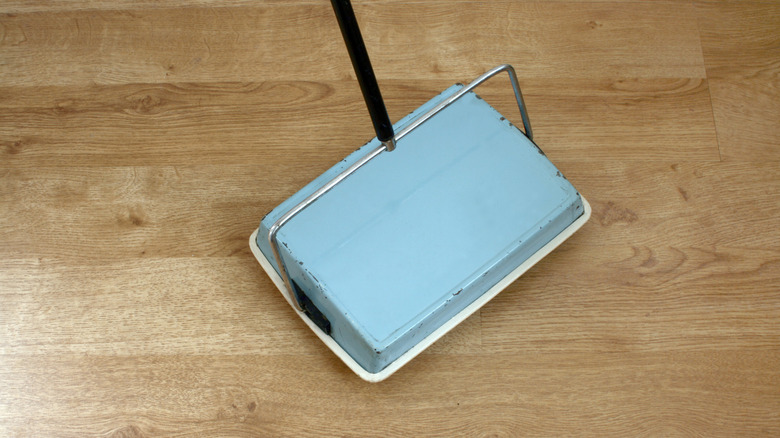
Of all the retro appliances that should make a comeback, you might argue that this is one of the most unlikely. After all, doesn't every modern household have a vacuum cleaner? And with that being the case, who in their right mind would choose to "revert" to a less-efficient tool? Well, we're not actually suggesting that you trade in your modern vacuum cleaner. All we're saying is that, if you're tired of busting out a corded appliance every time your kids spill crumbs on the living room carpet, then a manual carpet sweeper could well be the tool you need.
These old-school cleaning tools require no power supply, meaning that you can use them anywhere. Instead of suction, they work with brushed wheels that sweep up things like crumbs and other detritus from your floor — ideal for families with young children. Crucially, they're incredibly lightweight, making them easy to use without the need to warm up first. Sure, you won't want to ditch your trusty Hoover altogether, but you might find this a handy, back-saving alternative for small-scale daily duties, like sweeping up after the kids.
Carpet beaters are unlikely to match up to a modern vacuum cleaner
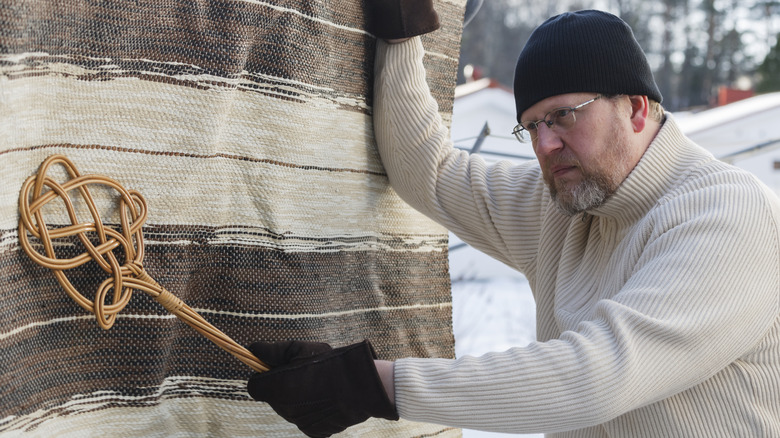
Typically made from wood, rattan, wicker, or another similar material, these long-handled devices featured a large flat "paddle" head and were designed, per the name, to beat the dust out of carpets. They were once considered indispensable, and in lieu of modern appliances like vacuum cleaners, it's easy to understand why. However, with the availability of modern cleaners, not to mention the sheer physicality required in order to use a carpet beater, it's difficult to justify their place in more contemporary cleaning cupboards.
To use one of these old-school tools, you first have to pick up your carpet. This doesn't sound hard, but in most modern homes (where carpets are fitted), it's actually wildly impractical. You then have to carry it outside and hang it on a line (which has to be strong enough to hold your carpet) and then physically whack it until it's devoid of dust. Now, we'll admit that there's a certain sense of nostalgia for manual cleaning tasks like this. And we won't, for one second, deny the immense relief of stress that comes with knocking the sense out of your soft furnishings. But do carpet beaters really deserve to make a comeback? No, we think not.
Leather chamois simply can't compete with modern microfiber cloths
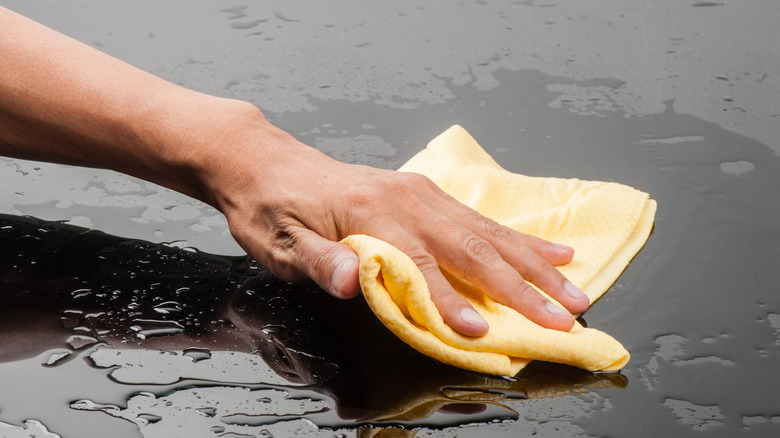
If you've ever spent any time researching the best way to clean and restore the shine to the outside of your car, then you'll know many traditionalists still recommend a good old-fashioned leather chamois. These oil-tanned skins, often taken from goats and sheep, have long been used to dry cars and windows, and are widely touted for their ability to deliver a clean, streak-free finish. Nowadays, while they're still favored by many, it's hard to argue that they're in any way superior to a microfiber cloth.
In fact, there are loads of things you can clean and dry effectively with a microfiber cloth — your car and windows included. They absorb much more water, for starters, and they're much easier to clean. What's more, since they're not an organic material (like leather), they don't rot anywhere near as easily if accidentally stored damp. They're also much cheaper to buy and replace than classic leather chamois, and if it is your car that you need to clean, you'll find that microfiber cloths are less prone to scratching your vehicle's paintwork.
Coal brushes are redundant even in most fire-burning households
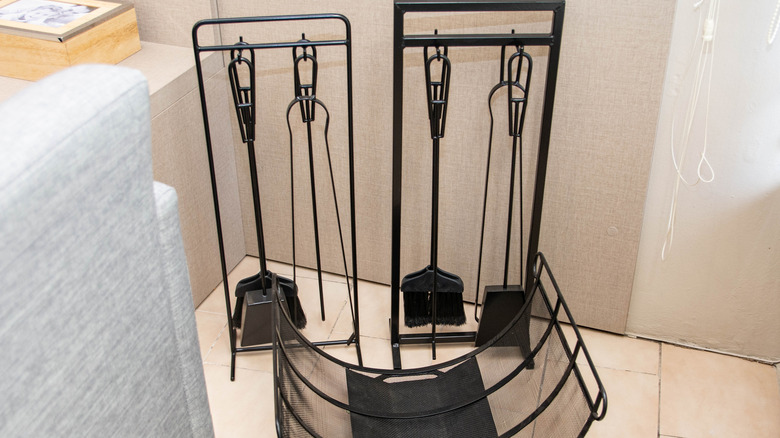
Believe it or not, coal was once prized by the majority of households across the country for its high heat output, steady burn, and wide availability. In fact, it was widely used across North America all the way until the mid-20th century! However, as we know very well today, coal fires are dirty, and while they were certainly convenient at the time, they tended to produce large amounts of ash and fine soot that could quickly get out of hand if not cleaned frequently. This is where the coal brush came in handy. Used alongside shovels and pokers to remove and sweep up excess soot and ash, coal brushes were essential for keeping the fireplace clean and functional. But, they were also notorious for kicking soot into the air. This soot could then be inhaled, and any that wasn't would inevitably spread and settle elsewhere around the house.
Of course, with most households having switched to cleaner heating methods like wood, gas, and oil, the practical need for coal brushes has all but disappeared. But even in the few rural homes that still rely on coal, the mess and health risks associated with coal brushes make it hard to imagine them ever being more than a decorative reminder of a time gone by. Much better to stick with a vacuum cleaner, and if you can, burn wood instead.
Box irons are far more dangerous to use than modern steam irons
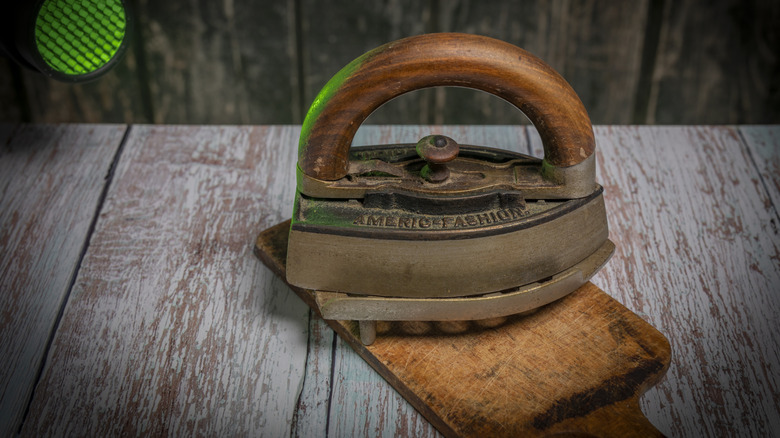
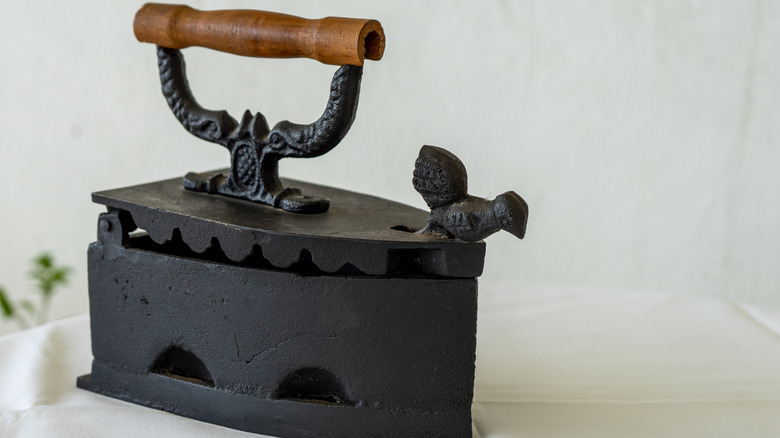
Designed to be filled with hot coals, these cast-iron contraptions were used for pressing thick linens and ironing clothing — much like the electric irons we use today. As you can imagine, they posed a significant hazard to those who used them. They also tended to leave behind traces of soot and ash. Can you imagine how frustrating that must have been?
Fast forward to today, and ironing has not only become more precise, but it's also become much safer. Modern irons allow us to adjust the temperature for every fabric; non-stick plates keep our delicate clothes protected, and steam functions help us tackle even the deepest, toughest creases. In other words, while ironing still feels every bit the chore that it did when the appliance was first invented, we can at least be thankful today that it no longer involves anything to do with coals, soot, or ash.
Other than vintage decor, it's hard to find a reason to keep galvanized metal buckets around
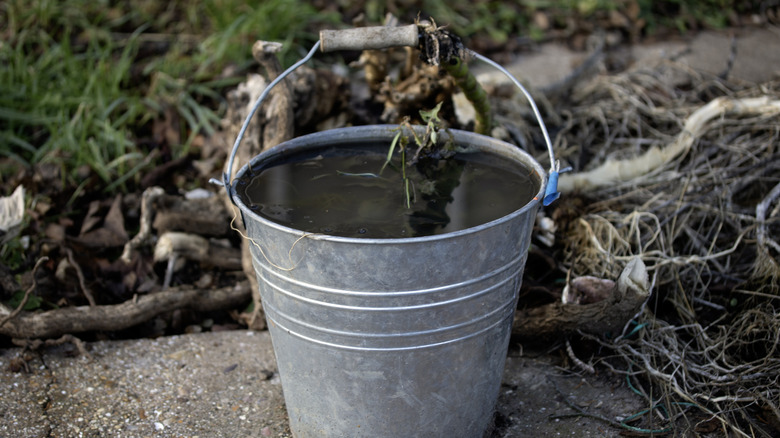
Used for everything from mopping and carrying water to doing the laundry, galvanized metal buckets are no longer the domestic mainstay they once were. And they're unlikely to become one any time soon. Why? Well, like so many other archaic tools of yesteryear, they've simply been made redundant.
For one, other materials are much cheaper to fashion into buckets than metal — which is why most of us will have a plastic mop bucket in the cupboard and not a metal one. When we need drinking water, most of us in North America have taps, and when it comes to doing the laundry or washing the dishes, the appliances that are dedicated to these tasks are conveniently plumbed into the mains.