

14 Vegetables To Grow Near Rosemary For A Thriving Garden
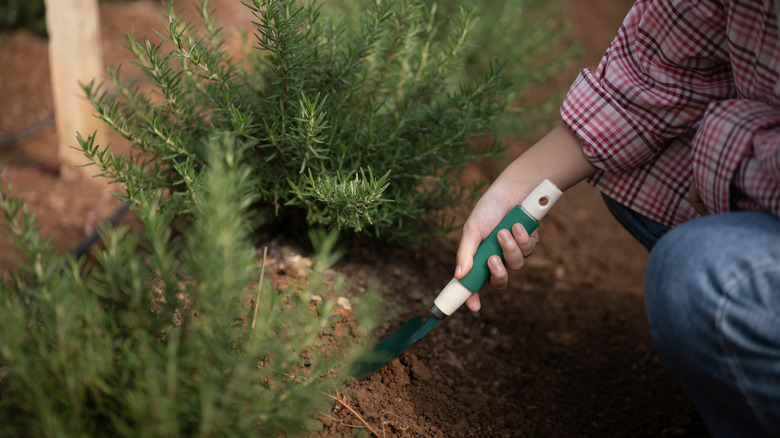
Rosemary (Salvia rosmarinus) is a fantastic choice for many gardens. It thrives in USDA Hardiness Zones 8 through 10, so it's great to plant if you live in a warm area. It also doesn't need much water, so you won't have to work around the clock to keep it hydrated if you live in a drought-prone area. Add in the fact that it also doesn't require many nutrients from the soil, and you have a low-maintenance, delicious herb that's perfect for even the most barren areas of your landscape.
Planting rosemary alone is a wonderful use of your garden's square footage, especially in areas with less-than-ideal soil, but if you want to maximize what you're working with even further, consider using it as a companion plant. Rosemary's refreshing oils taste and smell great to humans, but they're a strong deterrent to pests, making it great for warding off unwanted visitors who might try to take advantage of your harvest before you get the chance to enjoy it. Not all bugs are put off by rosemary, though — if you let it flower, it can also attract pollinators like bees and butterflies with its light purple blooms. According to some, rosemary can also enhance the flavor of nearby plants, making it the perfect pairing for garden vegetables.
Not every plant will grow well with rosemary in the garden, though, so you'll want to carefully consider your combinations rather than planting them willy-nilly. Keep rosemary's ideal growing conditions in mind, and pair it with vegetables that have similar water, sunlight, and soil needs for the best results. Carrots, cabbage, beans, and broccoli are just some of the plants that will make great buddies to rosemary in your garden, but there are plenty of pairings that are worth a try.
Carrots
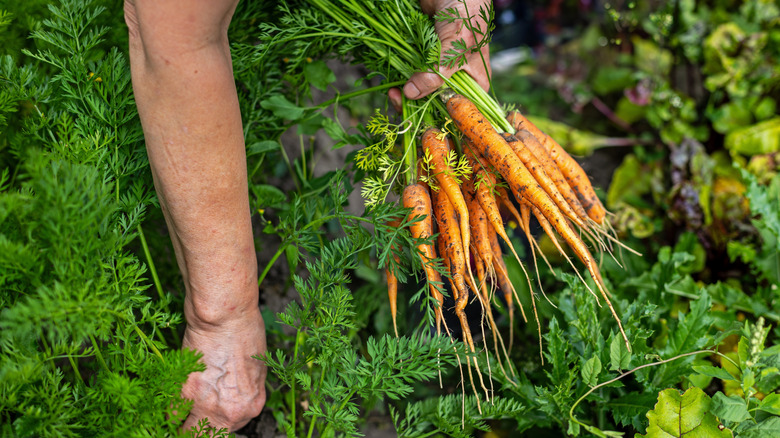
Carrots (Daucus carota subsp. sativus) are delicious root vegetables that are fairly easy to grow in your garden, but they do come with their fair share of threats. They enjoy full sun but can handle a bit of shade, prefer sandy, loamy soil, need a fair amount of moisture, and will thrive in just about any zone (2 to 11). The problem is that they're susceptible to pests. Aphids, flea beetles, carrot rust flies, leafhoppers, weevils, caterpillars, and leaf miners enjoy stopping by carrots' fluffy tops, causing damage. Thankfully, planting them with rosemary can deter pests.
Cabbage
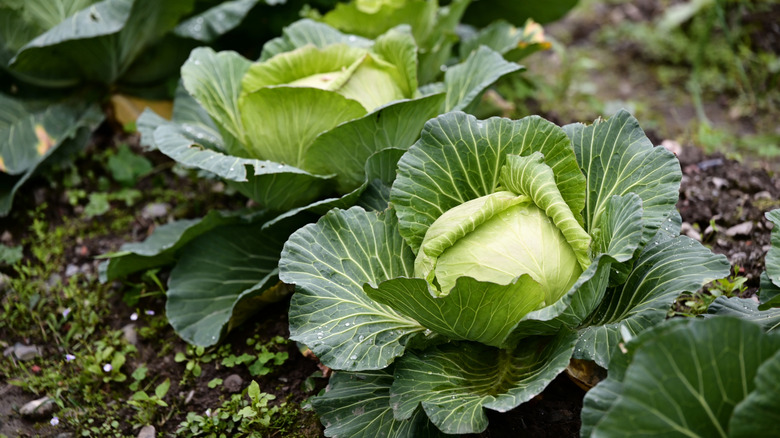
Cabbage (Brassica oleracea var. capitata) is another cool-season staple that grows fairly quickly in the garden, but because it's tempting to pests, it's not unheard of to see your harvest destroyed by cabbage loopers, cabbage worms, flea beetles, or caterpillars before you have time to enjoy it yourself. You can grow cabbage anywhere from Zones 2 through 11 (so long as you time it for the cool season), and it enjoys well-draining soil that's kept moist. It also does well with full sun, so planting it near rosemary in a sunny spot is a great idea for pest control.
Broccoli
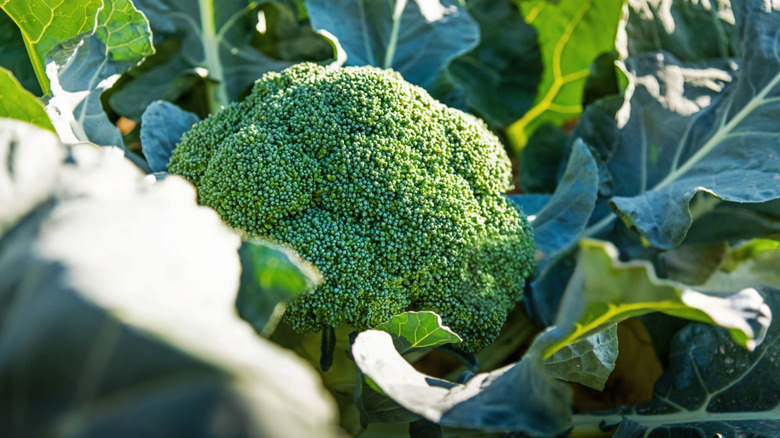
Broccoli (Brassica oleracea var. italica) is very closely related to cabbage, and, unsurprisingly, has many of the same issues and care needs. It's grown as an annual, so it can do well in any zone, and it needs rich, well-drained soil to thrive. It also prefers full sun, so it's great for planting alongside rosemary in a location that gets plenty of light. It's susceptible to the same pests that affect its siblings, like cabbage loppers, cabbage worms, aphids, flea beetles, and caterpillars, so rosemary can be a helpful companion plant for making sure bugs don't take over your harvest.
Brussels sprouts
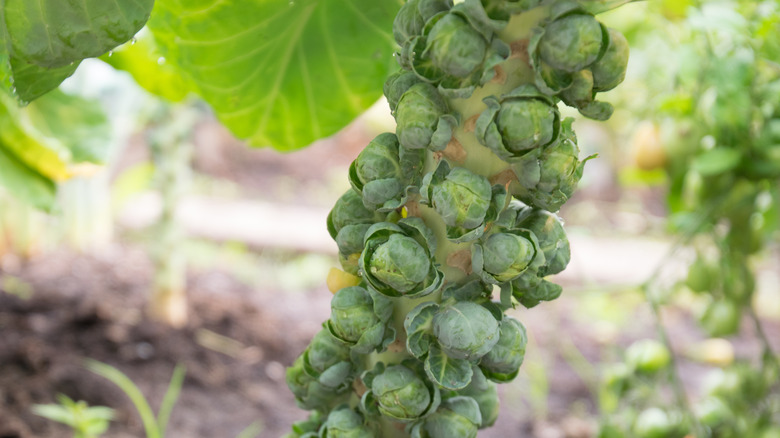
To children everywhere, Brussels sprouts (Brassica oleracea var. gemmifera) getting destroyed by pests in the garden isn't the worst fate, but if you've found your palette has expanded a bit and would like to actually enjoy the results of your hard work, a little natural pest control goes a long way. Another relative of broccoli and cabbage, Brussels sprouts can do well as an annual in any zone with proper timing, need lots of sun, and enjoy well-drained, moist, loamy soil. They're also susceptible to common brassica pests, so rosemary can provide powerful protection.
Bok choy
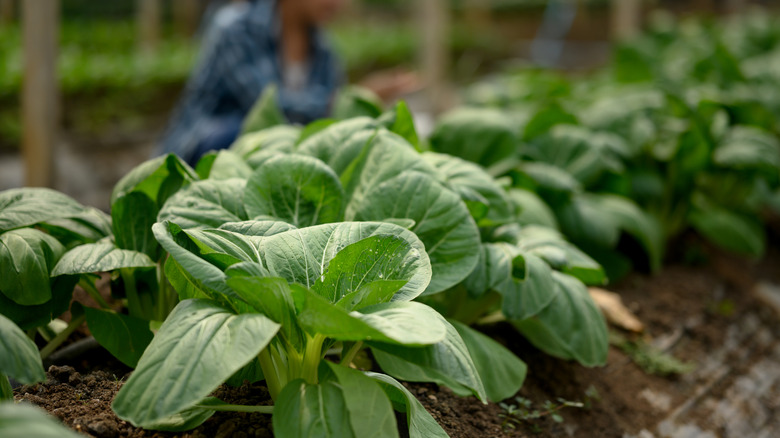
Bok choy (Brassica rapa var. chinensis) is often overlooked as a member of the cabbage family, but if you enjoy making Chinese recipes or stir-fries, it can be a great addition to your garden. It's an annual, so it can do well in any zone with proper timing. It grows quickly, so it won't dominate space in your garden for long, and it enjoys full sun but can tolerate a bit of shade. Unfortunately, it's also susceptible to pests like flea beetles and cabbage loopers, but planting near rosemary can help to keep them away.
Beans
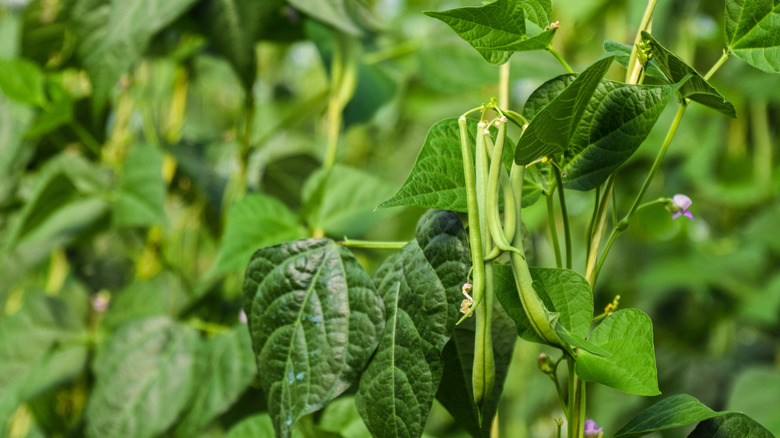
Bean (Phaseolus vulgaris) might sound like a vague, broad kind of vegetable, but this term actually refers to a large group of edible legumes that includes bush beans, string beans, pole beans, and, of course, green beans. They thrive in full sun, are grown as annuals, and need moist, well-draining soil. As long as these conditions are maintained, they aren't all that difficult to care for. They are, however, prone to damage from Mexican bean beetles, and pairing them with sun-loving rosemary can help to provide some protection from these hungry pests.
Garlic
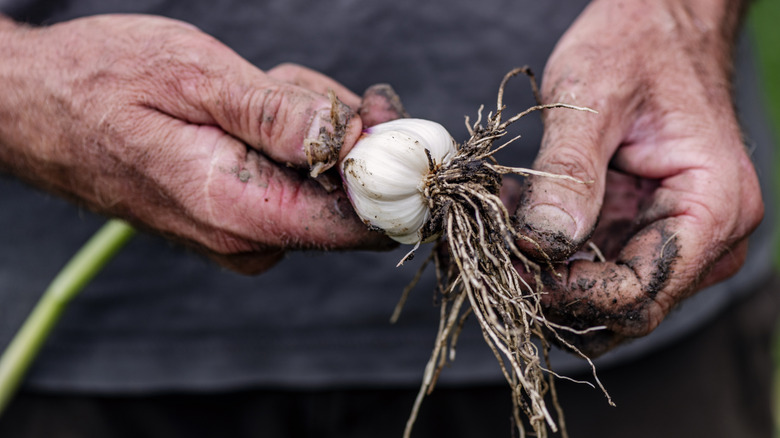
Garlic (Allium sativum) and rosemary aren't just a delicious flavor combination in the kitchen — they're also two plants that grow very well together. Garlic generally does well in Zones 4 through 9, enjoys full sun, and doesn't require much maintenance, so its needs are fairly similar to rosemary's. Garlic is already good at warding off pests on its own thanks to its strong scent, but planting these two together can help to enhance their flavors and create an even stronger aromatic barrier to protect your other plants from unwanted visitors.
Onions
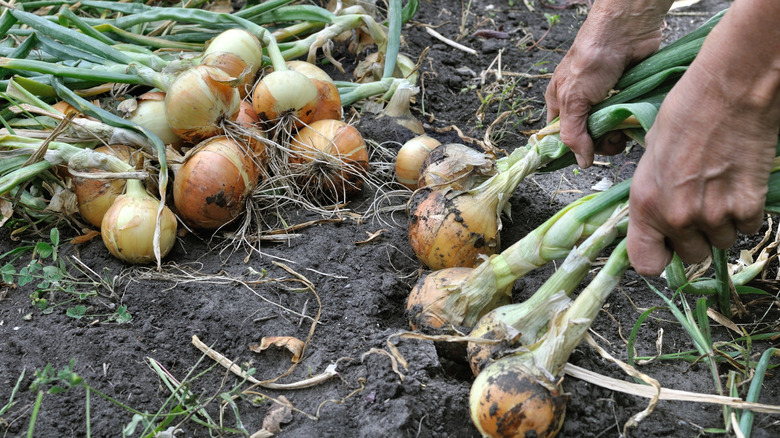
Onions (Allium cepa) and garlic are cousins, so it makes sense that both would grow well with rosemary as companion plants. Like garlic, onions are strongly scented and perfectly capable of warding off pests on their own, but when combined with the aromatic power of rosemary, you can rest assured that damaging pests will stay far away from your garden beds. They do well in Zones 5 through 10, full sun, and well-draining soil, and as an added bonus, their roots are shallow, so they won't get in the way of your rosemary plants when planted close together.
Kale
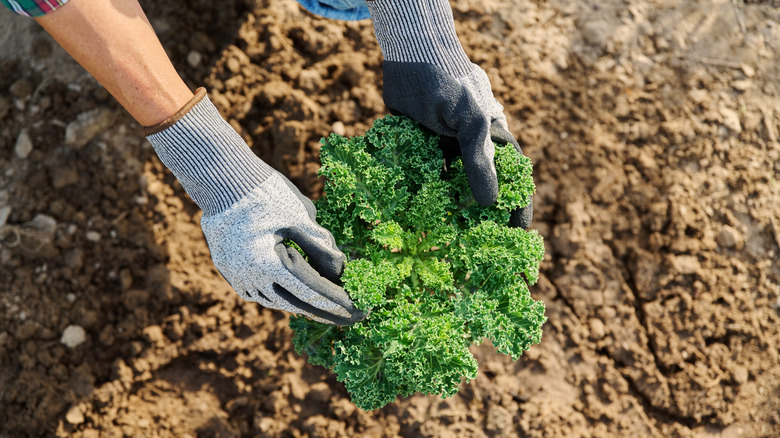
As another member of the brassica family, kale (Brassica oleracea var. acephala) is unsurprisingly a friend to rosemary. It's grown as an annual, so it can do well in Zones 2 through 11, and it needs full sun, just like its companion. It also, like many other plants, needs well-draining soil, so you shouldn't have to worry about your rosemary having soggy feet. This pairing works because of the pest-repelling benefits — kale is susceptible to cabbage worms, cabbage loopers, caterpillars, slugs, and aphids just like other brassicas, so rosemary's natural oils can help keep it safe.
Leeks
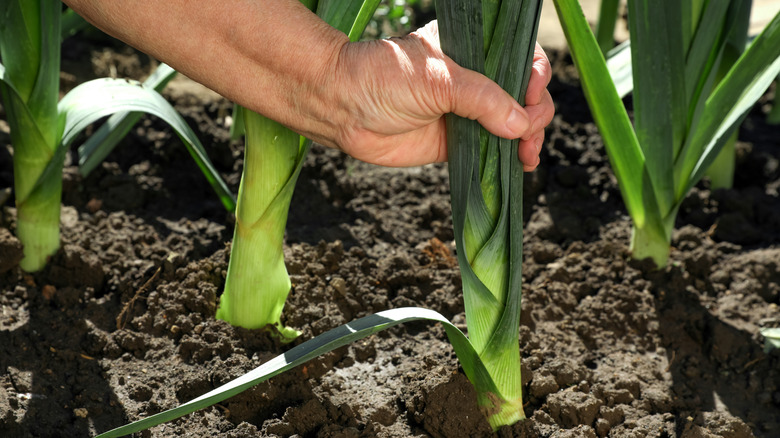
Leeks (Allium ampeloprasum var. porrum) are often overlooked when it comes to garden vegetables, but if you're a fan of French cooking, you'll know just how much they can elevate a dish. As members of the allium family, they release a trademark onion-like fragrance that can help keep pests away, making them a dynamic duo alongside rosemary. Both plants need full sun and well-draining soil, and because leeks are mostly grown as annuals, they can do well in pretty much any zone. They also have fairly shallow roots, so they won't interfere with deep-rooted rosemary.
Parsnips
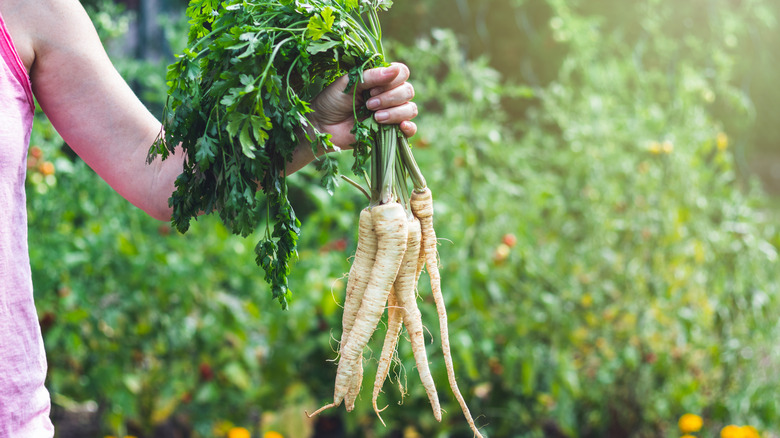
Parsnips (Pastinaca sativa) are carrots' lesser-known, paler cousin, but that doesn't mean that they're not worth growing, especially alongside rosemary. They also enjoy full sun and are very easy to grow, so much so that they can become weedy outside cultivation. Make sure you keep them under control if you decide to plant them in your own garden. They're typically grown as annuals, so they'll do well in any zone with the right timing. When paired with rosemary, they pick up extra flavor and are protected from annoying flies that target vegetables in this family.
Cauliflower
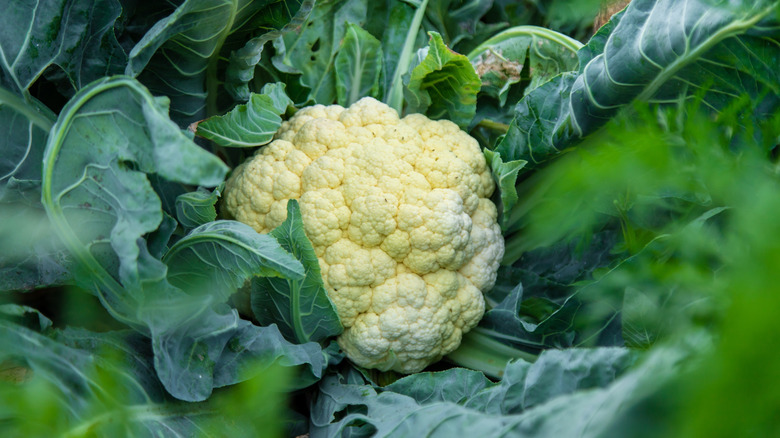
Both rosemary and cauliflower (Brassica oleracea var. botrytis) enjoy sunny conditions and soil that drains well, though if you plan to plant them together, you may need to give them some space. Rosemary and cauliflower have different water needs: rosemary is more comfortable in desert-like conditions, so if they're interplanted, one plant is bound to suffer from either drought or waterlogging. With that being said, however, this is a classic brassica and rosemary pairing — rosemary's oils can ward off pests that could wreak havoc on your annual crop.
Peppers
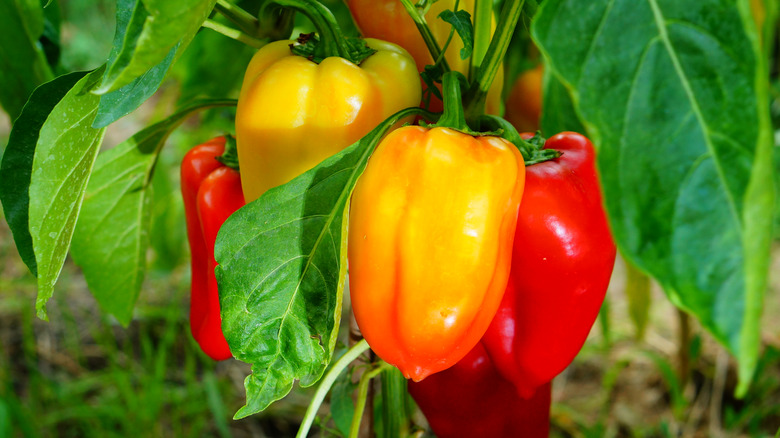
Rosemary is the companion herb you should plant alongside peppers in your garden. Peppers (Capsicum annuum), which can refer to everything from jalapeños to bell peppers, are sun-loving, impressive crops to grow in your garden, and if you live in Zones 4 through 10, doing so should be fairly simple. The main problem, however, is that pests love these colorful vegetables, too. They're prone to infestations of whiteflies, aphids, cutworms, pepper maggots, and Colorado potato beetles, so planting them near something like rosemary, which can ward off bugs, is a great idea.
Tomatoes
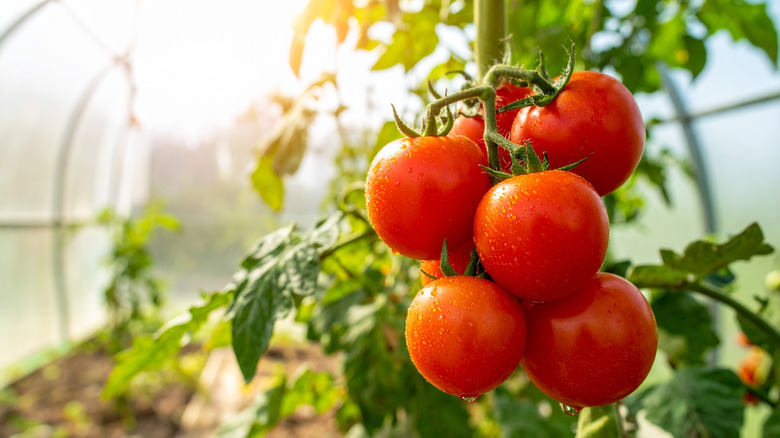
Tomatoes (Solanum lycopersicum) are one of the most popular and rewarding crops to grow at home, so while growing them alongside rosemary has some caveats, it's still worth a mention. Tomatoes are grown as annuals, need plenty of sun, require good drainage, and often have pest issues, so at first glance, they seem like a perfect companion plant for rosemary. Unfortunately, however, these two crops have vastly different water needs. Tomatoes need consistently moist soil, while rosemary prefers a drier environment, so consider placing them in separate containers rather than interplanting in the same bed.