

16 Tips & Tasks For Expanding The Lifespan Of Your Roof
We may receive a commission on purchases made from links.
The roof serves as the true unsung hero of the home. It may not be as pretty as your landscaping or as upgraded as your kitchen, but it does more than simply cover the house. It protects the foundation by diverting rainwater away and preventing flooding. The roof also plays a major role in regulating airflow throughout your home and keeping it properly ventilated. This helps maintain optimal temperatures throughout your home and stops your energy bill from getting out of control. Not to mention your roof's constant pest control services! Without it, you might have any number of creatures trying to move in with you.
The roof also represents an important investment in your property. Full roof replacements are not cheap. They can run anywhere between $5,600 and $46,000, with the average costing about $9,600. These costs depend on a few factors. Material costs make up part of the expense. If you're using more premium materials, such as slate or copper, then your materials will cost more. The bulk of the expense usually comes down to labor costs, which usually take up about half of the budget. Like any investment, especially one that big, you'll want to protect it. So, here are some tips and tasks for expanding the lifespan of your roof.
Perform regular ground inspections
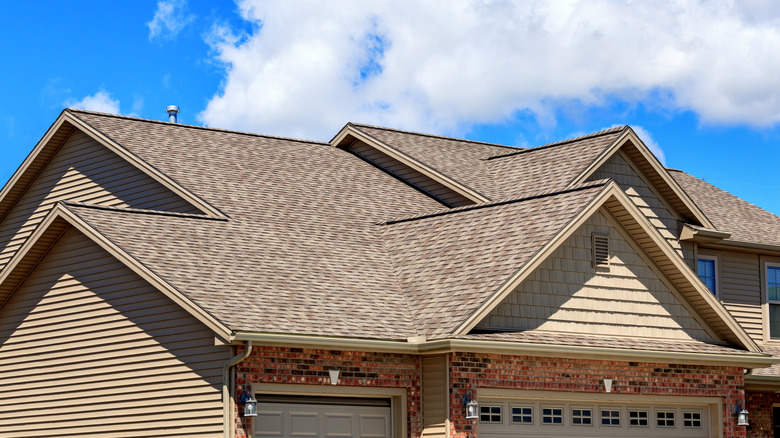
You don't have to climb up onto your roof every few months to perform a detailed roof inspection. Monitoring and understanding your roof system from the ground will go a long way. When you know what your roof is supposed to look like in good condition, it will be easier to notice a broken shingle or a darkened spot where moss is starting to grow. You won't wonder, "Wait, was that there before?" You'll know right away when something looks off and be able to act quickly.
With a pair of binoculars, scan all sides of your roof and chimney at least once per season. Look for any color abnormalities or damage to shingles or gutters. If it helps, jot down some notes or take some photos so you can keep track of appearance differences over time. Then, set reminders to recheck it at regular intervals, and use your notes or photos for comparison.
Schedule professional roof inspections as it ages
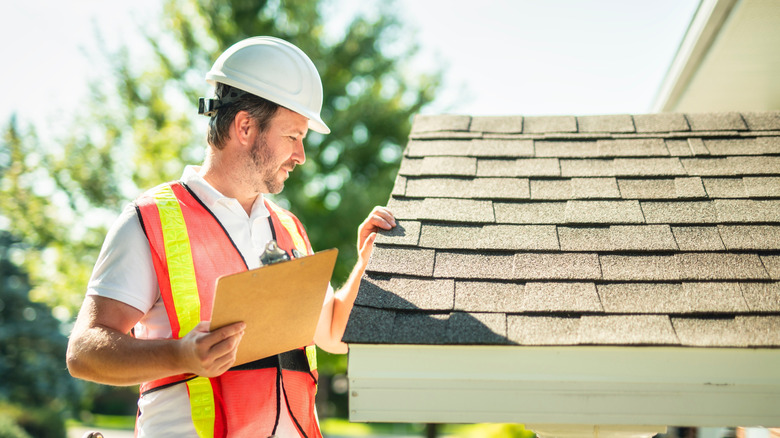
A relatively new roof doesn't need regular roof inspections by a professional, especially if you're monitoring it yourself. But as your roof ages, having an inspection done can help catch problems that you might not be able to spot from the ground before they become catastrophes. Some issues may not be as obvious or even visible to most people. A professional will know what signs of stress to look for and can point them out to you.
Schedule an inspection either in early fall or spring and have some questions ready to go. A roof in good condition with no issues can be inspected in the spring after heavy snowfall and ice. If you're concerned that your older roof might have problems during the winter, then call someone out in the fall. You may be able to fix a minor issue before the first flakes of snow start falling.
Repair broken gutters and keep them clean
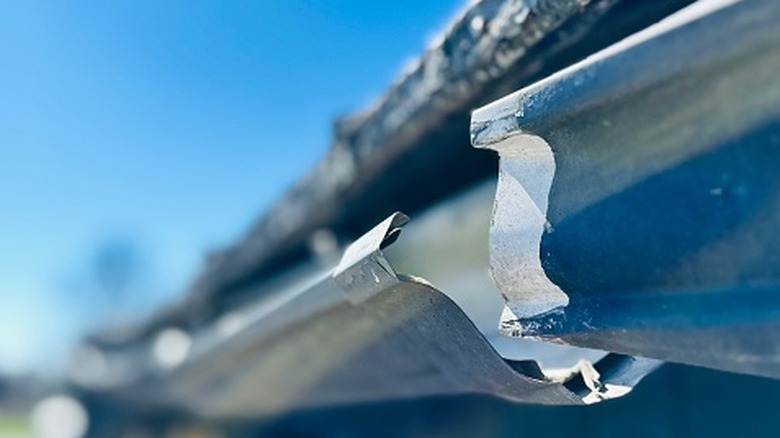
Gutters serve a vital purpose. They direct rainwater that slides off your roof safely to the ground. Without them, the water would pour right around your home's foundation, saturating it and potentially causing leaks, severe flooding in your basement, and structural damage. Broken gutters or ones backed with debris disrupt this process and leave water exactly where you don't want it, right on your roof. This standing water can lead to rot and quickly shorten the roof's lifespan. It can also become a haven for mosquitoes looking to lay eggs.
Routine gutter maintenance can prevent all of these issues. To keep your gutters unclogged and clear of falling leaves, get up on your ladder and use your hand, a gutter scoop, or a wet and dry vacuum to remove debris. This will keep water moving as it should and create an inhospitable environment for mosquitoes. You can also install gutter guards, a product made from metal or mesh that fits over the gutters and stops leaves and twigs from falling into them in the first place. These products often have rounded tops that allow debris to slide right off. Gutters, of course, will not last forever. When you notice a broken section, have it repaired right away. This will prevent additional damage to the roof.
Repair broken shingles
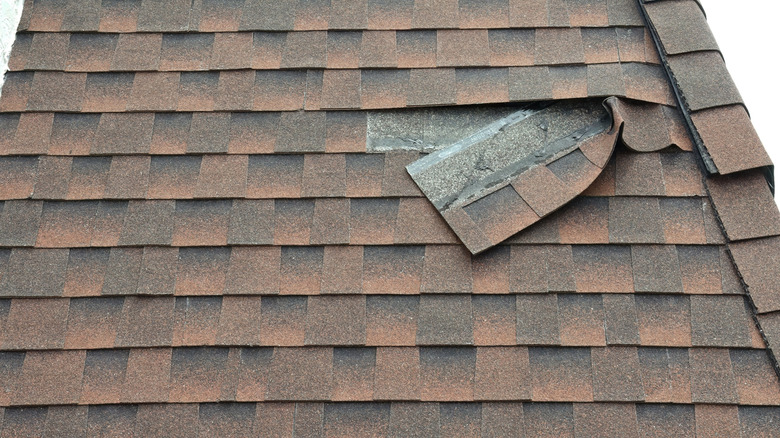
Some repairs can wait. Others, like fixing a broken shingle on your roof, cannot. In addition to providing color and curb appeal, shingles help protect against UV rays and prevent water from leaking into your home. When they're broken, your roof is exposed to the elements. The longer it stays exposed, the better the chance of water or even wind damage. These repairs can get very expensive, so it's best to pay for the repair as soon as possible.
Once you notice a broken shingle, contact a professional and have them repair it and check for any other issues in the surrounding area. One broken shingle doesn't necessarily mean that the whole roof will need to be replaced. But you will want to know what caused the break and if it's likely to keep happening. There may be some preventative work that you can do. Tree trimming, for example, will keep branches from falling and damaging your roof even further.
Do not use a power washer on shingles

Like any other part of your home, your roof will get dirty (how could it not?). Rain and snow regularly wash away most dirt, but some will always remain. Trees hanging above your home will inevitably drop leaves or sap onto it, and raccoons and possums that walk over it will leave tracks behind. Cleaning your roof is a good habit. However, it needs to be done correctly.
It may be tempting, but do not use a power washer to clean the shingles on your roof. The pressure could damage or crack them, leading to expensive repairs and potential water leaks. Most debris will slide off your roof without needing too much help, but there are other ways to clean it. A leaf blower will knock just about anything to the ground. If that's not doable, then a broom with a long handle can be used to push leaves and other debris off the roof. If your roof really needs a deep clean, call a professional company that has the experience and the tools to properly wash the surface.
Clean off moss and algae as needed
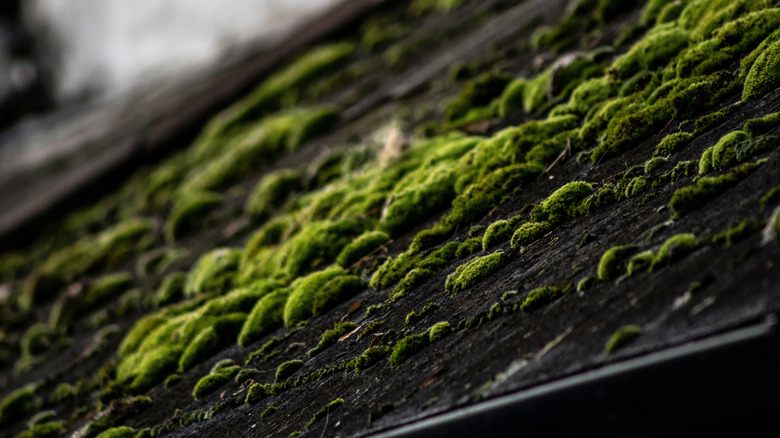
Homes in high-humidity areas or under shady trees are more prone to moss and algae growth on their roofs. These plants need moisture and damp areas to thrive. So, a tall tree providing shade and dropping water onto your roof will create the perfect spot for algae and moss to grow. Although they may seem harmless and almost charming on older homes, these plants can collect and hold moisture. Over time, that moisture can rot the wood along your roof and eventually cause holes and cracks.
When you see it starting to grow on your roof, remove it quickly — maybe try this simple hack for removing moss. Light growth can usually be brushed away with a broom. Bigger infestations may take a stiff-bristle brush and moss remover, like Wet & Forget Concentrate, to get the job done. When doing the job yourself, make sure you don't scrub too hard on your shingles. You don't want to accidentally break them.
Trim tall trees and avoid planting them near your home
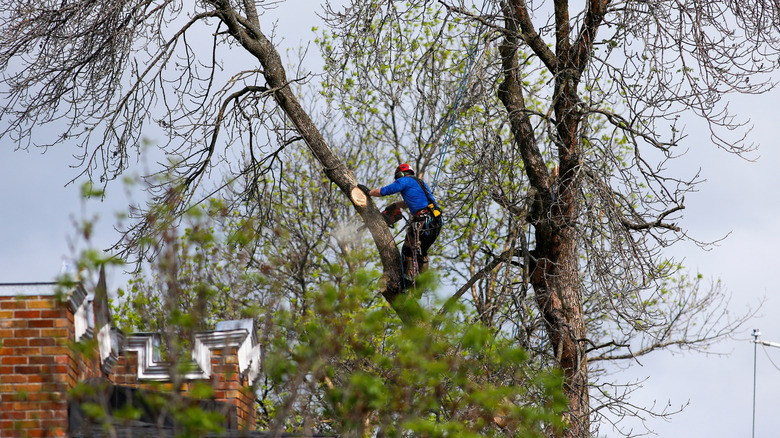
Large trees look beautiful and provide vital shade. But when branches scrape against your roof or hang directly above it, they might be decreasing its lifespan. Trees not only drop leaves and twigs, but their branches can also fall on your roof and damage it. They're also a bridge for many pests, such as the raccoons who would love to make a home in your attic. Even a small tree near your home may look pretty now, but you might be setting yourself up for a lot of work in the future.
Homeowners with tall trees should be trimming back branches regularly so they're not touching the house, especially the roof. Doing so will extend its lifespan by preventing potential damage. Look into trees with higher height-to-diameter ratios that will be less likely to grow outward and threaten your roof. With some research, you'll spend fewer Saturdays on a ladder clipping branches and less time worrying about your roof.
Push heavy snow off the roof
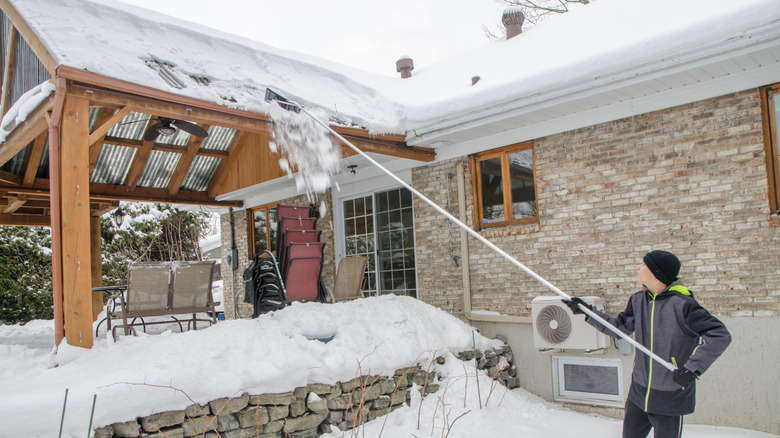
Winter storms can drop a lot of snow on your roof. While it is designed to handle this type of weight, your roof has its limitations. Several heavy winter storms that drop inch after inch of snow on your roof could affect its lifespan. Combine that with a cold snap that lasts for several days, and you've got a lot pressing on the surface.
Invest in a tool, like Yomoho's Roof Rake, with a very long handle to nudge that snow down to the ground. This will give your roof time to breathe in case another few inches are on their way. Be careful and stand out of the way of falling snow. The snow may have chunks of ice mixed in, and you don't want to get hit. It may be a good idea to invest in goggles for this chore to avoid an emergency room visit.
Pay attention to ice damns
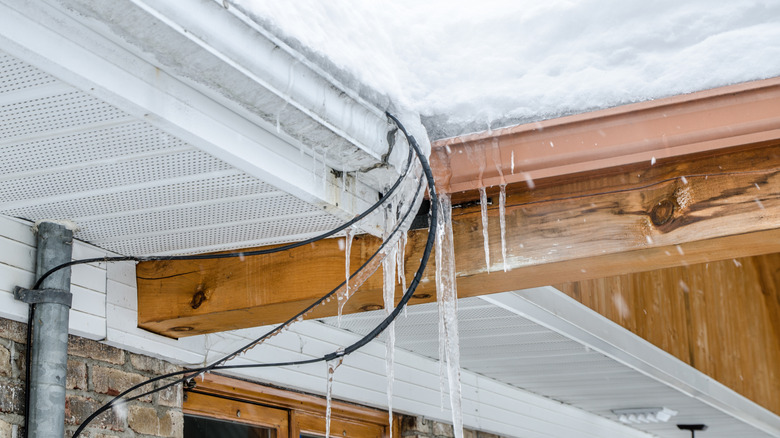
Ice dams, thick ridges of ice that form along the edges of a roof, are a harbinger of issues within the home. They form when poor attic insulation allows warm air to escape and melt snow on the roof. That water then slides down to a different part of it and refreezes, creating heavy dams that weigh on your roof and gutters and threaten their lifespans.
There are ways to get rid of ice dams on your own. First, push the snow from the surrounding area using your snow rake. Then take a nylon stocking and fill it with calcium chloride ice melt. Once you tie it off, place the stocking vertically along the ice. This will help melt it and get the water flowing again. Remember, this is a temporary solution, and fixing the ventilation should be the priority. When ice dams form, it's time to inspect the attic. It may be tough to pinpoint exactly where the hole might be on your own, so call in a professional for help.
Monitor your home's ventilation system
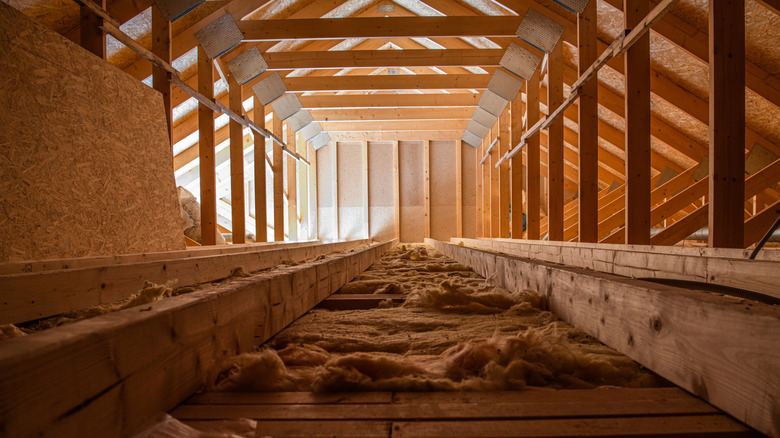
How air moves through your home can impact your roof's lifespan, and the attic is an important part of the ventilation system. A good system uses exhaust vents, usually ridge vents on the roof, that pull air out from your attic while intake vents, often in soffits or roof slopes, bring air in. This balance of vents, along with insulation, prevents extreme temperatures in the attic without sucking up conditioned air from the rest of the house. Additionally, insulation around the soffits and ridges can help regulate air flow and stop warm air in the home from escaping into the attic.
Damage to intake or exhaust vents on the roof can disrupt this delicate balance, so monitor your ventilation by looking for ice dams. In the home, pay attention to drastic temperature changes from room to room. This may be a sign of a ventilation issue, so keep an eye on your energy bill for any spikes in costs. Insulation needs differ depending on region and home, so work with a professional to choose the best way to insulate your attic in winter and keep that ventilation system working.
Call a professional when the roof deck sags
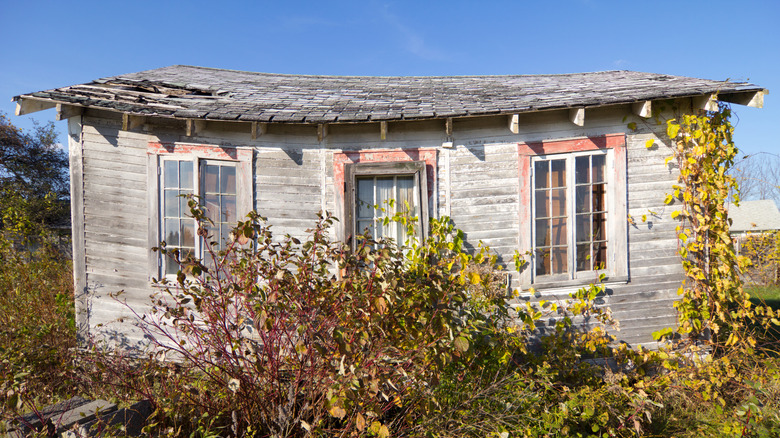
When a roof deck is sagging, meaning it appears to be bending and no longer running in a straight line, it's usually a sign of rotting or wet wood or weight overload. This is a massive problem that should not be ignored or put off for another day. Your roof could collapse, especially if there is a heavy snowfall. One big thunderstorm could tear a massive hole in it, allowing water to flood and damage your home.
Call a professional immediately when you notice a sagging roof deck. They can assess the damage and see if there's any hope of salvaging part of the roof. In these instances, it's likely that you'll need a whole new one. This is why it's important to keep snow and debris off your roof. All of that added weight can detract from its lifespan and leave you with a big bill.
Don't forget the chimney
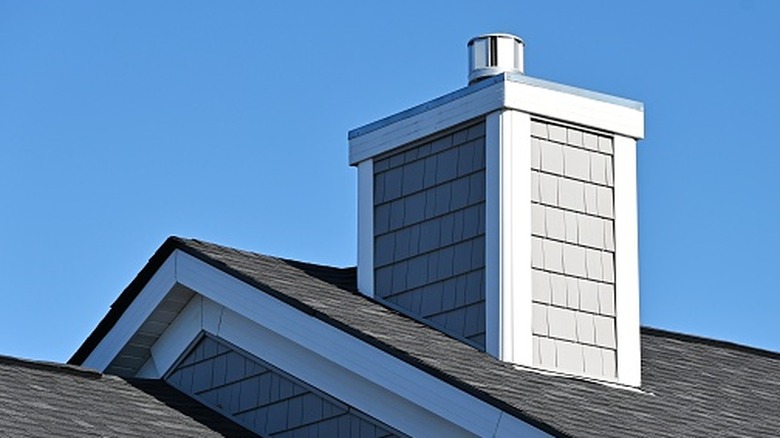
The chimney contributes to your roof's lifespan, so it shouldn't be neglected. Some of the most common issues include cracked chimney crowns and damaged mortar joints. These can be entry points for water, which can then reach the roof decking and cause sagging. Cracks and holes can also let pests inside. Raccoons are notorious for making homes inside of chimneys.
If you're routinely monitoring your roof with binoculars, as mentioned earlier, then you'll likely notice any changes to your chimney. This will allow you to act quickly and prevent any more problems from cropping up. If you have an older roof and home, then having regular chimney inspections done by a professional can provide peace of mind, where your own monitoring may not be enough. You'll feel confident using your chimney in the wintertime, and you'll know that no unwanted critters have moved in.
Keep an eye on skylights
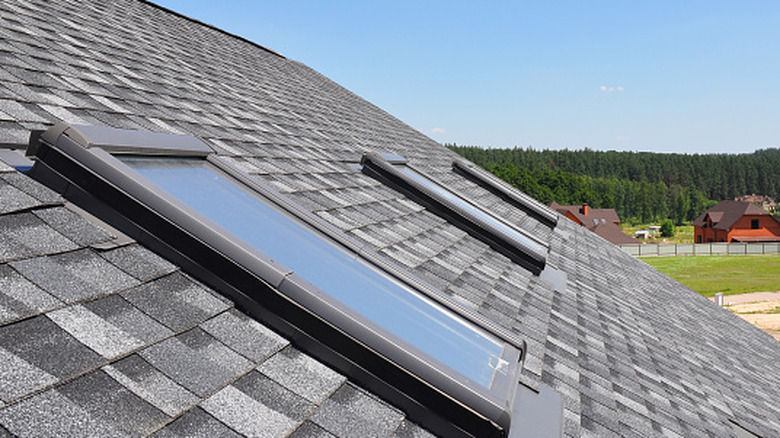
Skylights in the roof can bring much-needed light into rooms. However, they can be the source of leaks if they're not kept in good condition. Worn sealing or flashing can allow water to seep in, which can spread to other parts of the roof and possibly drip into your kitchen or living room. When you notice water leaking or drastic changes in temperature, then it's time to inspect the skylights.
If your ceilings aren't too tall, use a ladder to check your skylights from inside your home if you don't want to call a professional just yet. When you're up there, feel for any changes in air temperature along the perimeter of the skylight. This will indicate a leak or hole. You can also check the sealing for any wear and tear. If a repair is needed, schedule it right away before the problem escalates.
Avoid walking in the roof if possible

It may seem counterintuitive to stay off your roof if you need to monitor it regularly. But the more you walk on your roof, the more likely you are to damage it. You might knock off a shingle or two by accident. In more extreme cases, when you know the roof is already compromised, you could fall through a weak spot and severely injure yourself. It's just not worth the risk.
If you need something checked out, then call a professional roofer to take a look. He or she will have the knowledge, tools, and experience to safely walk around without causing further damage. Monitor from the ground and walk on the roof only when absolutely necessary. Use leaf blowers and rakes with long poles to push debris to the ground. Install gutter guards to prevent clogs and eliminate the need to get up near your roof at all.
Pay attention to water spots on ceilings
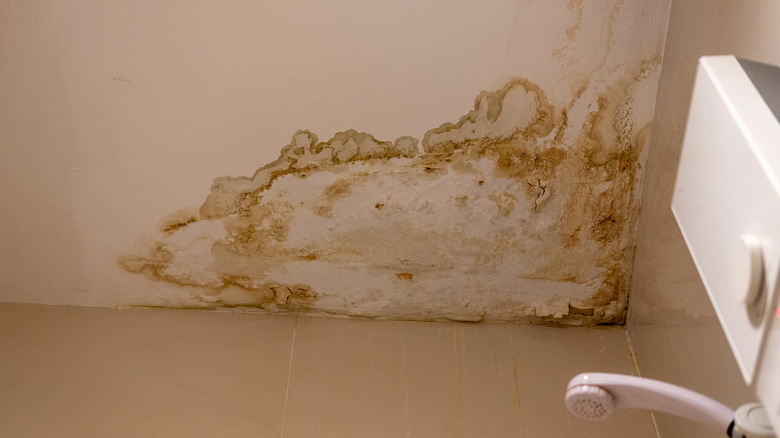
Water spots form on ceilings when water is dripping or pooling on it. They usually cause a yellow or brown ring, splotch, or spot to form, and the ceiling material will look wet if it's fresh or dried out and worn. Some spots may be caused by a faucet or pipe somewhere in your home, but a leaky roof could also be the culprit. Depending on where and how the water travels, cracks and holes on the roof could lead to water spots in all areas of the house.
When a water spot forms, don't assume you know where the leak is located. Call a plumber or roofing professional right away to assess the situation and find the source of the leak. Then have it repaired immediately, especially if it's coming in through the roof. Repairs done quickly might prevent other issues and save money.
Consider roof fortification
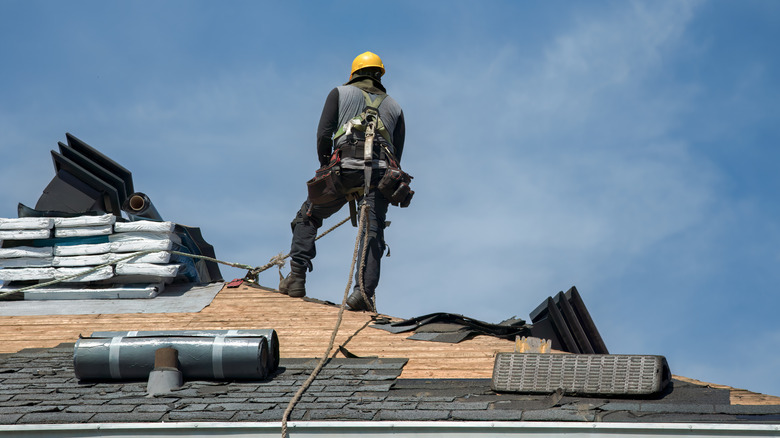
Homes in regions where severe thunderstorms, tornadoes, and hurricanes are common make good candidates for fortification. This can be done when installing a new roof or adding on to your current roof. This is a three-step process that helps keep moisture out and the roof in extreme weather events. If the weather in your area has been particularly tough these last few years, then adding some extra protection to your roof may be a good investment.
While this upgrade will increase the price of the project, some insurance companies offer discounts to homes that have it, which can offset some of the costs. It may be impossible to predict the amount of money saved by adding this option, but remember that you'll be giving yourself peace of mind. Get a quote and then contact your insurance agent. The quote will help them understand the work and confirm what discounts you will get.