

How To Cold Stratify Seeds For A Spring Garden Full Of Healthy Blooms
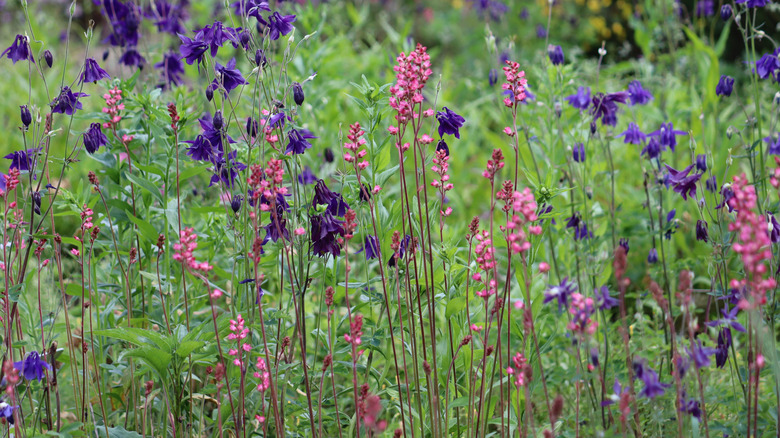
There are many native plants with the most gorgeous flowers, but if you want to grow them from seed for a vibrant spring garden full of healthy blooms, you're going to have to figure out whether the seeds need to be cold stratified. If you don't know what seed stratification involves, it is essentially subjecting the seeds to cold temperatures for a period of time (usually 30 to 60 days), either outside in the ground or inside in your refrigerator. If purchasing your seeds in packs from reputable suppliers, there should be instructions included on how long to stratify the seeds for optimum germination. However, if you like to collect your own seeds, you'll need to do a little research to find out whether they need this cold treatment before they will germinate.
The reason that cold stratification is necessary for certain seeds is that all seeds have their own mechanism for survival. Conditions need to be just right when they germinate so that the plants can grow, flower, and go to seed, to complete their life cycle. For seeds that evolved in temperature climates, cold stratification lets the seeds know that they have to remain dormant until the cold finishes and the soil starts to warm up. This stops tender young seedlings from emerging at the wrong time and being damaged by frost and cold winter weather. Without that period of cold, these seeds may not sprout at all because they haven't been adequately prepared to break dormancy. In addition to cold temperatures, seeds also need a little moisture during stratification so that they don't totally dry out.
Best cold stratification techniques for native seeds
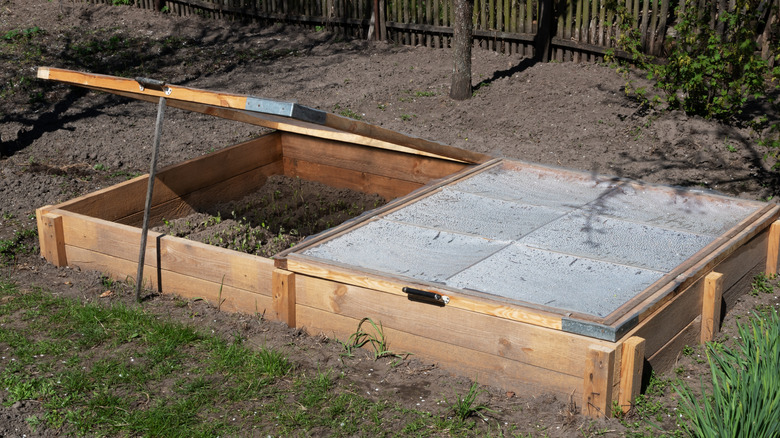
The simplest way to cold stratify your seeds is to sow them in the ground in the fall, or in late winter when the ground is still cool. This will give the seeds the cold temperatures they need to eventually sprout once the soil becomes warm again. There'll also be enough moisture in the ground to stop the seeds from drying out. However, although this method is the easiest, it may not always produce the best results because you're leaving everything to nature, which is one of the most common mistakes to avoid when growing flowers from seeds. This is precisely why plants produce an overabundance of seeds, because only a small percentage will actually germinate and grow.
To get better results, there are more guaranteed ways to cold stratify your seeds. One way is to sow your seeds in small pots or flats filled with moist seed-raising mix. You then need to place these in a cold spot outdoors, whether that be a garden shed or a cold frame. Ideally, the temperature should be around 35 to 45 degrees Fahrenheit. Check the seeds regularly to ensure the mix stays moist.
Another method that works great if you only have a small collection of seeds is to place them in between two layers of damp paper towels that you put inside a Ziploc bag. Or, you can put some damp sand or vermiculite in a closed container, along with the seeds. These need to be stored in your refrigerator for the recommended cold stratification time for the species you want to grow.
Perennial flowering plants that need cold stratification
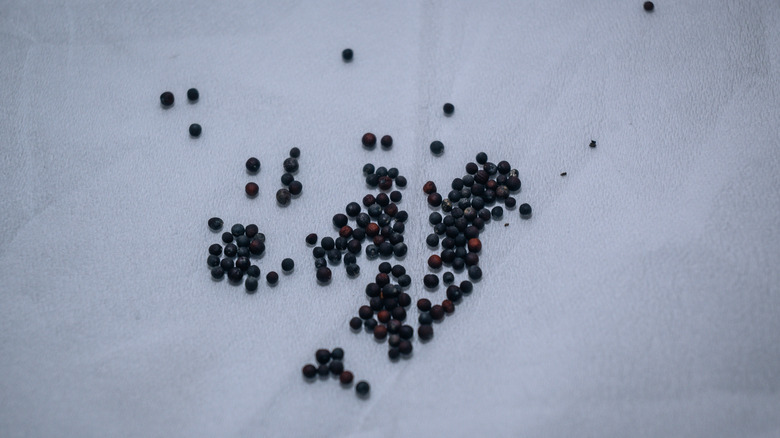
There is a range of perennial flowering plants that don't need cold stratification, and these are the seeds you should be harvesting from your garden. They include spotted bee balm (Monarda punctata), evening primrose (Oenothera biennis), blue sage (Salvia azurea), and sneezeweed (Helenium autumnale). However, many native species do require a period of cold for their seeds to sprout. Some varieties only need around 30 days. These include black-eyed Susan (Rudbeckia hirta), butterfly weed (Asclepias tuberosa), false sunflower (Heliopsis helianthoides), pink tickseed (Coreopsis rosea), and swamp milkweed (Asclepias incarnata). If you have seeds of these plants, you could plant them outside as late as March or cold stratify them in the fridge for just four weeks.
Other species have seeds that need around 60 days of cold stratification. These include blazing star (Liatris spicata), cardinal flower (Lobelia cardinalis), columbine (Aquilegia canadensis), hollow Joe-Pye weed (Eutrochium fistulosum), and New England aster (Symphyotrichum novae-angliae). These are best either sown in the ground around the start of winter or put in sand or seed-raising mix in trays and kept outdoors in a cold spot. Alternatively, you could keep these in the fridge for around eight weeks. Finally, some seeds, like those of white turtlehead (Chelone glabra), need around 90 days of cold stratification, so these would be best sown outdoors or in a cold frame at the end of fall.