

Noticing Fewer Birds At Your Feeders? A Study Reveals The Disturbing Reason
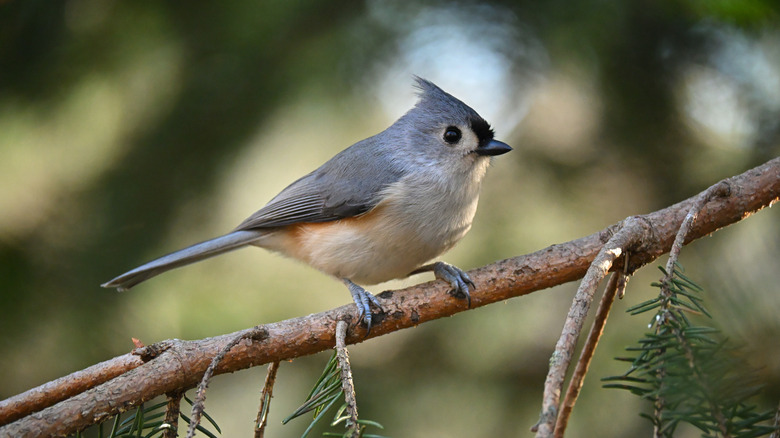
The decline of wild birds across the U.S. has been a concern for scientists and nature lovers alike for some time now, with many of us noticing a lack of our feathered friends in our gardens. In 2019, an alarming study found that the population of wild birds had declined by three billion since 1970, with many favorites that we often see at our bird feeders, such as dark-eyed juncos and white-throated sparrows, taking a hit. However, the cause of the decline was not clear until now. A study published in Science in February 2026 reveals that the decline of wild birds is due to agriculture and temperature changes.
The study looked at both significant declines of birds and accelerated declines of birds, with the latter term referring to when the rate of decline is increasing, meaning that each year more bird losses are occurring than the previous year. Half of the species studied were found to have significantly declined in population, and a quarter suffered accelerated declines. The areas of accelerated decline of bird population were often within areas of high-intensity agriculture, where there was pesticide and fertilizer use and large areas of croplands. However, areas of warming also impacted the rate of decline.
Although the study didn't discover exactly why agriculture impacted bird population so greatly, it did suggest that intensive farming can influence temperature change. Furthermore, the impact of intensive agriculture and its monoculture on the environment as a whole has been examined. Using pesticides is harmful to the ecosystem, as when we use chemicals to get rid of insects, many birds in the area have nothing to eat.
Where is bird decline happening the most?
The study found that the decline of birds is happening all over the U.S. and that every part of the country has been impacted. However, there were certain hotspots for both overall decline and accelerated decline. Southern, warm parts of the U.S. were impacted the most in terms of overall decline, with states such as Texas, Florida, and Arizona being noted in the study.
When looking at areas of accelerated decline, the study named mid-Atlantic states, such as Delaware and Maryland; Midwest regions, namely Indiana, Ohio, and Illinois; and California. These states, especially those in the Midwest, are important areas of agriculture, showing us that our intensive farming practices are actually hurting birds.
The study is an alarming one, and it does serve as a sobering reminder of how the things we do, the food we buy, and the choices we make cause ripples that impact the natural world we love so much. But this study is not all doom and gloom; at its core, it has given us clarity. It clearly shows us what is causing the decline of birds, and with this knowledge, we can change things. Agriculture can evolve, farming and nature can work side by side, and you can do your bit to attract a more diverse variety of birds to your yard and bird feeders by bringing in native plants and brush piles.