

The Easy-To-Grow Shrub With Evergreen Foliage That's Perfect For Your Border Garden
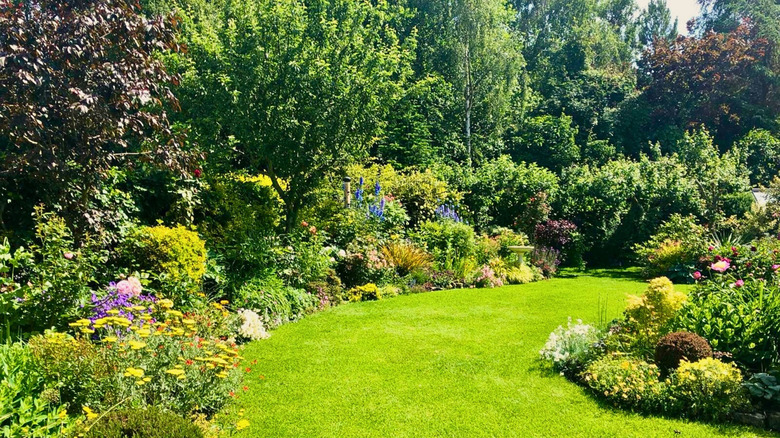
When planning your border garden, it is super helpful to consider how to create a space that provides you with interest throughout the year. From enchanting spring-flowering perennials to blooms that put on a late summer show, planning according to the seasons can help your border garden look beautiful and thrive as the year goes by. However, it can be pretty easy to forget about winter. We tend to spend less time in our gardens during the coldest months, so it makes sense that we don't prioritize winter plants. However, by bringing evergreen shrubs into our garden, we are adding year-round interest so that there is still greenery on even the dreariest winter days. Furthermore, by going for something easy to grow, we don't have to worry about the upkeep. We can simply enjoy them. One shrub that fits the bill in terms of ease and greenery is the Japanese plum yew (Cephalotaxus harringtonia).
With its deep green needles and upright growth, this plant works well as both an interesting border addition and a beautiful privacy shrub. It usually stays as a large shrub, getting to a height and spread of around 5 to 10 feet. However, you can train it to grow as a tree, in which case it can get to 30 feet tall. Its long, erect branches showcase neat needles that grow in a V shape away from the stems. These branches are dense with foliage, creating a wonderful, spiky appearance.
How to grow and care for Japanese plum yew
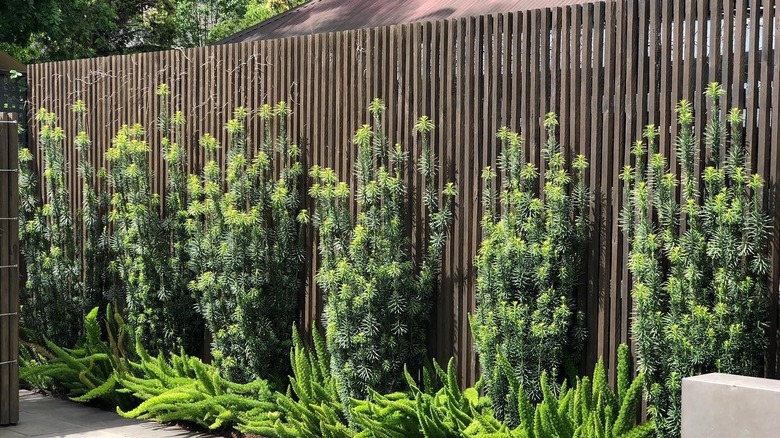
Native to the woodland areas of Japan, Taiwan, and Korea, the Japanese plum yew thrives in both partial and full shade. However, in cooler climates, it can be grown in the full sun. This shrub can be grown in USDA Hardiness Zones 6 to 9, thriving in moist, well-drained soils. Once established, the Japanese plum yew is both heat and drought tolerant. It is also a deer-resistant shrub after it has settled in, so a perfect choice if your yard tends to get visits from Bambi and his friends!
After planting your Japanese plum yew in your border, water it regularly during the first few years to ensure that it settles in happily. You should fertilize it every spring, just before its new growth starts to appear. You may wish to prune it to maintain its shape, but cutting back is usually not necessary for the shrub's health. If you do prune it, opt to do so in spring, just before the shrub puts on new growth. Remove any dead or damaged branches from your Japanese plum yew, and cut it into shape.