

Spices You Can Grow In Your Outdoor Garden
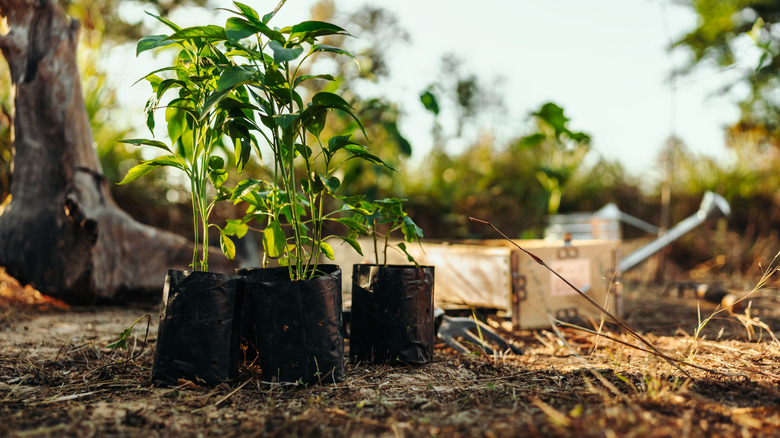
In the history of the spice trade, empires were formed, and entirely new continents were discovered in the pursuit of flavors that we now keep in our cupboards without an ounce of thought. From black pepper to cinnamon and cloves, ingredients like these have shaped economies and culinary traditions for centuries. But while many who enjoy growing their own food include herbs in their edible landscapes, we don't hear as much about people growing spices. Curious, we wondered how many of these spices could actually be grown in an ordinary outdoor garden, and were a little surprised at the answer. While it depends on your climate — most spices can't withstand cold temperaures outside of USDA Hardiness Zones 9 to 12 — it turns out you can include everything from allspice to wasabi in a thriving herb garden.
For all of the 26 spices that we found on this list, some people might think of them more as an herb than a spice. Terms can be a little confusing, but "herb" and "spice" aren't classifications. Instead, these words refer more to how a part of a plant is used. Herbs are usually the leafy plant parts that we use in our foods and beverages, either dried or fresh. Spices are flavorful seeds, barks, and roots. The distinction is a little clearer when we take plants like dill as an example: the leaves are used as an herb, and the seeds as a spice. Cilantro is another example where the fresh leaves are an herb, and the seeds are the spice known as coriander.
Allspice
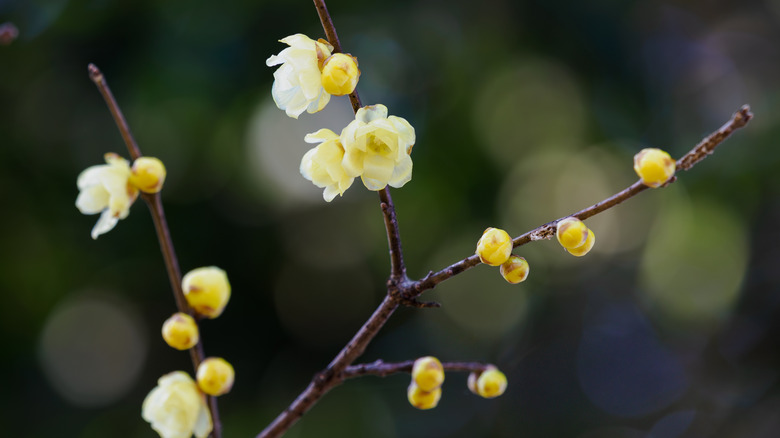
Allspice (Pimenta dioica) is the dried berry of a tree that grows natively in the Caribbean, Mexico, and South America. This tropical plant can be grown in outdoor gardens in hardiness zones 10 to 12. It has creamy white flowers that bloom in July and 3- to 6-inch evergreen leaves, which are also used in cooking, similar to bay leaves. This tree can get up to 40 feet tall and spread up to 25 feet, but is flexible enough to be grown in containers indoors overwinter if you live in zones 9 and colder.
Anise
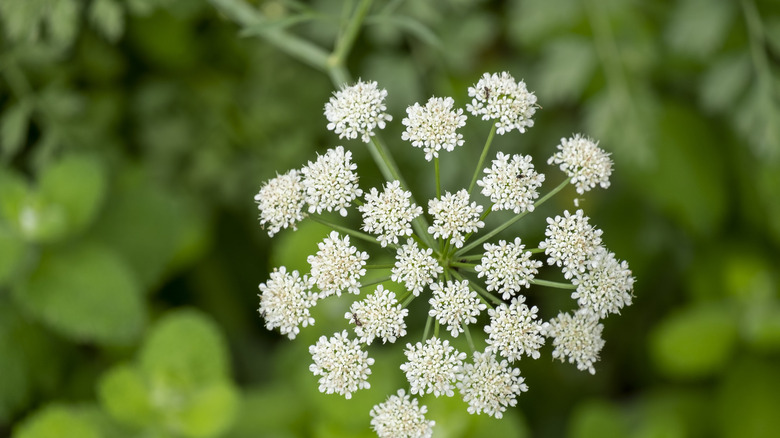
Anise seed comes from the anise plant (Pimpinella anisum). It tastes similar to licorice because of the compound anethole, but shouldn't be confused with other spices on this list, such as star anise or fennel. One of several seed spices in the carrot family, anise seed is used in soups and baking. It can be grown outdoors in zones 4 to 9, but it requires a long growing season of at least 120 days for mature seed heads, so you may have to start seeds indoors to ensure a good crop.
Bay leaves
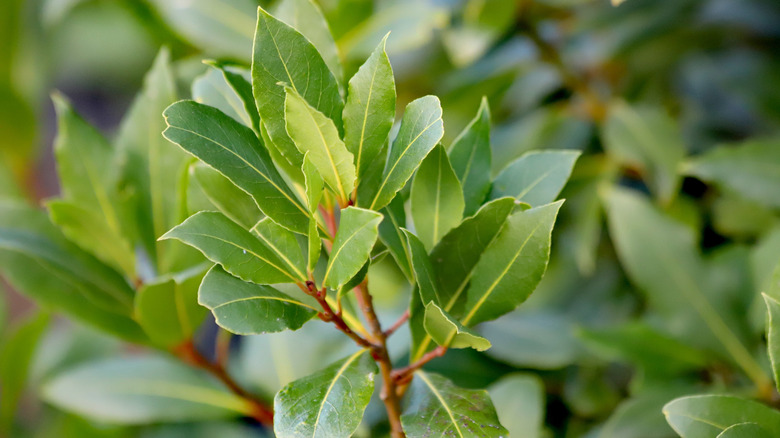
Sweet bay (Laurus nobilis) can be grown outdoors in hardiness zones 7 to 10. In cooler climates, it can thrive as a houseplant, preferring well-drained, moist soil. No matter the climate you live in, container-grown bay trees can be attractive with their evergreen foliage. Since they are slow-growing, they are easily maintained by trimming the roots every few years. You can choose to grow this tree with a single trunk by pruning the suckers, or leave it as a multi-branching shrub. It can also be used as a topiary plant if that's something you're interested in.
Black pepper
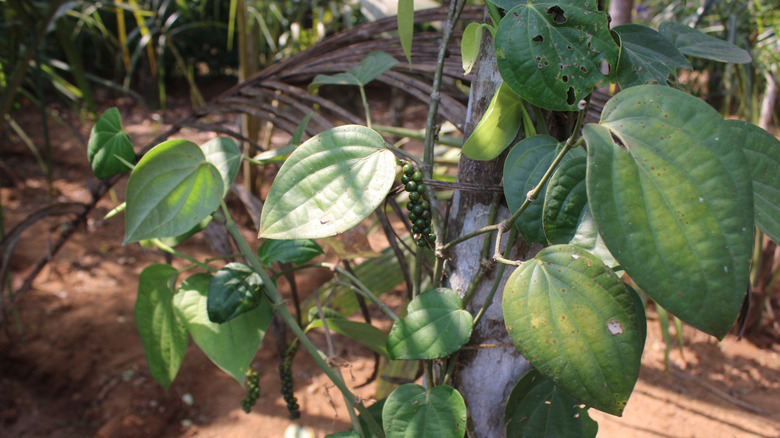
The black pepper we use to season our food comes from peppercorns, which are the dried, unripe berries of the common pepper vine (Piper nigrum). Sometimes grown as a houseplant, this vine is a tropical plant hardy in zone 12, so you can really only grow it outdoors if you live in places like Hawaii or Puerto Rico. In tropical yards like these, Piper nigrum likes dappled sun and needs a support trellis, as it can get up to 15 feet tall. Once the ripe, red fruits are picked, they are harvested and dried, turning black after a few days.
Caraway
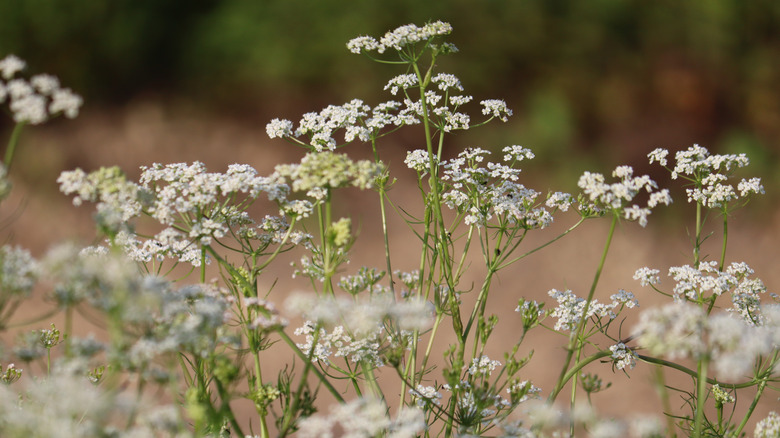
Caraway is another seed spice in the carrot family. Like many in this family, the caraway plant (Carum carvi) is a biennial, and it can be grown in zones 4 to 10. Used in love potions during medieval times, caraway is an ancient herb that has even been discovered in Neolithic cave dwellings. The plant gets up to 2 feet tall in the second year, producing large umbels of flowers, followed by ripe seeds that can be harvested and dried. As a note of caution, caraway is considered a noxious weed in Colorado, becoming weedy when unharvested seeds germinate the following year.
Cardamom
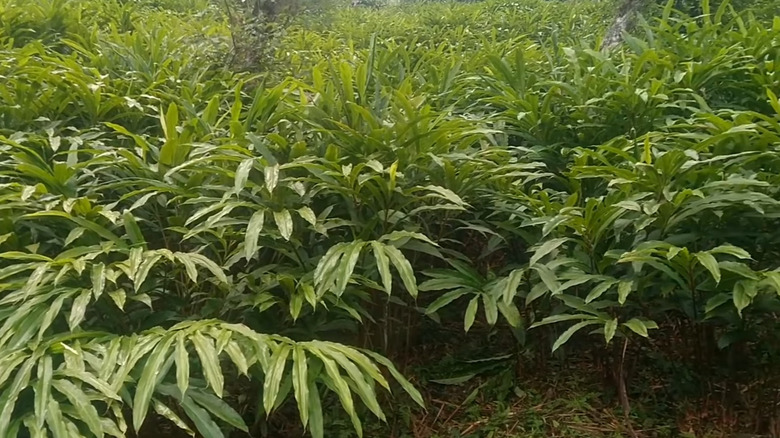
Another spice plant that can technically be grown outdoors in the U.S. is cardamom (Elettaria cardamomum). This tropical plant only tolerates warm climates, from zones 10 to 13. There, it can grow up to 15 feet tall and 10 feet wide, producing large capsules of seeds which are harvested by hand to prevent loss. This large, broadleaf evergreen is a good choice for tropical gardens with Asian or edible themes. In cooler climates, you won't be able to grow this outdoors year-round, but you might have success treating it as a houseplant in a large container.
Cayenne pepper
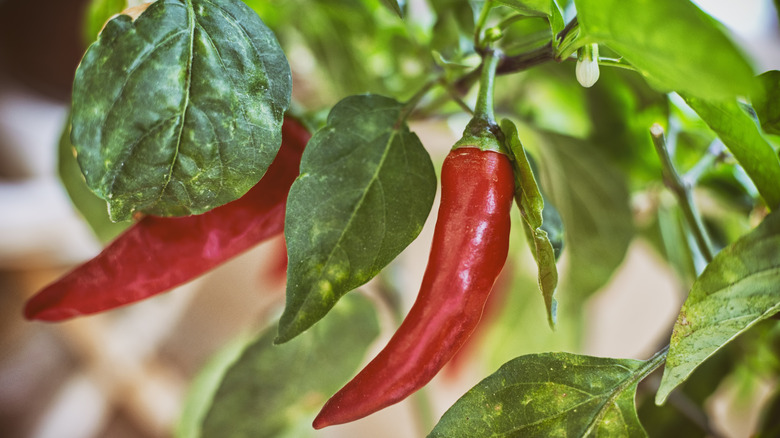
There are a lot of different types of peppers out there, but when it comes to scientific classification, basically all peppers that you grow in the garden come down to just a few types, including sweet, hot, and ornamental (Capsicum annuum). Whether we're talking about ground red pepper, chili pepper flakes, or cayenne pepper, they're all made from the dried fruit of cayenne pepper plants, often the hottest varieties, and are used to season food after being ground into flakes and powders. You can grow these plants as an annual in outdoor gardens in zones 4 to 10.
Cinnamon
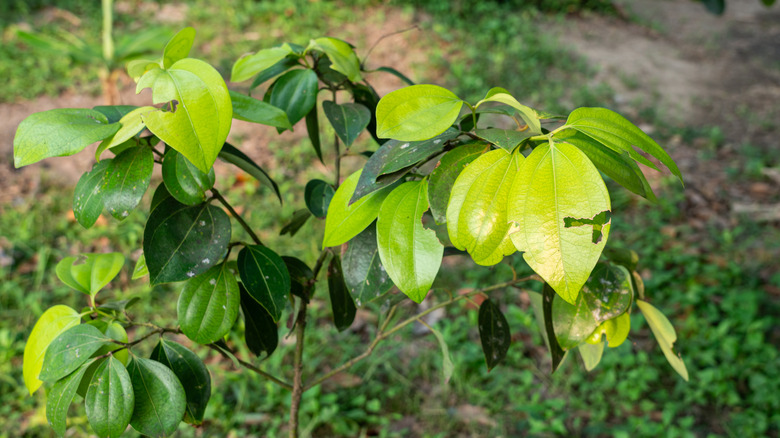
Because we all know about cinnamon sticks, it's common knowledge that cinnamon comes from the bark of a tree. However, if you're wondering if you can grow a cinnamon tree (Cinnamomum verum) at home in your backyard, then you should know that it's only possible if you live in zones 10 to 12. The inner bark of this 50-foot-tall tree is what's used for sweet baking dishes and savory sauces, but the whole plant is edible. In colder zones, cinnamon trees can also be grown in containers outdoors and moved indoors for the winter.
Cloves
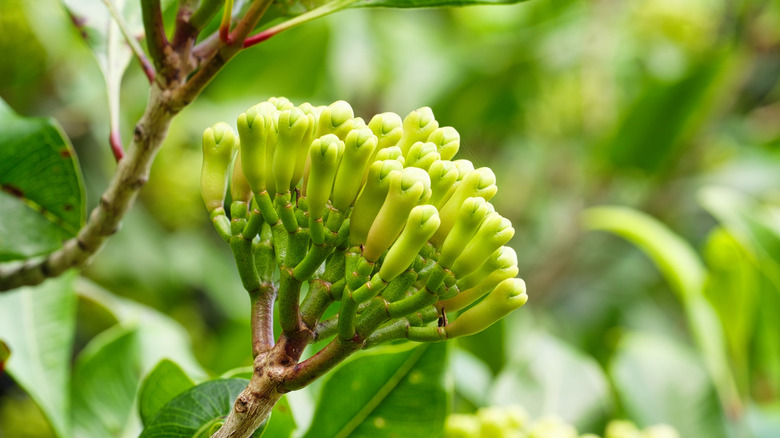
Cloves are an excellent spice with a variety of uses. The part of the clove plant (Syzygium aromaticum) that we use in cooking is the dried flower bud, and while they may seem very common today, cloves were once highly valued. These aromatic dried flowers were once even given to London workers as bonuses. Native to Indonesia and growing in tropical zones 11 and 12, the range of climates where you can grow this popular spice outdoors is limited, but it is frequently cultivated in hot, humid greenhouse environments.
Coriander
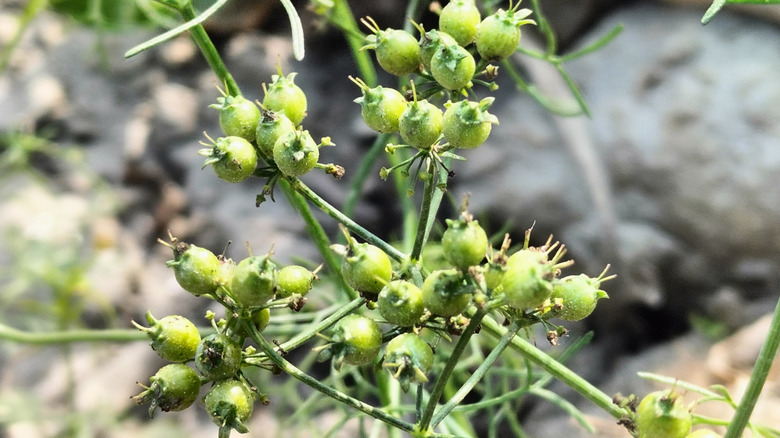
Cilantro (Coriandrum sativus) is the plant that produces the spice seeds known as coriander. This popular seed spice is a quick-growing annual whose leaves are used to flavor a variety of Latin and Asian dishes, and because it is semi-hardy, it's easily one of the best annuals to plant in the fall before the cold weather rolls in. However, if you're trying to grow cilantro for seed, start it early in the season, as it takes at least 100 days for the seeds to mature.
White cumin seed
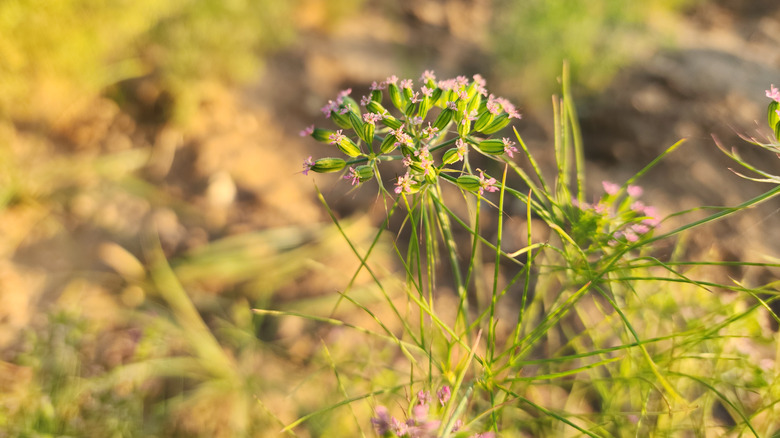
There are a few main types of cumin seed, including white cumin (Cuminum cyminum). This is the most common type used in cooking. White cumin is a tender annual herb that takes about 120 days to produce mature seeds in zones 5 to 10. If necessary, you can grow cumin outdoors by starting plants indoors to extend your growing season. White cumin is one of the spices that comes from the Mediterranean, and it's a common addition to Asian, Indian, and Middle Eastern dishes.
Black cumin seed
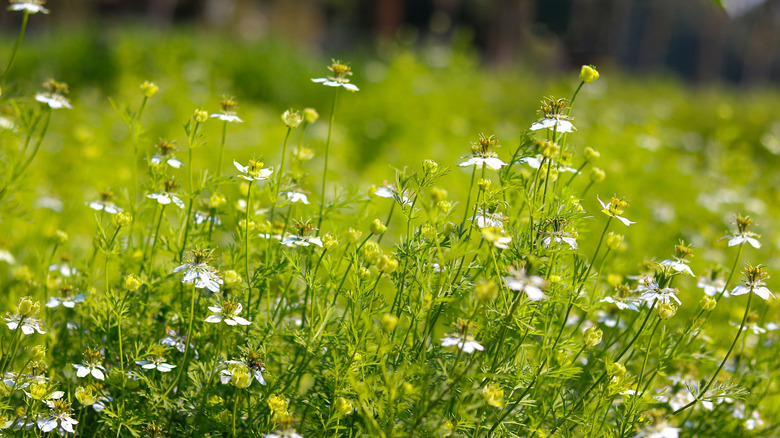
Black cumin (Nigella sativa) is another spice plant that's not closely related to white cumin but has many similar culinary uses. Grown as an annual plant in most climates, it can be a nice addition to an apothecary herb garden. If you're familiar with love-in-a-mist (Nigella damascena), the fast-growing flower to plant in early spring for continuous color, then you'll notice many similarities, as these two plants are closely related. When growing black cumin for a spice, be sure to cut the seed heads off and put them in a paper bag before they are fully mature and open.
Dill seed
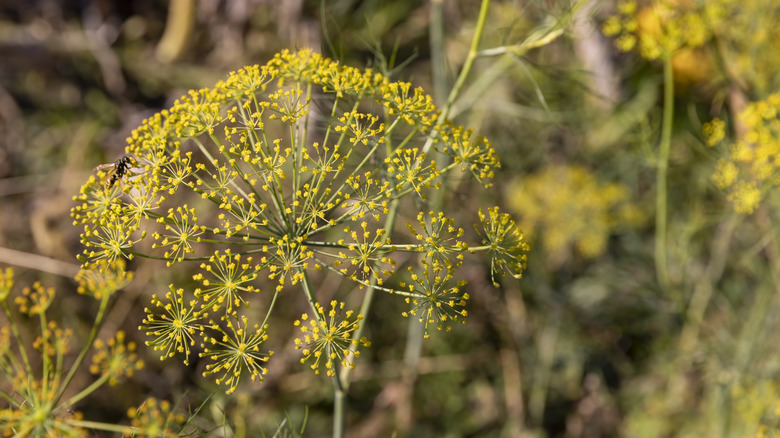
An annual herb, dill (Anethum graveolens), has seeds that are commonly used in pickling and savory breads, soups, and sauces. Many people grow dill outdoors as a fresh herb, then harvest the seeds at the end of the season. Like many spice seeds, it's best if you cut them before they open and store them upside down in a paper bag. Because dill plants don't take well to transplanting, it's best to directly sow their seeds outdoors. Dill is also one of the best plants for your pollinator garden.
Fennel seed
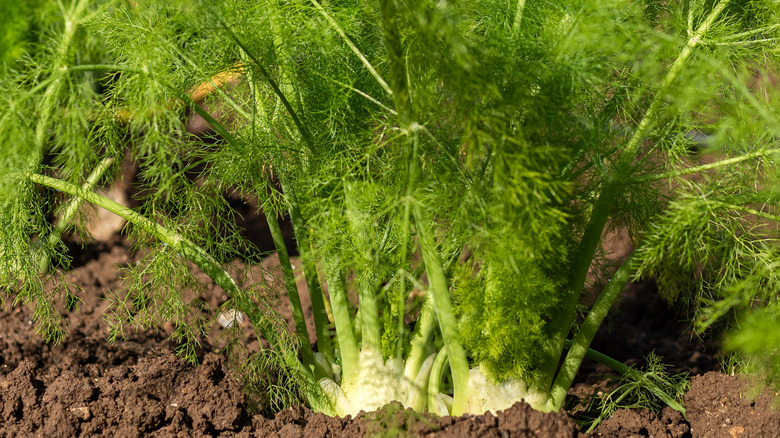
Many of the plants whose seeds we use as spices come from the Mediterranean, including fennel (Foeniculum vulgare), which is usually grown as an annual but can be overwintered outdoors in zones 6 to 10. In zones 2 to 5, it is often grown as a biennial, reaching up to 6 feet. Fennel likes a spot with full sun, and is another good plant to include in flower beds for an edible landscape. If you choose to grow fennel as a spice, you may let some go to seed, but know that it's considered invasive in Washington, Oregon, California, and West Virginia.
Fenugreek seed
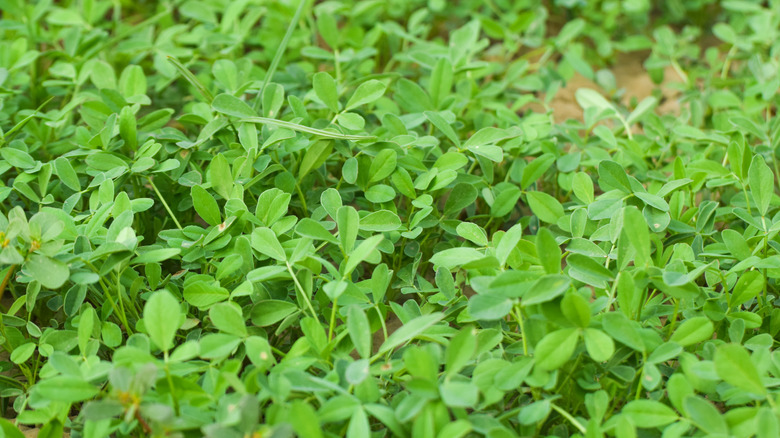
Although fenugreek (Trigonella foenum-graecum) sounds like it could be a similar spice to fennel, they aren't closely related. One of the best herbs to plant in your garden to naturally enrich the soil, fenugreek is a versatile nitrogen-fixing annual herb that's even grown as fodder for livestock in some parts of the world. Hardy outdoors in zones 5 to 9, this leguminous plant gets up to 2 feet tall and produces seeds in 4-inch-long pods. Each pod has a dozen or so seeds, which can be used to flavor curries and other savory dishes.
Galangal
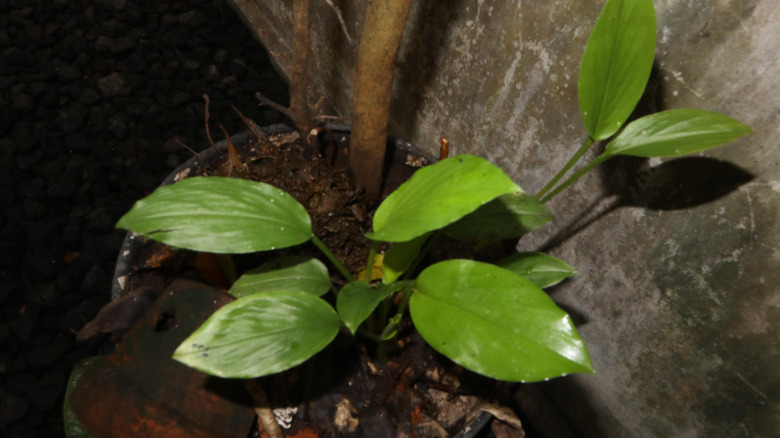
Galangal (Alpinia galangal) is a plant that produces rhizomes, which are quite different from the seed spices on this list. It's actually a member of the ginger family, and galangal rhizomes are sometimes even mistaken for ginger tubers. Galangal, aka Thai ginger, is a tropical plant that is only hardy in zones 9 and warmer. It likes a moist, shady spot with fertile soil. This is a common spice used in ethnic and Asian dishes. Fortunately, if you live in a cooler climate, it is suitable for growing in a container garden.
Garlic
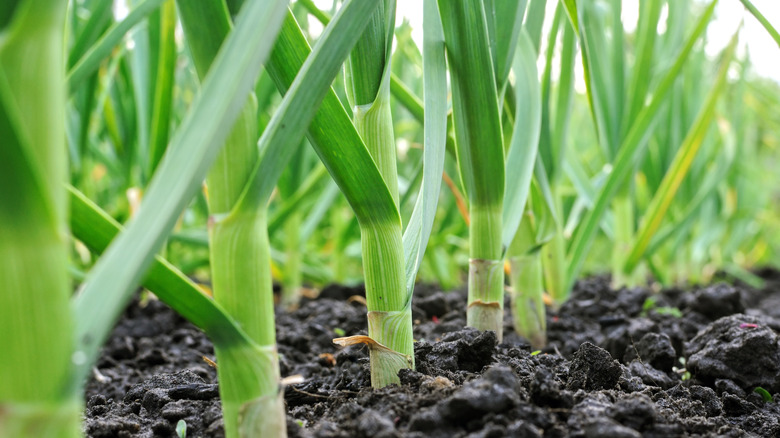
With some plants more than others, it can be hard to tell if they're an herb, a spice, or something else. While garlic (Allium sativum) is most often considered a vegetable and a bulb, the ground or grated garlic that you use in cooking is a spice. It's hardy in many climates, and is planted in the fall, from September to October, depending on where you live. It's then harvested the following summer. Not only deer-resistant, but garlic is actually one of the plants that keeps deer away, which means you can plant it freely outside your vegetable garden fence.
Ginger
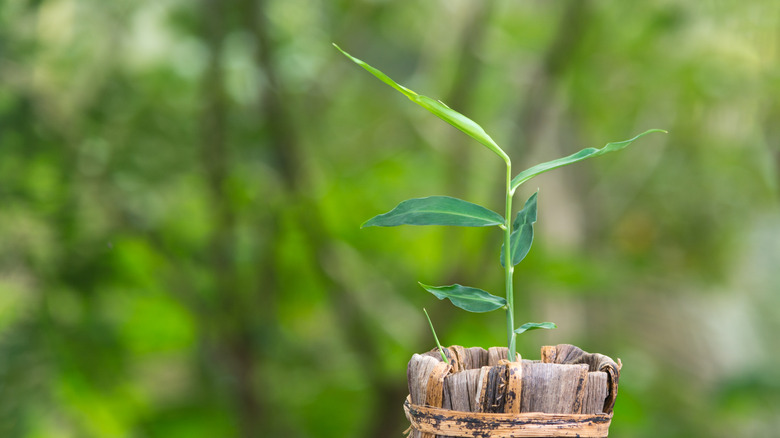
Like galangal, ginger (Zingiber officinale) is a warm–climate spice that comes from a tuber or rhizome. In zones 9 to 12, you can grow ginger as a perennial overwintered outdoors. In cooler climates, you can choose to grow it as an annual or as a houseplant in a container, which you can keep outdoors while temperatures stay above 50 degrees Fahrenheit. Ginger doesn't bloom until the second year when grown in the garden, and rarely when grown in containers, but you can propagate it through its rhizomes.
Horseradish
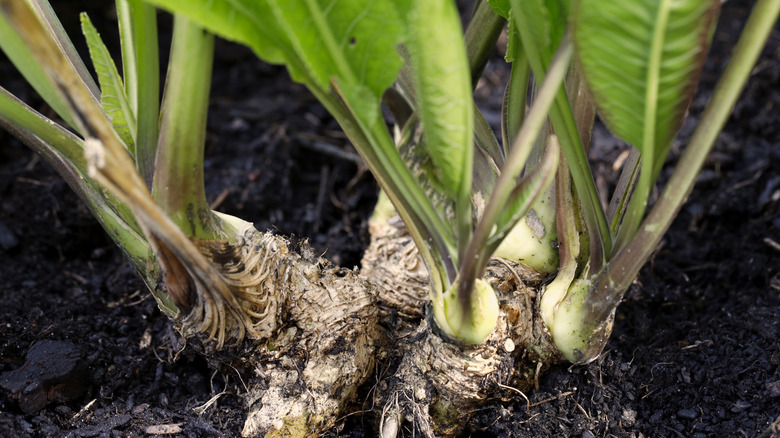
Horseradish (Armoracia rusticana) is a plant that can be used as a sauce or a spice. This perennial plant is usually propagated from root cuttings, which can often be bought at farmers markets and online seed companies. Usually easy to grow, horseradish doesn't require a lot of attention or maintenance, but it can spread somewhat aggressively when grown outdoors in zones 4 to 9. Because of this, some people choose to grow it in a large pot to keep it contained. Like mustard seeds and Brussels sprouts, horseradish contains compounds called isothiocyanates, which make it spicy.
Mustard seed
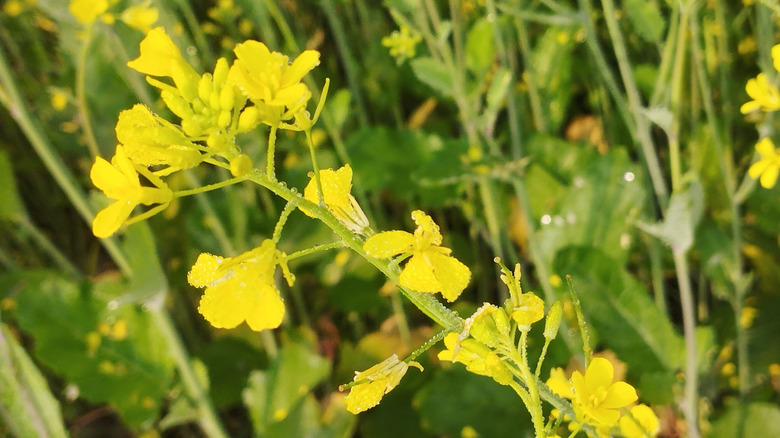
Mustard seed comes from various Brassica cultivars, including B. juncea and B. nigra. The former can be an aggressive grower and is considered invasive in Michigan and New Hampshire. These are exceptionally cold-hardy crops. Related to broccoli, cabbage, and Brussels sprouts, mustard seed contains the same isothiocyanates as horseradish. All parts of the plant are edible, but it's the seed that is considered a spice. It's frequently used in condiments, pickling, and as a base ingredient for mustard condiments. Although mustard can be grown in a container for greens, it's usually grown in the ground as a seed crop.
Paprika
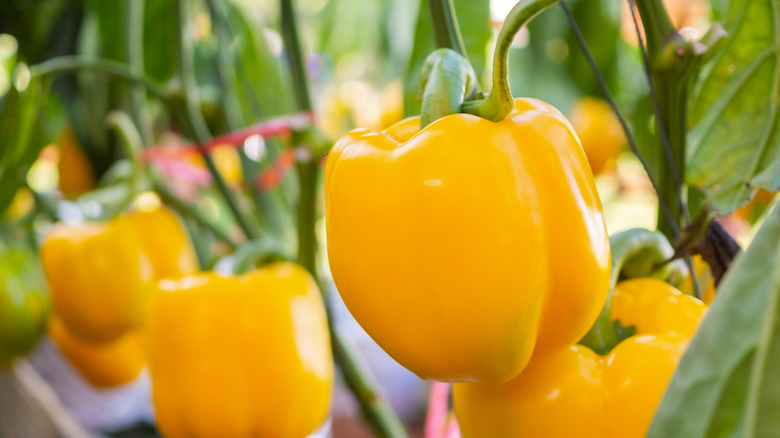
For paprika, we've actually already technically covered the plant that's used to make this common spice: Capsicum annuum, the same species used for chili powder and cayenne pepper. While there are hot paprikas made from spicy cayenne peppers, paprika is often made from sweet Capsicum cultivars, such as bell peppers. Usually, a few different types are ground into a fine powder and added to dishes to impart a subtle, smoky flavor.
Saffron
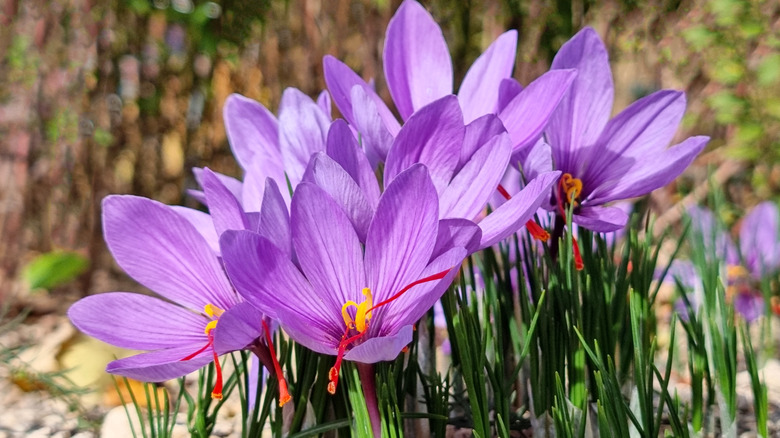
Grown outdoors in zones 5 to 9, autumn crocus (Crocus sativus) is the plant that produces the spice saffron. With this plant, it's the dried stigmas that are used in cooking to add flavor and color. If you're in zones below 6, you can overwinter these bulbs by bringing them indoors. Plant crocus corms in late fall or early spring, and you should have blooms the following fall. They look excellent in mass plantings, and when they bloom in the fall, you can carefully collect the stigmas using a pair of tweezers, then lay them out to dry.
Star anise
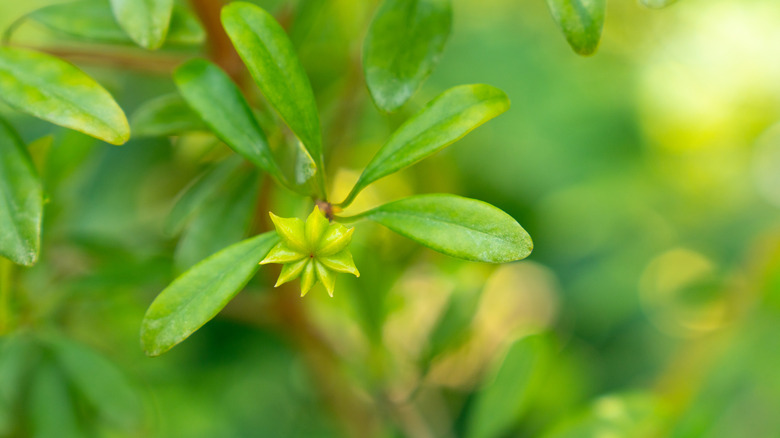
Star anise (Illicium verum) is only hardy in zones 8 to 11. It's also the only species in the Illicium genus used as a spice; don't confuse it with the toxic Japanese star anise (I. anisatum). In warm, humid climates, it can grow up to 50 feet tall, producing star-shaped flowers and edible seed pods. The flavor of this seed spice comes from its high concentration of anethole, which gives it a licorice-like flavor, similar to anise and fennel.
Turmeric
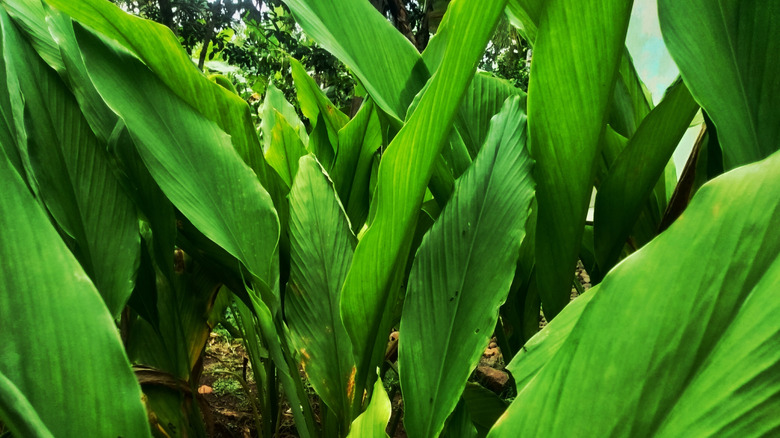
While not closely related to other rhizomes on this list, turmeric (Curcuma longa) is another spice that comes from a tuber, such as galangal and ginger. Turmeric is the main ingredient in curry powder that gives it an abundance of color and flavor. If you live in a warm climate in zones 8 to 11, you can grow this perennial herb outdoors in your garden. It's also suited to container gardens and can be grown as a houseplant. Like saffron, turmeric is one of the plants you can put in your garden for natural dyes.
Vanilla
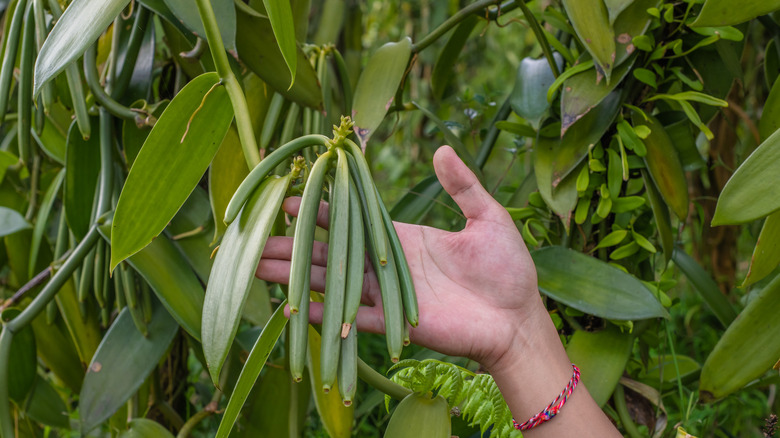
The vanilla bean — used to create one of the most common baking spices in the kitchen – is actually a cured seed pod from a vanilla orchid (Vanilla planifolia). Often grown in greenhouses and conservatories, you can also grow orchid vines like Vanilla planifolia outdoors only in the warmest parts of the country, such as parts of Southern Florida in zones 10 and 11. Interestingly, the flower blooms for only one day and must be hand-pollinated if it's grown indoors.
Wasabi
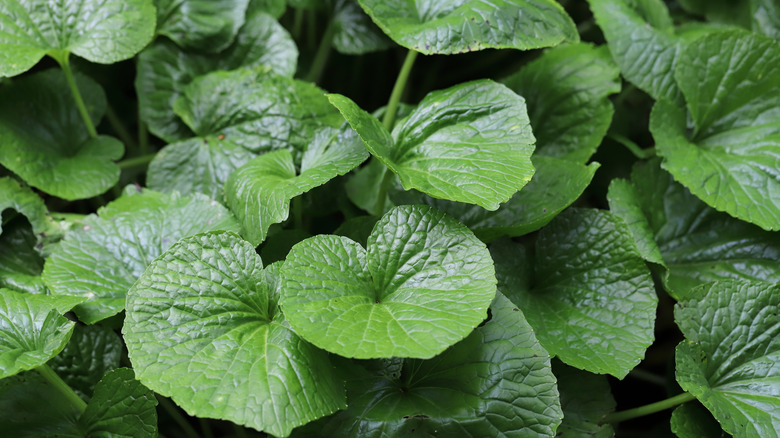
The last spice plant on our list is wasabi (Eutrema japonicum). Wasabi is a tuber like turmeric and ginger, but it has isothiocyanates like mustard and horseradish. In fact, it's in the same family as horseradish and mustard. Wasabi is hardy in zones 7 to 10, but it's one of the most challenging spices on our list to grow. It needs a lot of moisture and shade, making it a good choice for a shady spot near a stream or pond, especially if you add sand to assist with drainage.