

Fixing Cracked Driveway Pavers Is Simple: Here's What You Need
We may receive a commission on purchases made from links.
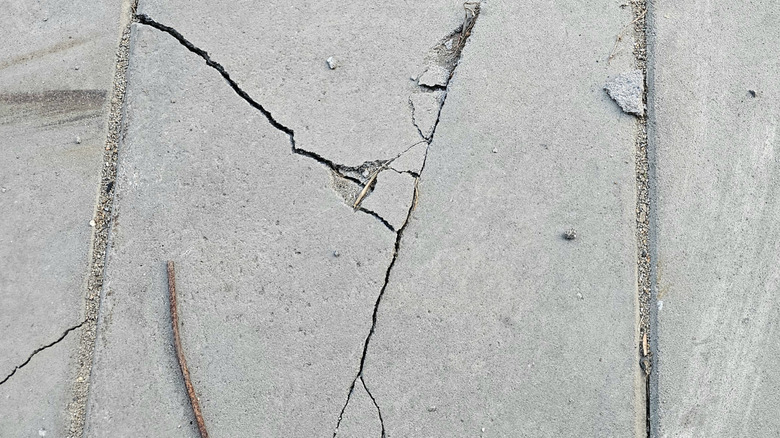
Using pavers instead of plain concrete or asphalt allows you to create clever driveway layouts sure to boost curb appeal. When properly laid, they are also a durable option. That said, kids dump their bikes, and people drop stuff, so wear and tear can lead to chips and cracks that spoil the appearance. Fortunately, fixing cracked driveway pavers is not difficult, and there are a host of products available. In many cases, the only things you need are a brush to clean the crack, the filler, and something like a putty knife to smooth it. In fact, Luvboate Professional Concrete Crack Filler even includes a couple of spreaders and some work gloves.
Spotting a crack while it's still small, and fixing it straight away can prevent the whole paver from breaking down and needing to be replaced. Depending on the size and material, it might be less expensive to replace a single paver than it is to buy a crack repair product, but that's not the issue. Even if you have spares, they will likely have been kept in a shed or garage. Those that have been outside will eventually fade, so depending on the age of the driveway, they might be a noticeably different color. If you don't have spares, hunting for a matching replacement could be extremely frustrating.
A closer look at how to repair cracked driveway pavers
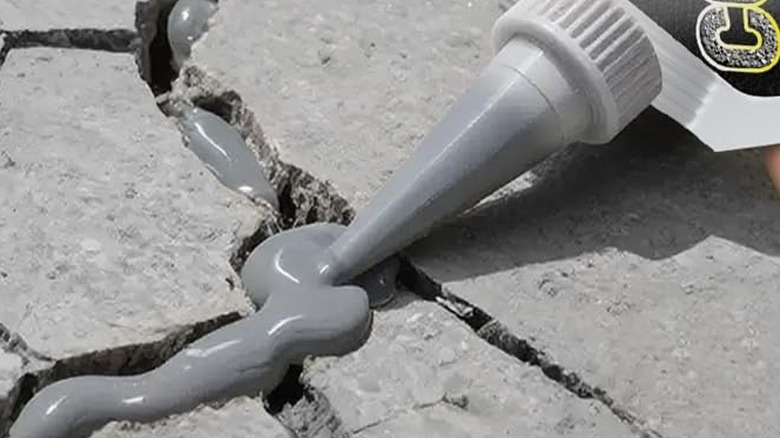
It's important to try to choose the correct product for the size of the crack. Unfortunately this is rarely made clear by the manufacturer's description. Checking with your local hardware store, or reviewing customer customers online can provide answers. In general it's common for liquid crack fillers to be used on minor damage up to about ¼-inch wide. That said, the concrete crack filler from specialists Sakrete can be used on cracks up to ½-inch wide. Instructions should always be followed closely but are generally straightforward: remove dirt and debris from the crack, fill, smooth, and leave to cure.
Matching colors can sometimes be difficult, so making your own paver repair filler is an option for small cracks and chips. You'll need a landscape adhesive like Liquid Nails – LN-905 (not rock glue) and a spare piece of paver. If you don't have one, with luck you'll be able to find a close enough match locally. Most will let you buy singles.
Make some paver power using an angle grinder or pounding small pieces with a hammer. Mix it with the adhesive to create a thick paste. Most landscape adhesives are tan colored so you need enough powder so that the paver color dominates. Apply it to the damaged area. Smooth, and leave to dry. It may not be perfect, but it won't stick out like a mis-matched crack filler would.
When to repair and when to replace cracked driveway pavers
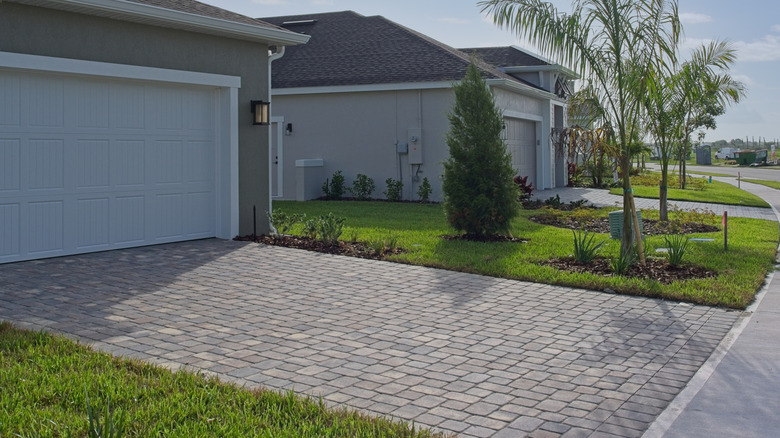
Fixing one or two cracked pavers can be simple, but if the crack runs all the way through, it's unlikely the repair will be successful for long. Replacement is probably a good idea. Some people suggest using screwdrivers to lever the old one out, but there's a better solution to replace pavers that doesn't risk damaging the surrounding ones. Whether fixed or replaced, sealing the paver will help prevent further damage.
If a number of pavers are cracked, it may be a sign of an underlying structural issue. Poor drainage can cause more widespread problems, as can the growth of tree roots. You can try lifting a few to see if you can locate the problem, but it may be worth contacting a professional for advice.
Something as simple as sweeping your driveway and removing weeds can allow you to spot issues before they develop into something serious. There are helpful weeding tools worth buying specifically for the job. A little TLC will do wonders for both the appearance and durability of your driveway pavers.