

12 Common Backyard Spots To Avoid Planting Hydrangeas
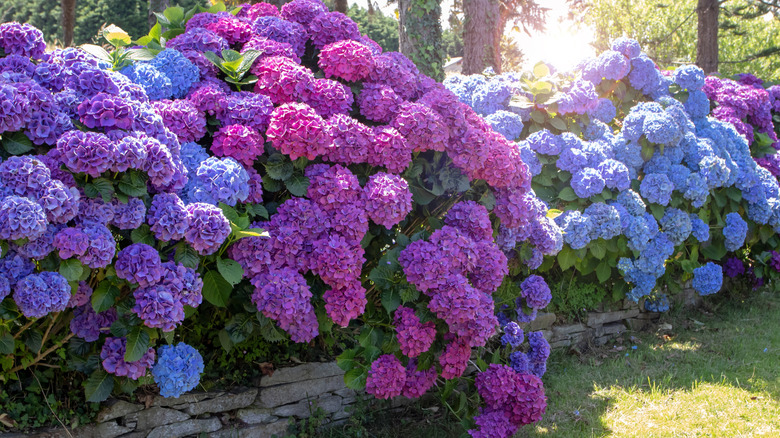
If you've found yourself completely enraptured by the large, colorful blooms of a hydrangea, you're not alone. Hydrangeas are one of the most popular plant picks when it comes to landscaping. However, while it may be tempting to plant these flowers everywhere in your yard so you can take advantage of the effortless elegance that comes with their beautiful blooms, not every part of your garden is equipped to accommodate hydrangeas. You'll want to pick spots that can provide your hydrangeas with their preferred growing conditions. This means that areas that provide too little (or even too much) sunlight or have poor soil may not help hydrangeas thrive. Certain neighboring plants, including black walnut trees or roses, can also pose a threat to those eye-catching hydrangeas you're trying to grow.
There are around 80 different species of hydrangea, each with its own care requirements and specific needs. However, when it comes to the genus overall, you can expect hardiness in zones 3 through 9. Hydrangeas grow well both in acidic and alkaline soils, and they can thrive in partial shade or full sun conditions (depending on the species and climate). Because there are several common backyard spots to avoid planting hydrangeas, you'll want to familiarize yourself with how to grow and take care of hydrangeas before planting.
Near your garden sprinklers
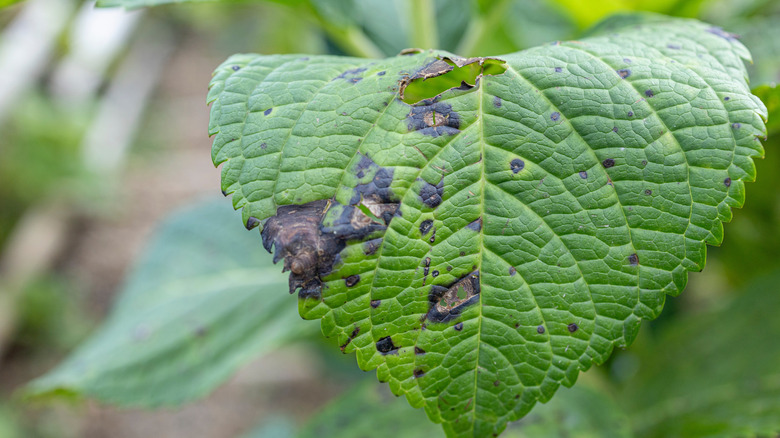
If you want to fully automate your hydrangea care routine for eye-catching, healthy blooms without a hassle, planting your hydrangea plant near a sprinkler may seem like a good idea. However, you'll actually want to avoid planting hydrangeas near sprinklers or other overhead irrigation systems that wet the leaves. This is because hydrangeas do better when water is applied directly to the soil. With sprinklers, the water can accumulate on the leaves and lead to fungal problems.
Close to your home's foundation
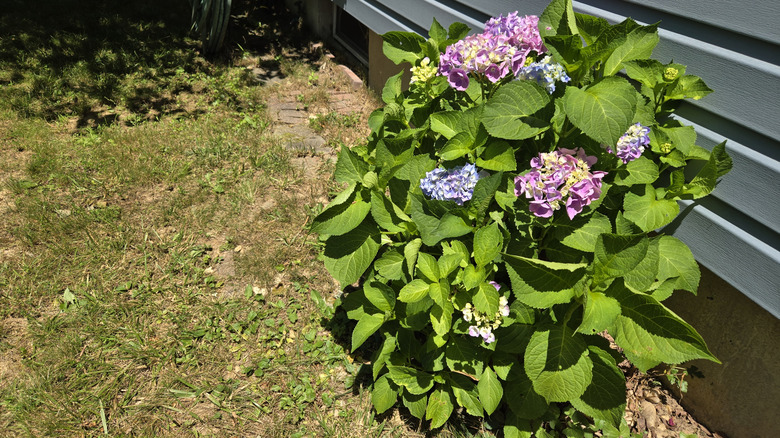
If you're looking for the perfect spot to plant your hydrangeas, right next to your home can seem like the perfect place to get started. After all, who wouldn't want to look out their window and enjoy those stunning colorful flowers that this plant offers? Unfortunately, another common backyard spot to avoid planting hydrangeas is too close to your home's foundation. Soil quality is generally poor in these areas, and gutters and overhangs may keep hydrangeas from accessing rainwater while providing too much shade.
In heavily shaded areas
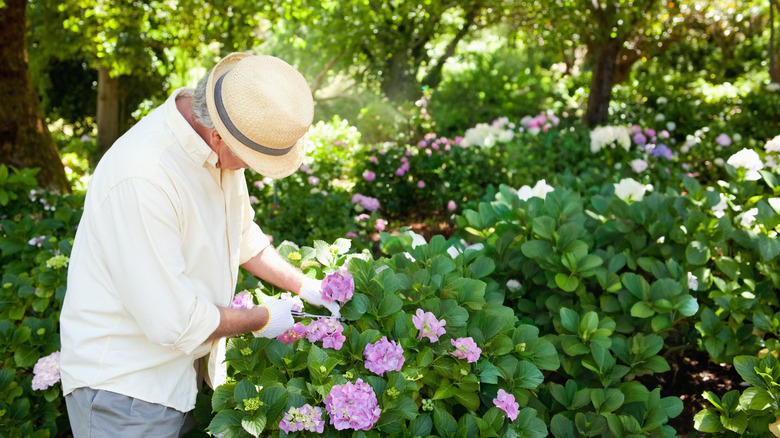
Near your home's foundation isn't the only heavily shaded spot in your yard you'll want to avoid. Because hydrangeas thrive (and flower) in partial or full sun, they need at least two to four hours of sunlight each day. As a result, you'll also want to avoid planting where anything can prevent your hydrangeas from receiving the right amount of sunlight daily. This includes spots near sheds, patio coverings, or even large lawn decorations or sculptures. Avoid planting hydranges too close to oversized plants that may shade them.
In areas with direct full sun exposure
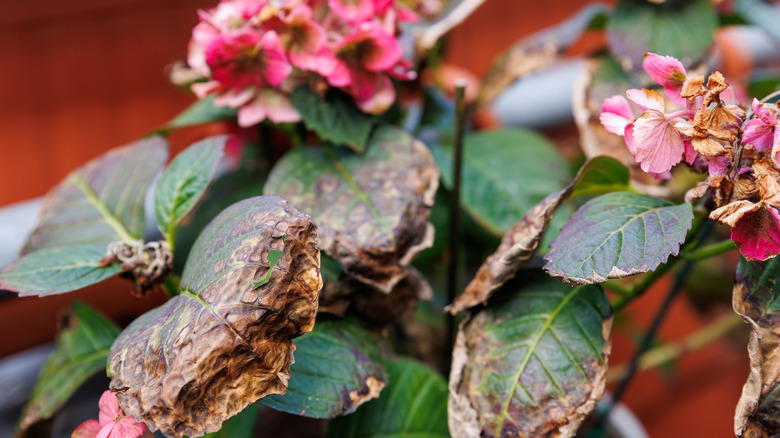
Just as your hydrangeas suffer with too little light, they may also fail to thrive if you plant them somewhere in your backyard with too much sun exposure. For the best results, choose a location in your yard that provides the sunlight they need during the morning while offering shade during the afternoon to prevent leaf scorch and other complications. An east-facing garden is often the best choice for this setup, as your hydrangeas will receive ample morning sunlight but be out of direct sunlight during the hottest parts of the day.
Under trees
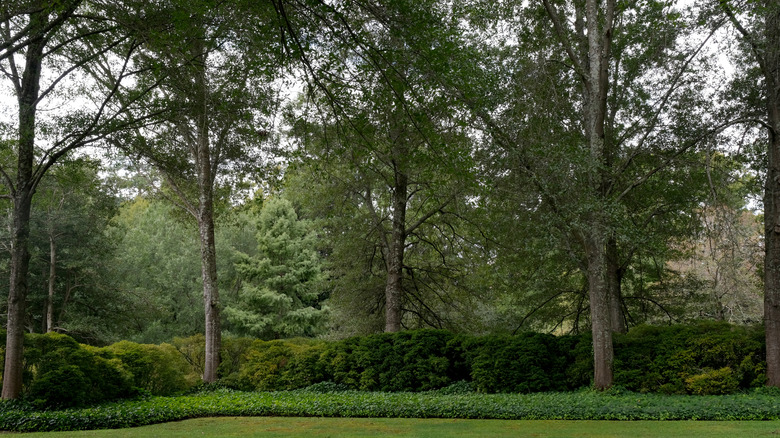
As we have discussed, hydrangeas don't grow well when they lack sunlight. However, while shade can play a large role in why you'll want to avoid growing hydrangea flowers under trees, there's a more notable factor at play here too: competition. If you plant hydrangeas directly under trees in your yard, they'll be in constant competition with your tree for resources, including the water and nutrients necessary for this plant to thrive in your backyard. Competition may not be fatal for a hydrangea, but it does make it difficult for this flower to reach its full potential.
Exposed to severe weather
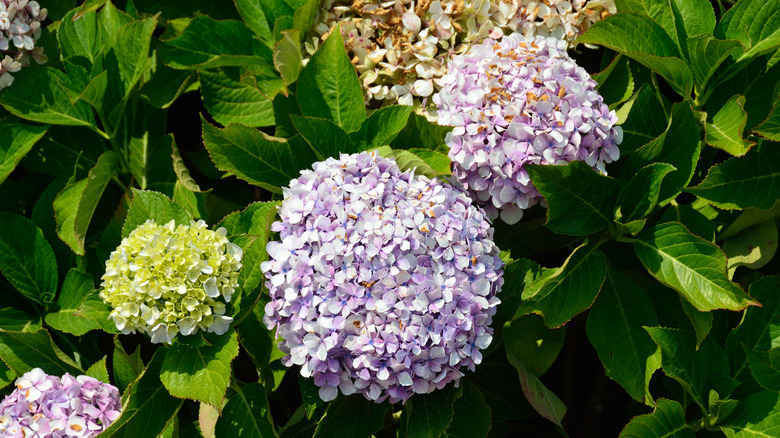
While their sunlight requirements may make hydrangeas appear finicky, they're actually quite tough plants. However, even with that in mind, they aren't able to withstand all weather conditions. As a result, you'll want to choose spots accordingly, as strong winds can break your plant's stems before they ever have the chance to bloom. This means planting your hydrangea where they have protection from heavy winds, such as near a fence or large structure that will block wind gusts without obscuring sunlight at crucial points during the day.
Near black walnut trees
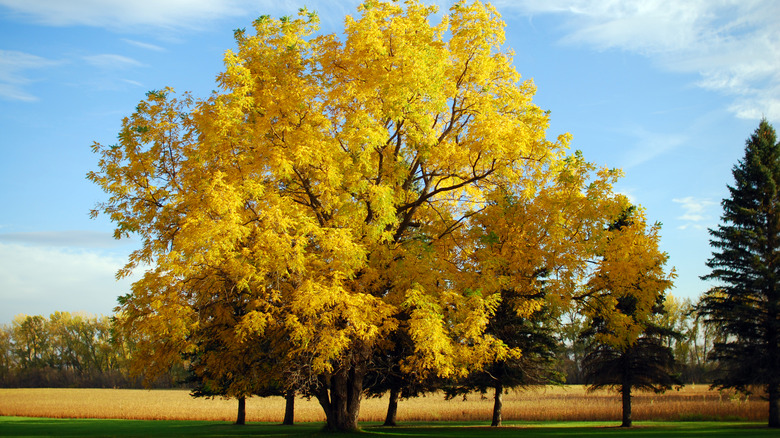
Some plants shouldn't be grown next to anything else because of chemicals they produce. While you may already wish to avoid planting your hydrangeas near trees for the reasons above, with black walnuts, there's an additional potential concern: toxicity. Black walnuts secrete a substance known as juglone. Black walnuts release this allelochemicals as a way to inhibit nearby plant growth, with juglone specifically stopping plants (including hydrangeas) from absorbing the water they need to thrive. This ensures that the black walnut tree doesn't face any competition but takes a toll on your landscaping.
In dry soil
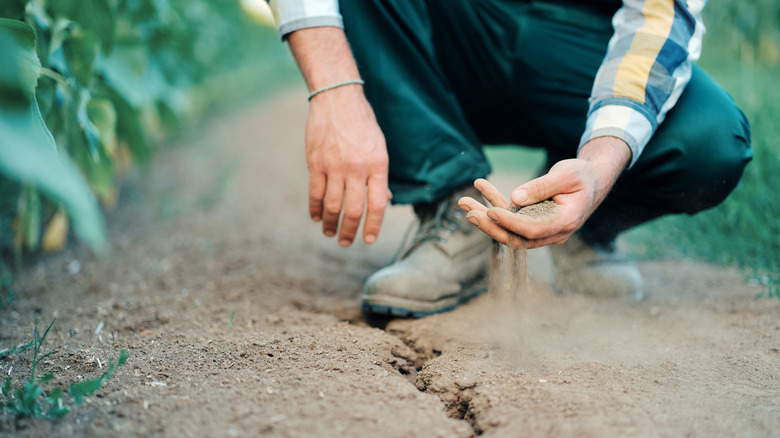
Your soil is the unsung hero of your backyard. It provides a place for plants to grow, offering support for their roots while also providing the many nutrients they need. As a result, one of the primary places to avoid planting hydrangeas in your backyard is dry soil. Dry soil lacks the water and nutrients needed for your hydrangeas, and it can leave them lackluster — if not failing altogether. Because of this, steer clear of soil in your backyard that is rocky, sandy, or otherwise lacking in moisture: Your hydrangeas will thank you.
In waterlogged soil
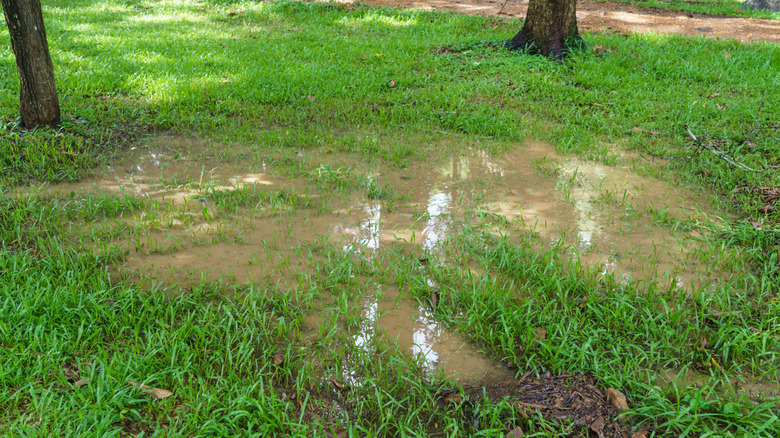
When avoiding those areas of your backyard with dry soil, it's important not to overcorrect and choose soggy, waterlogged, or wet soil either. Now, hydrangeas love water (it's even in their name, with "hydra" meaning water) but heavy, wet soil can lead to root rot. Pay attention to how your yard behaves during rain storms or heavy watering before planting your hydrangeas. Those areas that hold water or flood? Avoid planting these stunning flowers there to avoid drowning them.
Next to roses or eucalyptus
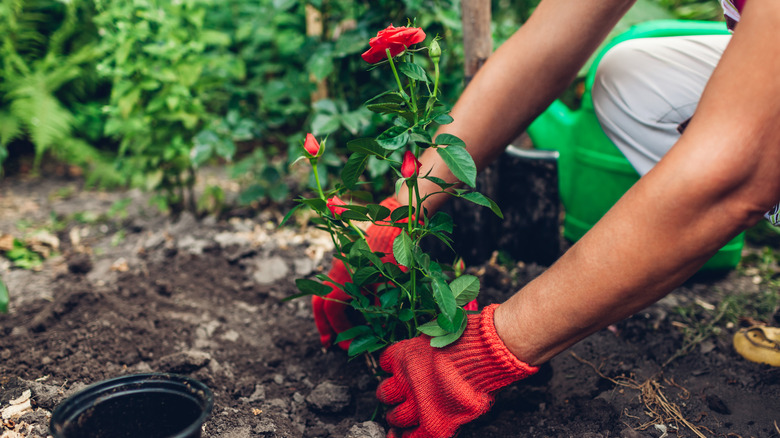
Remember how you should avoid planting hydrangeas near black walnut trees? Well, those aren't the only plants that don't make good neighbors for your hydrangeas. Instead, you'll also want to avoid growing hydrangeas near plants like roses and eucalyptus. Plants like these require an abundance of nutrients to thrive, and when planted alongside your hydrangeas, you'll find that there's often not enough water or resources to support all these heavy feeders. As a result, your hydrangeas might not look their best, or they could fail to grow at all due to malnourishment.
Spots that don't offer space to grow
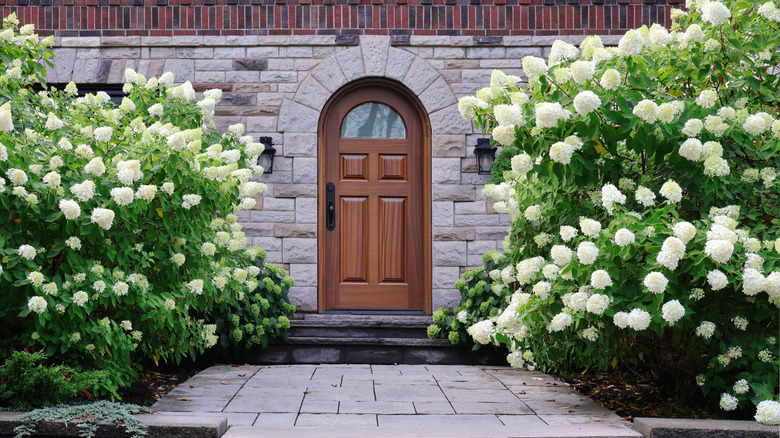
Each of the many species of hydrangea can vary not only in growth habits, such as shrubs versus vines, but also size. At their largest, however, some species of hydrangeas can grow up to 20 feet tall (typically seen in vining varieties), as well as 6 feet wide. This means that one places to avoid planting your hydrangeas is anywhere that is unable to accommodate a plant of that particular species. If you place a big variety in a too-small space, you'll need to prune more often, reducing or eliminating blooms.
In an area where care is a hassle
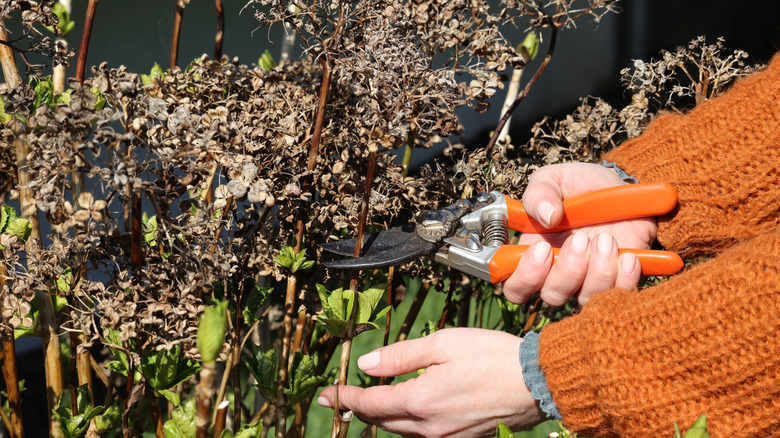
Choosing the right location in your yard for your hydrangea isn't always based on the plant itself. Instead, when it comes to tasks like pruning, you want to make sure that you can easily access your plant, which means avoiding planting hydrangeas in those backyard spots where caring for your plant can be challenging. Tight spaces and compact corners where your plant is hard to reach makes it hard to tend to sufficiently, which can impact its health and appearance over time.