

Telltale Signs That It's Time To Remove Old Mulch And Start New
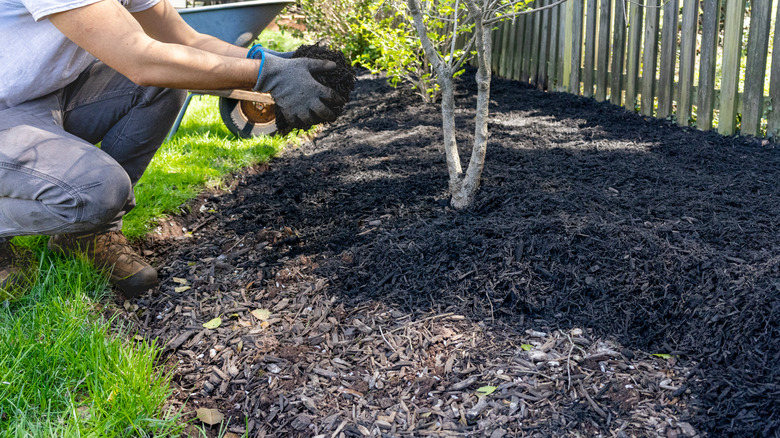
Applying a fresh layer of mulch on your garden beds comes with many benefits, including preserving moisture so you don't have to water as often and suppressing weeds so the plants you actually want to grow there can gain a foothold. But how long can that mulch layer provide those benefits? How often do you need to top it off with a fresh layer? Do all mulches eventually need to be replaced and, if so, how do you know when it's time?
The answer is that it depends. Some mulches break down faster than others, but you don't always need to remove the old material before adding a new layer. To make matters even more complicated, the answer can also depend on your primary reason for using mulch in the first place. If you want it to be decorative as well as functional, for example, ld mulch may need to be replenished yearly because some types lose color even while still helping with moisture and temperature control.
But if you're on a budget, you might try to wait as long as possible between mulch applications or even opt to use a DIY mulch made of ingredients that don't break down too quickly. Whatever your approach is, here are some of the most common telltale signs it's time to remove old mulch or at least top it off with some fresh material.
How to tell when it's time to replace organic mulches
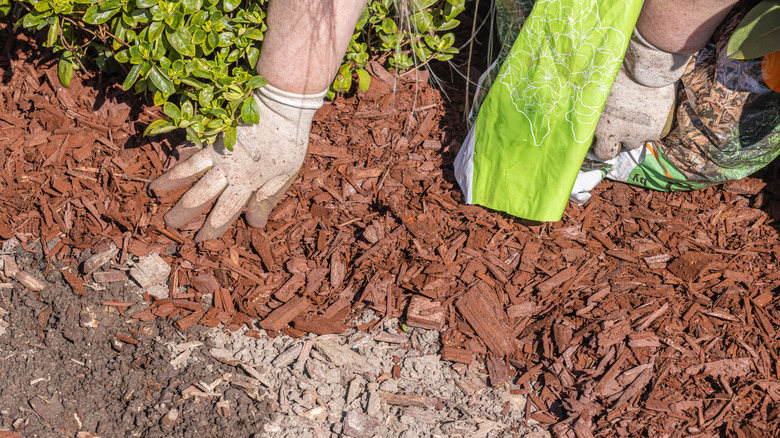
When you hear gardeners talk about replacing mulch, they're typically talking about organic mulches because these materials decompose over time. For example, if you save your leaves to use as free garden mulch, you'll likely need to top off the layer every year. That's because leaves break down very quickly. Fortunately, the trees in your yard will provide you with a fresh supply of this free mulch every year anyway, so this isn't a big deal.
While the need to regularly replenish materials as they decompose adds to your list of recurring garden chores, the benefit is that organic mulches add nutrients to the soil as they break down. Once it finishes serving as mulch, it also acts as a fertilizer and soil amendment. You also don't have to remove an organic mulch before replacing it. Instead, you'll just need to top off the mulch layer in your beds periodically.
The general guideline is to maintain a mulch layer of between 1 and 3 inches for finer ingredients like grass clippings or shredded leaves, or up to 6 inches if it's a coarser material like wood chips or straw. So, the most telltale sign that it's time to top off your mulch is to dig up a small section of mulch and see how deep the layer is. When it falls below recommended levels, just add enough new material to get it back where you need it to be.
Other signs you might need to replace your mulch
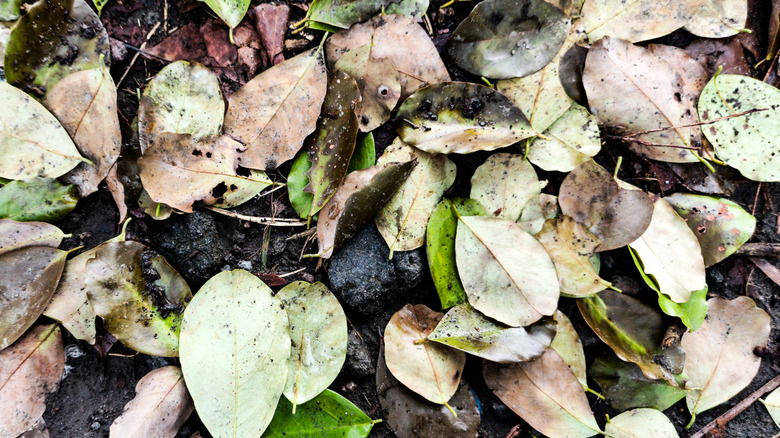
Normally, you don't need to completely remove organic mulch and start fresh, no matter how old it is. But one situation where you should completely remove the old stuff instead of just topping it off is if you battled any diseases in your garden last season. Even when the mulch is fresh, if the trees or plants in that bed caught a contagious disease last season, your safest bet is to remove the mulch layer and replace it with something fresh in case there are any lingering spores or bacteria in it. If your garden is disease-prone, you might want to replace your mulch every fall just to stay safe.
If you like the wide-ranging benefits of an organic mulch, but don't like having to top it off or replace it so often, consider using a ground cover that doubles as living mulch in your garden. The key is to choose a species that is low maintenance, doesn't grow taller than the flowers and shrubs in the bed you want to plant it in, and, most importantly, isn't so aggressive that it will out-compete the plants they're supposed to grow alongside.