

Ditch Solid Concrete: The Eco-Friendly Driveway Solution That's Affordable
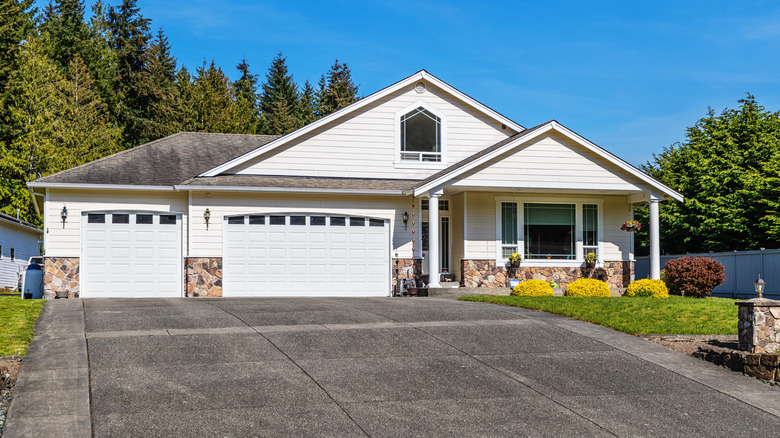
If your current driveway is looking shabby or you need to add one to your new home, it can feel pretty overwhelming to choose the right material. There are many materials you can use for your driveway, each with its own pros and cons. It's tempting to go with solid concrete — it's a common driveway choice and kind of feels safe, right? But there is a more eco-friendly solution that is much more affordable. It's crushed concrete — it's the driveway choice with quite a few benefits.
Crushed concrete is a recycled material produced when concrete is demolished. The demolished concrete goes through a recycling process to be cleaned and crushed, and then it can be reused. The end result often contains other materials, such as sand, stone, and mortar, which can help it remain stable and durable. There are quite a few uses for this recycled material, including pavements, roads, landscaping, and, of course, driveways.
Using this material in your driveway means less concrete ends up in landfills and a reduced need for new concrete production, both of which are good for the environment. It's also a permeable driveway material, as its texture helps rainwater seep back into the ground. Furthermore, because you are basically using recycled material, the cost of crushed concrete is much lower than if you were to have new concrete poured. This material can be up to 50% cheaper than gravel or stone, resulting in significant savings.
What maintenance do crushed concrete driveways need?
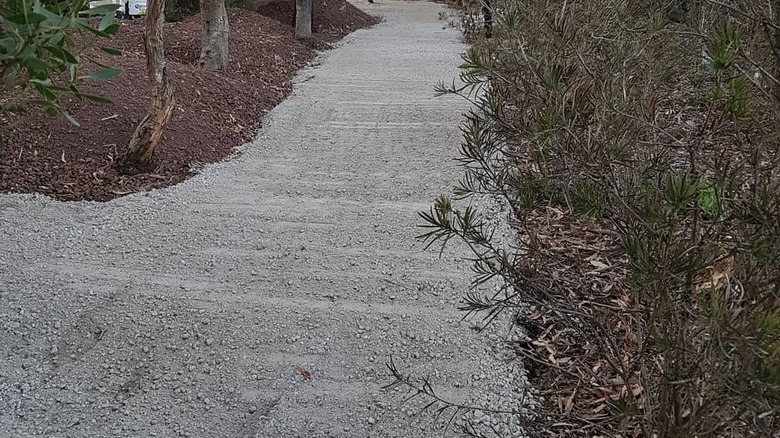
Thankfully, crushed concrete is a low-maintenance driveway material and doesn't need as much upkeep as some of the other driveway material options. Keep on top of any debris or leaves that come onto the driveway by raking them away or removing them by hand. This will keep your driveway looking good and prevent erosion. You should also fill any gaps or holes that appear over time with fresh crushed concrete, raking it over and compressing it to create a level surface.
As the years go by, it will compact and harden. This means it can drop, but adding a fresh layer each year will help you to achieve the correct height. By properly maintaining your driveway, keeping it level, and filling in any holes that may appear over time, you can keep your crushed concrete driveway looking good and working well year after year.
Are there any downsides to crushed concrete driveways?
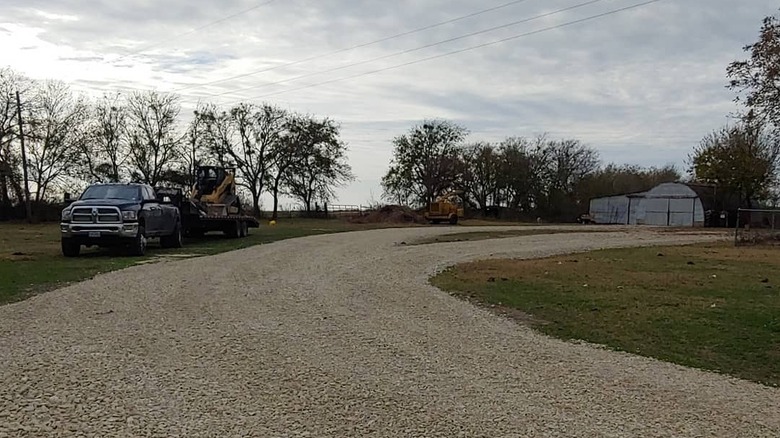
Cheap and good for the planet? Crushed concrete seems to be a fantastic solution for driveways. However, as with any material, there are downsides to crushed concrete driveways you should consider before adding one to your home. Firstly, it isn't as durable as other materials. It can compact over time to create a solid base, but, like gravel, it will often move, spread, and thin over time. This means you may end up with bare spots and unevenness, especially if your driveway is used frequently. If you do decide to use crushed concrete, check its grade and quality to ensure that it is up to scratch. Applying the material in layers and compacting it as you go can also make it tougher and longer-lasting.
Another issue with crushed concrete driveways is the dust they produce. When driven on and walked on, dust can kick up, dirtying your car, getting in your eyes, and even entering your home. This can become very annoying, very quickly. However, driving slowly can sometimes help you avoid creating loads of dust from the crushed concrete. These downsides of crushed concrete may put you off using it for your driveway, but it is important to remember that every material has its own pros and cons, so you must weigh them out and consider your needs to make the right decision.