

Will Metal Raised Garden Beds Overheat Your Plants? What To Know
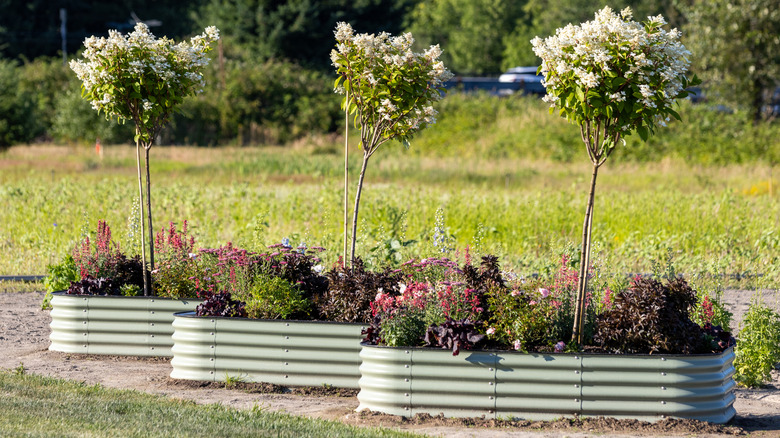
As a gardener, there's nothing more exciting than planting your first few seedlings of the season. If you're still in the planning phase and considering raised garden beds, you might have concerns about how they'll affect your yield. There are many benefits to growing in raised beds, such as making the most of a small space, improving soil drainage, and, sometimes, improving soil quality, leading to stronger, healthier plants. However, there are also a couple of reasons you should reconsider raised garden beds, especially metal versions. Metals are well-known thermal conductors that can transfer heat, and in some climates, using metal raised garden beds can lead to negative plant outcomes due to moisture loss in the soil.
While the heat transfer from metal garden beds doesn't typically overheat plants directly, it can overheat the soil, resulting in dried-out growing conditions and heat-stressed plant roots. The good news is that in moderate climates, this isn't usually an issue. However, if you live in a hot, sunny climate and your metal raised garden beds aren't shielded from the sun, you'll want to take some steps to protect your plants.
How to prevent metal raised garden beds from heat-stressing your plants
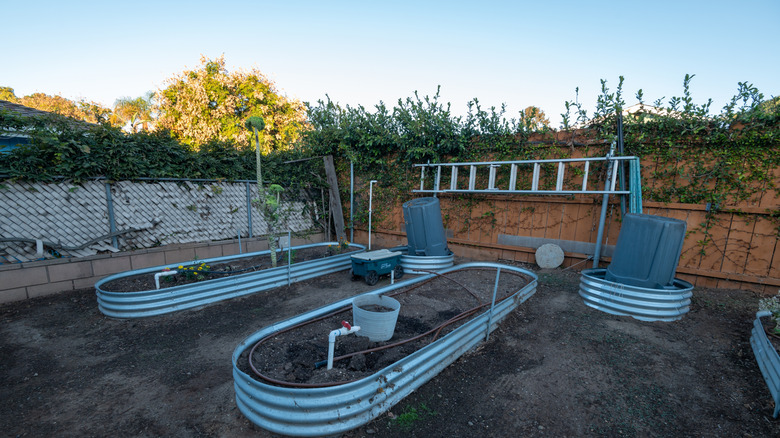
You can use metal raised garden beds in any climate as long as you're willing to take a few steps to ensure your plants receive proper hydration. For starters, water in the early morning instead of the afternoon. By doing this, the water will penetrate deeper into the soil, rather than watering midday when the sun is likely to evaporate it. This allows moisture to reach the plants' roots. If manual watering is too much of a burden, setting up a DIY irrigation system can help keep plants hydrated. You can also focus on additions that will help your beds retain moisture, such as mulch. Materials like straw, shredded leaves, pine needles, wood chips, or even grass clippings can be beneficial for locking in moisture.
If your metal garden beds are in a full-sun area, you have two options for growing thriving plants. First, you can add heat or drought-tolerant plants that can withstand the hot, sunny environment. Your second option is to create shade around the beds. There are many creative ways to shade your plants from the brutally hot sun, including hanging shade cloths or strategically placing taller plants or trellises nearby to act as blockers.