

The Fuss-Free Flower Pollinators Love That Comes In So Many Colors
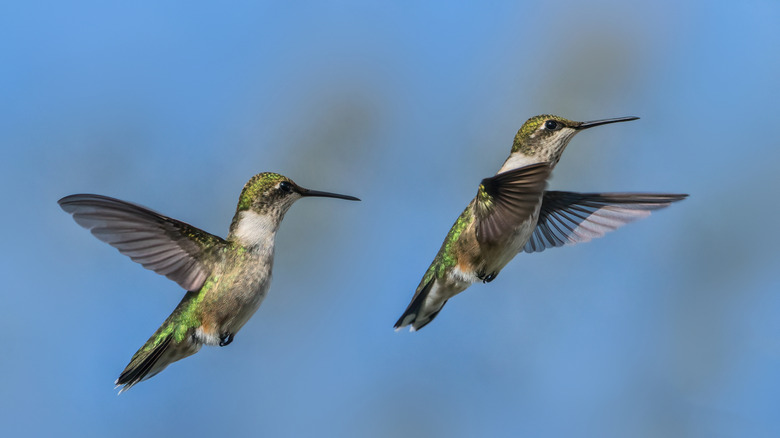
Although there are many mental health benefits to gardening, the hobby can also be taxing. After all, while choosing the right plants opens up the possibility of attracting helpful and lovely pollinators, you'll need to dedicate time and effort to cultivating the perfect spot for those flowers to grow. This requires time spent watering, fertilizing, pruning, and more. However, when you choose a fuss-free flower like colorful pentas (Pentas lanceolata), you can reap the benefits of starting your own pollinator garden without the maintenance that goes into more finicky plants.
Also known as the Egyptian star flower or star clusters, pentas are eye-catching flowers that attract hummingbirds and butterflies. They provide vibrant blooms in a range of colors, including yellow, pink, red, and white, throughout the summer and fall. With their tubular shape, they're also perfect for drawing in those pollinators you love to watch flit around your garden. Even better, pentas are known to be low-maintenance plants, which means less time fussing over complicated gardening tactics and more time enjoying the natural beauty your pollinator-friendly garden has to offer.
However, fuss-free doesn't mean entirely hands-off. Instead, a little care goes a long way in ensuring healthy star clusters, which means familiarizing yourself with the basic needs of this colorful plant.
How to grow pentas to attract pollinators
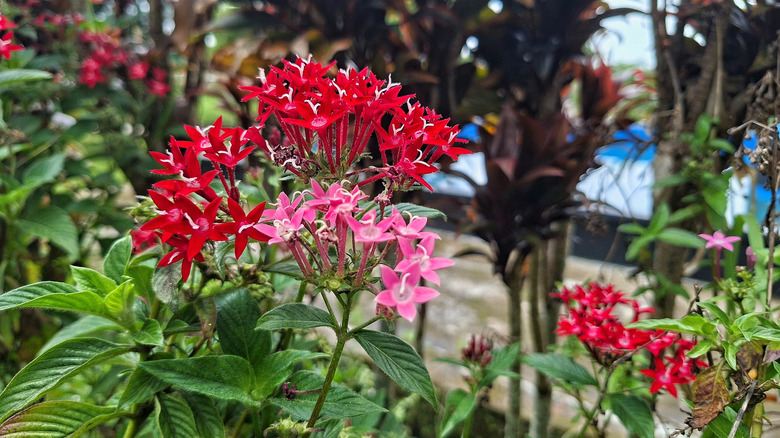
In many gardens, pentas are treated as an annual due to their limited hardiness zone. However, since they are winter hardy in zones 10 and 11, some areas may be able to enjoy these pollinator-attractors as a recurrent show-stopper. If you do have the opportunity to grow pentas as perennials, be sure to trim them back in the winter. Although this requires a bit of extra elbow grease on your end, it sets your flowers up for success in the following year.
As far as general care, pentas are as easy-going as they are low-maintenance. They can grow in both full sun and partial shade, giving you flexibility when planning your landscaping. However, these flowers do produce the most blooms when exposed to full sun, an important factor to keep in mind since more flowers mean more pollinators in your yard and garden. They do prefer a consistent water schedule that keeps their soil moist without creating waterlogged, soggy conditions. They can also tolerate short dry spells (but only after they're already well-established in your garden), which is perfect if you forget to water your garden occasionally.
Although pentas are low-maintenance, there is one regular chore you can incorporate into your gardening routine to enjoy more blooms: pruning. While deadheading your star clusters may not seem like the most exciting task, it does come with the benefit of promoting more blooms. As a result, regular deadheading can extend the longevity of your plant's pollinator appeal.