

How To Test Your Yard For Fleas Using A Sock Hack
If you have cats or dogs, there is nothing worse than signs of a flea infestation. The bites appear on your legs, your furry friend starts to scratch their ears a little bit more than normal, but you can't actually see any. You may be scouring for fleas in your home and on your pet, but these sneaky creatures might be hiding elsewhere — your yard. Thankfully, you can work out if you have fleas in your yard with one simple hack. This method, called the "sock test," is super straightforward. All you need are white socks that you don't mind getting a bit dirty.
To perform the sock test to find out if you have fleas in your yard, put on some long white socks and take a walk around your yard. Walk slowly, and focus on areas where fleas tend to live. As fleas can't survive under hot sun for long periods of time, they are usually found in cool, moist, shaded areas, so walk under trees or larger shrubs or by walls. You should also test areas where your pets often hang out. While you walk around your garden, any fleas in the area will be attracted to the movement and jump onto your socks. Once you have finished walking around your yard, take a look at your socks for fleas or flea dirt.
What you need to know before treating your yard for fleas
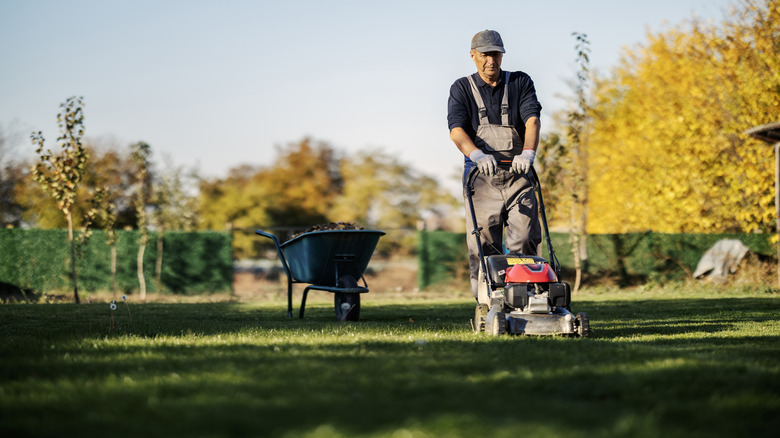
If your white sock test has shown you that you have fleas in your yard, don't panic! There are things you can do to control them. First, you need to find out if you're attracting unwanted fleas to your yard without meaning to. If you are overwatering your garden or letting the lawn grow without regular mowing, you are creating that moist, shady environment where fleas flourish. So, you may want to make some changes to how you look after your garden so you can discourage fleas. Make sure you are mowing regularly, raking debris, and keeping your garden on the drier side (if your plants are okay with that!).
You can treat your yard with pyriproxyfen sprays to control both adult and young fleas. This pesticide has little impact on butterflies and beneficial insects, but can harm bees and certain plants, such as salvia (Salvia spp.) and coral bells (Heuchera sanguinea). If you do decide to use it in your yard to get rid of fleas, research the product thoroughly and consider any flora or fauna that may be impacted. Only treat areas of your yard where your sock test showed fleas to be living.
After treating your yard, it might be helpful to consider how you can make it less flea-friendly. You may wish to discourage wild animals or strays from entering your garden by fencing the yard, making sure any food is sealed, and keeping tight lids on trash and compost bins. There are also some flea-repelling plants you'll want to have in your yard to bring in some blooms while protecting your garden and pets.