

The Warning Sign Your Pool Is Deteriorating Faster Than It Should
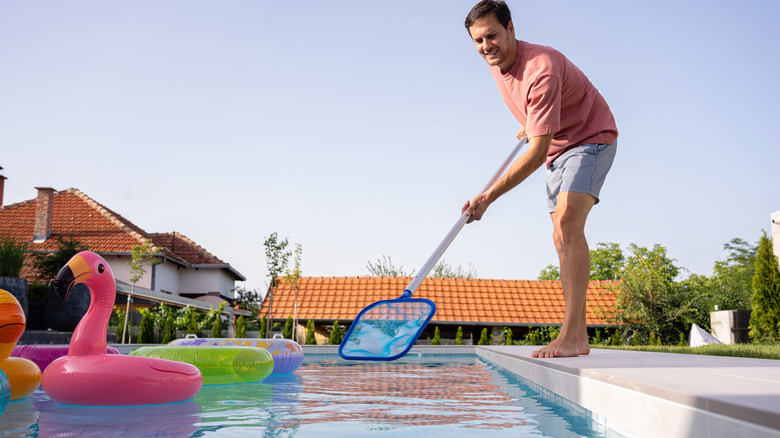
If you notice that your pool's water level is dropping more than usual, you may just ignore it. It can be easy to brush it off as natural evaporation, especially if you live in a hotter climate. However, if you're consistently putting water back into your pool, it's a major red flag. Persistent pool leaks are more than an inconvenience — they are a clear warning sign that your pool is deteriorating faster than it should.
Pools tend to lose a small amount of water (about ¼ inch per day) due to evaporation and splashing out during use. If you lose more than that, or find yourself adding in more water regularly, there's something more serious going on than average water loss. When that happens, knowing what to look for when your pool is leaking helps you identify the issue quickly and learn whether you'll need professional help to fix it.
Pool leaks can be caused by structural wear. Materials like concrete, plaster, liners, and plumbing components can break down after years of exposure to water and chemicals. Even small hairline cracks in areas can allow water to escape. Once that process starts, it tends to accelerate. What started as a slow drip results in weakening your pool's structure. Carefully examine the pool to look for wet spots in the area or cracks in the pool shell, pipes, or deck. Sinking or shifting deck areas and loose tiles all signal that water is escaping in a place that it shouldn't, and waiting to fix a leaky pipe is never the right choice.
Signs and causes of persistent pool leaks
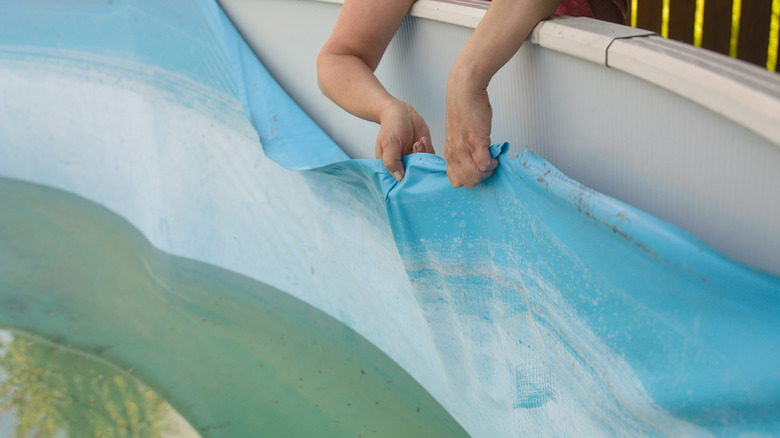
Your pool liner is a common source where leaks can happen. Check for water bubbling or small rips and tears in areas around any ladders, sharp corners, or steps. If your pool is tiled, check the swimming pool grout and pool adhesive. These leaks also weaken the swimming pool's walls and floor, which can lead to bigger cracks, and more expensive repairs.
Cracks most often occur at stress points, like the corners and jets, so checking there first may help you determine the cause. Pool leaks can affect your plumbing system, too. Listen for strange noises when your pump is on, or take note of any bubbles coming from return jets. The pipes, joints, and fittings can loosen and crack over time, and if hidden underground, they can go unnoticed for weeks or months. Look closely at your pool's filters, heaters, and pumps while they're running to locate any potential problems. Finally, if you have lights, check your pool's lighting equipment, since installation points can be a cause of water loss.
Most pool leaks stem from wear and tear rather than something sudden. That means they are preventable, or at least manageable, if you can catch them early. Don't ignore persistent pool leaks where you're losing more than an inch of water each night, because they are likely to be more than a maintenance issue. Addressing the problem early can protect you from costly fixes where you'll need alternative methods to drain your pool and lose precious swimming time, and extend your pool's lifespan.