

What To Do If Your Asphalt Driveway Is Crumbling (And How To Prevent It In The Future)
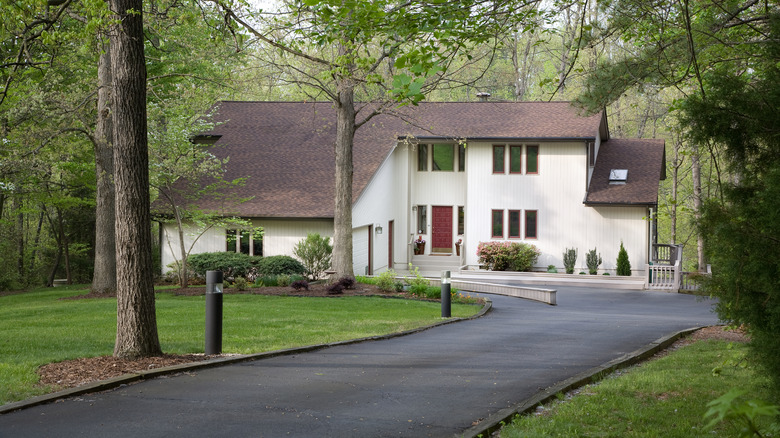
Asphalt is a low-maintenance driveway material that is long-lasting, durable, and cost-effective. However, it isn't without its issues. If you have an asphalt driveway in your home, you may have noticed broken pieces, loose rocks, and an uneven finish. This is called raveling, and not only does it look unsightly, but it can also cause safety and environmental issues. Water is more likely to pool when your driveway is damaged in this way, and people may trip over the loose parts. Thankfully, there are things you can do if your asphalt driveway is raveling, such as patching the broken areas or adding a new overlay to it.
Which solution you pick depends on the severity of the damage. If the raveling on your driveway is small and localized, you can remove the damaged asphalt and patch it up. The area then needs sealcoating, which will strengthen the driveway and help avoid further damage. However, if your whole driveway is succumbing to raveling, the entire asphalt may need to be removed and replaced. This is often necessary when the cause of raveling is improper installation.
To determine how severe the raveling is, examine your driveway. Fine dust, slight roughness, and a few loose rocks suggest that the raveling is not that bad and that the surface disintegration is likely minimal. However, deep pits and exposed base layers are signs that you will probably need to completely replace the material.
How to prevent raveling on your asphalt driveway
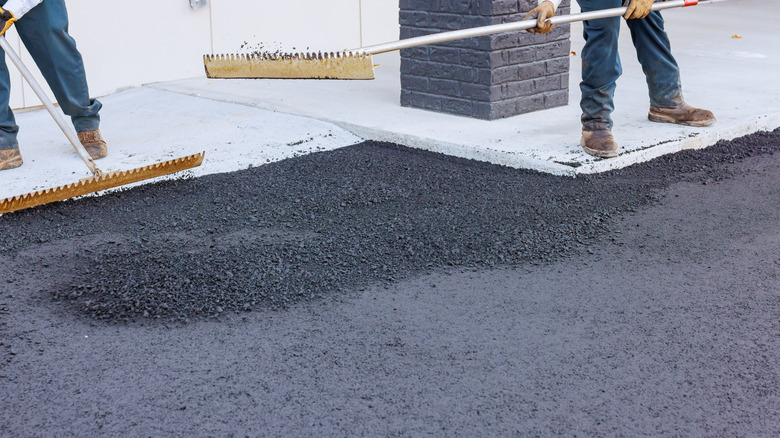
Like anything, prevention of raveling is always preferable over treatment. To avoid this issue recurring, it is helpful to know why raveling happens. This can be a result of improper installation or a poorly made aggregate mix, meaning that you should take your time to find the right driveway contractor for your project and use high-quality products. That classic idiom "pay cheap, pay twice" is always worth considering when it comes to driveway care. Cutting costs on products and installation can mean that you need to redo the whole driveway sooner in the future.
Raveling can also be caused by heavy traffic and weather exposure. To avoid these issues once your driveway has been fixed, it is helpful to regularly sealcoat it every two or three years. You should also be maintaining your driveway and keeping on top of removing dust and debris. As moisture can cause raveling, it is a good idea to make sure that rainwater is able to run off quickly without pooling. By keeping your driveway clean and tidy and applying a sealcoat regularly, you will be able to make your asphalt driveway last longer.