

Why There's Simply No Need To Paint Outdoor Cedar Furniture (Do This Instead)
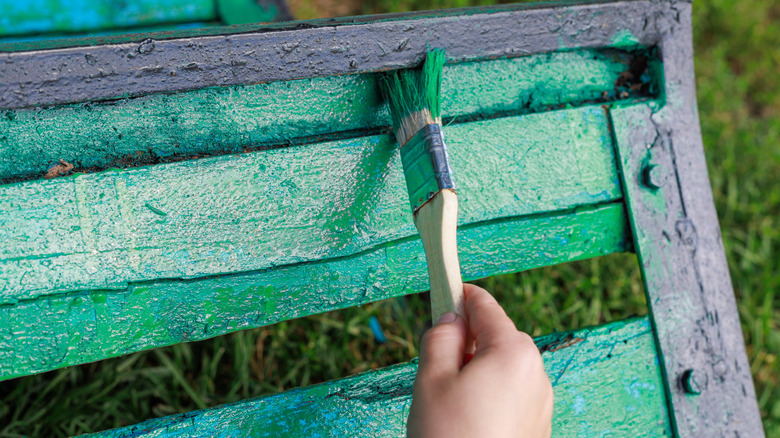
When you're trying to match the latest outdoor patio and furniture trends, you might see that bright colors are popular. Blues, yellows, and oranges can all give your patio furniture a tropical feel. If you don't have the budget to replace your relatively new outdoor wood furniture pieces to match this latest trend, you might want to do a DIY paint job on them.
Before you start picking colors and sanding rough spots on the wood, though, you should pay attention to the species of wood used to build your furniture. If you have cedar wood furniture, you probably shouldn't paint it. Although you technically can paint cedar, it will need frequent scraping and repainting. The paint doesn't penetrate the wood. Instead, it traps moisture beneath the surface, which eventually leads to constant flaking.
One of the biggest advantages of cedar outdoor furniture is that it naturally repels insects. However, paint can negate some of these properties in cedar. It also has a natural resistance to rot and decay, thanks to the oils in the wood, which is why it's such a popular choice for outdoor furniture. However, if you paint the cedar, you may negate some of its natural rot resistance, as the paint will not allow the wood to breathe and react naturally. The cedar species releases sap, gas, tannins, and toxins for a long time after it's cut. Painting inhibits the release of these substances, which is why professionals rarely recommend doing it.
Why staining is a better choice for outdoor cedar furniture

Cedar is a great choice for wood fence pickets and other outdoor projects because of its ability to withstand the elements. It also has a natural reddish-brown or pinkish-red color that evolves into a silver or gray as it ages, which many people find appealing. You may like its distinctive natural wood grain patterns. Paint would cover the wood grain and natural coloring.
If you want a different option to protect cedar from the sun's UV rays, you could apply a sealant or stain the wood. The proper sealant can provide several years of protection for the cedar furniture, protecting against water damage while allowing the wood to breathe and naturally release its gases and toxins. Professionals recommend using a sealant or stain on the cedar wood furniture as soon as possible after you purchase it. If you wait until the wood begins to age and show some areas of gray coloring, the sealant or stain might look strange.
If you want to add a color shade to the natural cedar wood color, many sealants have a stain with coloring added. Both dark and light color shades are available. Many stain or sealant products are semi-transparent, meaning they provide a little bit of color without blocking the view of the prominent wood grain found in cedar.
What to do if you have to paint your outdoor cedar furniture
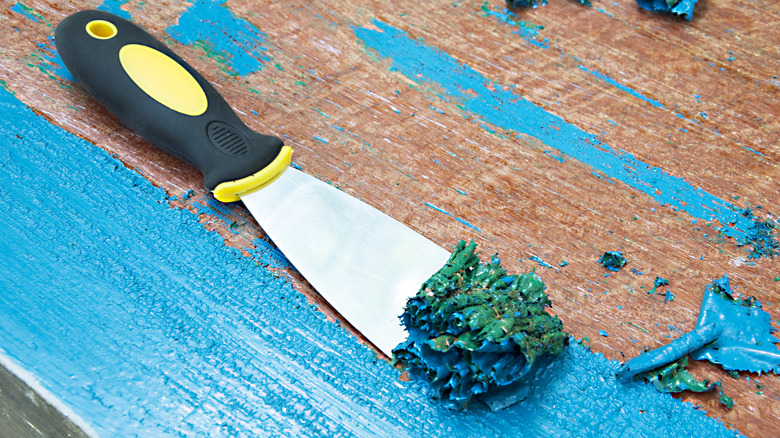
For cedar wood outdoor furniture that has previously been painted, switching to a stain can be a challenging process. You have to remove all of the old paint before you can apply a new sealant with stain. Using a power washer to try to remove it could harm the cedar, as it is a softwood species that can be damaged by too high water pressure or by placing the pressure washer tip too close to the surface of the cedar.
If the current wood has bubbled or peeling painted areas, you should remove as much from the loose areas as possible with a scraper before applying a new coat. Sanding is a good way to remove any paint from grooves or other places you can't reach with the scraper. Chemical stripping is a smart choice if the cedar furniture has several layers.
Rather than struggling with removing all the paint for staining, some people will just choose to repaint the cedar, covering areas with old, stuck-on paint. If you have to paint it, you can use many of the same tips used for painting cedar siding for your outdoor furniture. Sand any rough areas of the cedar wood furniture, then use a cleanser to remove dirt and grime, creating a clean surface for the new coat. You should prime the cedar with an alkyd oil-based or water-based primer to block stains.