

11 Old-School Home Building Materials That Went Obsolete
We may receive a commission on purchases made from links.
These old-school home-building materials are now mostly obsolete. As house construction has evolved from the beginning of time, materials have come and gone. While stone foundations and plaster cladding were the norm in the colonial era, modern homes rely more on technology than ever before, as making your house a smart home becomes commonplace. But progress doesn't always mean getting it right the first time. In fact, some of the most widely used materials in home construction turned out to be major missteps
Some were discontinued because they were only popular during a shortage of other materials. Some fell out of favor because they caused more architectural issues than they fixed. Others still caused severe health problems, up to and including death, so they were eventually outright banned. These might still be hiding in older houses even now, often in places you might not notice right away! So knowing what to look for (and where to look for it) can make all the difference in keeping your house functioning and you safe. While there are plenty of outdated home styles we should be bringing back for their charm, we don't think these building materials will be back anytime soon.
Lead paint was banned in late 1977
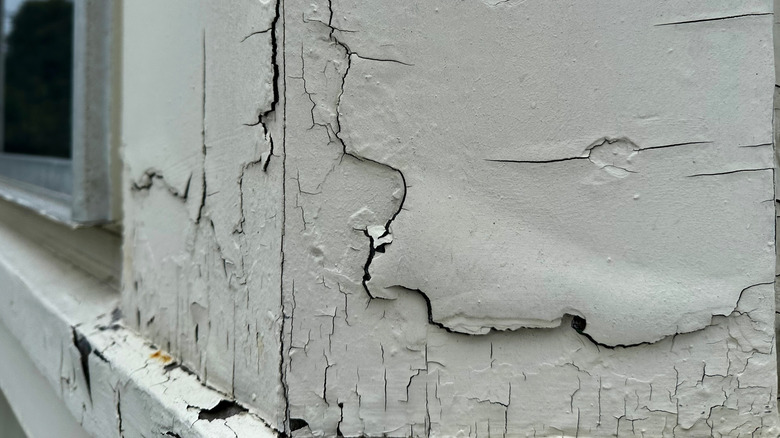
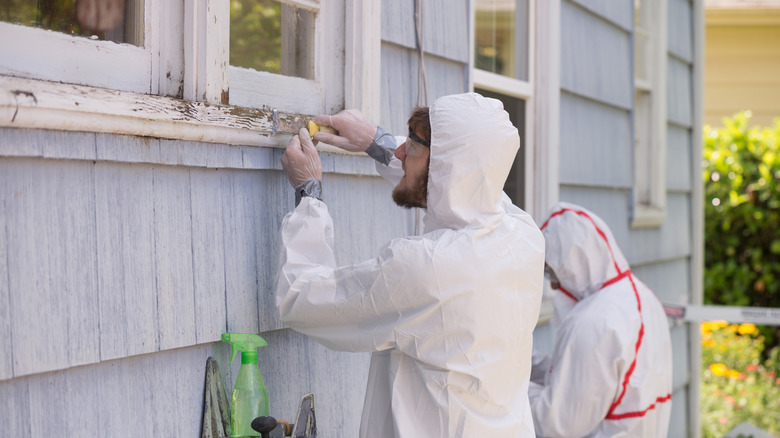
Lead was great at making paint stick, so before 1977, it was usually included. White lead doesn't mix well with water, so paint containing it was very durable and wouldn't wash away. It also interacted with the oils in the paint, so the paint was also less likely to crack or chip. This meant that you had to touch up surfaces less often, and they looked better, longer. Unfortunately, lead is also a poison. When ingested or breathed in, it can restrict the oxygen in your body from getting where it needs to go, causing developmental and behavioral issues in humans.
For these reasons, the government banned lead's inclusion in paint from late 1977. Modern paints tend to have Titanium Dioxide, which supports paints' pigments, while providing protection from UV rays, too. It doesn't react with other compounds, which contributes to the paint being durable. It is also not known to be toxic to humans, and has a low number of VOCs. If your home was built prior to 1978, it is highly likely that it has lead paint. Typically, repainting over lead-based paint is okay because the danger comes from peeling or chipped paint. However, for taking down walls or disturbing the material in any way, you can purchase tests, like the AssuTest Swabs, to examine smaller areas before work begins. If found, experts recommend working with a certified lead-based paint remediation professional for the removal of confirmed cases.
Asbestos materials were great insulation, but caused so much harm
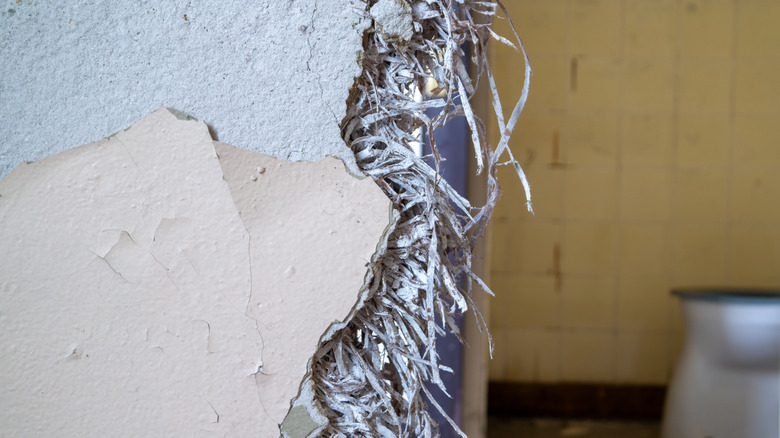
Asbestos was first introduced as a building material in the late 1800s. It was first used as insulation on pipes and boilers, then later expanded into roof shingles, wall panels, and cladding. Sometimes, it was even in paint. It lasted a long time and was great at the job it had: keeping things insulated and fireproofed. Unfortunately, it is also very harmful to people. Asbestos, when breathed in, causes at least four different types of cancer, including mesothelioma, as well as other diseases like COPD and even arthritis. Because of the extreme adverse health conditions, asbestos was partially discontinued as a building material in the 1980s, but not fully banned until 2019.
Now, builders tend to use materials like fiberglass and polyurethane foam for insulation. However, asbestos is still present in many homes. Because it won't cause health problems unless it is disturbed into the air, having the material present in your home isn't necessarily a risk. Yet if your home is damaged in a storm or you renovate, you must be careful ... even though many aren't. Research by The Mesothelioma Center suggests that one in eight TikTok renovation videos about tiling featured materials historically known to have asbestos, without any mention of it! As we know, asbestos floor tiles are a hidden reno danger. So, especially if your home was built before the '80s, testing for asbestos before renovation is essential. If it is present, hiring a professional to remove it can help prevent your family from experiencing a major health disaster.
Horsehair lime plaster worked, but was labor-intensive
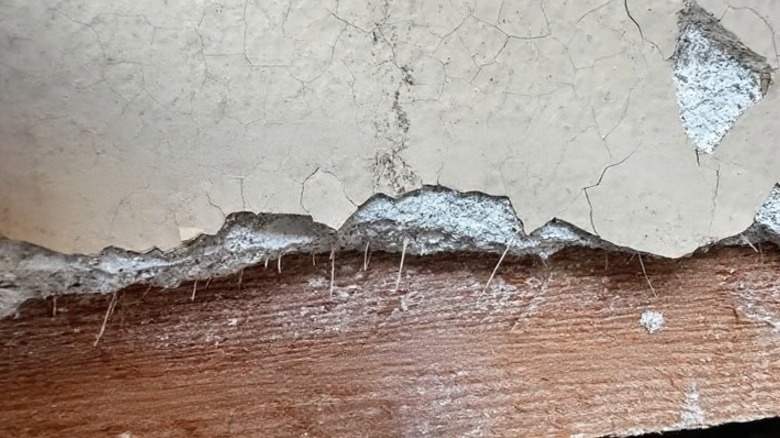
Sometimes building materials work just fine, but a cheaper, easier option comes along that does the job just as well, so the original gets phased out. Such is the case for horsehair lime plaster. Before drywall, builders mixed plaster with hair fibers to strengthen it even more and prevent it from shrinking once dried on the wall. Although this type draws its name from horses, they were not the only animal to contribute. The hair from their manes and tails was too silky and long. Builders need short, stiff hair to really keep things together, so they used the hair from horse, pig, and cow torsos to really bind things together.
Yet making this plaster, including gathering the materials and mixing it, was very labor-intensive. The number of available artisans was also dwindling. So, this practice eventually gave way to gypsum plaster, named after the biggest quarry of the material in Paris, which you might have heard called "Plaster of Paris." From there, drywall became the norm because it's easy to mass-produce and install. If you live in a historic home and discover (or already know there to be!) horsehair lime plaster in the walls, there is no action for you to take. The material is safe and solid and will continue to do its job. No special precautions need to be taken during renovations, should you remove it, either.
Aluminum branch wiring filled a shortage, but caused more in damages in the long run
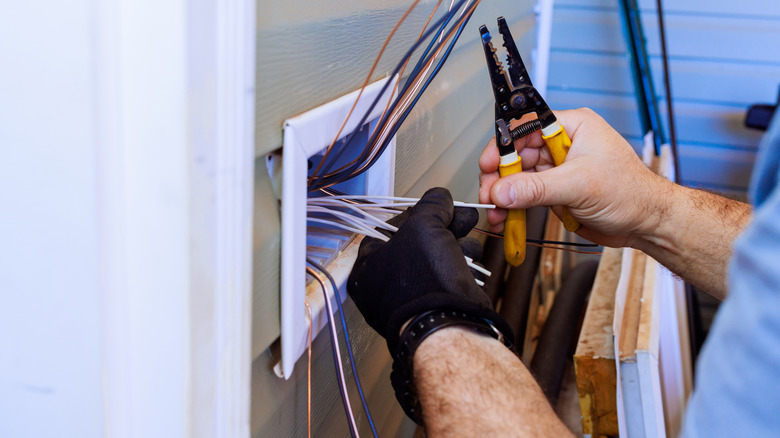
In the early 1960s, there was a shortage of copper due to strikes at the end of the 1950s. These strikes led to reports by the New York Times of almost 350,000 tons of copper being missing from the market. This shortfall made copper very expensive at short notice, so builders turned to cheaper and more easily accessible materials to fill the gap in the meantime. One of these was aluminum branch wiring. The issues with copper lasted into the 1970s, but when the issues were resolved, builders switched back to copper, making aluminum wiring obsolete. It is very brittle, making it resistant to the physical flexibility required of wiring laced through walls. It also tended to expand and contract more than copper, which led to loose connections and fire hazards in its wake.
If your home was built during this copper shortage, it's possible that you have aluminum wiring. Unfortunately, the Consumer Product Safety Commission admits that it's not the easiest problem to diagnose. If your wiring is on the outs, you won't know until you start having issues. They typically include: burning smells, broken circuits, and hot switches and outlets. Electrical work like this is NOT a DIY project. You can check the sheathing of the wires for "Aluminum" or "AI" and let the electrician know the likely cause before they arrive, however.
Polybutylene pipes didn't stand up to high use
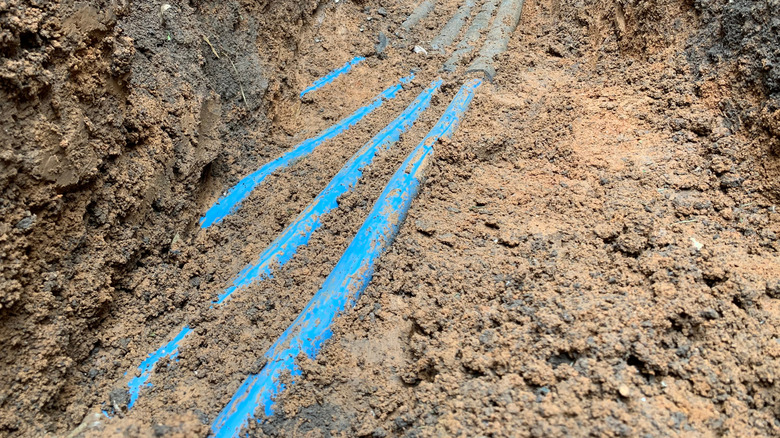
Polybutylene is a plastic-based piping material. It was inexpensive to manufacture, making its purchase price nice and cheap. It was also easy to install, so its popularity quickly soared. To that end, it was used in over 10 million homes in the United States and Canada from the late 1970s to the mid-1990s. Builders used it for all pipes in the home, instead of using metal options. However, it became obsolete because it didn't stand the test of time. When repeatedly exposed to the chlorine present in municipal water, the plastic began to flake off. The chemical reaction between the plastic and the chlorine also led to cracks in the piping, which in turn caused leaks and other major plumbing issues.
If you have this piping in your home, if it hasn't failed yet, it likely will soon — so it will need to be replaced. It's easy enough to spot these pipes in your home because they are typically labeled somewhere along the tubing with PB2110 and are gray. In less common cases, they might be black or light blue as pictured, but they will still have the same stamp. Once located, replace with either copper or PEX pipes, neither of which has the same flaking or cracking issues.
Celotex fiberboard panels were replaced with more fireproof options
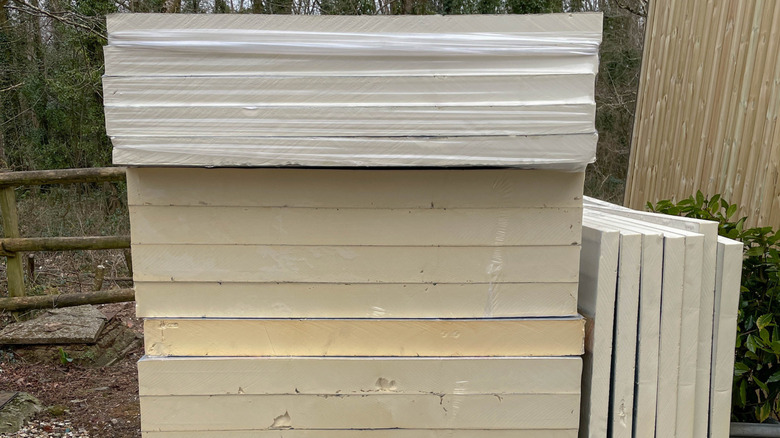
The Celotex company was founded in the 1920s. Its first product, Celotex insulating lumber, eventually was shortened by the public and just called Celotex. It was made from compressed sugarcane fiber or wood pulp. It was used underneath roofs or behind walls to keep things insulated. This insulation and wallboard product was common in mid-century homes because other materials were not as readily available during World War II. Celotex fiberboard panels insulate well. However, they still became obsolete as modern fiberglass insulation became preferred due to its fire-resistant nature. Celotex eventually went out of business because its later products included significant amounts of asbestos, leading to a crash in sales when the material was later banned.
If you live in a mid-century home and have Celotex fiberboard panels as your insulation, you generally don't need to make any changes. Social media posts indicate that, even all these years later, the panels still do their job well. This is only if they are the original product, however. As mentioned, the Celotex company was well-known for using asbestos in later products, so if you see the name, always test before knocking down any walls.
Knob and tube wiring couldn't keep up with demand
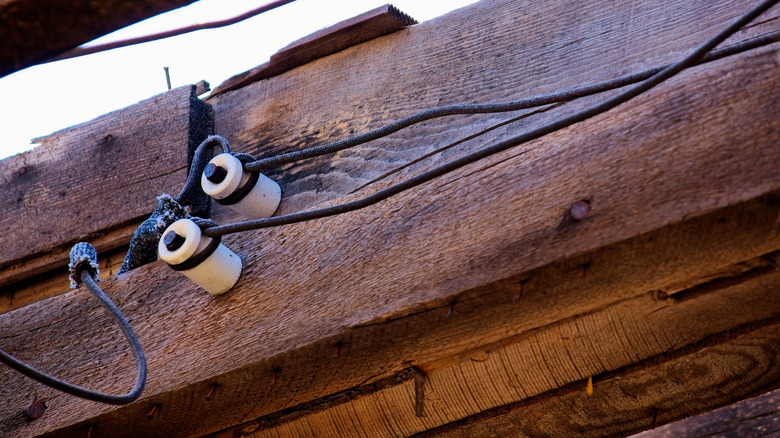
Knob and tube wiring is an early electrical wiring method used in homes from the late 1800s through the 1930s. Straight off Thomas Edison's patent of the electric lamp in 1880, there became a demand for electricity in American homes. This early method of wiring ran strands through ceramic knobs and tubes instead of modern insulated cables. It also doesn't have a ground wire, so it has limited wattage support. It became obsolete as the electricity needs of homes expanded to a greater capacity. Modern systems typically use sheathed cable (you might know it as Romex) or armored cable (BX).
Knob and tube wiring is considered outdated and unsafe by modern electrical standards because it can't support the voltage demands of a modern house. However, building codes don't tend to require this wiring to be completely removed from your house for things to be considered up to date. Sometimes it needs to be removed, other times remaining portions just need to be inspected. Yet since knob and tube wiring tends to sag over time and its insulation is often not entirely fireproof, hiring an electrician to update the wiring of your home will make things more functional and safer overall.
Tar paper roofing layers were a great step forward, but not durable enough in their first version
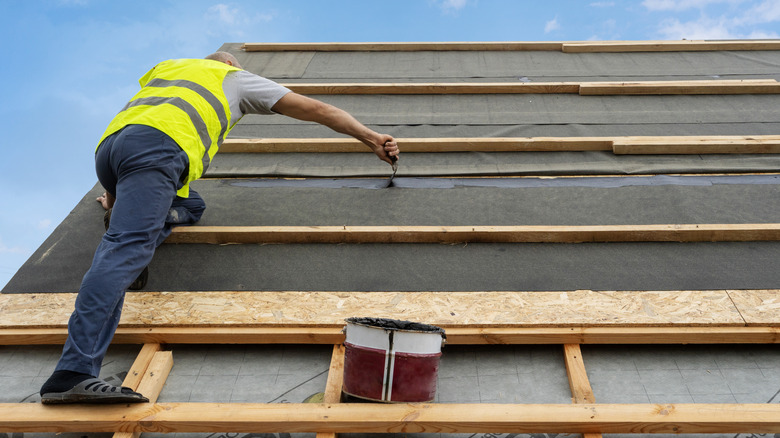
Before modern roofing membranes and underlayments, builders often used thick layers of tar paper (asphalt-saturated felt). These first saw widespread use alongside the rise of built-up roofing systems in the late 19th century, particularly on low-slope roofs where shedding water by pitch alone was insufficient and layered materials were needed to provide a continuous barrier. While roofing underlayment still exists today, the tar paper versions used decades ago have mostly been replaced by synthetic materials. The paper was a good first step, but it wasn't entirely waterproof, so it would still rot or get moldy. This caused the roof to break down over time.
There are plenty of signs your roof needs replacing ASAP, and having an old-fashioned tar paper layer is definitely one of them. However, this is unlikely as the roofing cycle is roughly 30 years for most properties. While modern roofs have both synthetic underlayments and rubberized underlayments as options, tar paper is still around in a sense — just an improved formula. Modern options are a mix of both fiberglass and asphalt to make them infinitely more durable than their predecessors.
Gas lighting pipes became obsolete as electricity took over
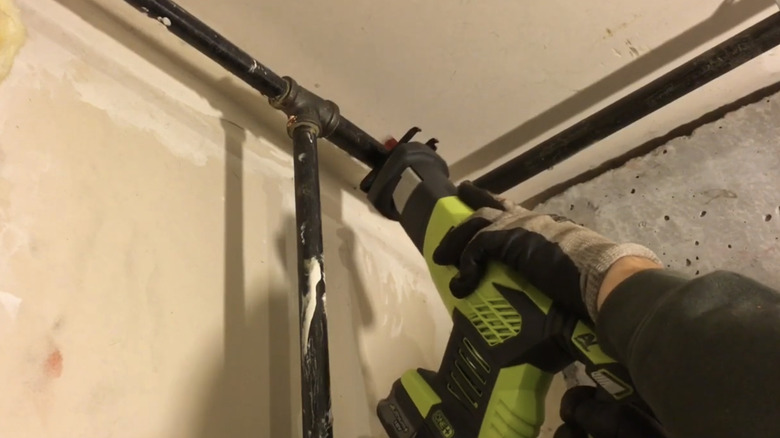
Before electricity became widespread in the early 20th century, homes were lit using gas fixtures connected through pipes inside the walls. Residents would turn the gas on and off at a main switch, much like modern homeowners might for a gas fireplace. When electric lighting took over, not long after, many of these pipes were simply abandoned in place. However, in some homes, these pipes have been repurposed and are used to supply gas to heaters and stoves.
Leaving these pipes encased in your walls is not inherently dangerous. The danger comes from when they are still connected to the main gas line and the material flows into places it should not be. Do you have enough carbon monoxide sensors in your home? If you have gas lighting pipes in your walls, the answer is probably no. As a fix, install something like the Kidde Carbon Monoxide Detector across multiple places in your space. Next, hire either a plumber or HVAC contractor to ensure the pipes are properly closed off, and all gas is only flowing where it should.
Masonite siding (hardboard siding) was low-cost, but didn't last
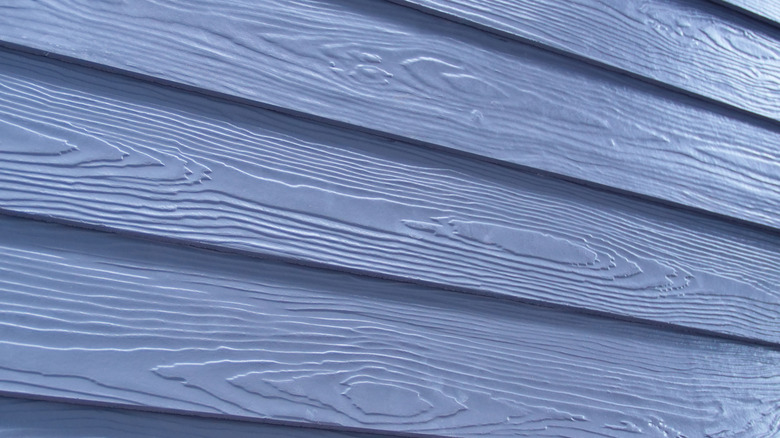
Homes built from the 1950s to 1990s were often clad with Masonite siding, which is a type of hardboard. It was supposed to be a lower-cost alternative to the classic wooden siding. It is made of highly compressed fibers of wood instead of one solid piece. These boards were cheap to make and easy to put up, so their production supported the housing boom of the time. Builders styled the siding to look just like real wood, so the untrained eye could likely not spot the difference. However, the reconstituted nature of the material meant that it was porous. This allowed moisture to infiltrate them. The siding didn't handle the weather as it should, and it frequently failed, so it fell out of favor. In fact, there were even class-action lawsuits filed because of the damage caused to homes.
These days, Masonite siding has been replaced with more durable options. Real wood (or at least plywood) is back as a siding material. This is in addition to vinyl panels or classic brick. If you have Masonite siding, it should be removed as it is likely to fail and cause serious functional issues, not just cosmetic ones. This is especially true if you live in a humid climate.Luckily, there are no toxic components, so no urgent precautions need to be taken.
Cinder block foundations can hold a lot of weight, but have moisture issues
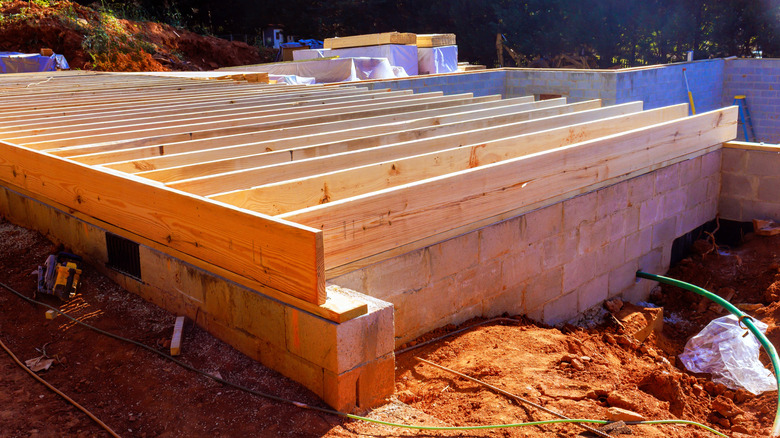
Prior to the 1970s, cinder block foundations were still very common in the United States. They are very strong and could support more weight overall than the poured concrete alternative. Americans also liked using them because they were very easy to locally produce, sometimes even by one person. However, while still used in some contexts, full cinder block foundations are much less common today than poured concrete or insulated concrete forms. This is because, to avoid swelling or cracking, cinder block foundations have to remain completely free from water, forever. But blocks inherently have gaps between them, so these foundations also have to be sealed with mortar, which leaves them vulnerable to moisture. This can cause major foundation issues.
Foundation repairs and replacement can be very expensive, so if you have one made of cinderblock, replacement might not be your first priority. It is possible, but also often prohibitively expensive and, frankly, overkill. Instead, look out for the signs that there is a problem with your home's foundation, like cracks in the wall or water seeping into your basement from the walls, before committing to any repairs.