

Grow This Companion Herb Alongside Lettuce Plants For A Better Harvest
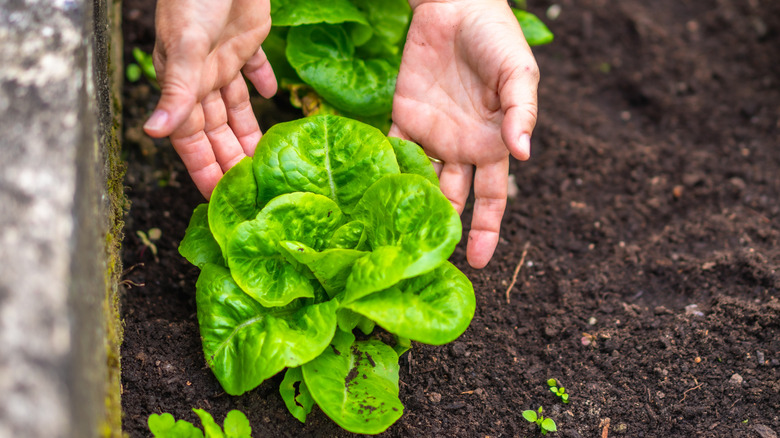
Lettuce is an extremely popular choice for salad, which also makes it quite a regular in gardens across the country. However, pests such as slugs and aphids pose some of the biggest threats to this vegetable plant and can easily ruin a good harvest. While there are other artificial methods to get rid of this problem, such as applying neem oil, you can also grow companion plants alongside lettuce that can naturally save it from pest infestation. Chervil is a fast-growing herb that can solve this issue and save your harvest for an endless supply of lettuce while also sharing similar growing needs.
Chervil (Anthriscus cerefolium) is an annual herb from the apiaceae family that resembles parsley (which also belongs to the same family) in the appearance and flavor of its leaves. Chervil is often used to garnish omelets, soups, and salads, as well as for seasoning seafood and veggies. Native to the Middle East and Russia, chervil is gradually becoming popular across several North American regions as well.
Lettuce (Lactuca sativa), meanwhile, is a leafy green veggie, easy to plant, and suitable for growing in cool climates. The combination of these two plants helps them thrive in the garden and all the way to your plate since both of these plants add excellent flavors to salads.
Chervil can save your lettuce harvest from slugs
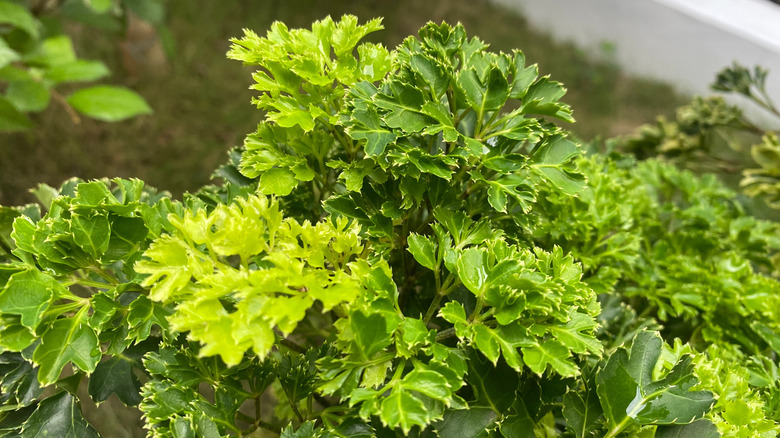
Companion planting is an excellent practice in general to enhance crop production and maximize space utilization. Specific crops, when grown alongside other crops, can help the latter grow by allowing them better access to nutrients, enhancing growth, or repelling pests. In fact, pest-repelling ability is what makes a lot of herbs great companion plants in general.
Chervil is considered a good companion plant for lettuce primarily because of its ability to keep slugs away from the lettuce. Slugs can be a major nuisance in the yard. While these nocturnal dwellers can devour almost anything in the garden, they especially like the delicate, succulent leaves that a vegetable plant like lettuce provides. Slugs can be especially deadly for young lettuce seedlings. They can easily wipe out an entire crop of lettuce seedlings within a matter of hours. Chervil actually stops slugs from feeding on lettuce by attracting the slugs. That is, chervil is thought to work like a "trap crop" that gets sacrificed as food for slugs to save the more valuable lettuce plant.
Moreover, since lettuce is planted early in the season, it can become all the more vulnerable to slugs feeding on it. Spring and early summer are times during which slug activity is at its peak, thanks to the cool and damp conditions. Thankfully, spring is also the right time to plant chervil, so you can give your lettuce the protection it requires right when slugs begin to get active.
Chervil and lettuce have matching growth requirements
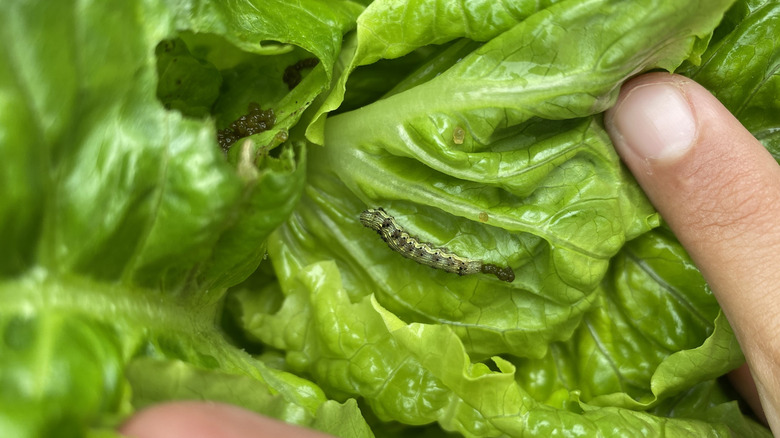
Apart from slugs, chervil can also indirectly help deter aphids and ants, which can otherwise damage a lettuce harvest. Chervil does this by attracting a number of beneficial insects to your yard. These insects, such as hoverflies, in turn keep the pest population, like aphids, in check. Aphids are known to hide deep inside the crevices of lettuce, sucking its sap and reducing yield. Planting chervil around it is a sure way to avoid this from happening.
Furthermore, lettuce and chervil have similar growing requirements, which makes caring for them highly convenient. They like growing in moist, well-drained soil. They have the same sunlight requirements -– anywhere from partial shade (two to six hours a day) to full sun (more than six hours a day) is good enough to keep them happy. However, before you plant chervil, you must remember that it doesn't like getting transplanted. Therefore, you should always sow chervil seeds directly into the ground (at about 9 to 12 inches from one another) to allow for healthy growth.