

What To Do If Your Yard Smells Like Sewage Or Sulfur

The nightmare comes true! You walk out into your yard one fine morning, or evening, ready to host a dinner party in your garden maybe, and you're welcomed by the unmistakable stench of sewage. This distinctive smell, caused by the compound hydrogen sulfide present in wastewater, and likened to rotten eggs, often points towards a deeper plumbing issue.
While there could be multiple reasons behind the smell — such as broken sewer lines, a septic system failure, or even something as simple as a missing sewer cleanout cap — you can not relegate the accompanying stench as a simple nuisance. That odor is a symptom of sewer gas emitting into your yard, which can be downright damaging to your health. Methane and hydrogen sulfide – some of the compounds found in sewer gas — can cause headaches, dizziness, and nausea. Moreover, if there is accompanying wastewater coming out of the soil as well (say, in case of damaged pipes), it can also contain harmful disease-carrying pathogens to boot. Excess wastewater can also damage vegetation in the yard, while inviting a host of insects and rodents as well.
Immediately start investigating the root cause behind the issue and call for professional help. A professional will inspect your yard, find the underlying cause, repair underground sewer pipes or septic problems if needed, and fix the issue without turning your yard into an excavation site.
Inspect the yard for broken cleanout caps or flooded septic system
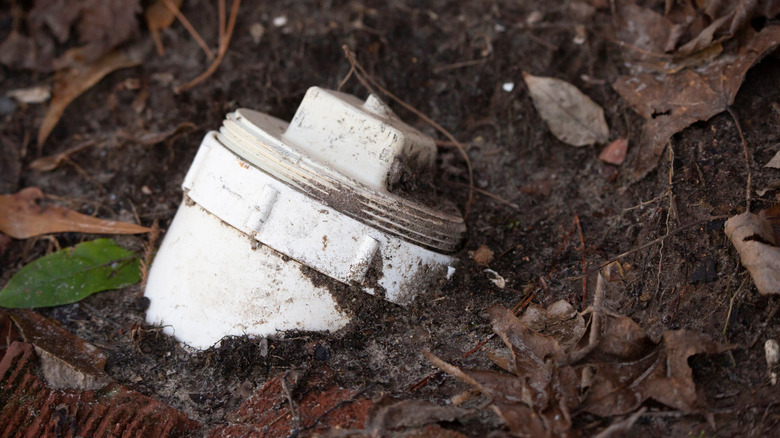
A seemingly harmless but potential reason your outdoor area smells so bad could be damage to the sewer cleanout cap. A cleanout cap is a plumbing access point, often strategically placed near the foundation of your house, that allows professional plumbers to inspect your sewer lines and clear blockages. Protruding vertically from the ground, this pipe is typically 3 to 4 inches in diameter. If you find its cap damaged though, the cleanout is probably leaking harmful sewer gases into your yard. A broken cap can also lead to all kinds of debris entering the sewer line, which can further block the flow of wastewater. This can cause wastewater to back up via the cleanout, or even through the drains in your house, spreading the smell and the accompanying pathogens inside your home!
Another major issue that could cause that awful smell of rotten eggs in your yard is a failed septic system. A septic system, used mostly in rural areas, comprises a septic tank and a drain field, which together help in slowly discharging wastewater from your house into the soil. If your house has this system, an issue with either of the two major components could well be the cause of sewer gases leaking into your yard. For instance, if the septic tank (the container that holds wastewater and separates solid sludge from liquid scum) gets too full, it can overflow and start releasing gases. Similarly, a flooded drain-field (the underground system of gravel and perforated pipes that filter wastewater before releasing it into the soil) could also be causing odors and making the ground above mushy.
Damaged sewer pipes can also cause sewage smells
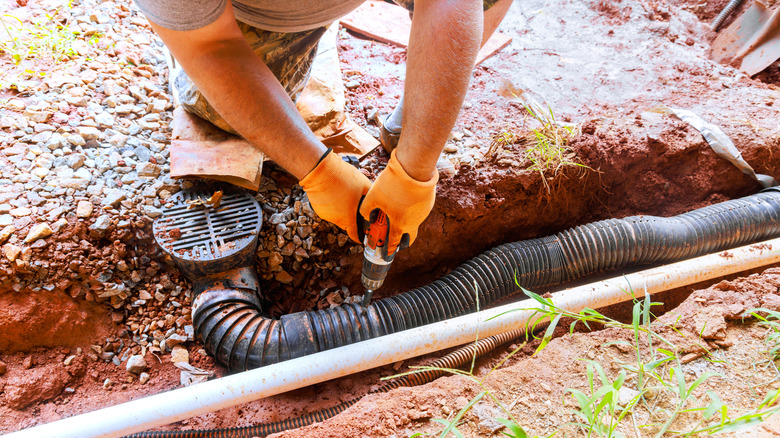
While inspecting the smell, if you notice a patch in the yard that constantly remains soggy and wet (while also emitting fluids at times), you are most probably dealing with a broken sewer line under the yard. Sewer lines are laid under your property to carry wastewater from your house to municipal sewer systems. These lines are often 4 to 6 feet deep underground. As long as the sewage from the house stays inside the pipes, it's neither damaging to your health nor noticeable to your nose. However, if the pipe gets broken or damaged, due to heavy traffic or old age, the resulting seepage can wreak havoc in your yard.
While there are quick fixes for the lingering smell such as sprinkling garden lime over the affected area, or having plants that cover up unwanted odors in the garden, you're much better off calling a professional for most of the above-mentioned issues. If you try digging up an area yourself, you can end up damaging other pipes and make the problem worse. With specialized equipment such as electric snake machines and video inspection techniques, professional plumbing services are far better equipped for fixing sewer lines or septic issues.
While you should call professionals to inspect persistent odors around the cleanout area as well, to prevent this from happening in the future, make sure you're constantly inspecting your cleanout caps and replacing them in case of damage. This simple practice can save you thousands of dollars you might otherwise spend on treating a bigger problem caused by sewage backup. Similarly, scheduling a pump of your septic tank every two to three years is necessary to keep it functional.