

10 Best Perennials You Should Be Planting In April
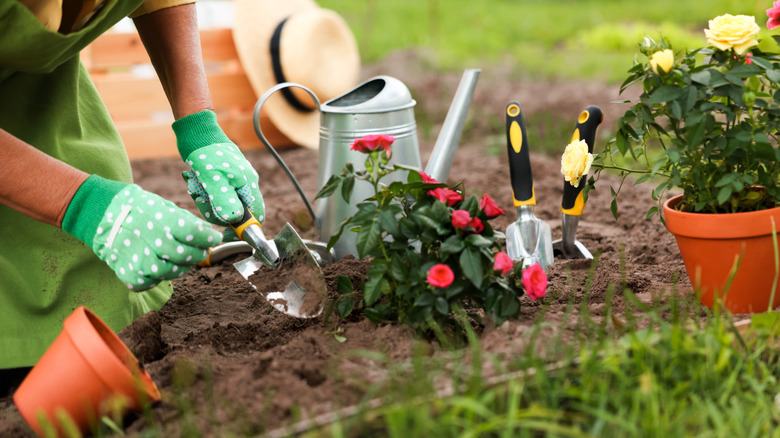
For many of us, April is a beloved month. Nature has woken up from its winter slumber, the days are getting longer, and the sunshine brings tentative hope for a beautiful summer. Everything seems to be growing, with early blooms decorating our gardens, parks, and roadsides, and trees putting on buds. With all this early spring growth, you may be thinking about planting perennials so they can settle in while you enjoy the season. Thankfully, there are loads of perennials you can grow from seed in your garden, from classic blooms such as coneflowers and bee balm to certain overlooked garden plants, such as white gaura and sea holly.
When picking which perennials to plant in April, you will need to consider your USDA Hardiness Zone, your climate, and your soil type. Some of these perennials, such as blanket flowers, are drought-resistant plants that will thrive without much water, making them a good choice for hot climates. However, others need a much cooler and wetter environment. You should also consider where in your garden you are going to plant them and how much sun it gets. If you want to fill out a bed somewhere in partial shade, opt for perennials that will be happy here, such as bee balm. So, let's take a look at the best perennials to plant in April so you can find options that are perfect for you and your yard.
Blanket flowers
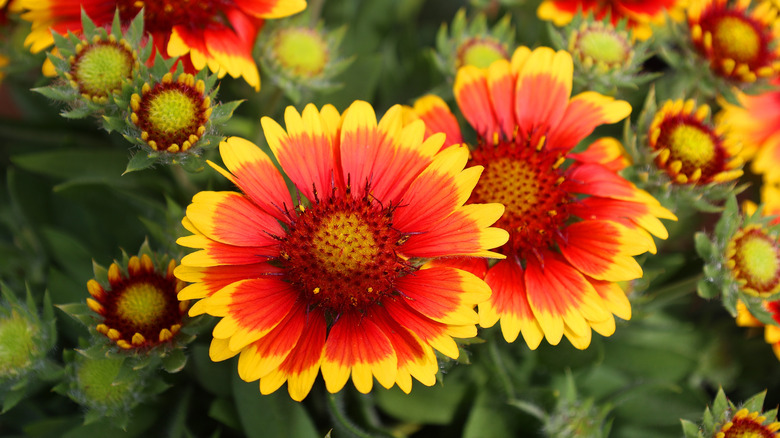
Although blanket flowers (Gaillardia) are a short-lived perennial, their sunny appearance and low maintenance needs make them a great plant to add to your yard in April. Suitable for Zones 3 to 9, you can sow blanket flowers directly into your garden in April as long as the threat of frost has passed, opting to plant them in a sunny spot with good drainage. Work the soil to a depth of six inches, scatter the seeds on top, and then press them into the soil. Ensure you keep the soil moist for germination.
Sea holly
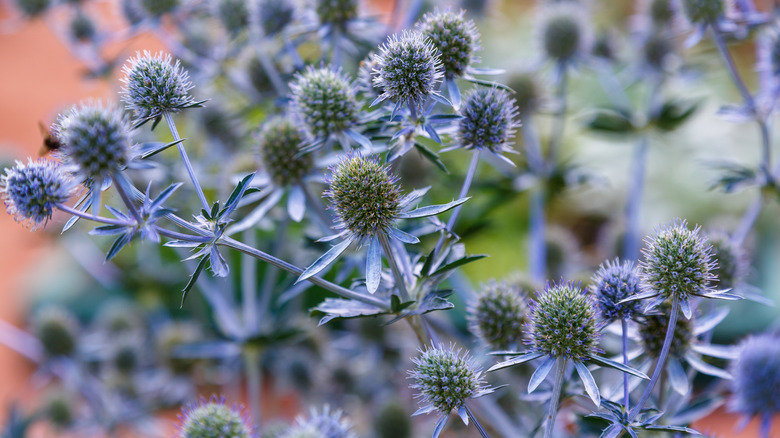
With its spiky blooms in an almost unnatural metallic blue color, sea holly (Eryngium planum) is a unique perennial suitable for growing in USDA Zones 5 to 9. Although starting them from seed can take time and may be a little bit erratic, it will be worth it once they bloom the following year. Sow them in April after the threat of frost has passed, putting them on top of prepared soil. Provide spacing of around 18 inches between each plant and pick a sunny spot in your garden. Water the seeds regularly until they germinate.
Coneflowers
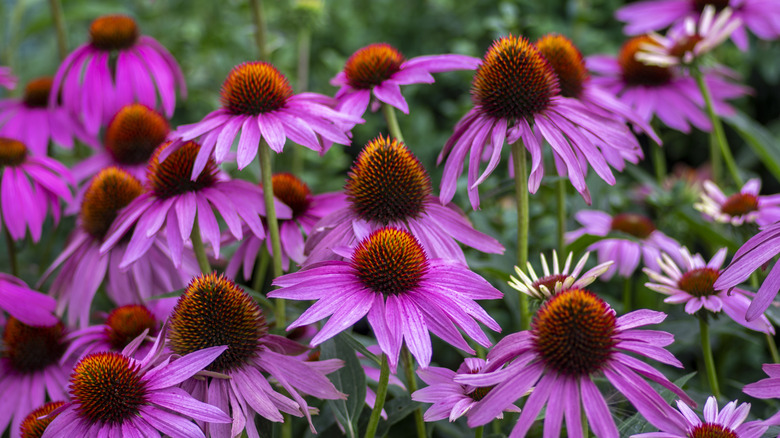
Coneflowers (Echinacea spp.) are iconic flowers, with their tall, daisy-like blooms cheery and striking. You can grow these beauties in USDA Zones 3 to 9, and they can easily be started from seed in April. Sow them in weed-free soil at a depth of 1/4 inch, opting for a place in the full sun. It is a good idea to amend the soil with compost before planting and ensure they are well watered during their first year of growth. Keep on top of any weeds that may crop up, as coneflowers aren't great with competition.
Lupines
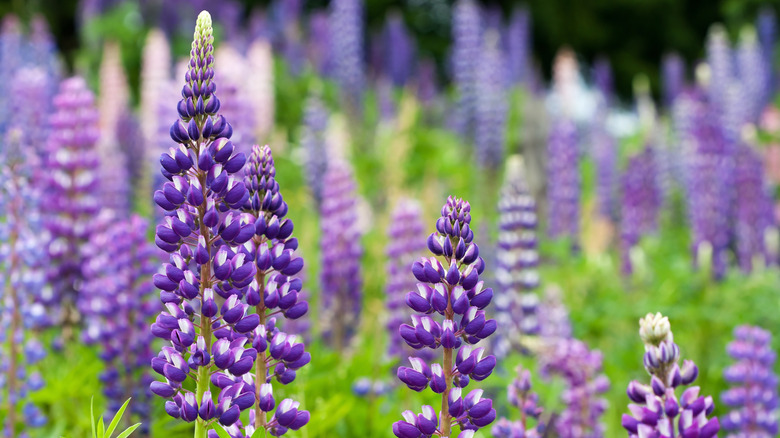
You can start lupines (Lupinus spp.) outdoors in April in a garden bed that is well-draining, amended with compost, and in either the full sun or partial shade. These perennials can be grown in Zones 4 to 8. However, in warmer climates, they are often grown as annuals. You will need to prep the seeds before you sow them by soaking them for 24 to 48 hours. Once that's done, sow them in soil worked to a depth of 8 inches, covering the seeds after planting.
Bee balm
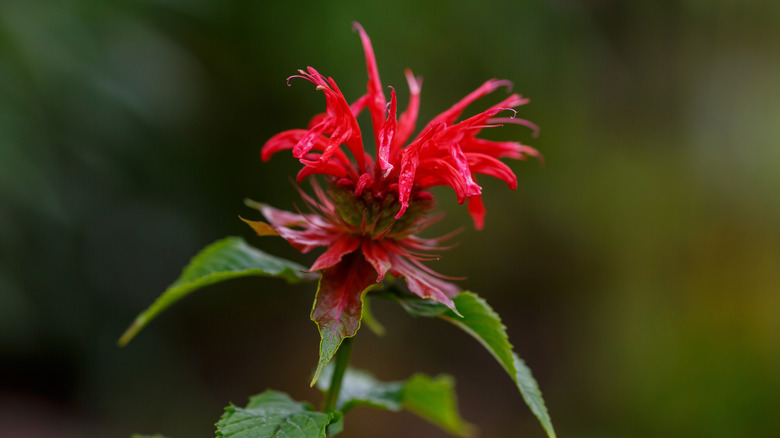
If you want to bring more pollinators to your yard and garden, bee balm (Monarda didyma) is for you. This native flower is beloved by birds, bees, and butterflies, and you can grow it in Zones 4 to 9. In April, once the danger of frost has passed, sow bee balm seeds into the soil amended with compost at a depth of 1/8 inch. These flowers prefer full sun but can tolerate partial shade. Keep the soil moist as the seeds sprout, and carry on watering them to ensure the soil stays evenly damp.
Black-eyed Susan
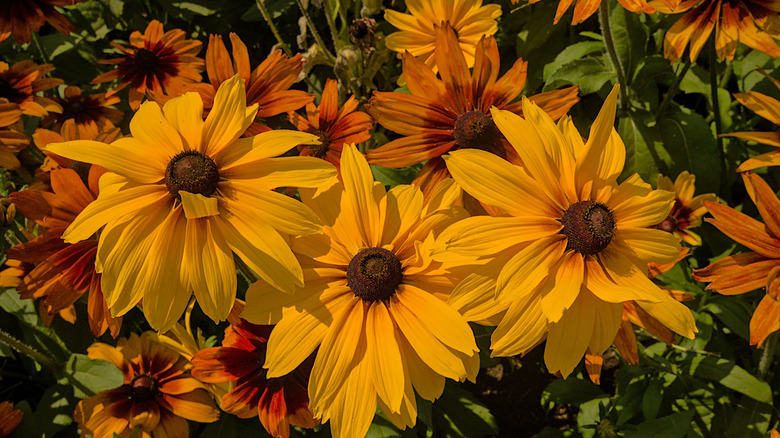
Black-eyed Susan (Rudbeckia hirta) is a fantastic native wildflower that benefits pollinators when grown in your yard. Hardy in Zones 3 to 8, you can plant these in April after cold stratifying the seeds, ensuring that the temperature of the soil is over 70 degrees Fahrenheit before sowing. The soil should be moist and well-draining, and you should choose a spot in full sun or partial shade. Unlike many other perennials, black-eyed Susans can bloom in their first year when planted from seed in spring, and they will often self-seed to provide your yard with more of their bright yellow blooms!
Oriental poppy
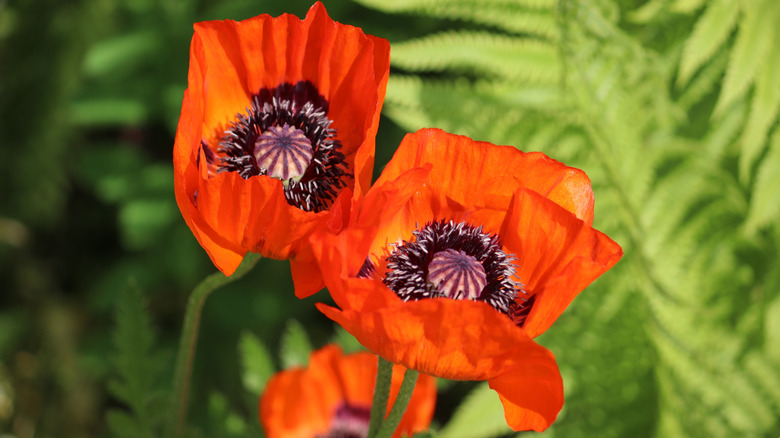
With its distinctive cup-shaped blooms and delicate tissue paper-like petals, the oriental poppy (Papaver orientale) is a fabulous perennial to grow in your garden for a cute, cottage vibe. Suitable for Zones 3 to 7, you can directly sow these flowers in prepared garden beds in April. As these seeds need light to germinate, press them into the soil without covering them. Plant them in a sunny spot in well-drained soil. You will need to water them regularly in their first growing season, but once they have established themselves, you can reduce watering.
Balloon flower
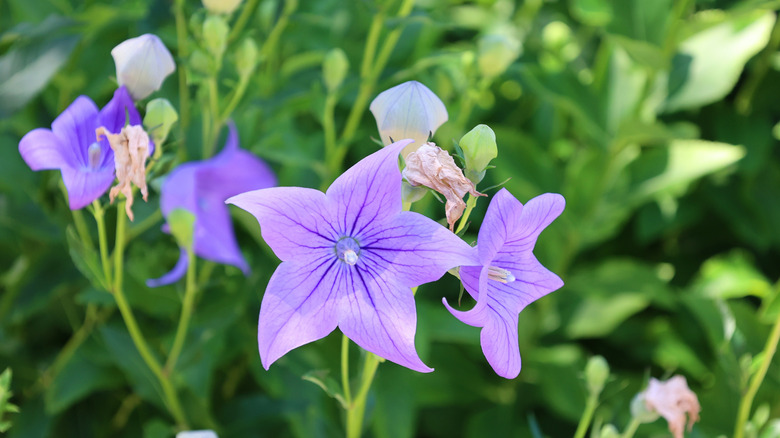
Balloon flowers (Platycodon grandiflorus) are easy to grow from seed and are suitable for Zones 3 to 8. Their striking star-shaped flowers really add something interesting to a yard, and they grow happily in both full sun and partial shade. You can start balloon flowers indoors or directly sow them after the last frost, pressing the seeds onto the soil without covering them. Space your seeds 10 inches apart and keep them moist until they germinate and into their growing season. Keep on top of weeds as the plants establish to ensure they don't face competition.
Sweet Williams
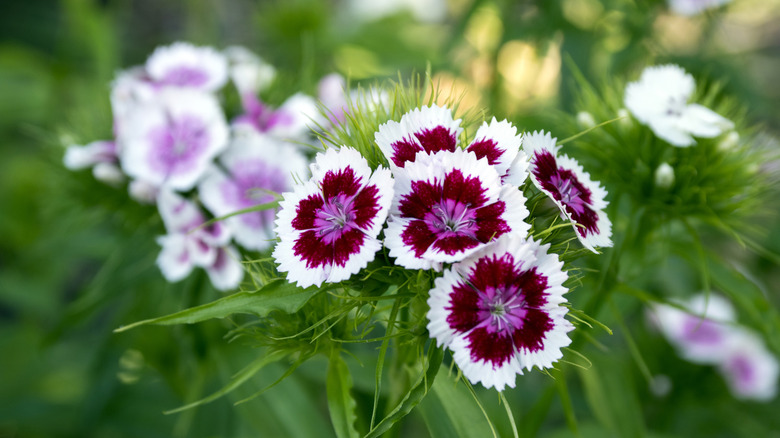
Sweet Williams (Dianthus barbatus) are short-lived perennials, but their dense clusters of pink, purple, and white blooms have such a whimsical vibe that it's hard not to love them. You can sow them outside in April in hardiness Zones 3 to 9, placing them on the surface of the soil and covering them lightly. Sweet Williams do well in full sun but prefer partial shade in hotter climates. To set them up for success, amend the soil with compost before sowing and water them regularly until established.
White gaura
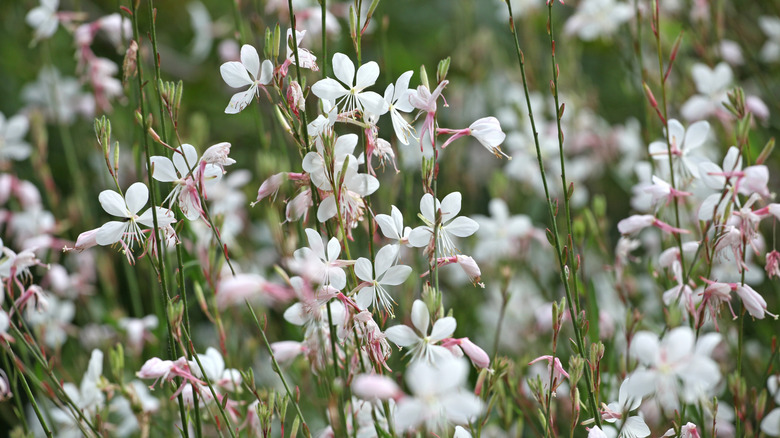
The delicate white blooms of white gaura (Oenothera lindheimeri) make it a fabulous native flower to add to your yard. Suitable for Zones 5 to 9, you can sow these directly into your garden in early April. The earlier the better with these seeds, because they may bloom the first year if they have had enough time. Sow them in the full sunshine, scattering them on the surface of the soil and covering them lightly. Make sure you are watering your white gaura regularly until they have established themselves, but watch out for soggy soil.