

The Ancient Roofing Technique That'll Help Counter Extreme Heat
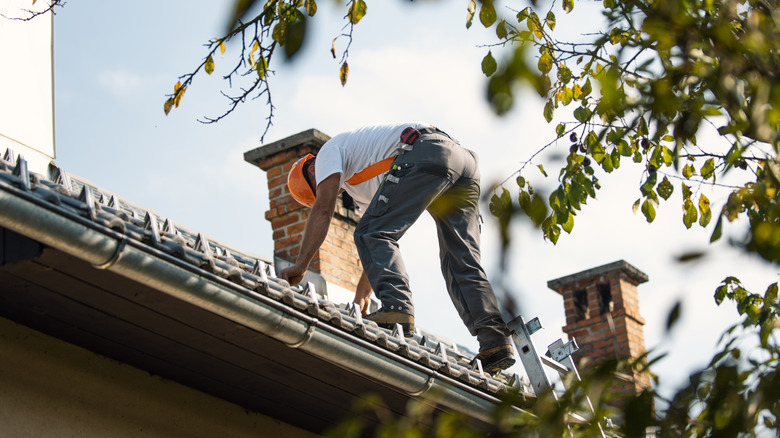
If you are looking for ways to reduce your energy costs at home and keep your home cooler in the hottest months of the year, be sure to look up. The ancient roofing technique that can help counter extreme heat is a green roof. A traditional roof absorbs sunlight and increases the heat inside a house, especially on the top floor, but a green roof can do the opposite by cooling your home.
Essentially, a green roof is a design that has plants growing on the roof in a rooftop garden, but this idea is not new. In fact, green roofs have been used by humans for thousands of years before modern housing. They were first used on caves. In modern history, Germany reestablished the process in the 1960s, which has grown into a billion-dollar industry.
Green roofs are being used in cities that have been dubbed heat islands — locations that are hotter than the surrounding suburbs. The reason for the extra warmth is the heat absorbed by concrete, pavement, and buildings. This heat is then released back into the air, increasing the temperature. The lack of green spaces contributes to the problem because concrete and pavement retain more heat than plants and grass. As a way to combat this, cities have been planting trees, establishing green spaces, and encouraging the planting of rooftop gardens.
How a green roof can cool your home
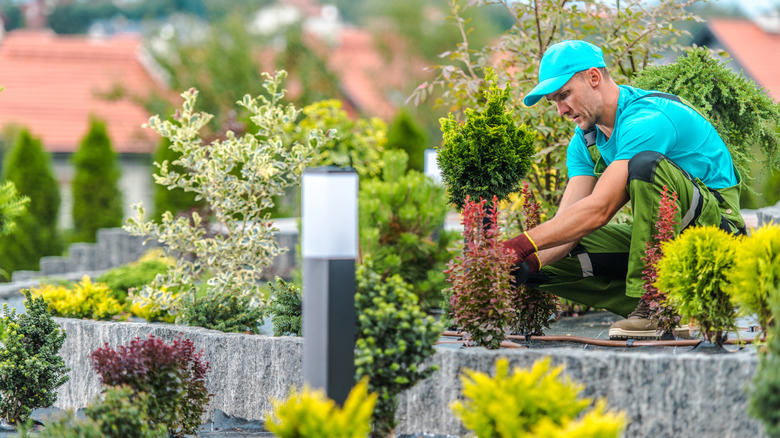
You can repurpose your roof space into the ultimate retreat by creating a rooftop deck and garden. A green roof can help reduce the temperature on the roof and inside your home. According to the Environmental Protection Agency (EPA), a green roof can have a surface temperature that is up to 56 degrees Fahrenheit lower than a conventional roof, and the indoor air temperature can be reduced by around 27 degrees Fahrenheit.
There are two main types of green roofs: intensive and extensive. An intensive green roof is a rooftop garden that can also double as a patio. These roofs may include trees, grass, or even vegetable gardens. You need a flat roof for this type of rooftop garden, and the garden will need maintenance like any other. An extensive green roof can be installed on flat or sloped roofs. These green roofs have a mix of greenery, such as moss, grass, succulents, and wildflowers, and are generally self-sustaining. Either way, your home will need to be inspected to determine if extra supports are needed to handle the increased weight of the soil, plants, and water.
Rooftop gardening is a sustainable garden trend that offers tons of benefits. Replacing a conventional roof with a green roof will make the interior of your home more comfortable, lower electric bills, improve energy efficiency, support pollinators, and increase biodiversity. Spending time around green spaces can also help reduce stress levels and boost mood, a major pro if you're living in a city without a ton of access to nature.