

15 Flammable Items Causing Hidden Danger In Your Home
We may receive a commission on purchases made from links.
Your home is full of flammable items that could be potentially dangerous. It's easy to think that once you've eliminated the most obvious culprits, like keeping candles away from your billowing curtains, that you're in the clear safety-wise. However, the real hidden fire hazards that you need to know about are often lurking in plain sight. But most people will just overlook them because they've never been pointed out, and by the time they are, it's often too late. There isn't just one problem area, either. These items can be found all over your home.
Luckily, removing most of these roadblocks to safety is typically as easy as one simple swap. You don't have to do any major renovations or overhaul your lifestyle. Instead, you just need to keep things a little bit cleaner or change out a few products for safer options to significantly decrease the risk of accidentally starting a fire. In most cases, a little more situational awareness is all it takes.
The forgotten mothballs in your closet contain flammable chemicals

To keep moths from devouring your clothing, older mothballs contain a chemical called naphthalene. More modern versions contain paradichlorobenzene (PDB) instead. Both substances function as insecticides and kill the flying bugs when they breathe in the fumes. Naphthalene is highly flammable, as is paradichlorobenzene (PDB). While mothballs are not known to spontaneously combust, a spark from a candle, a cigarette, or even an overheated appliance could easily cause an inferno that accelerates much faster than you might expect because of the added fuel.
Because they are insecticides, mothballs are also thought to be dangerous to humans and pets. To easily remove the fire hazard, as well as the danger to your health, consider using moth traps instead. When selecting, pay special attention to the type of trap you are buying. Some options only work on food moths, while others, like the MothPrevention Clothes Moth Trap, attract the insects that feast on clothing. Dr. Killigan's Cedarwood Planks are another alternative, as moths are repulsed by cedar wood oils.
Dust build-up on heated items causes fires
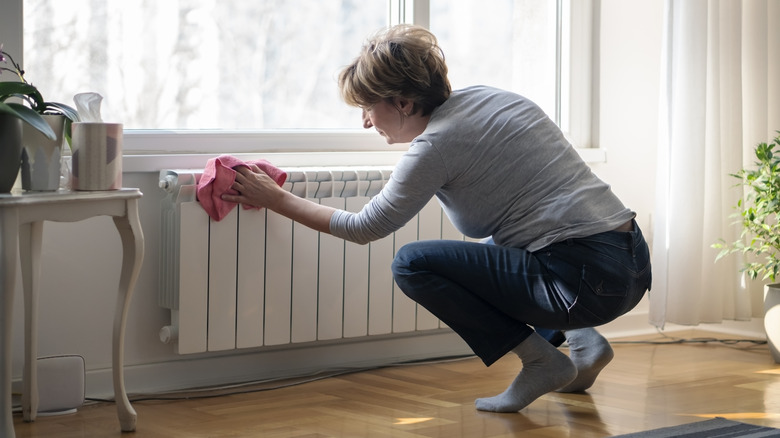
Forgetting to tackle build-up on your appliances is one of the dusting mistakes you've been making this whole time — and it can even create a fire risk. The thin layer of dust on the heating coils of your radiator or stuck in the inner parts of your space heater can ignite because of the appliances' high temperatures. On an industrial scale, dust explosions are so dangerous because the first ignition causes a dust cloud to form, which then ignites itself in turn, causing things to spread rapidly. This same phenomenon can also occur on a smaller scale at home, especially if the dust is made up of common organic matter, like cotton, powdered milk, or even cornstarch.
Lowering the risk of a dust fire in your home is as simple as keeping up with your cleaning roster. Always make sure the heating element you are dusting is off before you clean it, and use something like the SNOPIC Microfiber Duster 12-piece set to get into any hard-to-reach spots. If you smell burning when turning on a lamp or heater, turn it off immediately, and check for lingering dust.
Most shoe polish has highly flammable ingredients

It happens in a famous montage during the movie Taxi Driver. As he descends into madness, Robert De Niro's Travis Bickle sets his shoe polish on fire. The chemistry of this iconic scene isn't just a bit of movie magic, either. It's demonstrating a real danger that's hidden in many homes, in something as innocent as shoe polish. A fire like this could easily happen to you, as most shoe polish brands are, in general, flammable. This is because they are made from turpentine, naphtha, and waxes. Both turpentine and naphtha are classed as flammable, meaning they will ignite easily and burn fast — just like in the movie.
The good thing is that shoe polish isn't something that spontaneously combusts. However, it is something you must treat with extreme caution around flames. That means no shining your shoes in front of the fire on a cold day, using it near a candle, or using it while smoking, either. Store it somewhere cool and dry to minimize the overall risk.
Dried flowers can cause uncontrollable flames

It's quite normal to have dried flowers in your home, whether a bouquet that's left in a vase well past its prime, or something more purposefully decorative. Unfortunately, these displays are also a hidden fire danger as plant materials are natural kindling and should be treated as such. Especially because they so often seem to be paired with candles, which you definitely wouldn't want to leave burning while unattended.
To keep yourself safe, you can treat your dried flowers with a fire retardant. When selecting your spray, be careful to choose one that is specifically for plant material, and not just for fabrics, because it won't work as well and might damage your display. Although more expensive than the fabric-only sprays, something like the DRI-One Fire Retardant Spray or FX Tree Guard will work on plants. When storing dried flowers, also consider using silica packs, like the Romeda 20 Gram Silica Gel Packs, to keep things dry and cool.
Acoustic panels act as kindling if not specifically treated against it
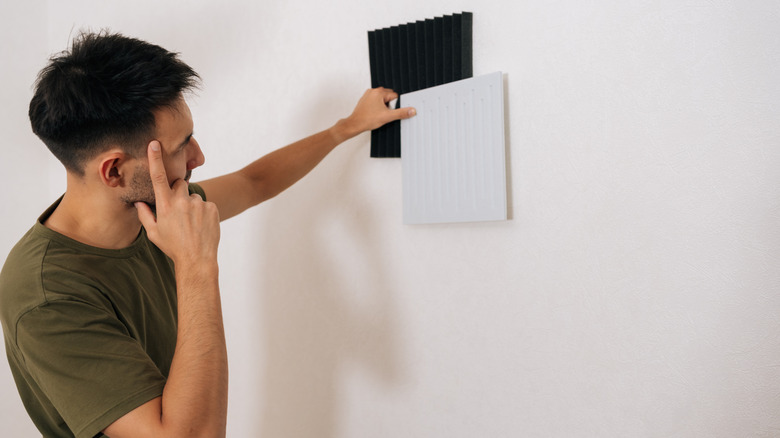
While soundproofing can help you establish a productive office at home, the standard foam panels used to insulate your room from outside noise are highly flammable and can cause real harm. This is because the materials polyurethane and polyisocyanurate will both burn very fast when they catch on fire, giving those near them almost no time to escape. Not only that, but the flames will get very hot and cause the foams to give off gases that cause damage when inhaled.
One of the important questions you should ask yourself when considering a home addition is: "Are the materials I plan to use safe?" To avoid an expensive soundproofing replacement project, be sure to select your acoustic panels very carefully the first time. In the case of any acoustic panels, be sure they have a class A fire rating, which means they've been specifically treated with a fire retardant, or don't contain the two aforementioned foams.
Steel wool is highly flammable
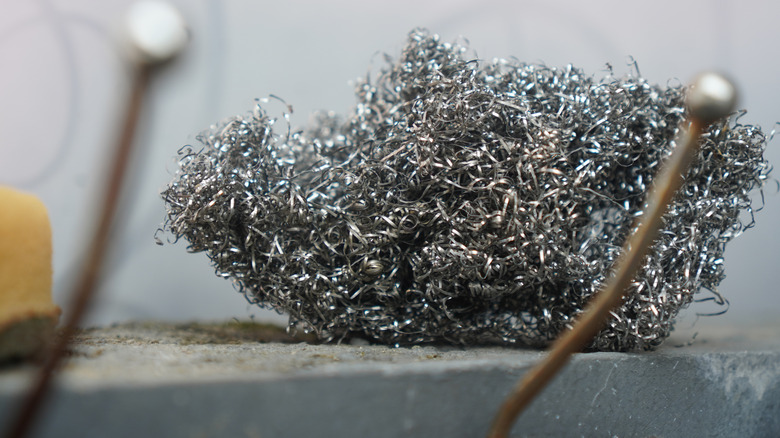
When thinking of things around your house that can catch fire, the steel wool you use to scrub the dishes is likely not at the top of the list. However, because the machine that cuts the metal uses oil to prevent too much friction (metal on metal often means sparks!), it leaves oil residue on each of the small slivers of metal. But this fire-prevention step during production means that there is a risk for combustion when it's with the consumer later on.
The fact that steel wool is wet won't keep it from sparking, which is why it's a popular kindling option for campers. At home, keep it away from any open flames in the kitchen and never, ever store it next to the stovetop — especially a gas burner. As an alternative, consider something like the Scrub Daddy Color Sponges, which will burn, as most things do, but carry a much lower ignition risk because of the lack of oil.
Essential oils can ignite in their pure form
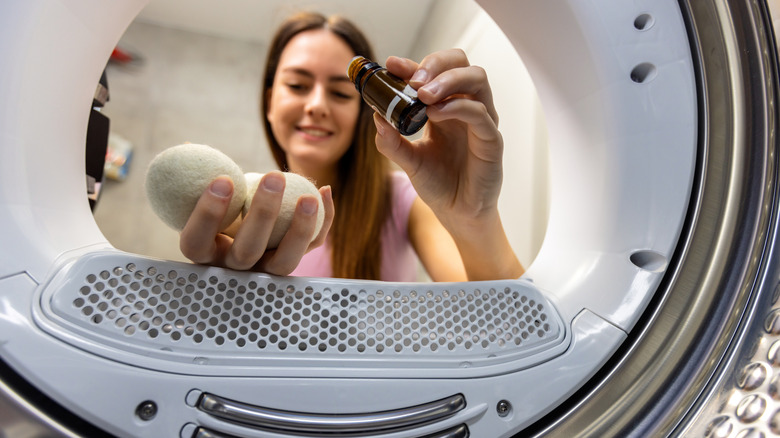
There are plenty of ways to use old or expired essential oils around the house, but whatever you do, be aware that they are highly flammable in their pure form. Because they are made from organic materials (like orange, lemongrass, tea tree, etc.), essential oils often contain volatile organic compounds. When ignited, these VOCs can flash and act like pouring gasoline on a fire.
Some have a higher ignition risk than others. For example, citrus options may have limonene, a flammable terpene. Other risky oils are those that tend to have strong smells that disperse quickly, like rosemary. To avoid disaster, use caution when using essential oils in undiluted form around things that may have a lot of heat or give off potential sparks, like heaters or stoves. And if you're wondering, it's still perfectly fine to use essential oils to make a DIY laundry scent booster for your pillowcase or on a dryer ball — just never put the oils directly near the dryer vent.
Too much lint in the dryer and exhaust vent can cause appliance fires
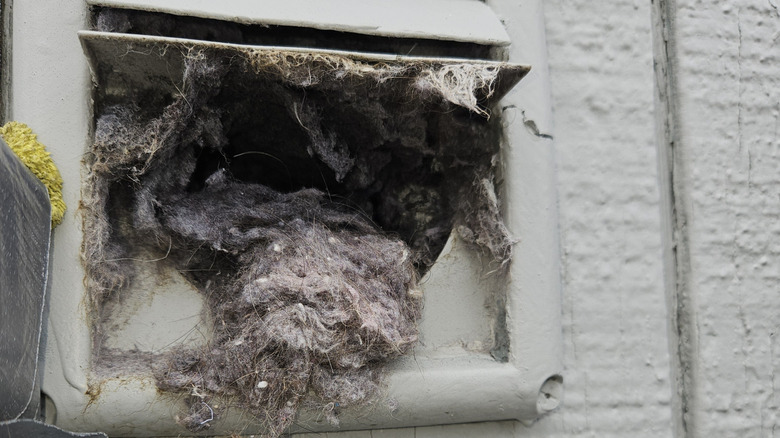
Dryers cause 90% of appliance fires in American homes. This is typically because too much lint builds up in your dryer's lint catcher, as well as the vent out the back of the machine. Lint is very flammable, so much so that campers often use it as kindling. In addition, dryers create a lot of heat during their cycles. Because of this, the lint can sometimes get overheated, and any sparks created by friction can set it alight.
There are plenty of surefire signs you need to clean your dryer vent, but the first is if you haven't cleaned it in the past year. While cleaning the lint tray after every few loads is a great first step, it's still not enough to prevent an appliance fire. Instead, the easy DIY of cleaning your dryer vent won't take more than an hour or so.
Bathroom exhaust fans can ignite if used for too long
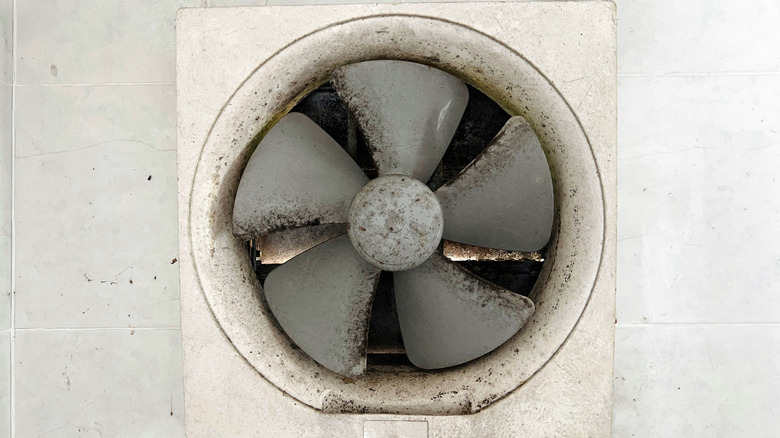
Lingering dust and lint are the major culprits of any hidden fire dangers in your home. In the case of an exhaust fan, lint in the fan (or any obstruction, really) can cause the blades to get stuck or move too slowly as they try to spin. All of this effort overheats the fan, and if you never give it a break by turning it off, then boom: fire.
To eliminate the problem, you have to give your fan a break. Turn it off when you aren't in the bathroom. This also gives you an opportunity to inspect the blades for a build up of dust and clean it off. While removing the fan's cover and wiping the blades individually is always a great place to start, you can also use compressed air like the Staples Compressed Air Duster to get into some of the harder to reach nooks and crannies.
Crayons can be used as candles in a pinch, so be careful during craft time
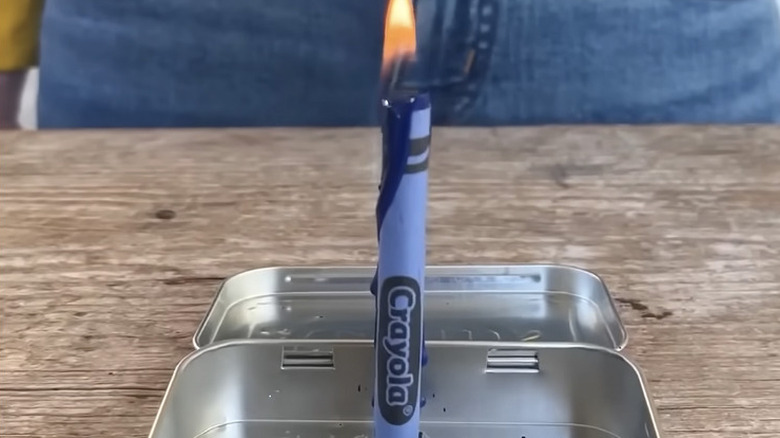
Crayons are a common craft supply that are likely all over your house. They can actually be highly flammable. While crayons are not at risk of spontaneous combustion, they are made of paraffin wax. When the paper of the crayon is lit, the wax melts, just like a candle. This slow burn allows the "crayon candle" to stay lit for up to half an hour. If you weren't expecting this, it can easily spiral.
While lighting them might be a fun party trick, be careful when using crayons of any brand near candles, space heaters, and the like. You should also be especially cautious with young children, who may not understand how quickly something small like a crayon can turn into an open flame.
Exposed light bulbs can cause contact fires
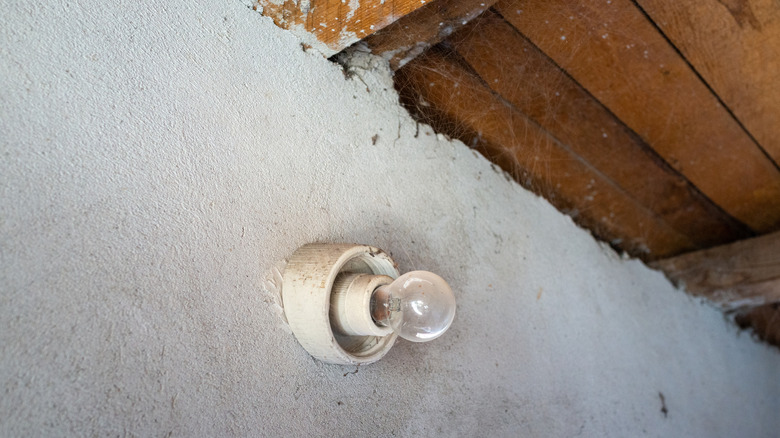
You might not think the kind of lighting you choose for your closet is important, but if you leave the bulbs exposed, you are actually creating a fire risk! In these tight spaces, it's easy for things like clothing or stacked cardboard boxes to accidentally touch the bulb. When left on for too long, the heat of the bulb can scorch the clothing and set the boxes alight. In a small space like a closet, everything else will catch fire quickly, too.
To avoid a fire risk, be sure that anything stacked on the highest shelves of your closet stays clear of any exposed bulbs. Another thing to consider is that some bulbs pose lower risks than others. For example, incandescent bulbs run very, very hot — making them an awful choice for closets. On the other hand, LEDs have the lowest risk, as they hardly put off heat at all. A light option that turns off automatically, like the Joyzy Automatic Motion Sensor Closet Lights with Eye-Protection Design, can help to lower the risk even further.
Certain fabrics will melt, not burn
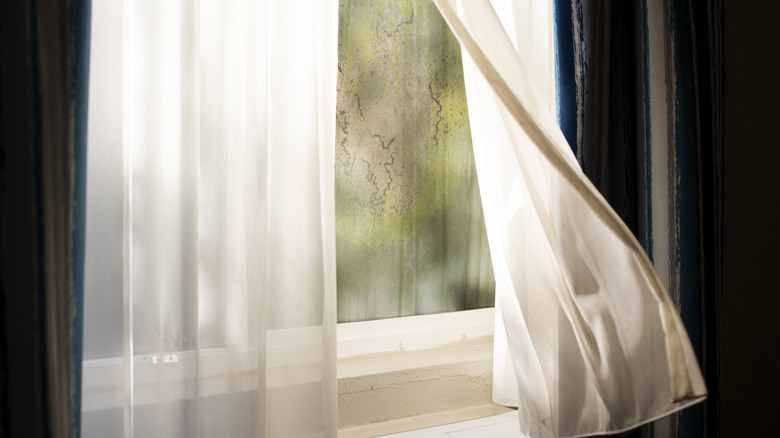
While it's important to keep all the fabrics in your home away from heat sources — like billowing curtains near a candle or laundry drying on the radiator, which are both no-nos — understanding that certain fabrics react differently to flames can help keep you safer. For example, wool is hard to set ablaze, while natural fibers (think cotton and silk) will go right up. The biggest hidden danger, however, is how synthetic fabrics react to heat. Things like nylon, acrylic, or polyester might be harder to light on fire, but when they do, they will melt, not just burn.
Beyond keeping fabrics away from obvious open flames, think about the hidden ways they encounter heat in your home. Synthetic curtains can brush against warm lamps or radiator vents without anyone noticing, meaning they slowly soften or melt over time. As a result, they can gradually create a major fire hazard. Staying aware of both visible and hidden heat sources and how they interact with synthetic fabrics can save you from a slow burn of danger.
Aerosol cans explode under too much heat

Things like hairspray, dry shampoo, or air freshener can explode if they become too hot. So, keeping an extra can in your car isn't a good idea, as it poses a big fire risk. The same can be said for any other aerosols, like cleaners, being stored in uninsulated places like your garage or attic, where heat builds up easily even if it's not even that hot outside.
Read the labels of any aerosols you buy carefully to see if they contain propane and butane (they often do!), as these are highly flammable and can also expand when exposed to heat, which is what causes the container to violently rupture. Always store aerosols in a cool, dry place to keep the risk low. It's also worth getting rid of old or damaged cans, as any dents or rust can weaken the container, making it an even bigger risk.
Plugged-in lithium batteries can blow up without warning
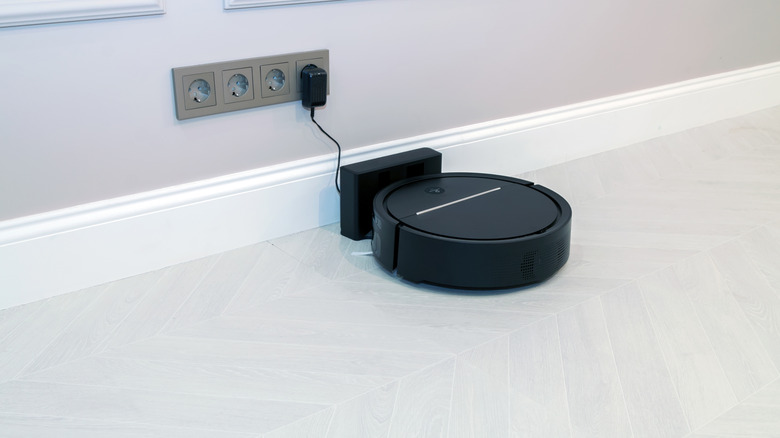
You know that lithium batteries are in things like laptops and spare power banks because of all the rules surrounding taking them on airplanes. However, you might not know they are tucked away inside a lot of other things around the house, too like in like auto-vacuums, power drills, and even electric toothbrushes. These batteries can pose a real fire risk. If they are overcharged or overheat in any way, they can explode and burn quite hot. This is because their material makeup includes a special electrolyte liquid inside. While this liquid is what makes them so powerful, it's also volatile and flammable.
To keep things safe, use the charger that comes with the device. Even if you have another that might work, it's not a good idea to cross things over. Next, charge these items somewhere with a breeze (so it doesn't get too hot), and never charge them on fabric, or other materials that could overheat. Things that are cooler, like concrete or tile, work best.
Mulch can cause fires if it overheats
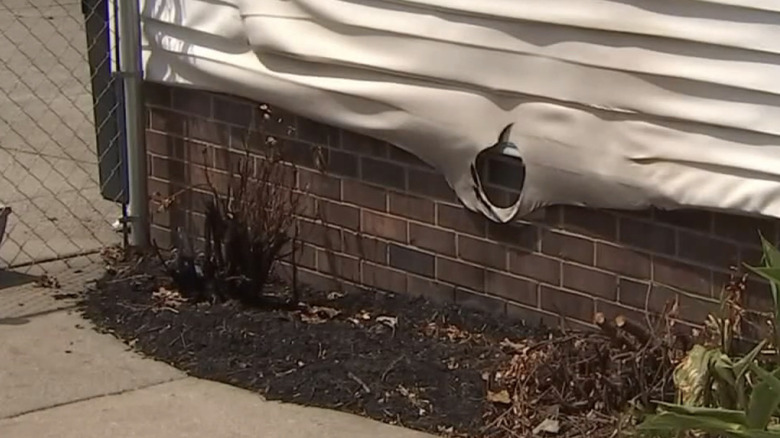
There is an interesting phenomenon that also happens in hay bales that causes piles of mulch to spontaneously combust. Mulch is made of organic materials like bark chips, leaves, compost, shredded wood, and the like. When it's piled up, these organic materials begin to decompose. As the organic materials break down, they release gas. This gas heats up in the center of the pile and eventually, if it has nowhere to go, gets hot enough that it burns. This is why farmers "turn the hay," so things like this don't happen.
Typically, the layer of mulch on your lawn won't be deep enough to cause issues. However, in cases of extremely high temperatures, it can still happen. In these instances, keeping your lawn well-watered is your best form of defense. In other weather, avoid storing large piles of mulch without turning them and keep them away from low-hanging branches or wood piles, as this will just add more fuel to the potential fire.