

16 Design Tips To Make Your Home Feel Like You

Walking into your home should make you feel like the best version of yourself. It should be a space where you're totally comfortable and surrounded by things you really love. Happily, making your home feel like you is more achievable than you might think. Even if you're a renter, don't have a lot of design experience, or don't have a lot of money to spend on decor upgrades, there are a ton of easy but impactful ways to make your home totally customized to you. The key to creating a space where you feel completely at home? Following your gut rather than following trends. Honor your unique sense of style by choosing design elements that spark joy for you.
To get you started, we've rounded up some simple yet brilliant tips to personalize your space. Most of them are small projects, like choosing a signature scent or swapping out light bulbs. Making a bunch of those little tweaks can totally change the vibes of your home. When you're done, your oldest friend could walk in and say, "This place really feels like you!"
Search for style inspiration

What's your sense of style? Get really clear about that before moving forward with any design projects. Knowing what you like will help you create a home that feels like you. Now's the time to figure out what colors, patterns, shapes, and textures appeal to you the most. Give yourself time to scroll through social media and interior design magazines. You might want to start a vision board in some form, like on Pinterest or a folder of photos saved on your phone.
Visiting your closet might help you clarify your design sensibilities, too. Notice the themes in your wardrobe, especially the pieces you feel the best in. If your favorite clothes are all bold and bright, you're probably going to feel like yourself in a home filled with color and pattern. If you gravitate toward simple pieces in light colors, embracing a Scandinavian design aesthetic might feel right.
Identify some target words
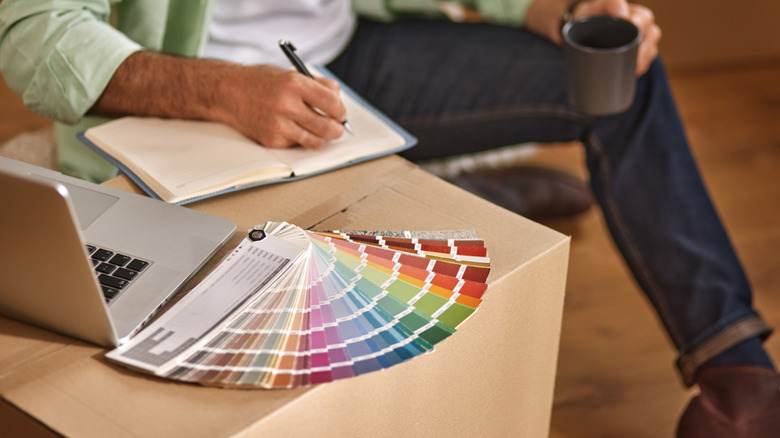
You've done some research and noticed the design elements you tend to like to look at. Next, think about how you want your home to feel. Brooke, the lead designer at design firm Root & Dwell, recommends this strategy. Brooke says: "By figuring out the feelings you want your home to have, you can then go on to figure out how to create those feelings through the decorating process."
Start brainstorming! Brooke suggests jotting down a broad list of words that describe the way you want your home to feel. (Alternately, think about words that describe homes or other places you've visited that you liked.) Should your home be mellow? Cheerful? Soulful? Pristine? Cozy? Narrow down the list by combining words that describe similar feelings. Circle the ones that are most important to you. Ideally, you'll end up with a short list of just three or so words. Keep those words in mind every time you make a design decision moving forward.
Don't rush it

It's exciting to think about giving your home a new look and feel. So exciting that you might start looking at buying new furniture and decor right away. Resist that urge! Creating a space that really feels authentically like you takes time. "You don't need to 'finish' a room in a weekend," designer Ashley Montgomery told Homes & Gardens. "In fact, please don't."
She stresses the importance of letting your home's design unfold over time. "Pick up a piece here and there — a ceramic bowl from a weekend market, a painting that makes you feel something, even if you're not quite sure what. These are the things that give a space its heartbeat." You'll have a better sense of what a half-designed room is actually missing once you've spent some time living in it. Bringing in new pieces one at a time also makes each one feel special and new.
Prioritize function

Your home should be easy to live in. You should be able to use every part of it comfortably and routinely. Don't waste space on things that look like good design but don't actually work for the way you and your family live. That's what prioritizing function is about: making your home easy to navigate in a way that feels like second nature.
Think about how you actually use each room and how you like to live. Make decisions around those priorities, not just pure aesthetics. Prioritizing function might mean getting rid of a coffee table so you can use your living room as a yoga studio. Or turning a rarely-used guest room into an office or library. Each time you alter a room's design, walk through and make sure there aren't any physical obstacles. Notice furniture that blocks your natural pathway, rugs that always need adjusting, sharp edges that kids might run into, etc.
Choose some signature scents

Engage all the senses to make a space that's totally you. Wouldn't it be nice to love the way your home smells, and not just when something delicious is in the oven? Curate a signature scent that you want to incorporate throughout the space year-round. (Yes, just one at a time; too many fragrances in your space can be overwhelming.) Then you can collect a stash of candles, diffusers, etc. to keep on hand.
To choose the right signature scents for your home, do a little research. Head to the closest store that has a candle aisle and start sniffing. Take notes about your favorite fragrances. Or, look to your perfume or cologne preferences for some inspiration. If you love the smell of bergamot and citrus perfume, it stands to reason that you'll love those scents in candles and reed diffusers. Design journalist Chiana Dickson offers this advice via Homes & Gardens: "The ambiance is one of the first things interior designers notice in a room when they enter, and your room's scent plays a huge role in that. Picking a scent to complement your home's decor, and tell a story about your preferences is the best way to do this." If you love hiking and camping, you might love woody, musky smells. If the beach is your happy place, go for scents like linen and light florals.
Consider customizing your wall paint
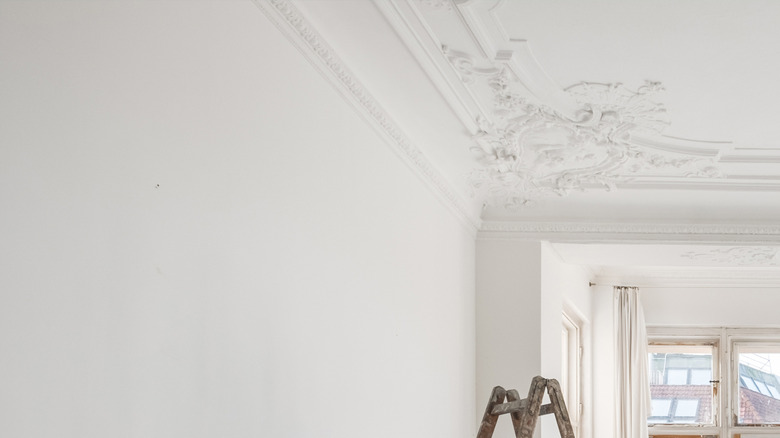
Before you move all the furniture in, decorate the walls, and think about accents, take a look at the color palette of your walls. The color of the walls, and how paint is used to offset certain design features, can really reflect you. Vogue named color drenching Spring 2025's biggest interiors trend, but it's not for everyone. Painting all the walls, ceiling, and trim of a room, all in one color is a bold statement. If you are all about bold statements and drama, color drenching is for you. The darker the shade, the more dramatic the effect.
Do you prefer serenity in your space? Color drenching with neutral, mellow shades like greige or cream might be an option. Or, if you're hoping to infuse your space with the sense of fun and playfulness that you embrace in your everyday life, don't be afraid to paint with pattern and pomp. "A stripe or floral or unexpected wall color can completely transform the feel of a space," designer Anita Yokota tells Sunset. Plus, nothing screams "you" more than a bit of DIY. Add some depth and texture to your walls with your own hands, using techniques like stippling with a soft brush.
Incorporate old and special objects into daily use
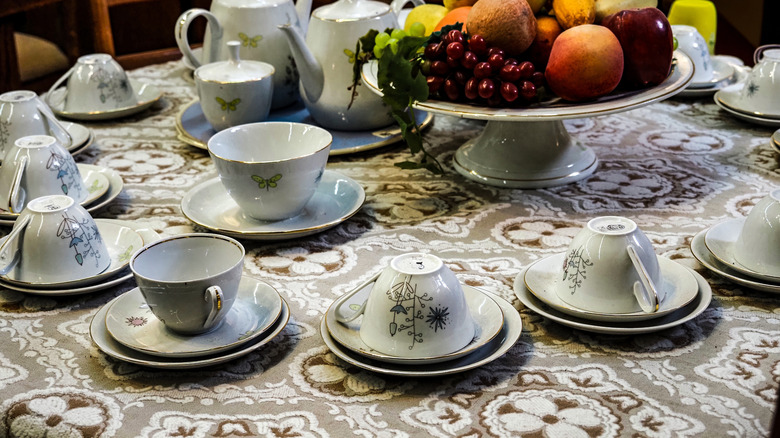
If you're lucky enough to own some objects that have been passed down from past generations, you might consider them too precious to use. Bringing them back into daily use is actually a lovely way to honor the people who came before you. Keep super valuable or delicate heirlooms on display in a safe place, and look for ways to incorporate any vintage items you love into your home's design.
In an interview with Homes & Gardens, Designer Ashley Montgomery said: "Honestly, a bowl of cereal just hits differently when eaten with a spoon that's older than you are." So use the "good China" and vintage flatware for weekday meals instead of saving them for holidays. Turn old lace doilies into DIY decor so you can actually appreciate the intricate work that someone put into them. Prop mom's old well-loved cookbook in a wooden cookbook stand on the kitchen counter so you can thumb through the recipes for inspiration.
Swap out generic lighting
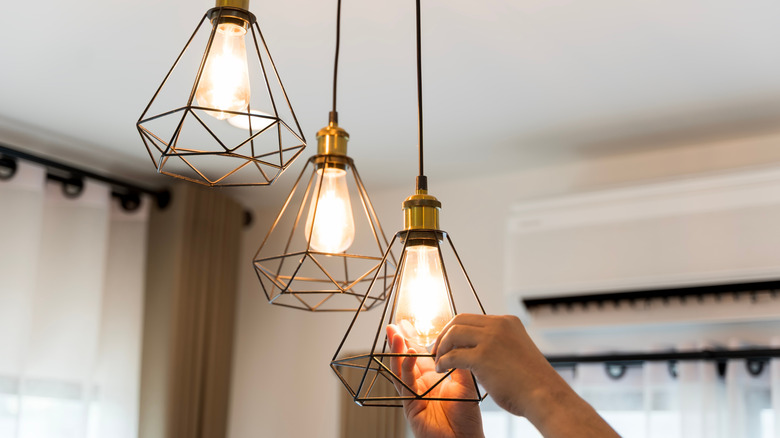
Between ceiling lights and free-standing lamps, there's a ton of room to express your personal style through lighting. Getting the light right in every room makes every part of your home feel right. There are a few simple strategies you can use to create a comfortable, inviting lighting design. For example, use multiple light sources in every room (i.e., a combination of overhead lights, lamps, and wall sconces). Put your lights on dimmers so you can adjust them based on your mood and activity.
Upgrading light fixtures can make a big aesthetic difference too. Adding a boho light like this Qingmiao rattan pendant lamp is going to give an airy, eco-chic feel, whereas these matte black cage pendant lights will evoke a stark, industrial vibe. Think about the functionality of your lighting, too. Adding new task lighting will also make your home more functional and personalized to you. For example, installing under-cabinet lights if you love to cook, or adding new sconces by your bed to ease eye strain when you're reading before bed.
Make a memory bowl

Dig up the birthday cards, handwritten notes, playbills, baseball cards, old friendship bracelets, and other personal mementos that have meaning for you. They don't do you any good tucked away in boxes where you might see them every few years. Creating a memory bowl brings those precious mementos into your everyday day. Joanna Gaines shared her memory bowl on Instagram, showing just how simple but impactful it can be.
Joanna stashes family photos and signed baseballs collected by her kids in a wide, scalloped bowl. You could grab any wide decorative bowl, basket, or tray you have on hand. Spread out a mix of photos, souvenirs, and other trinkets, creating a few layers. You can customize the mix of mementos as time goes on. Fill it with photos from celebrations whenever a holiday comes along. Use the bowl as a centerpiece or on a side table. It will be a conversation starter as guests will want to know the stories behind the things you've displayed (and the old hairstyles in those photos).
Create a space for your passions and hobbies
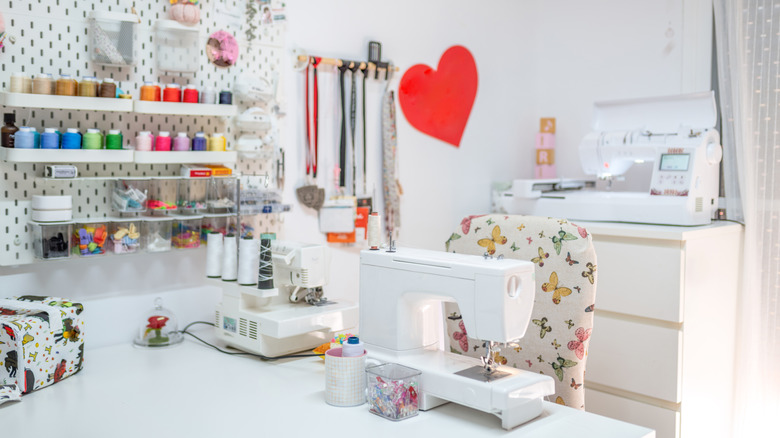
Carving out a dedicated space for your passions makes your home maximally comfortable and functional. A cozy hobby nook may become your very favorite corner of your home. Having a place to corral your supplies and work on projects keeps them from taking over other parts of your abode. It might be a crafting corner, featuring a fold-down desk and cabinet that's organized with your favorite supplies. A writing desk tucked under a window, featuring framed quotes from your favorite writers and a really comfortable chair. A dedicated space for yoga, weight lifting, meditation, and other wellness activities. Or, a multi-purpose space where you can work on whatever projects feel interesting at the moment.
Figuring out what kind of hobby space you need is up to you. Then you can go searching on social media for specific design inspiration, depending on what kinds of activities you want to do there. Think about how you want to feel when you're in that space (cozy? creative?) and choose accents like
like throw rugs and artwork that give you those feelings.
Layer and texture your bedding
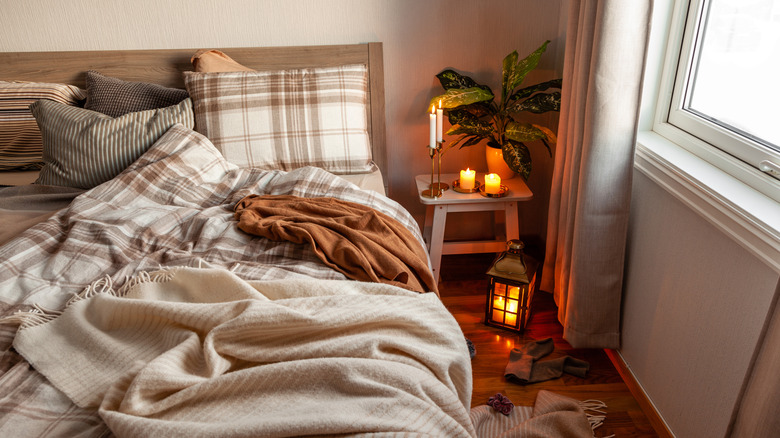
Ideally, your bed feels like the coziest and most comforting place in the entire world. Those matching bedding sets you can grab from Target are fine, but generic. Curating your own bedding by mixing and matching shades, patterns, and textures makes your bedroom totally personalized and totally you. And you don't have to scrap a whole bedding set if one piece is damaged.
As a starting place, choose a color family to design around. Pick two or three colors that you want to highlight. Then look for sheets, blankets, pillowcases, and throws in different fabrics to create texture. (To maximize your options, buy a few sets of sheets in different colors and patterns so you can swap them around.) For example: You might end up with a light gray bottom sheet, a dark gray patterned top sheet, and a mix of pillows and blankets in shades of gray and purple. In cold weather, add a cozy plaid throw that combines purple with another accent color.
Add plants and greenery

Bringing in plants that you love looking at is a surefire way to make you feel at home. The benefits of having plants and greenery in your space are plentiful. They add color, texture, and vibrancy to any room. Plants can be used to create visual interest and break up empty spaces. And they might even be good for your health. Research from South Dakota State University indicates that being around plant life can reduce stress, improve mood, and purify your air. Having plants around you might even help you be more productive!
The key is choosing plants that suit your style and your caretaking abilities. A statement piece like a bonsai tree is going to create a different look than lush hanging plants in every room. Consulting the staff at your local plant shop is the best way to choose specific plants that are right for your home. Or, if you know you're a forgetful gardener whose plants always die, opt for low-maintenance succulents. Even paper flowers or realistic-looking artificial plants can help you create an indoor garden oasis feel.
Incorporate your monogram
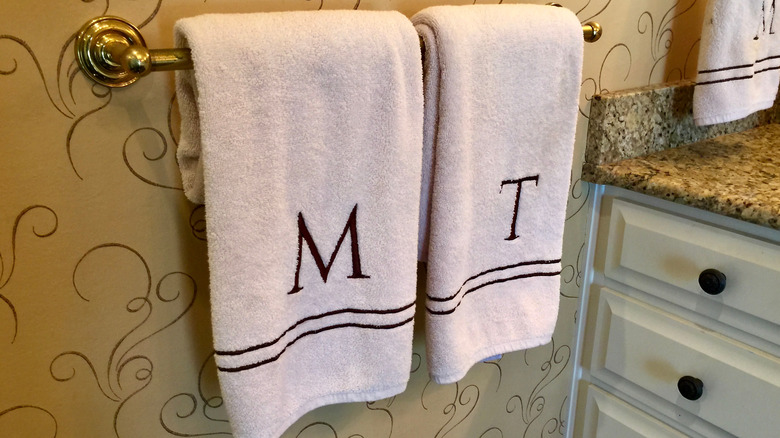
Using towels, napkins, throw pillows, etc. monogrammed with family initials instantly adds a personal touch to your home. Monograms still divide home decorators, but many design sources agree that, when done right, monograms are timeless. If the objective is to customize your space, you really can't beat the idea of decorating around your own initials.
There are lots of options for incorporating monograms into your decor. Monogrammed robes or guest towels are a luxurious way to welcome overnight guests. Wall art, pillowcases, kitchen towels, door mats, decorative trays, and even your silverware can all be adorned with meaningful monograms. You can always stick with something traditional (your first initial or your and your spouse's initials). Or, get important dates like your anniversary or your child's birthdate monogrammed onto your home decor. Online craft marketplaces like Etsy are full of creators who will make custom plaques or signs to display your name, initials, or important dates.
Highlight your taste in books, music, sports, etc.
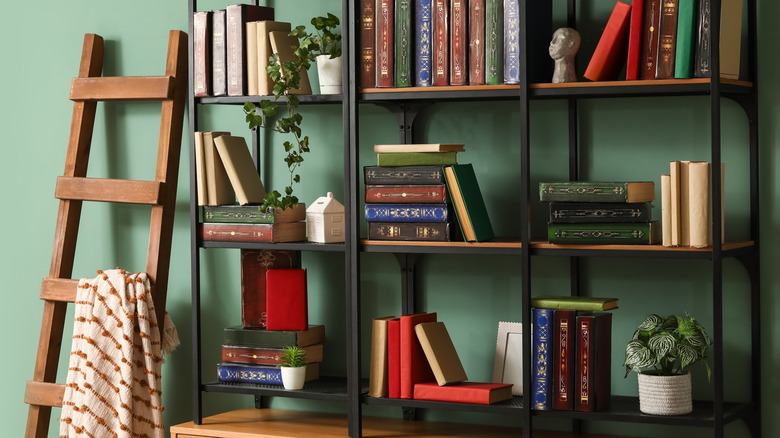
The movies, books, games, bands, and teams that you love should be celebrated in your home. You know those things make you happy, so be surrounded by them every day. Bring out the merch you've picked up from games or concerts. A custom framing shop can frame your favorite jerseys or create shadowboxes for sports memorabilia. Allposters is full of options for movie and music posters that can make a statement on your wall.
If you want to display a variety of memorabilia on a shelf, there are a few things you can do to make all these objects look like part of an intentional design. Mix and match them depending on your space. Try stacking books horizontally. Lean framed art against the backs of shelves, and arrange smaller objects in front. Group unrelated items by color palette in smaller displays around your space.
Only hang art that resonates with you
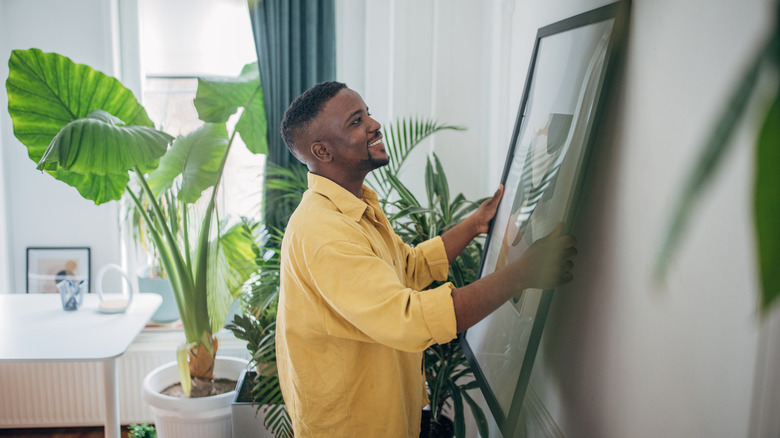
Generic art belongs in hotels, not homes. Take down any existing paintings, photos, and other pieces that you don't actually care about. Going forward you're only going to display art that has some meaning to you. That might include pieces made by local artists, friends, or family — things that have a personal connection. Artwork that moves you or makes you happy belongs in your home.
Finding art you love doesn't mean you have to buy pricey pieces from renowned artists. Flip through art prints at vintage stores or buy from artists on Etsy. The source or price point of the art doesn't matter as long as it resonates with you. You'll know it when you find something that stops you in your tracks. Don't buy art just because you don't want to have empty walls. You can't rush the search for art you love and will want to display for the rest of your life.
Upcycle a piece of furniture
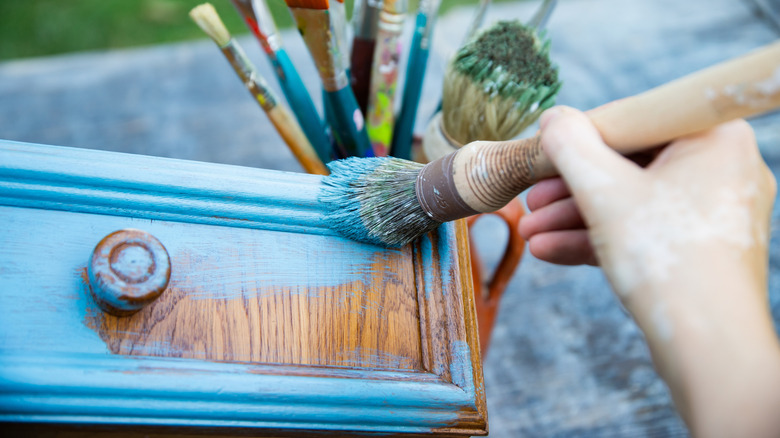
Putting your stamp on a piece of furniture makes it truly unique to your home. Upcycling old, ugly, or damaged pieces is a resourceful way to do it. Customize a piece of furniture, and you'll enjoy your handiwork every day. It's also a clever way to incorporate more of your chosen colors and style into a room. Painting dining room chairs bright yellow could tie in with a piece of artwork hung in the dining room, for example.
There are tons of techniques you can use to upgrade furniture you already own or pieces you source from yard sales. Many of them don't require any advanced DIY skills or tools. Repainting a table, or adding a paper mosaic to a glass-top table, are projects that most people can handle. Interior designer Rebecca Hay shared a few other simple furniture upgrades with Today. "Try peel-and-stick wallpaper at the back of a shelving unit or replace wooden shelves in an armoire with glass shelves and remove the doors," she said. A customized shelving unit is the perfect place to display some of your favorite things.