

Raking In Spring: A Good Idea, Or A Recipe For A Lawn Disaster?
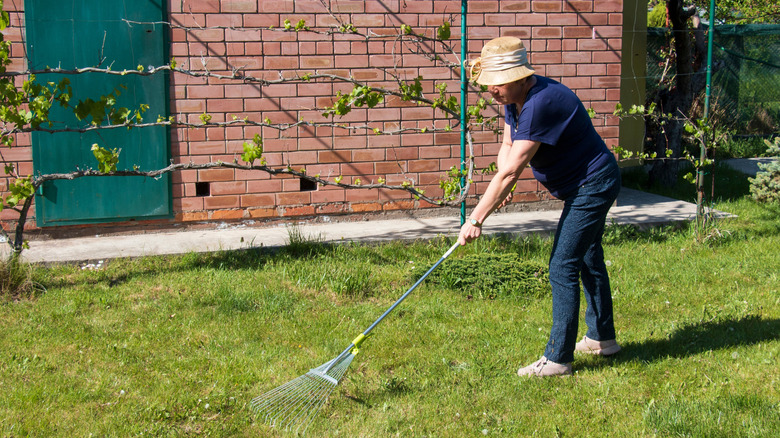
Left your leaves to "chill" over the winter rather than undertaking backbreaking fall cleanup? After a long winter, people with lawns will ultimately need to rake their yards if they want grass growth. A covering of more than 20% leaves over the winter may harbor plant diseases, while providing cover for notorious lawn and garden enemies like mice and voles. Those are just some of the reasons why you should never let the leaves in your lawn pile up.
So what's to stop you from rushing out and cleaning up those leaves once the snow has receded? Well, as is true with so many things, timing is everything! If you rake too vigorously during the early spring, you can easily rip up the tender blades of just-emerging turf. It's also important to give previously snow-covered lawns time to warm up and dry out before poking them with sharp implements. Sopping soils lead to loose root systems, making your young turf vulnerable to being ripped out unintentionally.
In addition, an astonishing number of pollinating insects overwinter among the leaf litter in residential yards and elsewhere. These beneficial critters include native bees and fireflies, which make tunnels inside leaf layers and fallen branches. Aside from these important creatures, luna moths and butterfly species such as swallowtails and fritillaries build chrysalids among the leaf litter. In early spring, just when you may be thinking of removing those leaf piles, the pollinators and other beneficial insects are likely still within those heaps.
Remove remaining leaf piles in spring, but time that removal carefully
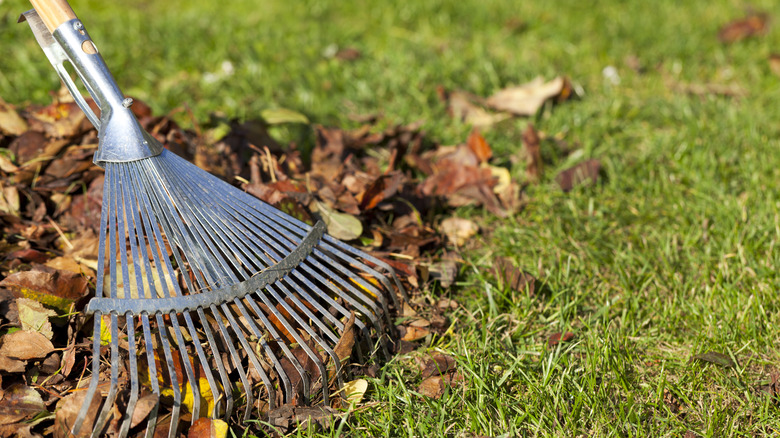
Fortunately, you can have the best of both worlds when it comes to creating a healthy lawn and following eco-friendly landscaping practices. The key to maintaining a healthy lawn and avoiding mistakes if you're trying to attract pollinators to your garden lies in carefully timing your cleanup routines. In general, mid-April is the earliest you should be undertaking spring raking in cooler climates, while late May would be even better.
To avoid ripping up young turf, wait until the ground is no longer sopping after snow melts and early spring rains. If you can quickly kneel on the grass without coming up with a wet knee, you're probably good to go! Light raking is always best for spring leaf cleanup. Start by fluffing up areas that look like they've been damaged by vole tunnels. Additionally, focus on white lawn patches, which are probably harboring snow mold on the leaves and lawn litter. Use a light, flexible leaf rake rather than a heavy metal garden rake.
In terms of pollinators, it's recommended to wait at least until apple trees begin blooming, which lures various bee species to their blossoms. Holding off until those blooms have faded is even better. If you're itching to begin spring cleaning your garden, start by just removing leaves from paths and garden beds, making sure to rake rather than machine-shred. That way you won't disturb your growing lawn.