

The Frameless Garden Bed Alternative That Helps You Save On Resources

Raised beds are great garden additions for growing fruits and veggies as they allow the gardeners to improve the soil for growing, control weeds and pests, and access your crops at a comfortable level. Plus, as the soil in raised beds gets warmer more quickly in spring, growing season can be extended by planting veggies earlier in the year. There are many common materials you can use in DIY raised garden beds, with metal, brick, and wood all being suitable choices. However, you don't have to use any materials at all. Instead of hunting down wooden crates or spending hours watching videos about laying brick walls, you can skip this and opt for a mounded raised bed instead.
Frameless raised beds only call for extra soil, and they still have many of the benefits of the classic raised beds built with traditional materials. This also means you don't have to bend down as much when maintaining them, and you can easily enhance the soil if necessary. Mounded raised beds can be permanent garden additions and expect the health of the soil to improve because of the decomposition of the organic matter. These raised beds that don't use frames can easily be made using soil that's already in the garden.
How to add mounded garden beds to your yard
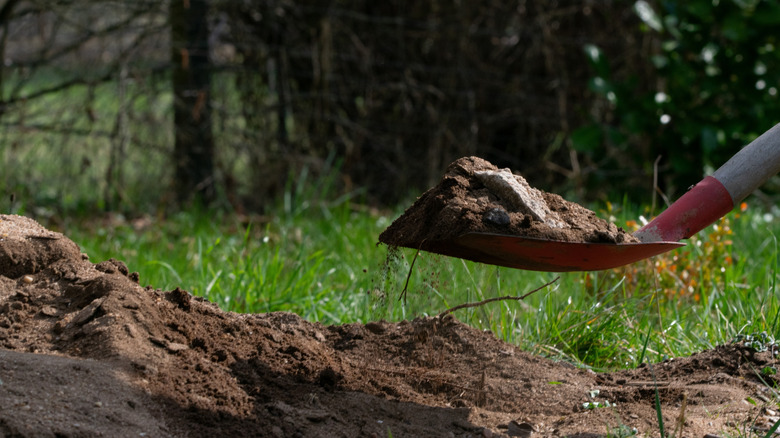
When adding a mounded garden bed to your yard, you first need to plan out where it will go and how big it will be. Mounded garden beds can be up to 5 feet wide, but think about accessibility and what would be comfortable for you. You then need to determine how you will create it. You can decide to use compost and you can dig up walkways and use the soil to create your mound. It may be helpful to gather organic matter, such as leaves and garden waste, to add to the mound to bulk it out and bring in nutrients. You may also want to test the quality of your soil to see what added nutrients or fertilizers the garden bed needs.
Once you have figured out where the new soil is coming from and gathered any additional compost, fertilizers, and organic matter, it is time to prep the bed. If the soil is too compact, it's recommended to use a rototiller to make it more loose. The soil also needs to be fairly dry. A good rule of thumb is that if it crumbles in your hands, it's good to work with. If the conditions are right, work the soil and add additional soil if you're using it, organic matter, or compost, mixing and working as you go. Shape the beds until they reach 4 to 6 inches in height and level the top. Creating an edge around the top of the bed can help maintain its shape.
How to maintain mounded garden beds
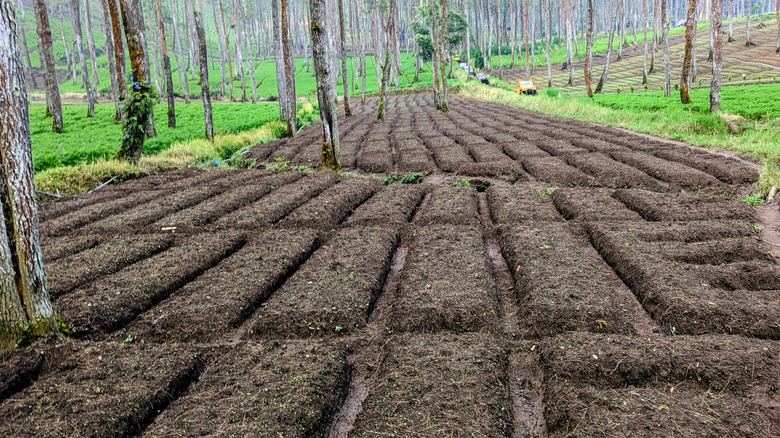
Mounded garden beds need a little bit more maintenance than framed beds, mainly in terms of keeping their shape and avoiding erosion. It is important to avoid stepping on your new raised beds as this can make the soil too compact and ruin the structure. Also, avoid knocking or damaging the sides. You may want to place stakes at the corners to prevent potential damage from hoses being dragged around the garden. The soil will compress and settle over time, and you may want to replenish the soil in your raised garden bed to maintain its height.
As raised garden beds tend to dry out more, make sure you stay on top of watering once your plants are growing. You won't need to till the bed, but rake it at the start of each season to shape it. During winter, cover the beds with organic matter and add more of it, alongside compost, in the growing season. When looked after well, frameless garden beds can last for decades, providing you with a great place to grow all your veggies, year after year.