

15 Flowering Vines That Grow Best In Shade
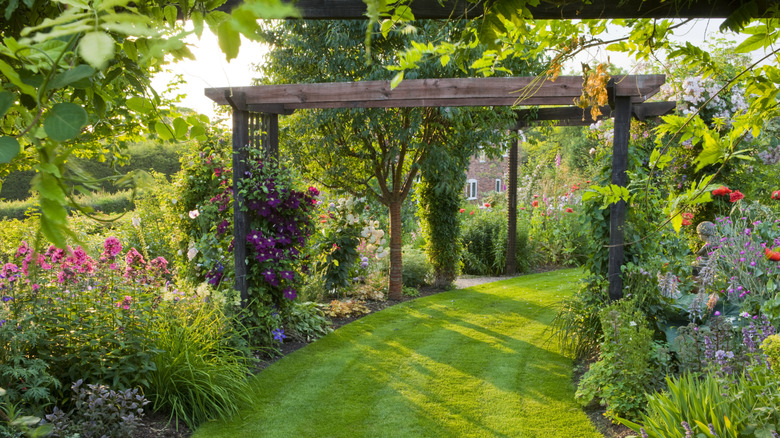
Do you need to create a natural privacy screen in your garden? Perhaps you want to grow something attractive that will hide an unsightly view, like an ugly shed or boring fence. A trellis with a gorgeous flowering vine will certainly do the trick. However, if the spot you want to decorate or conceal is in shade, even for just part of the day, you will need to find the right climbing or trailing plant species. Not every flowering vine thrives under these conditions. Some of the best options include climbing hydrangea, American wisteria, Carolina jessamine, and arctic kiwi, among quite a few others.
While many flowering vines appreciate at least some sunshine, quite a few don't mind if they're also growing under a bit of shade, especially on hot summer afternoons. You can easily cultivate these climbers alongside other fast-growing shade plants to effortlessly fill your garden with color. When you're looking for the perfect shade-loving flowering vine to adorn a wall or pergola in your backyard, you need to think about more than the plant's physical attribute, such as colorful blooms or delightful scents. You also need to consider how much maintenance the species or cultivar requires. Does it, for example, need a lot of pruning or dividing to keep it relatively tidy and under control? If you have your heart set on a vine that's non-native to your region, check whether the plant is invasive before buying or planting it.
American wisteria
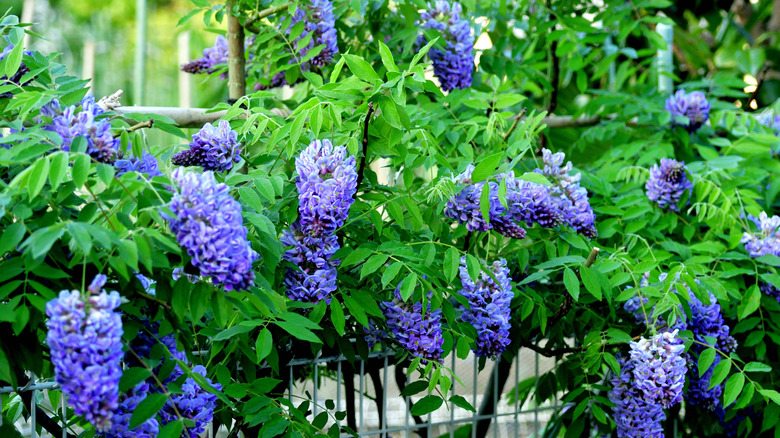
American wisteria (Wisteria frutescens) is an eye-catching purple-flowered vine that will make you feel like you're living a fairytale when in full bloom. Unlike the non-native wisteria species, it's not invasive. This climber will thrive in a partially shaded spot, but you may find that it flowers less profusely than if it were planted in full sunlight. It does well in USDA Hardiness Zones 5 through 9, and boasts wispy green foliage that gives way to scented blooms in spring. The flowers attract bees and butterflies.
Climbing hydrangea
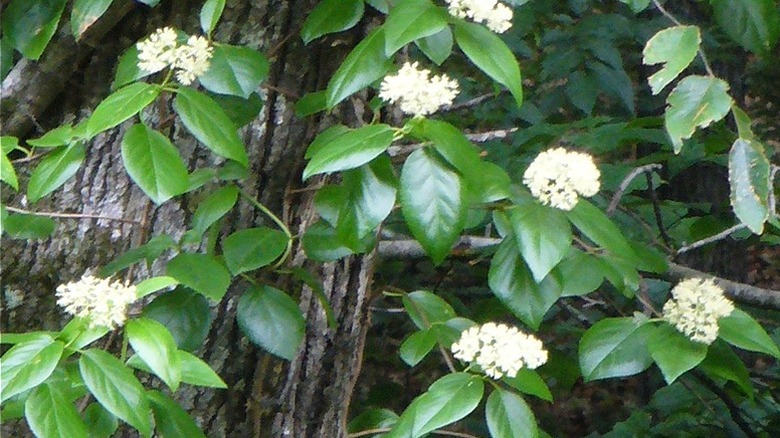
Another native vine that can handle a partially shaded spot in your garden is the climbing hydrangea (Hydrangea barbara). This pretty plant grows well in Zones 6 to 8. Climbing hydrangea loves morning sun with afternoon shade, but it can handle full shade, though it will bloom less. The fragrant flowers appear on new wood, which means you will have to prune it in early spring to encourage lots of new bud-hosting growth. Expect plenty of pollinators in your yard when this vine blooms in spring and summer.
American groundnut
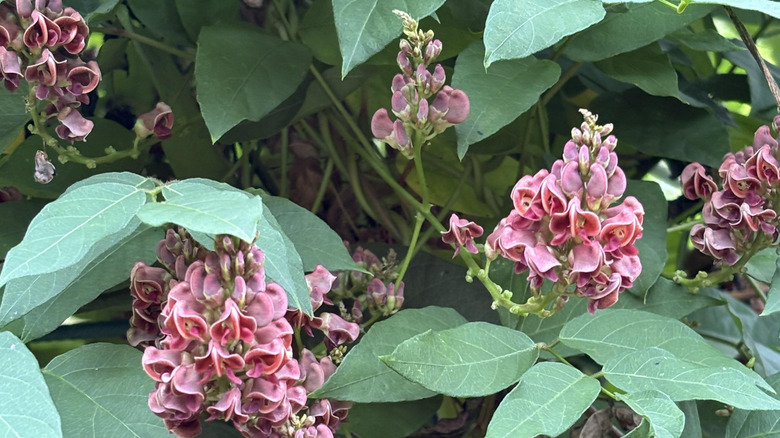
If you're after a vine that has both gorgeous clusters of pea-like flowers and edible nuts, then the American groundnut (Apios americana) might be the perfect choice. The copper and burgundy flowers stand out against the abundant gray-green foliage. It thrives in Zones 4 through 9, and can grow in partial shade as long as the soil is relatively moist, keeping the underground tubers happy. As a side note, the tubers are also edible; the vine is grown extensively in Japan for this very reason. Watch this vine's growth — it spreads quickly and can become weedy.
Devil's darning needles
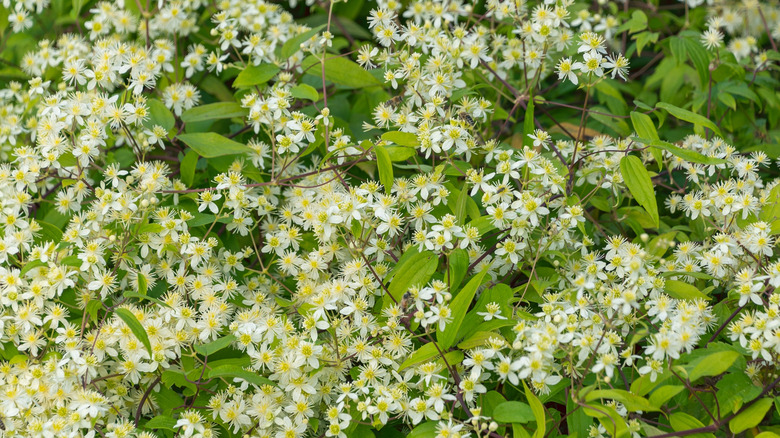
Commonly known as Devil's darning needles or old man's beard, Clematis virginiana has the prettiest white four-petaled flowers, which are also highly fragrant. The showy seed heads are even more intriguing because they resemble wispy white facial hair. This climber thrives in Zones 6 to 8 and blooms well when planted in a shady spot. Prune the vining stems vigorously in late fall to early spring to manage the plant's sprawling growth. Bonus: It's one of the climbing plants that will turn your backyard into a butterfly haven.
Carolina jessamine
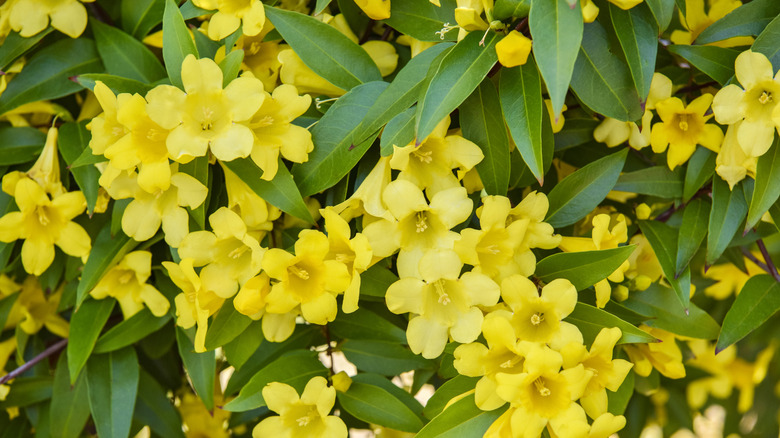
Although Carolina jessamine (Gelsemium sempervirens) flowers most prolifically when grown in full sun, this vibrant vine will tolerate light shade. It's a hardy climber that can handle short dry spells, wet soil, salt spray, and high winds. It thrives in Zones 6 through 10, and is best known for its fragrant, bright yellow flowers that attract hummingbirds, among other pollinators. Prune Carolina jessamine immediately after it stops flowering to keep it in shape. Consider carefully where you plant it since all parts of the plant are highly toxic to humans.
Blue snapdragon vine
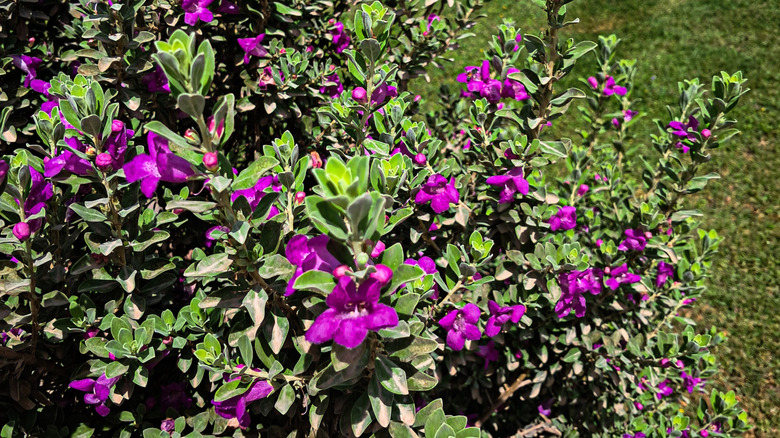
If you're looking for a smaller vine that's covered in purple flowers from spring to fall and does well in pots, then the blue snapdragon vine (Maurandella antirrhiniflora) is it. This pretty climber is only hardy in Zones 9 to 10, but you can grow it as an annual or in a container that you bring indoors over winter in other parts of the U.S. Blue snapdragon vine does well in partial shade in hotter regions because too much heat will delay flowering. The tubular blooms attract butterflies and hummingbirds.
Butterfly pea
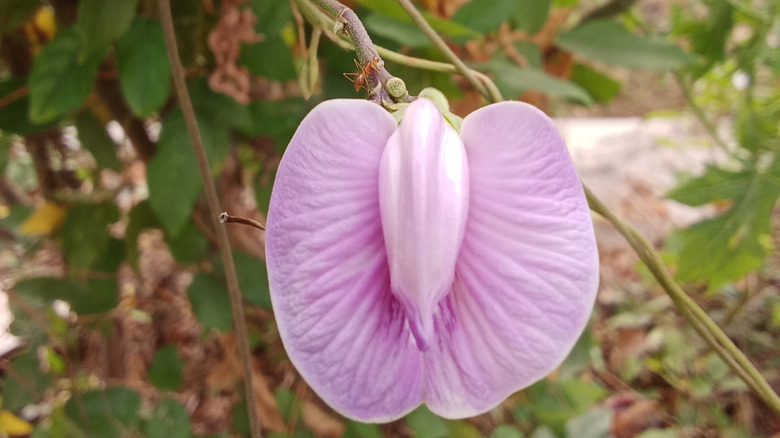
Looking for a dainty vine for a lightly shaded spot in your garden? You might want to plant a butterfly pea (Clitoria mariana). This native vine thrives in Zones 6 through 9 and boasts stunning lavender-colored flowers from spring to fall. It's a member of the Leguminosae family, so it will fix nitrogen in the soil, making your garden more fertile. Plus, the flowers are especially attractive to bees. Butterfly pea prefers to clamber across the ground in the wild. If you want it to grow up a structure, you will need to train it.
Bleeding heart vine
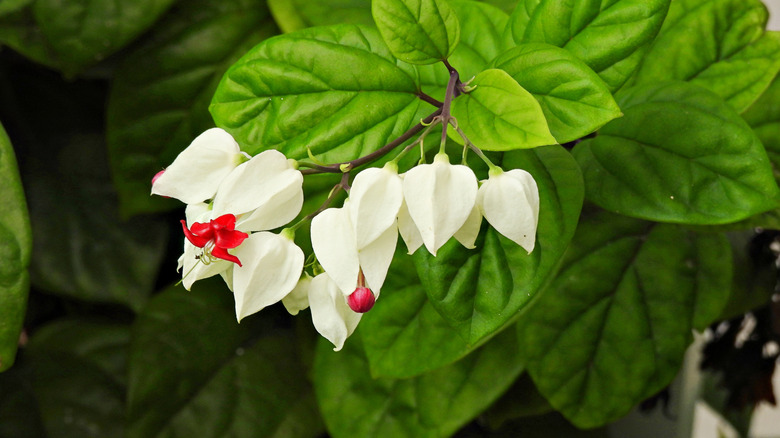
Although bleeding heart vine (Clerodendrum thomsoniae) is not native to North America, its stunning bi-colored (red and white) flowers and large deep-green leaves make it an attractive addition to any garden. This climber is only hardy above Zone 9; it's a tropical plant. Bleeding heart vine blooms prolifically when grown in bright morning sunlight with afternoon shade. The heat-loving plant produces flower buds on new growth, so give it an enthusiastic trim immediately after it's finished flowering.
Limber honeysuckle
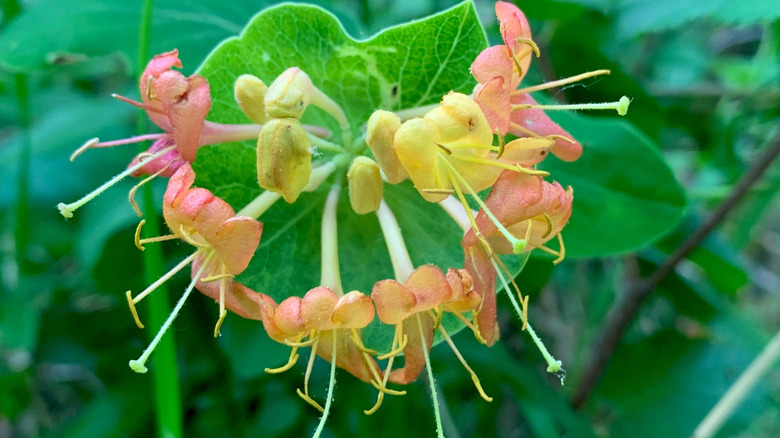
While some non-native honeysuckle species are invasive, limber honeysuckle (Lonicera dioica) is a native species that won't take over your garden. In the wild, these climbers prefer boggy areas. The plant has showy, trumpet-shaped flowers in gold, orange, purple, and burgundy that bees and hummingbirds love. Like so many other vines on this list, limber honeysuckle flowers best when planted in full sun, but it will do just fine in part shade, too. A location that gets morning sun and afternoon shade is, in fact, ideal in hot climates. This climber thrives in Zones 3 to 5.
Kadsura vine
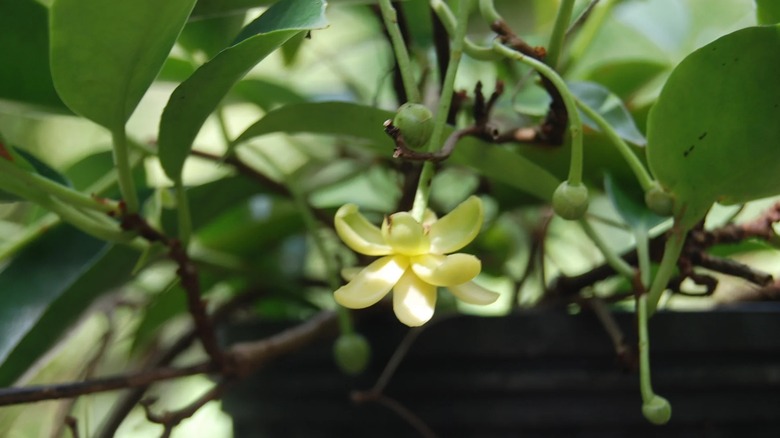
If you're interested in vines with flowers that transform into edible berries, consider planting a kadsura vine (Kadsura japonica) in your backyard. This semi-evergreen to evergreen climber, which is native to Japan and Korea, produces fragrant white cup-shaped flowers in summer and fall. It thrives in Zones 6 through 9, and will grow happily in partial shade, as long as it's sheltered from wild weather. If you want your kadsura vine to produce harvestable fruit, you'll need to grow both a male and a female plant close together.
Wild potato vine
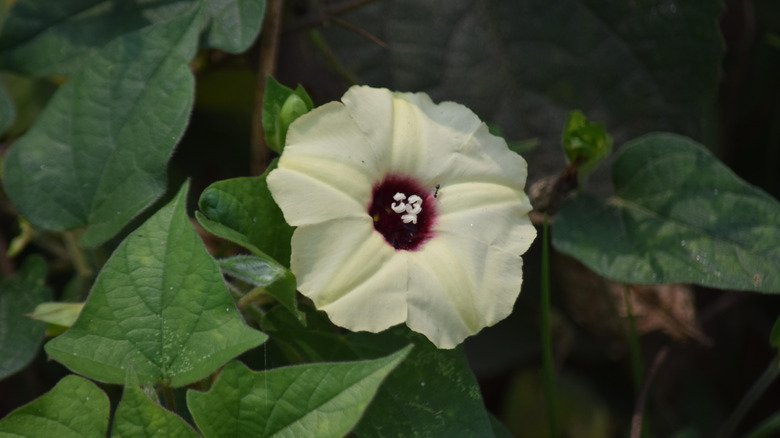
If you're looking for a vine with showy flowers up to 3 inches in diameter, you can't go past the wild potato vine (Ipomoea pandurata). The plant, which is native to North America, boasts outstanding white flowers with purple centers, heart-shaped leaves, and interesting purple stems. Wild potato vine will do well in part shade, as long as you garden in Zones 3 to 8. Be vigilant about removing the spent flowers. Otherwise, this vigorously spreading vine will self-seed and take over your garden. Protect pets from the seeds, which are mildly toxic.
Yellow butterfly vine
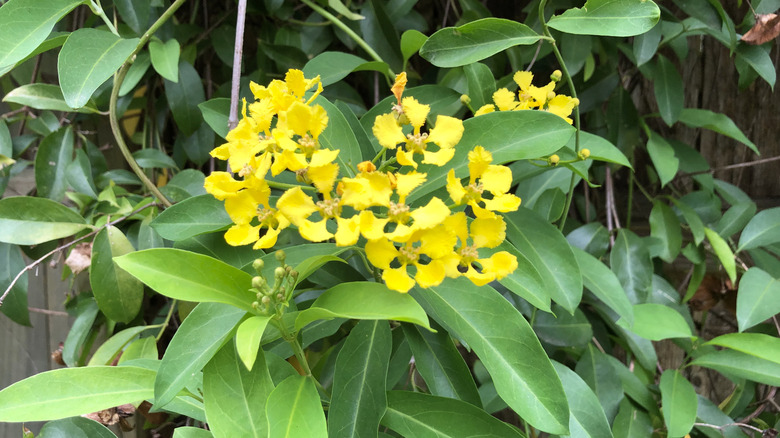
What could be happier than a trellis or fence covered in clusters of bright yellow flowers? This is exactly what you'll get if you plant the yellow butterfly vine (Mascagnia macroptera) in your garden. This stunning species is hardy down to Zone 8 — or Zone 7 if protected from harsh weather. It doesn't mind growing in partial shade, requires very little maintenance, and showcases its lovely sunshine-yellow blooms from spring right through to the first frost. As the flowers mature, you'll be enthralled by the seed pods, which look like papery butterflies.
Japanese hydrangea vine
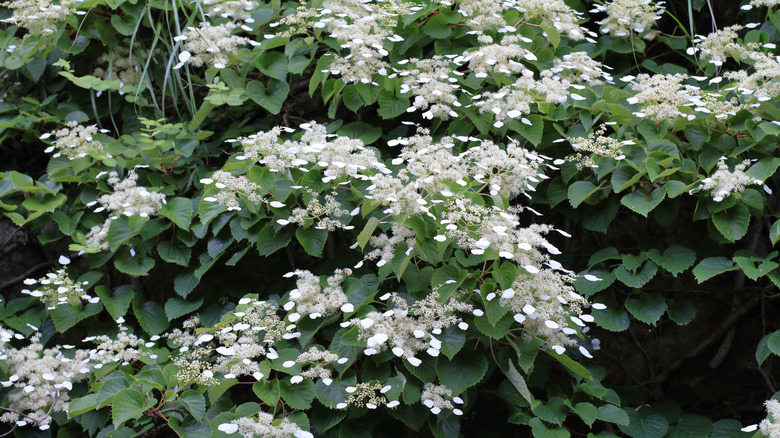
The Japanese hydrangea vine (Hydrangea hydrangeoides) is not commonly grown in the U.S., but it might be worth tracking down since it's a rare climber that will tolerate full shade. Clusters of small fragrant white flowers appear on the plant for a brief period in summer. The vine does well in Zones 5 through 8, and it doesn't mind heat or humidity. You don't even need a trellis for a Japanese hydrangea vine. It will slowly clamber up walls and other structures, supporting itself with adhesive disks on aerial roots.
Arctic kiwi
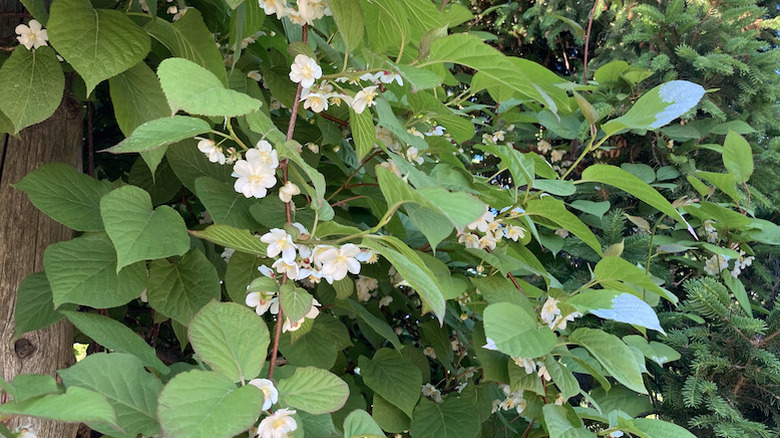
Whether you want a flowering and fruiting vine or a climber with blooms and interesting foliage, the arctic kiwi (Actinidia kolomikta) checks all those boxes. It thrives in Zones 4 to 8, but if you want fruit, you'll need a male plant and a few female plants. The small, nondescript flowers appear in spring and are fragrant. The arctic kiwi grows in partial shade, but will be healthier and happier with at least some morning sun. If you find the flowers underwhelming, you'll love the variegated green leaves with tinges of pink and white.
Blue jasmine
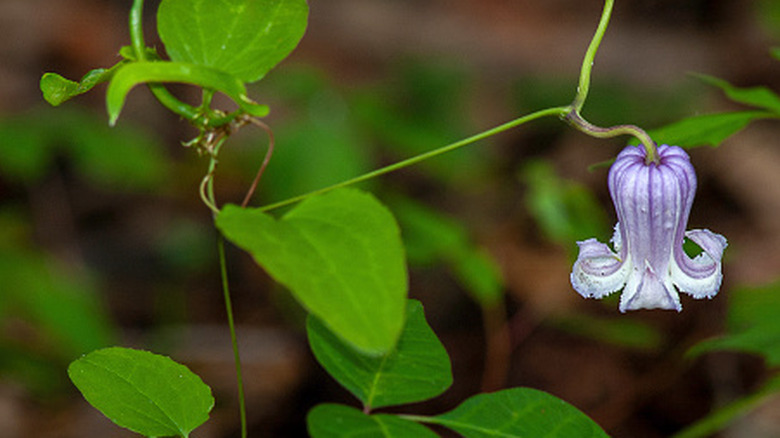
If you're looking for a vine with whimsical flowers, consider blue jasmine (Clematis crispa). This U.S. native climber has pink, blue, or purple bell-shaped flowers with sepals that curl upward, giving the blooms a dainty, delicate, and bell-like appearance. Although you'll get more cute flowers if you plant your new blue jasmine in a sunny spot, the vine will tolerate partial shade. Either way, it grows happily in Zones 6 to 9. Note that the leaves and sap of this climber — and, in fact, all species in this genus — are toxic to humans and pets.