

The Best Time Of Year To Quickly Fill Patchy Lawn Spots With Buffalo Grass Seed
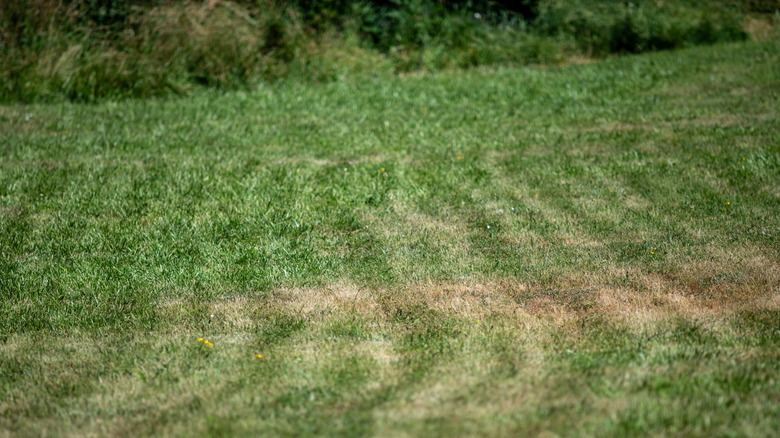
Buffalo grass (Bouteloua dactyloides) is a favorite of many, and it is easy to see why. It is low-maintenance, uses less water and fertilizer than many other types of lawn grasses, and has strong heat tolerance, too. But over time, even this hardy grass can develop patchy spots. Now, fixing a patchy lawn is not too complicated, however, it does take some attention. Timing, for instance, is very important, especially when it comes to sowing seeds. And for buffalo grass, late spring, around May to June, is the best time to reseed if you are trying to fix patchy lawn spots.
If you plant before this time, the soil temperatures might be too low, and the buffalo grass seeds don't start germinating properly until the soil temperatures are consistently around 60 degrees Fahrenheit. However, you don't want to plant too late either. If you do, the seedlings won't have enough time to develop properly before the fall arrives, which could put everything at risk. Other than timing, seed quality also plays a crucial role when fixing a patchy lawn.
So, make sure that you only buy the buffalo grass seeds from the top seed companies. Plus, when buying seeds, don't forget to check the percentage of pure live seed in the bag. That is because some companies also add inert material to seed bags. Not checking it is a common mistake homeowners make when buying grass seed, and they end up miscalculating how much seed they actually need.
How to properly sow buffalo grass seed in patchy turf
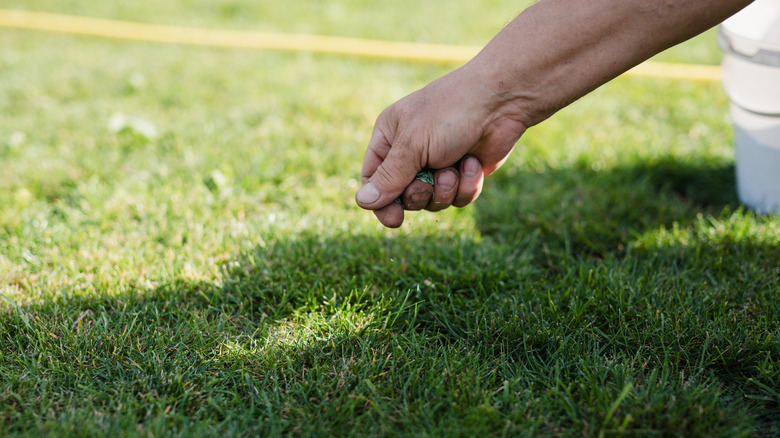
Once you have the seeds and have confirmed the soil temperature, you can go ahead and start making preparations to sow the seeds. First, calculate how much seed you need to use. For buffalo grass, the ideal seeding rate is 1 to 3 pounds per 1,000 square feet. However, to fill in a patchy turf, 1 to 2 pounds per 1,000 square feet is more than enough. Also, before you sow the seed, you will need to remove any old, dead grass from the patches and dethatch it as well, one of the most important first steps in lawn overseeding projects.
Removing dead grass and aerating helps increase seed to soil contact, which boosts the seed germination rates. Also, when getting the patchy spots ready for seeding, make sure to remove any weeds as well. Patchy spots in the lawn are extremely prone to weeds, which could compete with new grass seeds, reducing their germination and success rates.
Nevertheless, when the soil is ready, spread the seeds evenly over the patchy spots. Gently rake the seeds afterward. Once the seeds are planted, water them once or twice each day to keep the top inch of soil consistently moist –just don't water to the point of runoff. As for fertilizing, do not rush it. Fertilizing too early after reseeding can trigger weed flushes and even interfere with grass seed development.
Caring for buffalo grass seedlings in patchy turf
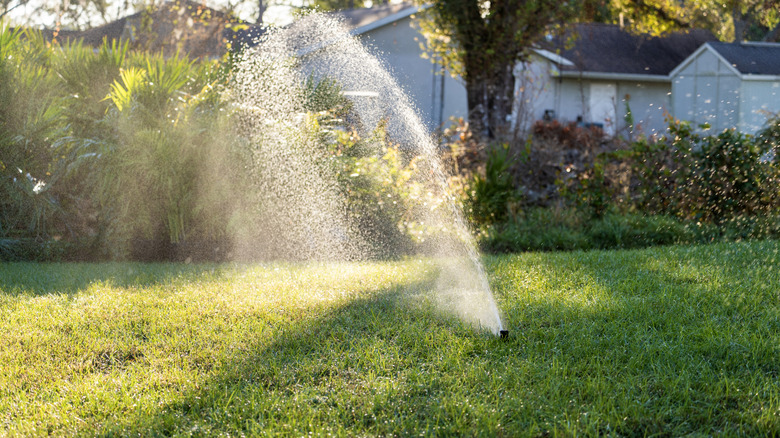
About 10 to 21 days after you have sown the seeds, the buffalo grass seedlings will emerge from the ground. And don't be alarmed if the coverage looks thin at first. It takes time for all the seeds to germinate, which can even make the turf look uneven at times. Nevertheless, once the seedlings emerge, you need to change the watering schedule, as overly wet soil can weaken the growth of grass seedlings and increase the growth of weeds in the lawn. At this stage, watering is only needed occasionally to prevent drought stress.
Besides that, make sure to keep foot traffic off the lawn when the seedlings are developing. Once established, buffalo grass is one of the best grasses for busy areas that see foot traffic, but its seedlings are still vulnerable to mechanical stresses and need to be protected. Also, resist the temptation to use herbicides to keep weeds out of the newly seeded spots. Instead, hand-pick the weeds as both seeds and seedlings are extremely vulnerable to the chemicals in weed killers.
Wait until the seedlings are about 3 inches tall before mowing. Also, when you mow, don't remove more than one third of the vertical growth. Cutting too short or mowing too soon can both cause problems for the new seedlings. As for fertilizing, feed the lawn with a starter-type fertilizer six to seven weeks after planting. Just make sure not to overfertilize, as buffalo grass does not respond well when overmanaged, and always follow all the label instructions.