

What To Do If You Find Roadkill In Your Yard
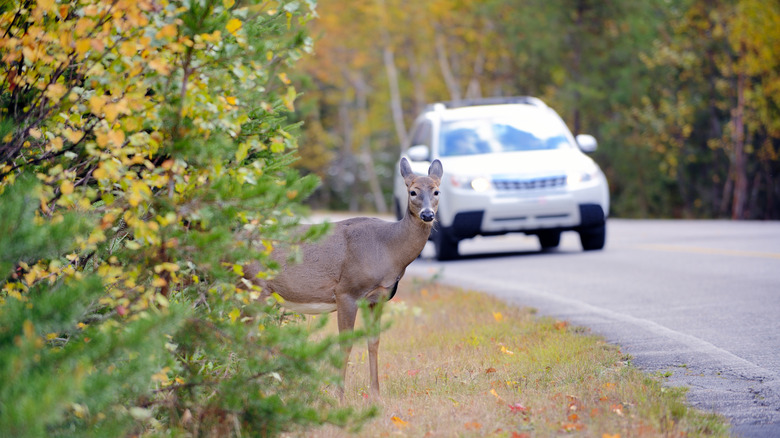
The number of vehicles is on the rise across the globe, and more vehicles mean more accidents. It is only natural that sometimes these accidents involve animals and wildlife as well. They often get hit and killed when crossing the road, especially at night. However, sometimes they survive the initial impact and flee the scene, only to die somewhere else, like a yard or by the side of a home. And this makes many people wonder what they can do or who they can call if they find a roadkill on or near their property. Well, the answer varies. If the animal is on a public street, sidewalk, or road near your home, you can call the local city government, and they will take care of it.
However, if the dead animal is inside private property lines, more often than not, the owner is responsible for removing and disposing of it. This also applies when you find a dead animal in your home. In addition, some homeowners who have found roadkill in their yards might have the option to call city services or pest control companies that will remove roadkill. Keep in mind, though, that they likely won't do it for free so ask questions to your pest control professionals before hiring them. However, if you do not want to spend money on removing a dead animal from your property, you can remove and dispose of it yourself. In some places, you might even be allowed to place the carcass with your trash for city curbside pickup.
Act quickly and take precautions
In the case where you can't find anyone to remove roadkill from your yard, you can do it yourself. Sometimes, small animals can be left in place to naturally decompose. However, larger animals like deer should be removed. A dead animal lying in your yard will look unsightly to neighbors and passer-bys, and the decaying carcass can smell and attract other wildlife to the area as well. After finding roadkill in your yard, it's best to remove it as soon as possible. As time passes, the gut of the animal will start filling with gasses, which can eventually cause the carcass to rupture and spill decaying material all over your yard.
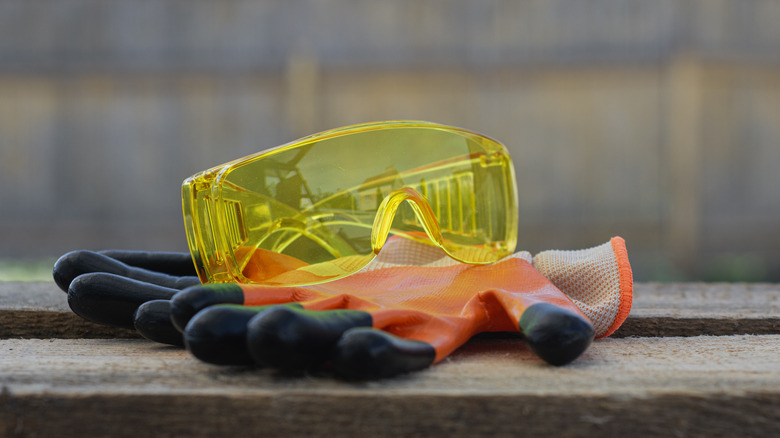
When you're preparing to remove roadkill, start by wearing protective gloves. You can use any old yardwork gloves, but if you can find disposable gloves, that is even better, since you won't want to keep them if they become soiled. Use protective googles and wear a mask as well to guard yourself against any fluids. Beware of ticks, too. Ticks are often present in the fur or hair of roadkill animals, and they can deliver some really nasty bites. Once you have protected yourself sufficiently, you'll also need to find a thick plastic sheet or a tarp that you don't mind tossing. If the roadkill is a small animal, you can also use a trash bag.
Dispose of the roadkill appropriately
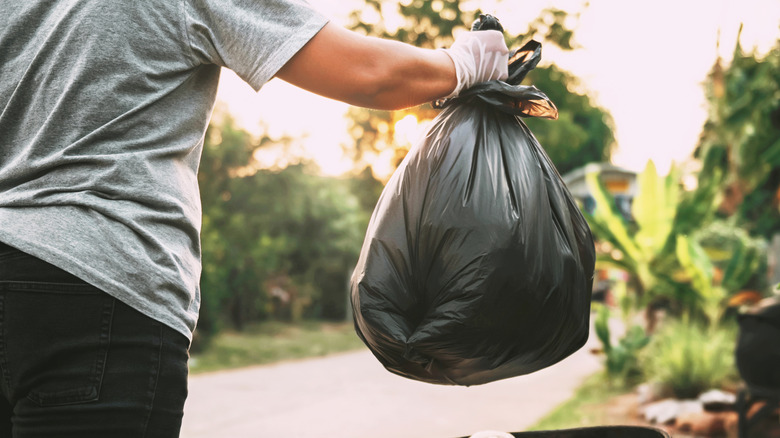
Collect and contain the remains of the animal safely by dragging or rolling it onto the tarp or picking it up with a trash bag. Wrapping the carcass will help contain odors. Next, double-bag it and place it along inside your trash bin if it's a small animal and your city laws allow. If you've arrange for a carcass removal company to pick it up, bring the animal to the curb. Alternatively, you might have to take it to a disposal site yourself.
For folks with a decent amount of acreage or distant neighbors, it might not be necessary to formally dispose of the carcass. In some places, you might even be able to bury it in place or leave it out and allow it to decompose naturally, as long as it's a safe distance away from your home. Be aware that this method may attract scavengers like vultures, coyotes, and bears, as well as insects like flies and ants. Be sure to keep pets away until the dead animal is gone. If needed, you can sprinkle quicklime on the carcass or soiled patch of ground to absorb moisture, reduce odor, and speed up the natural process. If it's been a long time since the animal was killed, you might also wonder what to do if you find animal bones in your yard or garden.